
































Game News

Frosty Delights: Icy Creamy Dessert Maker
Game Introduction Everyone loves ice cream! Dive into a fun, sweet world where you can mix, scoop and decorate all kinds of icy desserts. Create endless flavors and amazing sundaes, unlock tasty recipes and become the ultimate ice cream master. Enjoy the coolest, most delicious gameplay anytime! Game Features 1. Freely make various ice creams and icy desserts to unleash your creativity.2. Rich flavors, toppings and decorations for your unique treats.3. Easy and fun making process, simple to play.4. Unlock tons of ice cream recipes for great sense of achievement.5. Cute and fresh visuals, bringing you cool and relaxing fun. Gameplay and Controls 1. Choose ingredients and tools to start making ice cream.2. Follow steps to mix, freeze and decorate.3. Combine flavors and toppings to create your dessert.4. Save your work and unlock more content. Game Guide Want to level up your ice cream-making skills and unlock all recipes and decorations in Frosty Ice Cream? This guide will help you get started efficiently and become a professional ice cream master in no time. When first entering the game, follow the tutorial carefully to learn the full process, from ingredient selection and mixing to freezing and decorating. Do not rush into difficult recipes at the beginning; mastering the basic steps ensures steady and efficient production later. Completing beginner tasks rewards you with starting coins and basic items, laying a solid foundation for unlocking more content. Always follow the order: **mix ingredients → freeze → decorate**. Start with milk, ice, sugar, and other basics, blend evenly as instructed, then freeze. Only add toppings such as fruits, candies, chocolate, and cookies after freezing—adding them too early harms the final look and score. Beginners should practice classic flavors first, then move on to layered, multi-topping creations. For resource management, prioritize coins on new flavors, molds, and basic toppings instead of rare decorations. Each finished ice cream grants experience and rewards; leveling up automatically unlocks more ingredients and creative recipes. During limited-time challenges, follow the requirements closely for extra coins and exclusive decorative items. High-scoring creations rely on smart styling. Use the **layered method**: sauce at the bottom, crunchy bits in the middle, and toppings on top for better structure and higher ratings. Monochrome schemes look clean and appealing, while contrasting colors create bold styles. Add special toppings like sprinkles and chips last to keep them visible and attractive. Mistakes can be adjusted freely without wasting ingredients, so feel free to experiment for hidden recipes and fun combinations. In later stages, focus on collecting all recipes and decorations to complete your ice cream collection. With these tips, you’ll easily create delicious, great-looking ice creams, enjoy the fun of creative making, and become the top dessert artist in the game.
Scary Machine: Vending Nightmare Puzzle
Game Introduction Here’s a brand-new, engaging game description that’s very different from the original while keeping all the core fun and learning: Turn math practice into an exciting adventure with **Scary Vending Machine**!Kids step right up to three themed machines packed with toys, snacks, and tasty treats—each with its own price to solve. Using real coin values, they’ll add up the exact amount needed and feed it into the machine. Get the total right, and a fun surprise pops out as a reward! If the numbers don’t match yet, gentle hints help them try again until they succeed. Perfect for young learners, this lively game turns counting, coin recognition, and basic addition into playful, rewarding challenges. Every successful purchase builds confidence and sharpens essential math skills—all while having a blast with the spooky, fun vending machine world! Game Features 1. Fun & Educational CombinationSet in a novel and interesting vending machine scene, helping children naturally master math skills in a relaxed way and bid farewell to boring study. 2. Three Themed Vending MachinesProvides toy, dessert and food themed vending machines with a rich variety of items, continuously attracting children’s exploration and keeping the game fresh. 3. Coin Recognition & CalculationExercises children’s counting, addition and money handling skills by recognizing coin values and calculating product prices, laying a solid math foundation. 4. Friendly Error-Tolerance SystemWarm hints will be given when the amount is wrong, without discouraging children’s enthusiasm, encouraging repeated attempts and improving calculation accuracy. 5. Positive Reward ExperienceCorrect coin insertion unlocks the corresponding prize. Every success brings a sense of achievement, effectively building children’s confidence and learning interest. Gameplay and Controls 1. Choose a themed vending machine and check the item price.2. Select coins to match the target amount on the screen.3. Insert the coins and confirm payment.4. Get the prize if correct; try again with hints if wrong. Game Guide As a fun and educational math game for kids, Scary Vending Machine focuses on simulating vending machine shopping to help children easily master coin recognition, counting, and basic addition. This guide will quickly get players started, effectively enhance the gaming experience, balance learning and entertainment, and help young learners quickly grasp game skills. Core for Beginners: First, familiarize yourself with the three themed vending machines, which correspond to three types of items: toys, desserts, and food. Each type of item has a different price, increasing from low to high. It is recommended to start with low-priced items to reduce the difficulty of calculation. After entering the game, first check the target amount on the display screen, then check the coin denominations at the bottom to clarify the value of each type of coin, avoiding operational errors caused by incorrect coin recognition. Core Operation Skills: After selecting a vending machine, first lock in one item, remember its price, then select and combine coins from the available options. Prioritize using coins whose denominations are close to the target amount to reduce the number of combinations and the error rate of calculation. For example, when the target amount is small, prioritize using small-denomination coins to avoid the calculation burden caused by combining large-denomination coins. Double-check the total sum of coins before inserting them, and confirm that it matches the amount on the display screen to improve the success rate in one go. Advanced Improvement Points: As you play further, the prices of items will gradually increase, requiring practice in calculating combinations of multiple coins. If the amount is incorrect, don’t panic. Carefully check the warm hints provided by the system, adjust the coin combination according to the hints, and repeated attempts will deepen the memory of coin calculation. At the same time, you can alternately use the three themed vending machines, which not only keeps the game fresh but also comprehensively exercises your calculation ability through different item prices. Pitfalls and Notes: Do not insert coins blindly to avoid incorrect coin combinations due to carelessness and waste of attempts; when encountering complex amounts, you can add coins one by one to ensure the total sum is accurate. Parents can play along, guide children to calculate independently, and help children consolidate math knowledge through practice in the game scene. Remember the principle of "calculate first, then insert coins" — every successful purchase can build confidence, and gradually improve calculation speed and accuracy. Overall, the game difficulty is moderate, and the core lies in mastering coin recognition and basic addition proficiently through repeated practice. Following this guide, beginners can quickly get started, learn while playing in a relaxed gaming atmosphere, effectively improve their math ability, and fully experience the fun and educational value of the game.

Frosty Delights: Icy Creamy Dessert Maker
Game Introduction Everyone loves ice cream! Dive into a fun, sweet world where you can mix, scoop and decorate all kinds of icy desserts. Create endless flavors and amazing sundaes, unlock tasty recipes and become the ultimate ice cream master. Enjoy the coolest, most delicious gameplay anytime! Game Features 1. Freely make various ice creams and icy desserts to unleash your creativity. 2. Rich flavors, toppings and decorations for your unique treats. 3. Easy and fun making process, simple to play. 4. Unlock tons of ice cream recipes for great sense of achievement. 5. Cute and fresh visuals, bringing you cool and relaxing fun. Gameplay and Controls 1. Choose ingredients and tools to start making ice cream. 2. Follow steps to mix, freeze and decorate. 3. Combine flavors and toppings to create your dessert. 4. Save your work and unlock more content. Game Guide Want to level up your ice cream-making skills and unlock all recipes and decorations in Frosty Ice Cream? This guide will help you get started efficiently and become a professional ice cream master in no time. When first entering the game, follow the tutorial carefully to learn the full process, from ingredient selection and mixing to freezing and decorating. Do not rush into difficult recipes at the beginning; mastering the basic steps ensures steady and efficient production later. Completing beginner tasks rewards you with starting coins and basic items, laying a solid foundation for unlocking more content. Always follow the order: **mix ingredients → freeze → decorate**. Start with milk, ice, sugar, and other basics, blend evenly as instructed, then freeze. Only add toppings such as fruits, candies, chocolate, and cookies after freezing—adding them too early harms the final look and score. Beginners should practice classic flavors first, then move on to layered, multi-topping creations. For resource management, prioritize coins on new flavors, molds, and basic toppings instead of rare decorations. Each finished ice cream grants experience and rewards; leveling up automatically unlocks more ingredients and creative recipes. During limited-time challenges, follow the requirements closely for extra coins and exclusive decorative items. High-scoring creations rely on smart styling. Use the **layered method**: sauce at the bottom, crunchy bits in the middle, and toppings on top for better structure and higher ratings. Monochrome schemes look clean and appealing, while contrasting colors create bold styles. Add special toppings like sprinkles and chips last to keep them visible and attractive. Mistakes can be adjusted freely without wasting ingredients, so feel free to experiment for hidden recipes and fun combinations. In later stages, focus on collecting all recipes and decorations to complete your ice cream collection. With these tips, you’ll easily create delicious, great-looking ice creams, enjoy the fun of creative making, and become the top dessert artist in the game.
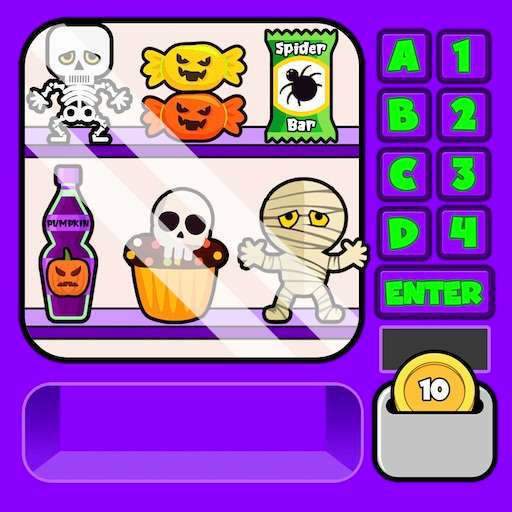
Scary Machine: Vending Nightmare Puzzle
Game Introduction Here’s a brand-new, engaging game description that’s very different from the original while keeping all the core fun and learning: Turn math practice into an exciting adventure with **Scary Vending Machine**! Kids step right up to three themed machines packed with toys, snacks, and tasty treats—each with its own price to solve. Using real coin values, they’ll add up the exact amount needed and feed it into the machine. Get the total right, and a fun surprise pops out as a reward! If the numbers don’t match yet, gentle hints help them try again until they succeed. Perfect for young learners, this lively game turns counting, coin recognition, and basic addition into playful, rewarding challenges. Every successful purchase builds confidence and sharpens essential math skills—all while having a blast with the spooky, fun vending machine world! Game Features 1. Fun & Educational Combination Set in a novel and interesting vending machine scene, helping children naturally master math skills in a relaxed way and bid farewell to boring study. 2. Three Themed Vending Machines Provides toy, dessert and food themed vending machines with a rich variety of items, continuously attracting children’s exploration and keeping the game fresh. 3. Coin Recognition & Calculation Exercises children’s counting, addition and money handling skills by recognizing coin values and calculating product prices, laying a solid math foundation. 4. Friendly Error-Tolerance System Warm hints will be given when the amount is wrong, without discouraging children’s enthusiasm, encouraging repeated attempts and improving calculation accuracy. 5. Positive Reward Experience Correct coin insertion unlocks the corresponding prize. Every success brings a sense of achievement, effectively building children’s confidence and learning interest. Gameplay and Controls 1. Choose a themed vending machine and check the item price. 2. Select coins to match the target amount on the screen. 3. Insert the coins and confirm payment. 4. Get the prize if correct; try again with hints if wrong. Game Guide As a fun and educational math game for kids, Scary Vending Machine focuses on simulating vending machine shopping to help children easily master coin recognition, counting, and basic addition. This guide will quickly get players started, effectively enhance the gaming experience, balance learning and entertainment, and help young learners quickly grasp game skills. Core for Beginners: First, familiarize yourself with the three themed vending machines, which correspond to three types of items: toys, desserts, and food. Each type of item has a different price, increasing from low to high. It is recommended to start with low-priced items to reduce the difficulty of calculation. After entering the game, first check the target amount on the display screen, then check the coin denominations at the bottom to clarify the value of each type of coin, avoiding operational errors caused by incorrect coin recognition. Core Operation Skills: After selecting a vending machine, first lock in one item, remember its price, then select and combine coins from the available options. Prioritize using coins whose denominations are close to the target amount to reduce the number of combinations and the error rate of calculation. For example, when the target amount is small, prioritize using small-denomination coins to avoid the calculation burden caused by combining large-denomination coins. Double-check the total sum of coins before inserting them, and confirm that it matches the amount on the display screen to improve the success rate in one go. Advanced Improvement Points: As you play further, the prices of items will gradually increase, requiring practice in calculating combinations of multiple coins. If the amount is incorrect, don’t panic. Carefully check the warm hints provided by the system, adjust the coin combination according to the hints, and repeated attempts will deepen the memory of coin calculation. At the same time, you can alternately use the three themed vending machines, which not only keeps the game fresh but also comprehensively exercises your calculation ability through different item prices. Pitfalls and Notes: Do not insert coins blindly to avoid incorrect coin combinations due to carelessness and waste of attempts; when encountering complex amounts, you can add coins one by one to ensure the total sum is accurate. Parents can play along, guide children to calculate independently, and help children consolidate math knowledge through practice in the game scene. Remember the principle of "calculate first, then insert coins" — every successful purchase can build confidence, and gradually improve calculation speed and accuracy. Overall, the game difficulty is moderate, and the core lies in mastering coin recognition and basic addition proficiently through repeated practice. Following this guide, beginners can quickly get started, learn while playing in a relaxed gaming atmosphere, effectively improve their math ability, and fully experience the fun and educational value of the game.

Global Cuisine Cooking Truck: World Food Journey
Game Introduction Step into Julia’s Burger Truck, the most lively street food spot in town! Help Julia take charge of her busy food truck, craft tasty burgers to order, and serve every hungry guest with speed and care. Each customer comes with unique cravings—grill fresh patties, stack perfect toppings, and deliver meals right on time. The quicker you serve, the happier your customers are, and the bigger tips you’ll earn! Can you handle the rush, keep the line moving, and turn Julia’s burger truck into the most popular street food legend around? Game Features 1. Fun and casual food truck management, experience the whole process of making burgers. 2. Prepare ingredients quickly according to customer orders, test your reaction and speed. 3. Faster service leads to higher customer satisfaction and more tips. 4. Various customers and orders bring different challenges in every game. 5. Cute and bright art style, easy to play anytime and anywhere. Gameplay and Controls 1. Check customer orders and select ingredients. 2. Cook and assemble burgers as required. 3. Serve meals quickly to earn tips. 4. Speed up service to keep customers satisfied. Game Guide Julia's Burger Truck is a casual game centered around rhythm-based management. Its core goal is to quickly and accurately fulfill customer orders, improve satisfaction, earn tips, and ultimately turn the food truck into a popular street food spot. The guide focuses on three key aspects: process optimization, rhythm control, and equipment upgrades. New players can get started quickly and easily handle the peak customer flow in the later stages. Here are the detailed tips. New players must follow the tutorial carefully at the start, focusing on familiarizing themselves with the location of ingredients, how to view orders, and the hamburger making process to avoid wasting time due to unfamiliarity with operations. In the early stage, customer flow is slow; do not rush. After completing each order, quickly tidy up the operation counter, predict the next customer's needs in advance, and develop a coherent rhythm of "receiving orders—preparing ingredients—making food—serving meals" to reduce ineffective actions. Order handling is crucial, and the principle of "simple first, complex later" should be followed first. When there are few customers, you can complete each order carefully, strictly matching the required patties, side dishes, and sauces to avoid customer dissatisfaction caused by missing or wrong ingredients. When the peak customer flow arrives, first handle orders with fewer ingredients and faster preparation time to keep the line moving, prevent customers from leaving due to long waits, and reduce revenue losses. The cooking link cannot be ignored. The patty cooking time must be controlled well—it should neither be overcooked (which affects the score) nor undercooked (which leads to bad reviews). It is recommended to prepare side dishes while the patties are cooking, make good use of fragmented time, and improve the overall meal serving efficiency. Serving speed is directly related to the amount of tips: the faster you complete the order, the higher the customer satisfaction, and the tip amount will double. The accumulated funds can be used for equipment upgrades. Equipment upgrades must prioritize properly. Prioritize upgrading the grill to shorten the patty cooking time—this is the core of improving serving speed. Secondly, upgrade the ingredient shelf to reduce the number of restocks and avoid interrupting production due to ingredient shortages. In the later stage, you can upgrade the operation counter to increase the number of hamburgers that can be made at the same time, allowing you to easily handle a large number of orders. As the levels progress, demanding customers and complex orders will appear. At this time, you need to stay focused, carefully check the order details, and prioritize meeting special needs to avoid bad reviews affecting overall revenue. Practice memorizing ingredient locations and order combinations daily to form muscle memory and gradually improve operational proficiency. Mastering the above skills will allow you to stably handle all types of customer flow, gain high tips and five-star reviews, and easily unlock all game content.

Cooking Crush: Cozy Kitchen Frenzy
Game Introduction Turn your cooking dreams into reality and step into a vibrant world full of flavor and fun! Whip up mouth‑watering dishes, perfect your cooking techniques, and take on lively challenges that will put your skills to the test. Serve hungry customers, unlock amazing recipes, and rise through the ranks to become a celebrated kitchen star. Every dish you make brings you closer to culinary greatness. Are you ready to cook, create, and conquer the kitchen? Game Features 1. Dive into a vibrant cooking world with colorful and immersive kitchen scenes. 2. Cook a wide variety of delicious dishes from different countries and regions. 3. Challenge your time management and multitasking skills in fast-paced levels. 4. Unlock new recipes, ingredients and kitchen tools as you progress. 5. Enjoy smooth and addictive gameplay perfect for casual players. 6. Become a top chef and build your reputation as a culinary master. Gameplay and Controls 1. Tap ingredients and follow the recipe to complete steps like cutting and cooking; 2. Allocate time reasonably, finish cooking quickly and serve the dishes to customers; 3. After unlocking props, tap to use them to improve cooking efficiency; 4. Complete level challenges to unlock more recipes and kitchen scenes. Game Guide As a casual cooking game, *Cooking Crush* centers on efficient operations and rational planning to complete dish preparation, serve customers, and unlock new scenes and recipes. This guide focuses on beginner basics and advanced tips, helping you get started quickly, accelerate progress, and fully enjoy the game’s fun while mastering practical skills. In the beginner stage, prioritize familiarizing yourself with core mechanics and gameplay rhythm. The game uses simple tap controls: follow recipe sequences to select ingredients and complete steps like chopping and cooking. Time management is critical—avoid long customer waits to prevent them from leaving. You can simultaneously play basic levels across multiple restaurants to diversify rewards and boost overall progress. Don’t miss daily login challenges, which offer easy access to diamonds and other core resources, laying a solid foundation for future upgrades. Advanced gameplay hinges on optimized time management and resource allocation. As levels grow more challenging, anticipate customer orders in advance and batch-cook ingredients to avoid inefficient single-tasking. With multiple cooking stations unlocked, assign tasks strategically to create a smooth, continuous workflow. After unlocking ingredients and props, prioritize upgrading frequently used kitchen tools to speed up cooking and reduce steps. You can also watch optional ads to claim extra rewards, ensuring steady progress without spending money. Resource management is key to long-term success. Coins are restaurant-specific, so upgrade facilities based on priority to avoid waste. Diamonds should be reserved for unlocking rare recipes and high-efficiency props—never spend them randomly. For difficult levels, replay to master the rhythm, then aim for three-star ratings to earn maximum rewards. Each restaurant features unique cooking processes. When unlocking a new scene, first observe its operational rules and plan the shortest preparation path to avoid mistakes. Maintain a daily login habit to complete daily tasks and limited-time events, rapidly accumulating resources to rise as a culinary star. Master these tips, and you’ll easily tackle all challenges while savoring the joy of cooking in this vibrant culinary world.
Food Truck Chef: Street Food Cooking Adventure
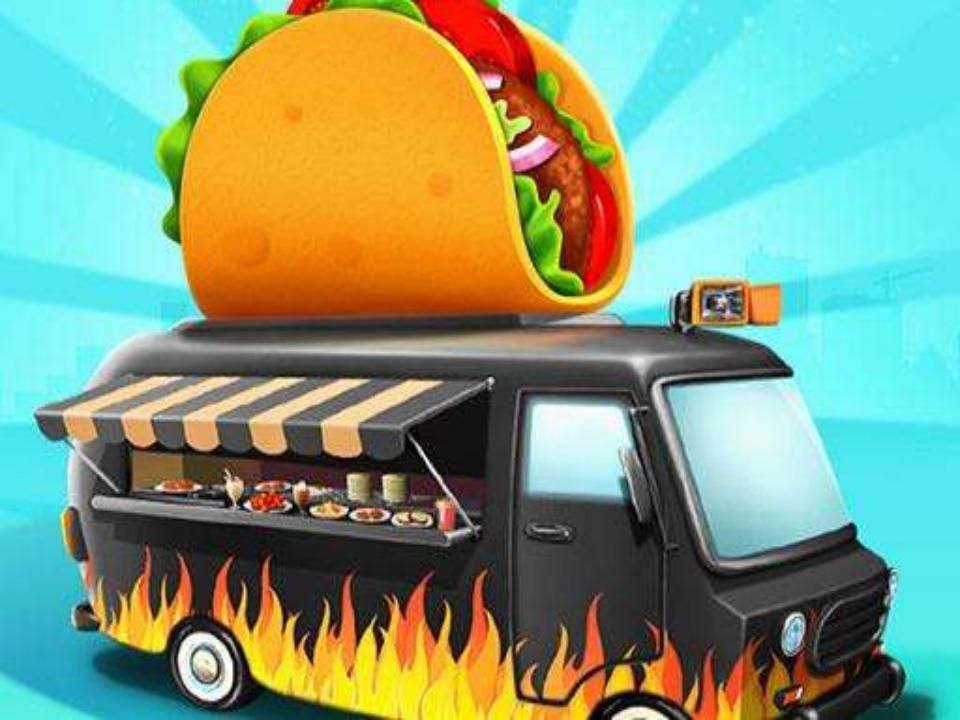
Game Introduction Step into a vibrant world of flavor and join the popular chef Emily on a delicious journey! At Flo & Emily's Restaurant, you can craft tempting tacos, crispy falafel, delicate sushi and a variety of popular fast food to win over every diner with your tasty dishes. This is a challenging time-management adventure where you’ll need to master your pace, cook efficiently and serve meals on time to leave every customer happy and satisfied. As your restaurant grows in popularity, you can freely decorate your dining space and food truck to create a one-of-a-kind eatery, and slowly build your very own delicious culinary empire! Game Features 1. Embark on an exciting cooking adventure with famous chef Emily and enjoy immersive food-making fun. 2. Create a wide variety of popular dishes, including tacos, falafel, sushi and fast food. 3. Classic time management gameplay that tests your speed and adaptability, combining challenge and fun. 4. Freely customize and decorate your restaurant and food truck to build a unique dining space. 5. Grow from a small eatery and build your very own delicious food empire. Gameplay and Controls 1. Follow customers' orders to click and prepare ingredients and cook dishes quickly. 2. Drag the finished dishes to customers to serve them on time. 3. Collect coins after customers finish their meals. 4. Use coins to upgrade kitchen utensils and decorate your restaurant and food truck. Game Guide To level up quickly, get high ratings and earn coins efficiently to build your food empire in Food Truck Chef, mastering the right rhythm and management skills is the key. When you first start the game, focus on learning the basic流程: take orders, prepare ingredients, cook meals, serve customers and collect coins. Unlock new dishes and decorations step by step, stay steady and improve your efficiency gradually. Follow the principles of “difficult dishes first, easy ones later” and “handle tasks at the same time”. Give priority to dishes with more steps, such as tacos and sushi. Use the waiting time during cooking to prepare simple side dishes. Group similar operations together, like preparing ingredients in batches, to avoid wasting time on repeated actions. Serve customers in the order they arrive to keep them satisfied and avoid bad reviews. Coin income directly affects your development speed. Remember to claim all rewards after completing levels, and finish daily extra objectives to get more coins and items. Always upgrade kitchen equipment first to improve cooking speed and capacity—this is the key to making difficult levels easier. Next, unlock new dishes to enrich your menu, attract more customers and increase your income per level. Decorate your restaurant and food truck in the mid-game; the popularity boost from appearance upgrades works better after your equipment is fully upgraded. When moving through levels, plan your pace properly. For difficult levels, observe the order types first and adjust your operation order. Serve customers whose patience is almost gone to prevent bad reviews from affecting your rating. Serving perfectly in a row activates buffs that increase your rewards and score. Try to keep your actions smooth and error-free. When you are short of ingredients, restock the most commonly used basic ones first to avoid running out during service. In the late expansion stage, balance upgrades among equipment, dishes and decorations to form a positive cycle: high efficiency → more customers → steady income. Complete levels steadily every day to accumulate resources. Do not rush into extremely hard levels before you are fully prepared. With skillful actions and smart management, you will easily build your own successful food truck empire.
Turtle Ninja Pizza: Epic Slice Adventure
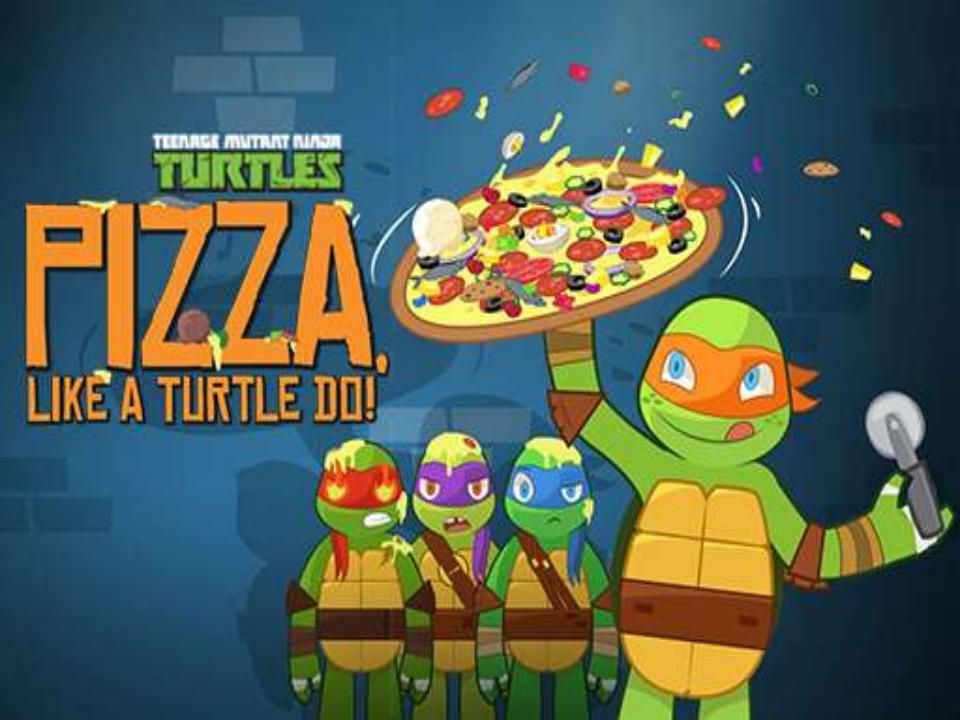
Game Introduction When the Teenage Mutant Ninja Turtles wrap up a day of fighting villains and guarding the city, their favorite treat is a hot, tasty pizza! Step into the shoes of their exclusive pizza chef, craft delicious pies with fresh ingredients, and keep these heroic turtles full and pleased. Race against time to finish every order with speed and care—stay sharp to keep up with their cravings! Get ready to bake, serve, and enjoy a totally fun pizza adventure with the ninja turtle crew! Game Features 1. Step into the role of the Turtles’ exclusive pizza chef and create customized, tasty pizzas. 2. Enjoy thrilling time-limited cooking challenges that test your speed and skills. 3. Interact with the classic Ninja Turtles characters in a fun, lively vibe. 4. Mix and match a wide variety of fresh ingredients to make unique pizzas. 5. Experience casual, joyful cooking gameplay that’s easy to play and full of fun. Gameplay and Controls Tap to select fresh ingredients and combine them to make customized pizzas. Complete pizza making within the time limit and serve quickly to meet the Turtles' needs. Operate accurately, control your speed, and avoid mistakes to not miss orders. Choose ingredients according to the Turtles' taste preferences. Correct mistakes in time during production to avoid ingredient waste. Complete consecutive orders to unlock new ingredients and enrich pizza styles. Game Guide In Ninja Turtles: Pizza Like A Turtle Do!, you take on the role of the Turtles’ exclusive pizza chef. Your goal is to make delicious pizzas under time pressure, satisfy all four Ninja Turtles with their favorite flavors, and unlock more ingredients and content. To master the game and achieve high scores, you will need to balance speed, accuracy, and smart planning. For beginners, the key is to learn the basics and avoid simple mistakes. First, memorize each turtle’s flavor preference: Michelangelo loves classic cheese pizza, Raphael prefers spicy sausage with extra toppings, Leonardo enjoys fresh vegetable combinations, and Donatello likes creative two-flavor mixes. Follow a steady order: prepare the crust and sauce first, then add toppings. If you select the wrong ingredient, correct it immediately to avoid wasting time and ruining the order. Focus on making no mistakes before trying to speed up. Once you are familiar with the game, focus on time management and details to get high scores. All orders are timed, so plan your steps ahead. Finish the crust and sauce smoothly to save time, and use just enough cheese to avoid waste. Arrange toppings evenly for better satisfaction and fewer mistakes. Watch the baking carefully to prevent burning or undercooking. Completing orders in a row without mistakes triggers combo bonuses, which boost your score and help you unlock new ingredients faster. In later, more difficult stages, you will face multiple orders at the same time. Use a streamlined workflow: prepare several crusts at once and use small gaps between steps to work on different orders. Use newly unlocked ingredients to create special pizzas for each turtle, which can give you extra rewards. Stay calm and do not rush too much, as careless mistakes can break your combo and lower your final score. This game is fun, casual, and easy to learn. By remembering the Turtles’ tastes, managing your time well, and staying accurate, you can clear every level with ease. Use these tips to complete orders efficiently, unlock all content, and enjoy a fun pizza-making adventure with the Ninja Turtles.
