
































Game News

Kick Football: Precision Penalty Showdown
Game Introduction Embark on the ultimate endless penalty shootout challenge and prove your football skill on the spot! Hone your unrivaled shooting precision with every strike, rack up points for each perfect target hit, and climb through progressive levels to unlock polished kicking techniques. Go head-to-head in action-packed tournaments against fellow players, and claim generous rewards for your standout performance on the penalty spot. Are you ready to step up, fire the perfect kick, and cement your status as a penalty king? Game Features 1. Non-stop penalty shootout challenges, start shooting duels anytime and anywhere for an immersive penalty kick experience2. Precision shooting as the core gameplay, testing the dual control of angle and force for ultimate penalty operation fun3. Progressive level-up system, unlock new shooting skills upon upgrading and continuously polish your penalty competitive abilities4. Real-time point accumulation mechanism, earn points by hitting targets for intuitive feedback on your shooting results5. Diverse competitive tournament gameplay, join thrilling showdowns to win generous rewards and unlock more in-game benefits6. Lightweight and easy-to-master controls, no complicated tutorials required, allowing beginners to grasp penalty shooting essentials quickly7. Gradually increasing game difficulty, with rising competitive challenges as you progress to keep the adventure motivation going Gameplay and Controls 1. Aim your shot by sliding or tapping the screen.2. Hold to adjust kicking power, then release to shoot. Game Guide This guide is designed to help players of all levels master Football Penalty, improve shooting accuracy, and easily win tournaments and rewards. Focusing on core gameplay such as aiming, power control, and level progression, it summarizes practical skills to help you quickly become a penalty king. For beginners, the key is to lay a solid foundation and avoid common mistakes. First, get familiar with the simple controls: slide or tap the screen to aim, hold to adjust power, and release to shoot. Do not rush to pursue tricky angles at the beginning; focus on stable shooting. The four corners of the goal are the goalkeepers’ blind spots, but aiming too close to the post is easy to miss. It is recommended to start from the mid-corner area, control the power between 50% and 75%, ensure a stable goal rate, and quickly accumulate points to level up. Mastering core shooting skills is the key to improving your winning rate. When aiming, pay attention to the goalkeeper’s movement rhythm — if the goalkeeper sways left and right, wait for them to move to one side, then quickly aim at the opposite corner to increase the success rate. In terms of power control, adjust according to the level difficulty: in low-level stages, moderate power is sufficient; in high-level stages, the goalkeeper’s reaction speed accelerates, so you can appropriately reduce power in exchange for more accurate angles, avoiding the ball flying over the crossbar due to excessive power. Level progression and tournament gameplay are important ways to get rewards. As you level up, you will unlock new shooting skills; make good use of these skills (such as precision aiming assistance) in matches to further improve shooting accuracy. In tournaments, do not blindly pursue goals; pay attention to the point accumulation mechanism, hit targets stably to ensure continuous scoring, and avoid missing rewards due to hasty shots. When facing high-difficulty tournaments, adopt a steady strategy, ensure the success rate of each shot, and try tricky angles after gaining an advantage. Finally, avoid common mistakes: do not hold the power for too long or too short, do not ignore the goalkeeper’s movement when aiming, and do not give up easily when encountering consecutive failures. Insist on daily practice to form muscle memory for aiming and power control. Following this guide, beginners can get started quickly, and experienced players can further improve their skills, easily clear levels, win tournaments, and fully enjoy the fun of penalty shootouts.
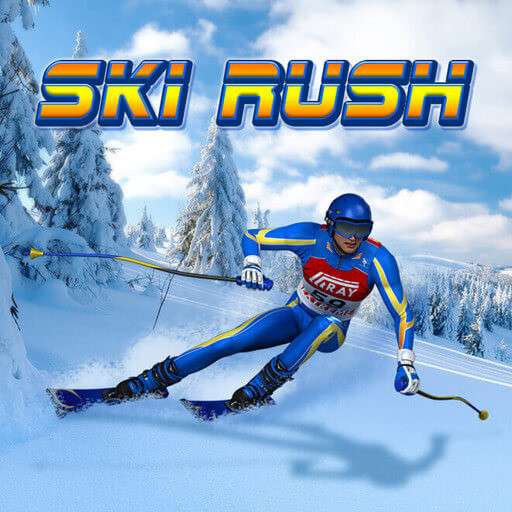
Ski Flow Rush: Frosty Slope Thrills
Game Introduction Leap into alpine racing, carve through the snow and start an exhilarating endless sliding challenge down the mountain slopes! Nimblely dodge all kinds of obstacles on the ski runs to keep your high-speed racing journey going non-stop all the way. Precisely collect colorful flags along the path to stack up generous score bonuses, cranking up the sense of accomplishment and thrilling fun of sliding to the fullest. Gear up completely, step onto the ski track at once, race freely across the snow-covered mountain ridges and unlock the ultimate joy of skiing glides! Game Features 1. Endless alpine skiing racing: Take on the downhill mountain challenge with no fixed finish line, push the limits of your sliding distance and keep unlocking your personal longest sliding record.2. Fun obstacle dodging gameplay: Various obstacles are randomly scattered on the ski runs, testing players’ flexible operation and instant reaction skills—only successful dodging can keep the racing journey going.3. Flag collection & score bonus system: Gather flags along the way to stack up generous score bonuses; the more flags you collect, the higher your final score, adding a clear objective to the racing experience.4. Easy to learn and play instantly: Simple and intuitive operation rules with no complicated skills to master, allowing new players to quickly get the hang of the game and experience the core joy of skiing racing.5. Immersive alpine sliding experience: Realistic snow mountain race tracks paired with smooth sliding controls, bringing you an immersive feel of the speed and thrill of alpine skiing.6. Fast-paced instant challenges: No tedious pre-race preparations required—start your skiing race anytime. The fast-paced gameplay delivers a relaxing and thrilling casual gaming experience. Gameplay and Controls 1. Control the direction to ski on the track and adapt flexibly to various track conditions.2. Avoid obstacles on the track in a timely manner to keep skiing continuously without interruption.3. Collect flags along the way to accumulate points and boost your game score. Game Guide The core of Ski Rush is endless alpine skiing racing, with the goal of breaking the limit of sliding distance through continuous skiing and accumulating high scores by collecting flags. The gameplay is simple yet highly challenging. This guide focuses on tips for beginners to get started quickly and achieve high scores, helping you race freely across the snow-capped mountains, unlock your personal best record, and master the essence of the core gameplay. Sliding control is the foundation, and the key lies in stability and flexibility. The game operation is simple: you only need to control the direction to adapt to various track conditions, no complex skills are required, and beginners can get started quickly. When sliding, you need to maintain a constant speed rhythm, avoid frequent sharp turns, and prevent crashing into obstacles and terminating the race due to excessive operation. When encountering a curve, adjust the direction slightly in advance and slide along the track arc, which can not only avoid edge obstacles but also predict the subsequent route and maintain sliding continuity. Obstacle avoidance is the key to continuing the race, testing your instant reaction ability. Various obstacles such as stones and fences are randomly scattered on the ski track, and some sections will have narrow areas, which require extra caution. When sliding, try to focus on the distance ahead, predict the position of obstacles in advance, and avoid sharp turns and evasion when approaching obstacles. When encountering a dense group of obstacles, prioritize the route with larger gaps, adjust the direction slightly to avoid them one by one, and do not operate in panic, otherwise, it is easy to make mistakes and be eliminated. The core of scoring skills lies in the superposition of flag collection and sliding duration. The colorful flags along the way can not only accumulate scores but also stack score bonuses. The more flags you collect and the more consecutive collections you make without interruption, the higher your final score will be. When sliding, you can give priority to the areas with dense flags. If the flags are too close to the obstacles, prioritize avoiding the obstacles to avoid terminating the race due to greed for points. At the same time, the longer the continuous sliding duration, the higher the base score. Maintaining a stable sliding rhythm is the only way to maximize the score. Tips for beginners to avoid pitfalls and advance: In the early stage, there is no need to pursue high scores; focus on familiarizing yourself with the control feel and the rhythm of obstacle prediction; avoid blindly pursuing speed—stable sliding is easier to break records than extreme speed; practice the timing of adjusting direction more to form muscle memory and cope with denser obstacles in the later stage. Master the above skills and practice repeatedly, and you can gradually improve your sliding distance and score, and easily unlock the ultimate sliding fun of Ski Rush.

Snow Ski: It Glide Rush
Game Introduction Step into a whimsical cartoon skiing realm where a retro sliding challenge is ready to begin! Pick from five uniquely quirky characters, strap on your skis, and race straight into a vivid snow-capped world. Glide smoothly down the rolling snow slopes, nimbly evading all sorts of obstacles including rocks, trees and other hazards. Keep your skis on track and your score will climb nonstop—the longer you glide, the higher your score soars! With a lovely, soft cartoon art style and engaging, easy-to-get-into gameplay, it perfectly captures the pure fun of classic arcade games. How far can your skiing journey take you? Strap on your skis, sprint to the top of the leaderboard and set your own ultimate skiing record! Game Features 1. Whimsical Cartoon Visual Style:The game features a vivid and heartwarming cartoon art style, building a playful skiing world for a light and delightful visual experience.2. Diverse Unique Playable Characters:Choose from five distinct and quirky characters with unique designs, bringing a rich variety of play options.3. Classic Retro Arcade Gameplay:Recreates the core casual experience of classic arcade games with simple and straightforward gameplay, full of fun and nostalgic vibes.4. Challenging Obstacle Sliding:Nimbly dodge various obstacles such as rocks and trees while gliding down snow slopes, testing your reflexes and operational skills.5. Real-time Score Progression System:Your sliding duration is directly linked to your score—the longer you glide, the higher your score rises, bringing a strong sense of accomplishment.6. Leaderboard Competitive Gameplay:Compete to climb the skiing leaderboard and unlock the highest record, adding the fun of competition and challenge.7. Easy-to-Master Gameplay Experience:No complicated operations or rules, allowing new players to pick it up quickly and start a skiing adventure anytime, anywhere. Gameplay and Controls 1. Tap or slide left and right to control the skier, dodging rocks and trees. 2. Keep gliding continuously to accumulate scores. 3. Easy to master, no complex operations required. Game Guide As a whimsical cartoon-style casual skiing game, Ski It features simple and easy-to-learn core gameplay. However, to glide further and top the leaderboard, you need to master certain skills. This guide focuses on beginner’s entry and high-score tips to help players get started quickly, easily refresh their personal records, and unlock the fun of the game. Character selection is the key to getting started. There are five characters with distinct styles in the game. Beginners are advised to choose balanced characters first, as they have a low operation threshold and can perform stably without complex skills, making them suitable for familiarizing themselves with the gliding rhythm. Players seeking challenges can try special characters later, but there’s no need to deliberately unlock them initially to avoid distractions. Character selection only affects the visual experience and operation feel; the core scoring mechanism is the same, so there’s no need to overthink it. Operation skills determine the gliding duration. The core operation of the game is to tap or slide left and right to control the skier, with the core principle of "small adjustments and advance prediction". Do not slide too much to avoid deviating from the snow track or colliding with obstacles due to excessive operation; keep an eye on the front screen while gliding. After seeing obstacles such as rocks and trees, adjust your position by sliding slightly in advance. Never brake suddenly or change direction drastically temporarily, otherwise you may lose balance and end the glide. Obstacle avoidance and route selection are the core of getting high scores. Obstacles on the snow slope are distributed regularly. Priority should be given to the middle gliding route, where there are the fewest obstacles and the widest field of vision, facilitating the prediction of subsequent road conditions. When encountering dense obstacles, keep gliding at a constant speed, switch positions slightly left and right, avoid large rocks (collision will end the glide directly), and flexibly dodge small trees. At the same time, try to maintain continuous gliding and avoid frequent pauses. The longer the gliding duration, the faster the score increases, full of a sense of accomplishment. It is also important for beginners to avoid pitfalls and control their mindset. There is no need to pursue high scores initially; focus on familiarizing yourself with the operation sensitivity, slow down the gliding rhythm, and avoid frequent collisions due to eagerness for quick results. If you accidentally collide with an obstacle, do not be discouraged; restart quickly and accumulate prediction experience. The game adheres to the casual tone of classic arcade games, with no complex rules or levels with sharply increasing difficulty. Keep a relaxed mindset, and you will steadily improve your performance after mastering the skills proficiently. In a word, the secret to high scores in Ski It lies in "steady, accurate, and slow". Master the skills of small adjustments and advance prediction proficiently, choose a suitable character, and maintain continuous gliding. You can easily gallop on the snow track, top the leaderboard, and unlock your own skiing limit.
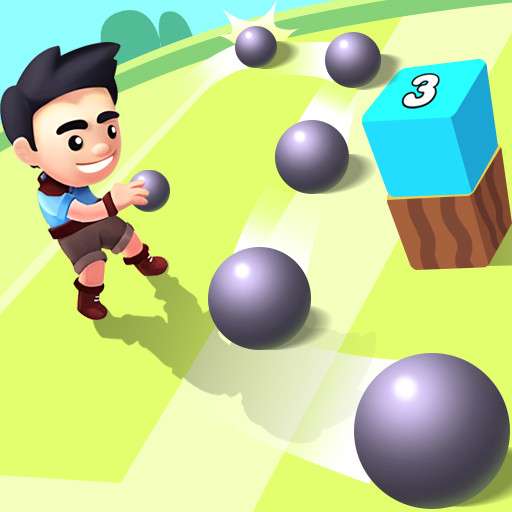
Pinball Blitz: Endless Adventure
Game Introduction Dive into a one-of-a-kind pinball experience that fuses classic arcade action with inventive puzzle challenges! Navigate your pinball through vivid 3D realms, cracking clever puzzles and sparking delightfully chaotic moments with bombs and rockets at your disposal. Gather pinballs along the way, line up each shot with careful aim, and watch as deeply satisfying destruction unfolds before your eyes. Level up your core skills, craft a play style that’s uniquely yours, and conquer every stage with pinpoint precision. Gear up for a pinball journey unlike any other and step into the ultimate pinball challenge—your epic launch is ready to begin! Game Features 1. Innovative Fusion Gameplay:Blends classic pinball arcade action with clever puzzle challenges, breaking the single gameplay of traditional pinball and bringing dual fun of operation and thinking.2. Immersive 3D Visual Worlds:Features vivid and colorful 3D game scenes, creating a strong sense of immersion for pinball navigation and exploration across different levels.3. Fun Prop Interaction:Equips with bombs, rockets and other interesting props, which can trigger satisfying destructive effects and add randomness and excitement to the game.4. Realistic Physics Catapult Mechanism:The pinball’s launch, collision and rebound follow physical rules, testing players’ precise aiming and control skills for each shot.5. Collection & Upgrade System:Supports pinball collection and skill upgrading, allowing players to enhance their passing ability and unlock more diverse play experiences as the game progresses.6. Customizable Play Styles:Players can freely choose their own operation rhythms and level-breaking strategies, adapting to different gaming preferences and difficulty challenges.7. Rewarding Level-breaking Feedback:The vivid destructive effects and smooth level clearance brought by precise operation deliver a strong sense of accomplishment and gaming satisfaction. Gameplay and Controls 1. Slide to aim and release to launch the pinball2. Activate bombs and rockets to clear obstacles3. Collect pinballs and upgrade skills to boost your capabilities4. Precisely control the pinball's trajectory to pass each level Game Guide Centered on classic pinball launching, Pinball Adventure combines puzzle-solving and prop gameplay. With its realistic physics mechanism and rich level design, it is both fun and challenging. This guide focuses on beginner’s entry and efficient level clearance, covering core points such as operation skills, prop use, and skill upgrading, helping you quickly grasp the essence of the game and easily unlock the fun of all levels with full practicality. Basic operation is the key to clearing levels, with the core lying in precise aiming and trajectory prediction. The game adopts a slide-to-aim and release-to-launch operation mode. Beginners need to focus on practicing angle control, prioritizing aiming at weak points of obstacles or scene bounce points, and using the laws of physical rebound to expand the pinball’s coverage and reduce wasted empty launches. Avoid vertical launches and try 45° diagonal shots as much as possible, which can not only improve the efficiency of obstacle removal but also make it easier to trigger hidden pinball collection points to accumulate resources for subsequent upgrades. Rational use of props is a shortcut to passing levels. Bombs and rockets need to be used in different scenarios to avoid waste. Bombs are suitable for clearing dense obstacles or when stuck, triggering large-scale destruction effects to quickly open up the path forward; rockets are used to break through key checkpoints or high-rise obstacles, which can achieve efficient breakthroughs when released after precise positioning. It is recommended to keep props until the second half of the level. At this time, obstacles are dense and the difficulty increases. Reasonable use can greatly reduce the pressure of clearing levels and avoid passive situations in the later stage due to random consumption in the early stage. Collection and skill upgrading need to balance efficiency to help steadily improve combat effectiveness. During the level challenge, pay attention to the hidden pinballs in the scene, which can not only unlock more pinball styles but also accumulate upgrade points. For skill upgrading, prioritize aiming accuracy and pinball power, then unlock the trajectory calibration function. Improved accuracy can reduce aiming errors, and enhanced pinball power can shorten the time for obstacle removal, greatly improving the efficiency of clearing levels and adapting to the challenge needs of different difficulty levels. Clearing levels requires flexibility, avoiding traps and making good use of the scene. The 3D scene design of different levels varies. Some levels include moving obstacles, spike traps, etc. It is necessary to predict the pinball’s trajectory in advance and avoid dangerous areas. When encountering complex levels, you can try repeatedly, optimize the aiming angle, and use the rebound effect of scene walls and baffles to achieve multi-area coverage. At the same time, maintain a steady rhythm, do not blindly pursue launch speed, and accurately control each launch to clear levels efficiently. In summary, the core of clearing this game is "precise control + strategic application". Beginners only need to proficiently master aiming skills, reasonably allocate props and upgrade resources, and flexibly respond to scene changes in different levels to quickly get started and make steady progress. With persistent practice and precise control of each launch rhythm, you can easily conquer all levels and immerse yourself in the unique fun of pinball adventure.

Kick Penalty Elite: Precision Shooters Showdown
Game Introduction Step into the vibrant cartoon soccer field and team up with iconic cartoon stars for an epic soccer adventure! Dive into high-energy matches brimming with excitement, flaunt your unique soccer flair, and take on a host of fun, thrilling in-game challenges. Nail jaw-dropping goals with a perfect strike, send out clever, well-timed passes to your teammates, or stand firm to shield your goal from every attack—each moment on the pitch is filled with endless fun and surprises. Crafted for players of all ages to enjoy, this game delivers non-stop soccer joy that’s easy to pick up and hard to put down. Join the colorful cartoon soccer carnival now, and forge your own legacy as a true soccer legend on the field! Game Features 1. Cartoon Star Pitch Teammates: Team up with popular cartoon stars on the soccer field. The cartoon art style creates a playful soccer competition atmosphere, bringing an immersive and fun soccer match experience.2. All-Round Soccer Gameplay: Features a complete soccer operation system covering shooting, passing, defending and more, paired with a variety of fun field challenges to unlock diverse competitive joys.3. Age-Friendly & Barrier-Free: Designed for players of all ages with simple and easy controls. No professional soccer knowledge is needed to enjoy the fun of the pitch effortlessly.4. Dynamic & Immersive Matches: Every game is full of unexpected surprises, with the high-energy rhythm of on-field confrontations delivering a thrilling and exhilarating competitive experience.5. Forge Your Unique Soccer Legacy: Unleash your personal soccer skills to the fullest, rack up on-field achievements through countless matches, and write your own legendary cartoon soccer story. Gameplay and Controls 1. Cartoon Star Pitch Teammates: Team up with popular cartoon stars on the soccer field. The cartoon art style creates a playful soccer competition atmosphere, bringing an immersive and fun soccer match experience.2. All-Round Soccer Gameplay: Features a complete soccer operation system covering shooting, passing, defending and more, paired with a variety of fun field challenges to unlock diverse competitive joys.3. Age-Friendly & Barrier-Free: Designed for players of all ages with simple and easy controls. No professional soccer knowledge is needed to enjoy the fun of the pitch effortlessly.4. Dynamic & Immersive Matches: Every game is full of unexpected surprises, with the high-energy rhythm of on-field confrontations delivering a thrilling and exhilarating competitive experience.5. Forge Your Unique Soccer Legacy: Unleash your personal soccer skills to the fullest, rack up on-field achievements through countless matches, and write your own legendary cartoon soccer story. Game Guide This cartoon soccer game takes ease and fun as its core, balancing competitiveness and accessibility for players of all ages. Focusing on core gameplay and avoiding redundancy, mastering the following practical skills will help you quickly improve your winning rate, unlock more in-game fun, and easily grow from a novice to a soccer master on the field. For novices, the first priority is adapting to the operations. There’s no need to pursue complex skills; first, familiarize yourself with the connection of basic operations. When swiping the screen to control player positioning, try to keep it smooth and consistent. Adjust the direction in time when switching between offense and defense to avoid losing position due to blind swiping. For passing, prioritize tapping open teammates—no frequent passing is needed to avoid interception by opponents. Simple cooperation can create smooth attacks, and in the early stage, focus on practicing the connection rhythm of "positioning-passing". Shooting is the core of scoring and the focus of this guide. When aiming at the goal, prioritize the left and right corners to avoid the goalkeeper’s regular defensive range. You need to grasp the proper intensity when holding down the shoot button to charge power—overcharging will easily make the ball go off course, while undercharging will make the ball too slow and easy to be intercepted. Novices can first practice short-term power charging, prioritizing shooting accuracy. When you get a one-on-one opportunity, you can slightly adjust the player’s position before shooting decisively to improve the goal-scoring probability. Defense is the key to winning, and novices tend to fall into the trap of blind tackling. When switching defensive players, prioritize those close to the ball. Block the opponent’s passing and shooting routes through positioning instead of blindly chasing the ball. When the opponent dribbles close, maintain your position to interfere, and then intercept decisively when they adjust their movements or pass the ball, reducing unnecessary mistakes—only by defending your goal can you win steadily. Advanced skills can focus on fun challenges and teammate cooperation. When participating in in-game challenges, adjust your tactics according to the level requirements, prioritize completing basic goals, and then try to unlock high-level rewards. When cooperating with cartoon star teammates, you can use their characteristics to connect offense and defense. There’s no need to pursue individual shows; tacit passing and coordinated defense can help you deal with various opponents more easily. Finally, a reminder: the core of the game is joyful competition. Novices don’t need to rush for quick results. Participate in more actual matches to accumulate experience, and gradually try advanced skills after mastering basic operations. You can not only enjoy the fun of cartoon soccer but also quickly improve your strength and easily write your own legendary story on the field.

Club Tennis: Mini Court Showdowns
Game Introduction Step into the compact mini tennis arena and revel in the exhilaration of snappy, seamless on-court clashes! Hone your on-court craft in the practice zone to nail every swing and strategy, then step into electrifying tournament showdowns that test your growing skills. This engaging 3D tennis experience is wonderfully easy to jump into, yet perfecting your stroke timing and outplaying rivals brings incredibly rewarding wins. Join the fun in the Mini Tennis Club, where you’ll go head-to-head with global opponents, climb the competitive leaderboards with each hard-fought match, and unlock a roster of distinct characters as you build your legacy as a mini tennis star! Game Features Lightweight and Easy to Learn, Balancing Casual Fun and Competition: No complex operation learning is required; beginners can quickly jump in to experience the fun of hitting the ball. At the same time, it retains the core logic of tennis. To win, you need to accurately control the swing rhythm and adjust the hitting angle. While it’s relaxing and stress-relieving, it’s also full of the sense of accomplishment from competitive challenges. Dual-Mode Progressive Gameplay with a Clear Growth Path: It offers practice mode and tournament mode. In practice mode, you can repeatedly polish your hitting skills, get familiar with the feel, and gradually master tactical layouts; the tournament mode has distinct gradients, from basic duels to high-level challenges. With each progression, you can feel the improvement of your own strength and unlock new tournament levels. Immersive 3D Court Experience with Smooth Touch: Exquisite 3D modeling creates mini tennis scenes, restoring the real tennis hitting feedback and running rhythm. The smooth and non-lag dynamic effects make every swing, smash, and catch highly immersive, allowing you to feel the excitement of on-court competition to the fullest. Unlock Unique Characters for a Custom Experience: Complete tournament challenges and improve your rank to unlock a variety of unique exclusive characters. No social interaction is needed; you can unlock all characters with your own strength and create your own mini tennis player image. Flexible Tactical Adaptation, No Monotonous Gameplay: It supports flexible adjustment of hitting strength and angle, and you can switch tactics according to the opponent’s rhythm. Whether it’s a casual light hit or a precise smash, it can be easily achieved. Combined with various court scenes, each duel brings a new experience, avoiding homogeneous gameplay. Low Threshold and High Rewards, Suitable for All Types of Players: No long-term grinding is required; you can start a duel in fragmented time for relaxation and stress relief. At the same time, the high-level gameplay is highly challenging. Polishing your skills accurately and breaking through your own rank can bring a full sense of accomplishment, suitable for both casual players and competitive enthusiasts. Gameplay and Controls Swipe to control the racket swing direction and hit the ball. Adjust the swipe speed to change the hitting strength. Tap the mode icon to switch between Practice and Tournament. Enter the character interface to switch unlocked characters. Game Guide As a lightweight and easy-to-learn 3D tennis competitive game, the core of Mini Tennis Club is to grow from a novice to a mini tennis master, unlock all characters and clear high-level tournaments through precise operations and tactical adjustments. This guide focuses on practical skills to help players get started quickly, advance efficiently, and easily grasp the essence of the game. Novices should first focus on the Practice Mode. There is no need to rush to challenge tournaments; first, get familiar with the sliding operation in Practice Mode: swipe lightly to control the racket swing direction and hit the ball, slide at a constant speed for regular shots, slide quickly to hit a powerful smash, and slide slowly for a light shot to adjust position. Avoid hitting mistakes or out-of-bounds caused by sliding too fast or too slow. At the same time, focus on practicing ball path prediction, adjust the sliding timing in advance according to the ball's flight trajectory, cultivate a good feel, and lay a solid foundation for actual combat. The Tournament Mode should follow the principle of "steady progress and gradual advancement". In the initial tournaments, the opponents are relatively easy; prioritize ensuring hitting stability, use fewer powerful smashes, and use more regular shots and light shots to adjust the landing point, mobilize the opponent's movement, and find counterattack opportunities. In advanced tournaments, the opponent's hitting rhythm accelerates, so you need to switch tactics flexibly: use powerful smashes for long-distance incoming balls, light shots for short-distance incoming balls, and use diagonal shots to pull the opponent's position apart and force them to make mistakes. Character unlocking and advanced skills complement each other. Complete the corresponding tournament challenges and improve your rank to unlock unique characters. Different characters have slightly different feels; you can switch according to your own operating habits, and prioritize choosing characters with high hitting stability for advancement. In the advanced stage, avoid overpursuing power, focus on controlling the hitting angle and rhythm, predict the opponent's hitting preferences, and adjust the sliding direction and speed in a timely manner to achieve both offense and defense. Key Mistakes to Avoid: Do not slide the screen blindly, avoid frequent powerful smashes leading to out-of-bounds; do not ignore the Practice Mode, as accumulating a good feel is the key to advancement; there is no need to deliberately pursue quick clearance, polish your skills step by step to steadily improve your rank. Following this guide, novices can get started quickly, and advanced players can break through bottlenecks. With precise operations, flexible tactics and a good feel, you can easily unlock all characters, conquer all tournaments, and fully enjoy the competitive fun of mini tennis.
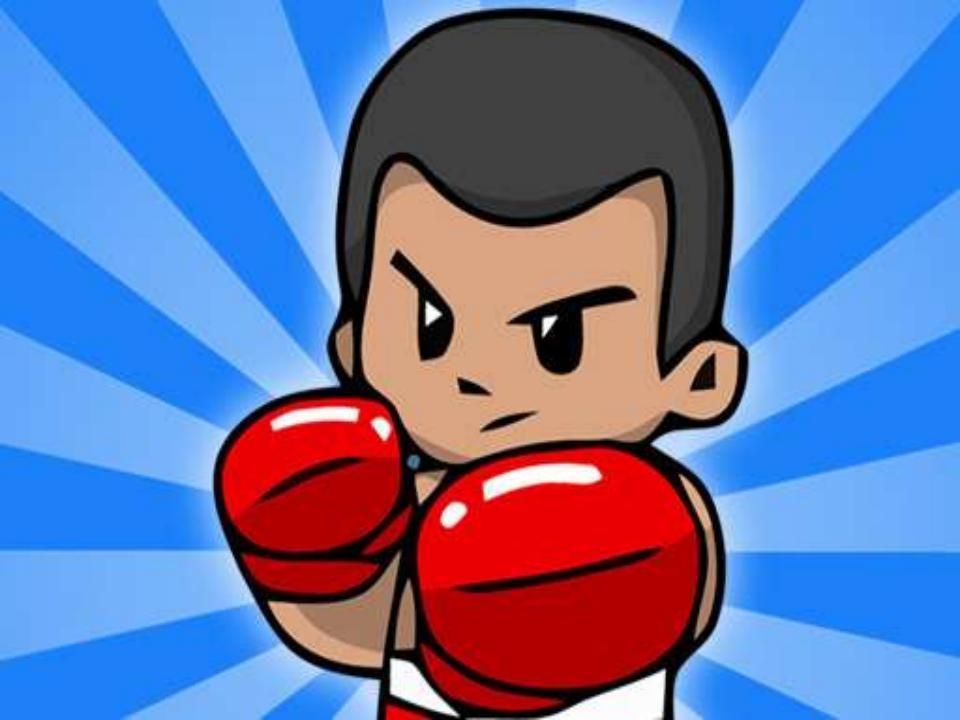
Punch Mini: Fierce Boxing Bouts
Game Introduction Step into the whimsical boxing ring for an electrifying showdown—transform into chibi boxer Nick-Joe and launch your quest for the championship title! The road to victory in this mini boxing tournament is packed with unique challenges: six elite ring fighters with extraordinary skills will step up one after another, each boasting a distinct fighting style, from lightning-fast strikes to steady, tactical brawls. Every clash is a thrilling contest of skill and reflexes. At its core, the game feat complicated button combinations required—master the basics quickly and unleash crisp, powerful strikes with ease. Whether you’re a newcomer or a casual gamer, you’ll dive right into the thrill of boxing duels in no time. Drawing inspiration from the timeless charm of 1980s classic arcade games, the title brings the vibrant ring world to life with adorable chibi art, and ultra-smooth motion animations make every punch, dodge and weave a visually dynamic experience, cranking up the fun factor of every round. Now, step onto this pint-sized boxing ring, smash through every challenge with precise punches, fight your way to victory in one epic duel after another, claim the ultimate tournament championship, and become the undisputed ring legend of the mini boxing world! Game Features 1. Whimsical Retro Visuals:Adopts adorable chibi-style art paired with the nostalgic design of classic 1980s arcade games. Smooth, fluid motion animations make every punch and clash a visually striking experience. 2. Streamlined & Easy-to-Master Controls:The combat system is built around three core boxing moves with simple and intuitive logic. No complex operations are needed, allowing new players to quickly master and land crisp combos. 3. Uniquely Characterized Opponents:Six distinct opponents take the ring, each with their own exclusive fighting techniques. Diverse combat styles deliver a rich and dynamic head-to-head experience every time. 4. Immersive Tournament Progression:Centered on the quest to win the boxing tournament championship, the game takes you from a rookie fighter to a title holder, with escalating challenges brimming with competitive fun and a strong sense of accomplishment. 5. Casual-Focused Fighting Gameplay:Blends the thrilling intensity of boxing with the ease of a casual game. Matches feature a brisk pace, perfect for enjoying quick ring duels in your spare moments. Gameplay and Controls Ultra-simple controls: Move left and right to adjust your position, block incoming attacks, and use three core punches flexibly to take on opponents with ease. Game Guide As a chibi boxing game that combines retro arcade charm with casual competition, Mini Boxing focuses on simple controls and fun battles. New players only need to master the core skills to get started quickly and compete for the tournament championship. This guide focuses on practical key points to help players clear levels efficiently, easily defeat the six opponents, and become the mini ring champion. Basic controls are the key to victory. No complex combos are needed—just fully grasp the three core moves. Move left and right to adjust your position and flexibly avoid the opponent’s frontal attacks; timely blocking can effectively reduce damage, but remember not to block for a long time, otherwise you may be counterattacked by a guard break. The three core punches each have their own focuses: light punches are fast, suitable for probing and consuming; heavy punches are powerful, suitable for seizing flaws to defeat the enemy in one hit; hooks can break the opponent’s defense, and matching them with light punches can form neat combos. New players are advised to first proficiently use single punches, then gradually try combos. The six opponents have distinct styles, and targeted response is the core of clearing levels. Agile opponents are fast but have low health—use positioning and pulling to avoid their rapid combos, and seize gaps to counterattack with heavy punches. Defensive opponents have strong resistance—use light punches to continuously consume them, and when their defense relaxes, break through the line of defense with a combination of hooks and heavy punches. Aggressive opponents have fierce moves but obvious wind-up—predict their actions in advance, dodge in time and counterattack quickly, and never fight head-on. Each opponent has an exclusive attack pattern; observing twice more will help you master the prediction skills. Advanced skills need to balance strategy and rhythm. Single matches have a brisk pace—avoid blind punches, reasonably allocate the timing of attacks and defenses. New players must not be greedy for attacks; after landing a set of punches, retreat in time to prevent being counterattacked by the opponent. The game recreates the feel of 1980s arcade games, with smooth movements and clear hit feedback. You can adjust your position by taking advantage of the gap after the attack wind-up to control the battle rhythm. Overall, this game balances competitiveness and casualness. No complex operations are required; the key lies in prediction and timing control. Practice basic combos more, familiarize yourself with each opponent’s fighting style, and flexibly use the combination of positioning, blocking and punches. You can easily break through levels one by one, defeat all opponents, win the tournament championship, and unlock all the fun of Mini Boxing.

Sumo Arena King: Epic Rumble Duels
Game Introduction Glory and peril collide in the heart of the sumo ring, where a young wrestler chases the ultimate dream of claiming the title of undisputed sumo ruler. This revered ancient sport is thrown into chaos when a legendary sumo star vanishes without a trace, shattering the peace of the arena. Digging into the mystery, you’ll strip away the pretense of fair competition, uncovering a dark conspiracy that’s rigging every match and tarnishing sumo’s sacred honor. Starting as a rookie, you’ll clash with fierce rivals in brutal bouts, rising through the ranks with every hard-fought victory. You’ll need to prove your strength in the ring, unravel the truth behind the shadowy plot, and stand guard over sumo’s proud legacy. Forge your path through every challenge, and carve your name into history as the one true King of Sumo. Game Features 1. Dual fusion of plot and competition: The journey to sumo supremacy is intertwined with a suspenseful conspiracy, with battles and puzzle exploration advancing in parallel for a more story-driven competitive experience. 2. Authentic sumo confrontations: Core sumo competition rules are recreated, centering on strength contests while balancing tactical timing for a pure ring duel experience. 3. Customizable character development: Craft your unique sumo wrestler, upgrade attributes and unlock skills through training and battles, with a clear growth path. 4. Progressive rank challenges: Climb from rookie arenas to top-tier rings, facing increasingly powerful opponents and unlocking diverse events and scenes for ultimate a sense of accomplishment. 5. Immersive arena experience: Recreate the sumo ring’s sense of ritual and ambient atmosphere, paired with realistic combat sound effects to boost competitive immersion. Gameplay and Controls 1. Basic Movement: Control your character to move around the ring, adjust your combat position, and seize offensive or defensive opportunities. 2. Charge & Strike: Build up your power gauge and release it after charging to unleash a powerful ram and suppress opponents. 3. Defend & Block: Trigger the block action to fend off opponents' ramming attacks and avoid self-damage. 4. Skill Cast: Fill the designated power gauge to unlock and cast unique skills, dealing massive combat damage. 5. Ring Victory: Push opponents out of the ring boundary or deplete their willpower gauge to win the match. Game Guide This guide to *King Of Sumo* is designed for new players to master the game quickly and rise to the top of the sumo world. It focuses on core gameplay and advanced tactics, cutting out redundant details to help you grasp the essence of sumo competition, climb the ranks efficiently, unlock legendary honors, and grow step by step from a rookie to the true King of Sumo. The key to getting started lies in combining character development with basic operation mastery. When creating your character, you can customize its appearance, and it’s best to allocate initial attribute points to strength and agility first. Strength determines your ramming and suppression power, directly impacting the damage of charged attacks, while agility boosts your movement flexibility and block reaction speed, which is crucial for evading opponents’ fierce assaults. You don’t need to pursue balanced development of all attributes in daily training; instead, concentrate resources on upgrading these two core stats and keep training consistently. This will quickly widen the gap with lower-tier opponents and lay a solid foundation for winning early tournaments. The secret to victory in each match is **edge-leading suppression and timing control**. Keep your basic movement flexible and avoid reckless attacks; the most effective winning strategy is to lure opponents toward the ring’s edge and restrict their movement with the boundary. Never overcharge your power gauge—short charges work for testing opponents’ reactions, while full charges should only be unleashed when you spot their flaws, such as the stiff recovery period after an attack or movement mistakes, to land a devastating ram. There’s no need to hold the block button nonstop; trigger it only when opponents are charging or casting skills to avoid unnecessary willpower loss. Unleash your unique skills when opponents are near the edge or low on willpower to maximize suppression and push them out of the ring in one strike. You need to adjust your tactics flexibly as you climb the ranks. Focus on familiarizing yourself with operations and accumulating wins in lower-tier tournaments, where opponents are less challenging—this is the perfect time to practice edge-leading and charge coordination. In higher-tier tournaments, opponents have more agile offense and defense, so observe their movement and attacking habits in advance to respond strategically: prioritize block and counterattacks against aggressive opponents, and feint attacks to trick defensive opponents into revealing their flaws. Additionally, review each match after it ends, adjust your attribute allocation based on your weaknesses, and optimize your skill-casting timing to balance offense and defense. This steady adaptation is the key to climbing the ranks and unlocking more advanced tournaments and game scenes. To sum up the core strategies: prioritize development in the early stage, focusing on strength and agility upgrades; emphasize tactics in matches, making the most of edge-leading suppression and timing control; and adapt flexibly as you advance, responding to different opponents with targeted strategies. Master these skills, stick to daily training and post-match reviews, and you’ll break through rank bottlenecks efficiently, uncover the conspiracy in the sumo arena, defend the honor of sumo, and ultimately claim the title of the true King of Sumo.
