
































Game News

Darts Joy: Interesting Bullseye Shots
Game Introduction Craving a casual yet thrilling way to unwind? Dive into a reimagined dart experience brimming with fresh fun and dynamic twists! Take aim at the dartboard and send your darts flying—your core goal is to land them in the target zones to rack up points, with the bullseye being the sweet spot for the highest scores you can get. Nail your shot right into the red zone, and you’ll instantly unlock five extra darts to keep your game going nonstop. Keep your focus sharp for the vibrant colorful balls scattered around too; hitting one triggers spectacular combo effects that supercharge your score tally, dish out bonus darts, and crank up the excitement with explosive bomb effects filling the screen. It’s classic dart fun elevated with all sorts of playful surprises, making every throw feel fresh and rewarding. Step up to the board, hone your aim, and see just how high you can push your score—this reimagined dart game is ready to keep you entertained for hours on end! Game Features 1. Classic Reimagined, Effortless to Master Centered on the classic dart-throwing gameplay with simple and easy-to-understand rules. Just aim and throw at the target areas to score points, with the bullseye offering the highest scores—beginners can quickly get immersed in the game. 2. Unique Scoring Mechanism for Extended Fun Land precise shots on the red zones of the dartboard to unlock five extra darts instantly. No need to worry about running out of darts, and enjoy the thrilling experience of continuous throwing to the fullest. 3. Colorful Ball Combo Effects for Max Fun Bright and colorful balls are scattered throughout the game. Hitting them triggers stunning combo effects, which not only boost your score significantly but also earn you extra darts. Explosive visual effects add more excitement to the gameplay. 4. Casual Gameplay for Spare Moments The overall gameplay is relaxed and stress-free, making it a perfect choice to kill spare time. Randomly appearing colorful balls and unexpected combo effects bring fresh fun to every throw, ensuring endless enjoyment. Gameplay and Controls 1. Slide the screen to aim at target areas and throw darts for points; the bullseye gives the highest score. 2. Hit the red zones to get extra darts and extend gameplay. 3. Strike colorful balls to trigger combo effects, boost your score and earn additional darts. Game Guide As a casual dart game that is easy to pick up and full of fun, the key to getting high scores in Interesting Darts lies in "combining stability and accuracy" — ensuring throwing precision while flexibly utilizing the game's unique mechanics to balance endurance and scoring efficiency. This guide is suitable for both new and advanced players, distilling core skills to help you quickly improve your performance and unlock the fun of the game. Basic operations are the premise of scoring, and no complex operations are required; the focus is on "stability". Slide the screen to adjust the aiming angle, and the sliding speed determines the throwing force. New players are advised to slow down, aim at the center of the target area before throwing, and avoid missing the target due to impatience. Keep the core rules in mind: the bullseye is the highest scoring area, and the closer to the center, the higher the score; prioritize accuracy before pursuing high scores. In the early stage, there is no need to forcefully aim for the bullseye; first, familiarize yourself with the basic throwing rhythm, develop a sense of feel and muscle memory, and reduce the error rate. Unique mechanics are the key to widening the score gap and extending game time, so be sure to use them flexibly. First, the red zone endurance skill: hitting the red zones of the dartboard accurately will immediately earn you 5 extra darts, which is the core of avoiding running out of darts and scoring continuously. New players can prioritize aiming for the red zones, and after accumulating enough darts, try to hit the bullseye for high scores, forming a virtuous cycle of "endurance - scoring". Second, the colorful ball combo strategy: the bright and colorful balls scattered on the field are the key to high scores. Hitting them will trigger stunning combo effects, which not only greatly increase your score but also earn you extra darts. Combined with explosive effects, it enhances the gaming experience while further expanding your advantage. It is recommended to observe the position of the colorful balls first before throwing, and reasonably plan the throwing order. You can hit the colorful balls first to trigger combos, then aim for the bullseye or red zones, and use the combo bonus to double your score. Advanced tips and pitfalls to avoid: avoid blindly pursuing the bullseye — missing the target will waste darts, which is not worth it; maintain a calm attitude, do not be impatient if the combo is interrupted, and adjust the aiming angle in time to start over; practice frequently in your spare time to familiarize yourself with the corresponding relationship between throwing force and angle, and improve accuracy. Summary: This game does not require complex strategies; the core is "stable and accurate throwing + skillful use of mechanics". New players start with red zone endurance and ensuring accuracy, while advanced players focus on optimizing the rhythm of colorful ball combos and bullseye strikes. With consistent practice, you can gradually improve your score and enjoy the excitement and sense of accomplishment of dart throwing.
Golf Joy Fun: Casual Swing Mastery
Game Introduction Step onto the fun course of Fun Golf and take on an escalating golf swing challenge! The holes scattered across multi-level courses are your ultimate goal—every swing demands a precise balance of angle and power to send the ball flying straight toward the target. Cunning obstacles lurk all over the course; a single moment of carelessness will send your ball off track and make you miss the chance to sink a putt. Hone your golfing skills to perfection, master the rhythm of every aim and swing, break through the trials of each challenging level, unlock more difficult courses step by step, and become a true golf ace who excels at Fun Golf! Game Features 1. Multi-level 3D Course Design Holes are scattered across the 3D course with different floors, breaking the limitations of traditional 2D golf gameplay and bringing an all-new spatial hitting challenge. Every aim requires careful planning of both the course layers and the ball's trajectory. 2. Tricky & Fun Obstacle Layouts Creative obstacles are spread all over the course, which will interfere with the ball's flight and rolling path at any time. You need to flexibly adjust your strategy when hitting the ball, bypass obstacles to find the right trajectory, and fill the level challenge with unexpected fun. 3. Lightweight & Easy-to-Master Controls The core swing and aiming mechanics are simple and intuitive. No professional golf knowledge is required to get started quickly, making it perfect for fragmented casual play—beginners can easily enjoy the fun of hitting the ball too. 4. Progressive Level Difficulty The difficulty of levels rises gradually with your gameplay progress, from basic multi-level hitting to advanced challenges with complex obstacle combinations. Unlock new trials step by step, polish your skills, and gain a strong sense of accomplishment from clearing each level. 5. Realistic Physics-Based Hitting Feedback The force and angle of your swing directly affect the ball's flight path and landing spot, faithfully recreating the core physical logic of golf. Every slight adjustment to your swing will lead to a completely different hitting result. Gameplay and Controls 1. Swipe the screen to adjust your hitting direction and aim at the target hole. 2. Drag to control swing power and master the force to avoid mistakes. 3. Release your finger to strike the ball and send it rolling toward the hole. 4. Avoid course obstacles to prevent the ball from straying off track. Game Guide Fun Golf centers on multi-level 3D courses and fun obstacles. Its gameplay is simple yet full of strategy. Beginners only need to master aiming, power control, and obstacle response skills to clear levels quickly and unlock advanced stages. This guide focuses on core gameplay, refines practical skills, helps players get started fast, and easily become golf aces. It fully fits the game’s feature of being light and casual but emphasizing skills, suitable for all types of players. Core for Beginners: Master Basic Operations Precisely. When swiping the screen to adjust your shot direction, there’s no need to aim perfectly at the hole. You can slightly deviate according to the course layers and predict the ball’s rolling trajectory — for upper-floor holes, raise the aiming angle appropriately to reserve space for the ball to fall; for lower-floor holes, lower the angle to avoid the ball flying out of the course due to excessive force. Power control is key. Beginners are advised to drag the screen slightly (1/3 of the full range) to first ensure the ball does not deviate from the track. After getting familiar, gradually increase the force according to the distance between the ball and the hole, and avoid mistakes caused by blind dragging. Obstacle Response Skills: Avoid Flexibly and Use Force Cleverly. Tricky obstacles in the course are the key difficulty in clearing levels. When encountering blocking obstacles, aim around the edge of the obstacles, control the force to make the ball roll smoothly, and avoid frontal collisions; when encountering bouncy obstacles, you can use physical feedback, slightly adjust the angle, and use the rebound force to send the ball to the hole, reducing the number of shots. At the same time, remember that avoiding obstacles takes priority over pursuing quick hole-in-ones. If necessary, you can hit the ball twice to ensure it is always on a controllable trajectory. Advanced Clearance Strategy: Plan the Ball Path and Progress Gradually. As levels increase, the course layers become more complex and obstacles more dense. At this time, you need to plan the ball path in advance, first observe the hole position and obstacle distribution, and determine the best shot route. Use the game’s realistic physical feedback to fine-tune the force and angle according to the course slope — for example, reduce force when going downhill and increase it appropriately when going uphill. Review in time after failing each level, remember the obstacle positions and ball path deviations, practice repeatedly to polish your skills, and gradually unlock more difficult courses. Key Summary for Clearance: The core of Fun Golf is "precision" and "patience". There’s no need to pursue professional skills; you only need to proficiently master the basic operations of aiming and power control, flexibly respond to various obstacles, and take both course layers and ball path planning into account. Beginners practice step by step from basic levels, develop a feel for hitting, avoid common mistakes, and can easily break through numerous challenges, enjoy the fun of clearing levels with fun swings, and quickly grow from a beginner to an experienced player who excels at Fun Golf.
Glide 3D Frisbee: Ultimate Aerial Fun
Game Introduction Step into the awesome world of Frisbee 3D! Launch your frisbee with a simple tap, then swipe left or right to steer its flight through the sky with total control. Weave through floating rings, dodge tricky obstacles and towering trees, and nail the perfect aim for the target basket to unlock brand-new levels. Each stage cranks up the challenge with fresh hurdles and tougher obstacles—stay sharp, master your flight path, and dive into endless 3D frisbee flying fun! Game Features 1. Extremely easy-to-master controls : Launch the frisbee with a simple tap and adjust its direction by swiping to take full control of the flight path, with no complicated operation barriers—jump into the game quickly during your leisure time.2. Immersive 3D flying experience : Expansive aerial scenes built with a 3D perspective and smooth frisbee flight animations deliver a realistic feeling of gliding and steering through the air.3. Progressive level challenges : The difficulty ramps up step by step as you progress, with a brand-new obstacle layout unlocked in each level, testing your ability to plan flight paths and react on the spot.4. Diverse level objective design: Integrates multiple tasks including weaving through floating rings, dodging obstacles and aiming accurately for the basket, making each level both fun and goal-oriented.5. Lightweight casual gameplay : No tedious rules or development systems, with a relaxed level-clearing rhythm. The game can be paused and resumed at any time, perfect for fragmented gaming moments. Gameplay and Controls Tap to launch the frisbee and swipe left or right to steer its flight. Weave through floating rings, dodge obstacles, aim for the basket and unlock new levels. Game Guide Frisbee 3D is centered around relaxing and stress-relieving 3D frisbee level-breaking. It is easy to get started, but to successfully unlock all levels and clear them efficiently, you need to master control skills and level-breaking strategies. This guide focuses on the core gameplay and helps players get started quickly from three dimensions: control, level-breaking, and pit avoidance, allowing you to easily handle every flying challenge while balancing fun and clearance efficiency, suitable for all types of casual players. Core control is the foundation of clearing levels, and accurately mastering the frisbee's trajectory is the key. The game's operation is extremely simple: tap the screen to launch the frisbee, and swipe left or right to adjust the flight direction. However, you need to avoid two common mistakes: first, there is no need to use too much force when launching— a light tap can ensure the basic flight distance; excessive force can easily cause the frisbee to lose control and miss the floating rings. Second, you need to predict the direction in advance when steering, avoiding sudden swiping to change direction when approaching obstacles, otherwise the frisbee will deviate from the track and collide with trees or obstacles, resulting in failure. It is recommended that new players first practice "light launch, slow steering" to familiarize themselves with the gliding rhythm of the frisbee from a 3D perspective and cultivate hand-eye coordination. Level-breaking strategies need to fit the progressive difficulty design to break through levels step by step. In the early levels, obstacles are sparse and rings are concentrated. The focus is to pass through all floating rings first, then aim for the basket. This not only ensures the foundation for clearing levels but also cultivates the ability to plan flight paths. As the levels progress, the density of obstacles increases, with trees and various obstacles scattered. You need to observe the scene in advance and plan the optimal flight path. You can use the skill of "gliding low to avoid high obstacles and flying high to cross dense obstacles" to flexibly adjust the frisbee's height. At the same time, the position of the basket in each level is relatively fixed, so you can remember its approximate location to reduce the number of adjustments in the later stage. The pit avoidance guide can effectively improve clearance efficiency and reduce ineffective attempts. Avoid swiping the screen frequently—excessive direction adjustment will cause the frisbee to lose balance. Do not ignore hidden low-altitude obstacles; some levels have short obstacles that require extra attention when flying low. Do not be eager for quick success; when encountering difficult levels, you can try multiple times, summarize the law of obstacle distribution, and gradually optimize the flight path. In addition, the game focuses on lightweight casual gameplay, so there is no need to pursue quick clearance. With more practice in fragmented time, you can master the skills proficiently. In general, Frisbee 3D does not require complex operations or cumbersome strategies. The core lies in "accurate control + reasonable planning". Master the skills of light launch and slow steering, plan the path according to the characteristics of the level, avoid common mistakes, and you can easily unlock all levels, enjoy the fun of 3D frisbee flying to the fullest, and gain a stress-relieving experience in your leisure time.
Crash Rush Football: High Octane Soccer Clashes
Game Introduction Evade opposing defenders, charge forward and rack up touchdowns nonstop! This high-octane football game delivers silky-smooth animations and intuitive one-touch controls, packing endless fun into every fast-paced play. Game Features 1. Intuitive one-touch controls with zero learning curve, master all on-field moves effortlessly with your fingertips2. Ultra-smooth animation effects, delicate and natural offensive and defensive movements for a comfy gaming experience3. Fast-paced thrilling gameplay – evade defenders’ blocks, sprint at full speed and score thrilling touchdowns4. High-octane on-field crash and confrontation, immersive football action with explosive competitive vibes5. Unlimited score-chasing challenges, keep breaking your touchdown records and unlock more on-field fun Gameplay and Controls Swipe left/right or use arrow keys to dodge defenders . Keep sprinting forward to score touchdowns and challenge high scores . Game Guide As a fast-paced and exciting football game, the core gameplay of Football Crash is to dodge defenders and sprint for touchdowns to score points. Although the operation seems simple, you need to master certain skills to achieve high scores. Combining game mechanics and practical experience, this guide will help you get started quickly, easily refresh your touchdown records, and unlock the ultimate competitive fun from beginner adaptation, core skills to high score secrets. Adapt first when starting out, and control feel is the foundation. The game adopts simple one-touch controls; you can control the player's movement by swiping left/right on the screen or using the arrow keys, with no complicated operations and zero learning curve. For beginners, it is recommended to first familiarize yourself with the control sensitivity to avoid mistakes caused by excessive sliding amplitude—light swipes can complete small displacements to accurately dodge a single defender; large swipes are suitable for quickly changing routes to avoid dense defensive formations. Gradually form muscle memory to lay the foundation for subsequent score chasing. The core skill is prediction, not passive evasion. Although the appearance of defenders in the game is random, it generally follows a certain pattern and will not block without rules. During actual combat, you need to keep an eye on the front field at all times, observe the movement direction and spacing of defenders, predict their positions in advance, and take the initiative to adjust your route instead of sliding hastily when defenders approach. If you encounter dense blocking by multiple players, prioritize breaking through the gap with a larger spacing to avoid failure caused by forced collision. Rhythm control + reasonable collision to improve scoring efficiency. The faster the game rhythm, the higher the touchdown score, but avoid blind sprinting. It is recommended to maintain a rhythm of "steady sprint + smart evasion". While sprinting, keep an eye on the dynamics of defenders. When encountering a single defender, you can use the collision mechanism to quickly break through the defense line; when encountering dense defense, slow down the rhythm and patiently look for opportunities to break through. After each touchdown, the game difficulty will increase slightly. At this time, you need to adjust your state in time to avoid operational mistakes caused by impatience. The high score secret lies in reducing mistakes and maintaining continuous endurance. To refresh high scores, the key is not the speed of a single touchdown, but the number of consecutive touchdowns. Beginners do not need to pursue a fast rhythm at first; prioritize ensuring the accuracy of each operation and reducing unnecessary mistakes. After becoming proficient, you can try consecutive sprints, use smooth animation transitions to quickly break through one defense line after another, and accumulate consecutive touchdown bonuses. At the same time, stay highly focused throughout the process to avoid missing evasion opportunities due to distraction and steadily increase the score ceiling. In summary, the core of this game is "prediction + rhythm + precise control". No complex tactics are needed. Mastering the above skills allows beginners to get started quickly and experienced players to further break through the high score bottleneck. Practice more, review mistake points more, and internalize evasion skills into conditioned reflexes. Then you can charge all the way in the Football Crash field, get more touchdowns, and become a field champion.

Epic Drive Sports: Nonstop Ahead Racing Action
Game Introduction Gear up for a one-of-a-kind pixel sports showdown in Drive Ahead! Sports! Climb behind the wheel of outrageous, wild rides and dive headfirst into lightning-fast soccer showdowns. Blend the adrenaline rush of high-speed driving with the pure fun of soccer action—steer, boost, and use your driving skills to nudge the ball, blast past opponents, and smash it into the goal. Outdrive, outplay, and race your way to ultimate victory in every epic match! Game Features 1. Pixel-style racing combined with diverse sports gameplay—unlock creative competitive modes like soccer, basketball and ice hockey. Replace traditional sports controls with racing maneuvers for a one-of-a-kind arena showdown experience. 2. Dual single & multiplayer modes available: play local split-screen battles with friends or tackle solo levels and missions, perfect for both casual fun and competitive thrills. 3. Unlock a variety of unique vehicles, each with distinct stats in speed, weight and maneuverability to match different on-field strategies. 4. Physics-engine driven vehicle controls deliver fast-paced, intense arena confrontations—experience thrilling competitive action in short, exciting matches. 5. Seasonal tournament gameplay: join epic sports races and compete for exclusive rewards including limited-edition skins and vehicle customizations. 6. Simple, easy-to-master touch controls let new players pick up the game quickly, balancing casual playability with competitive excitement. 7. Dynamic arenas with fun interactive obstacles: random barriers and challenging traps in select modes add unexpected twists to every match. 8. Customize your characters and vehicles with unique skins and exclusive cosmetic items to create your one-of-a-kind on-field style. Gameplay and Controls Control the vehicle to move and steer flexibly, adjusting your position to aim at the target. Trigger jump/collision actions to accurately head the ball and break through the opponent's defense. Avoid obstacles on the field and score the ball into the opponent's goal to win. Game Guide Drive Ahead! Sports has won numerous fans with its pixel-style racing combined with diverse sports competition, featuring fast-paced confrontations and flexible controls. This guide focuses on core gameplay, covering vehicle selection, operation skills and pitfall avoidance tips, helping beginners get started quickly, win easily, and balance casual experience with competitive fun. Vehicle selection is crucial for beginners. Different models are suitable for different tactics, so there’s no need to blindly pursue rarity. For beginners, it’s best to choose vehicles with flexible control and moderate speed. These vehicles have a high fault tolerance, making it easy to master steering and ball-heading rhythm, which is suitable for getting familiar with the control feel brought by the physics engine. After advancing, you can unlock heavier vehicles, use their advantages to hit opponents and seize positions, or choose high-speed vehicles for quick counterattacks, switching flexibly according to the field situation. Core operation skills are the key to winning. No complex operations are needed—just grasp the timing accurately. When controlling the vehicle, avoid frequent steering, get in position before exerting force, and use jump or collision actions to head the ball accurately. This can not only break through the opponent’s defense line but also prevent your own vehicle from tipping over. In confrontations, learn to predict the opponent’s movement, adjust the vehicle direction in advance to seize control of the ball, and at the same time use the field terrain to avoid random obstacles and dangerous mechanisms, reducing mistakes. Competitive strategies need to be flexible, balancing offense and defense. On offense, prioritize guiding the ball toward the opponent’s goal. You can use vehicle collisions to make the ball rebound into the net, improving scoring efficiency. On defense, you can block between the ball and your own goal to stop the opponent’s advance, and use collision actions to interfere with the opponent’s rhythm when necessary. In single-player mode, you can focus on clearing levels and familiarizing yourself with the rules of different sports modes; in multiplayer battles, you need to pay attention to on-the-spot adaptability and adapt to your teammates’ tactics. Pitfall avoidance tips cannot be ignored: do not rush blindly to avoid the vehicle rushing out of the field; control the strength when heading the ball to prevent the vehicle from losing balance due to excessive force; in seasonal tournaments, allocate your energy reasonably. Participating in events can unlock exclusive skins and rewards, enhancing the gaming experience. The core of this game is "control + strategy". As a beginner, you can quickly improve your strength by practicing more to get familiar with the feel, understanding vehicle characteristics, and mastering prediction and timing skills. There’s no need to pursue extreme operations—enjoying the dual fun of high-speed competition and sports confrontation is the charm of this game.
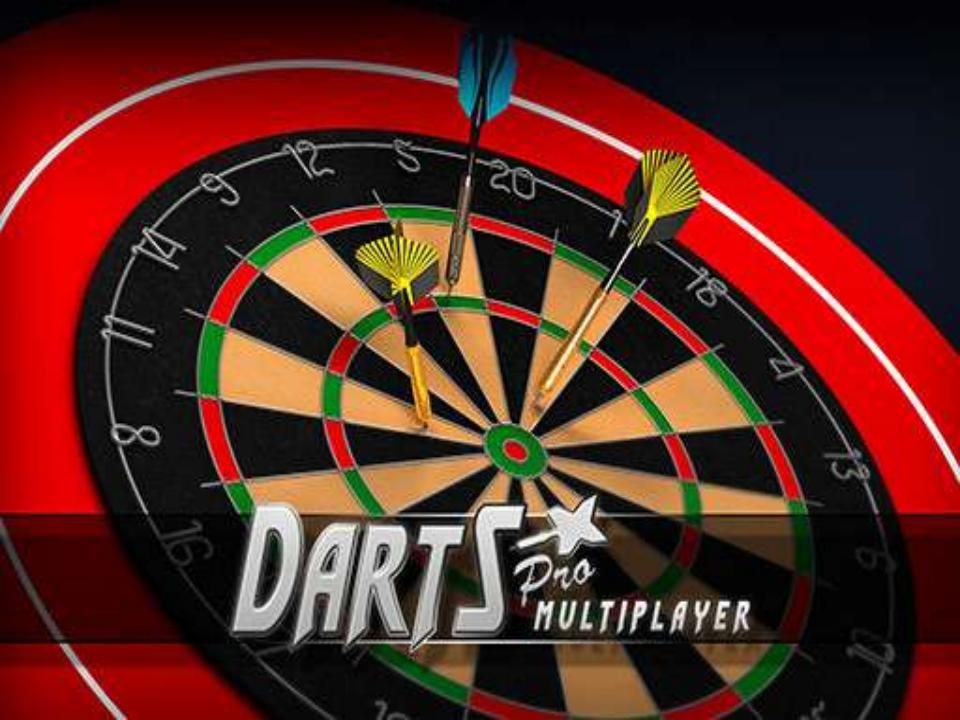
Pro Darts Aim: Precision Shot Mastery
Game Introduction Step into the classic pub dart fun right on your screen with Darts Pro Multiplayer, a sleekly crafted HTML5 sports game! Unlock three thrilling play modes to suit every mood: put your dart skills to the test against the AI, challenge a friend to a lively match on the same device for local fun, or go head-to-head with dart enthusiasts from all over the world for the ultimate competitive experience. Game Features 1. Adheres to professional darts competitive rules and recreates the classic core 501 gameplay, easy to pick up yet full of scoring strategies, balancing casual fun and competitive thrill 2. Features three distinctive game modes to cover all play needs: polish your skills solo, play against AI, or enjoy local head-to-head battles with friends on the same device, perfect for different gaming scenarios 3. Boasts an accurate physics-based throwing system that highly restores the real flight paths and hit feedback of darts, with every throw testing your aiming and operating skills 4. Supports free vertical and horizontal screen adaptation, with HD visuals automatically fitting various device screens for a comfortable and smooth visual and operational experience 5. Has a minimalist and smooth game interface design with intuitive and straightforward control logic, letting you easily experience the classic fun of pub darts Gameplay and Controls Aim: Move your mouse o r finger to target the desired area on the dartboard. Charge: Press and hold the left mouse button or drag on the screen to adjust throwing power. Throw: Release to launch the dart and score points based on where it lands. Win: Follow the classic 501 rules and reduce your score to exactly zero to win. Game Guide As an HTML5 sports game that recreates the classic fun of pub darts, Darts Pro Multiplayer centers its core gameplay around the classic 501 rules, balancing casual and competitive elements. Mastering precise operations and rationally using scoring strategies can quickly improve your winning rate and help you easily unlock the joy of the game. This guide comprehensively helps players improve their skills from basic operations and core strategies to practical pitfalls, adapting to various gaming scenarios. I. Advanced Basic Operations: Lay the Foundation for Scoring The game’s operations are simple, but details determine accuracy. In the aiming phase, follow the "three-point line" principle: align your line of sight, the tip of the dart, and the target area. Prioritize aiming for high-scoring areas of the dartboard (such as the 20-point wedge). New players can first fix their aim on single-point areas; after becoming proficient, try double and triple areas to improve scoring efficiency. When charging, press and hold the left mouse button or drag the screen with even force to avoid trajectory deviation due to excessive force. It is recommended to fine-tune the force according to the aiming distance to form muscle memory and ensure consistent force for each charge. At the moment of throwing, release smoothly at the highest point of arm extension, keep your wrist relaxed to avoid stiff force, which reduces the probability of dart deviation. Deviations in release timing will directly affect hit accuracy and require repeated practice to calibrate. II. Core 501 Strategies: Efficient Score Control to Win The game follows the classic 501 rules: players start with 501 points and deduct points successively. The first player to reduce their score to exactly 0 with the last dart hitting a double area wins. Busting (hitting a score exceeding the remaining points) makes the current round’s score invalid. At the start, it is recommended to prioritize aiming for the 20-point triple area; a single hit can earn 60 points, quickly widening the score gap. In the mid-game, flexibly adjust your target: if you miss a high-scoring area, switch to 19-point or 18-point areas to avoid scoring zero, and avoid hard-to-triple-out scores such as 159 and 162. When the remaining score is less than 100 in the late game, calculate scores accurately, prioritize easy-to-hit double areas (such as 10-point and 15-point double areas), and avoid busting due to miscalculations. New players can first practice aiming at double areas when the remaining score is even to reduce the difficulty of winning. III. Practical Skills and Pitfall Avoidance Guide In the single-player skill polishing mode, focus on practicing aiming accuracy. It is recommended to fix your aiming point and repeatedly practice the connection between charging and releasing to gradually improve the hit rate of double and triple areas. When playing against AI, observe the AI’s throwing rules and seize the opportunity to catch up when it makes mistakes. Common pitfalls to avoid: avoid blindly pursuing high-scoring areas at the expense of hit rate; new players should first ensure each dart scores. Keep your body stable when throwing to avoid dart deviation left or right due to body tilt. If the dart is too high, delay the release timing; if it is too low, appropriately increase the charging force. With consistent practice and proficient mastery of force control and score calculation skills, you can gradually improve your winning rate and easily experience the fun of darts competition.
Precision Darts More: 501 Target Throws
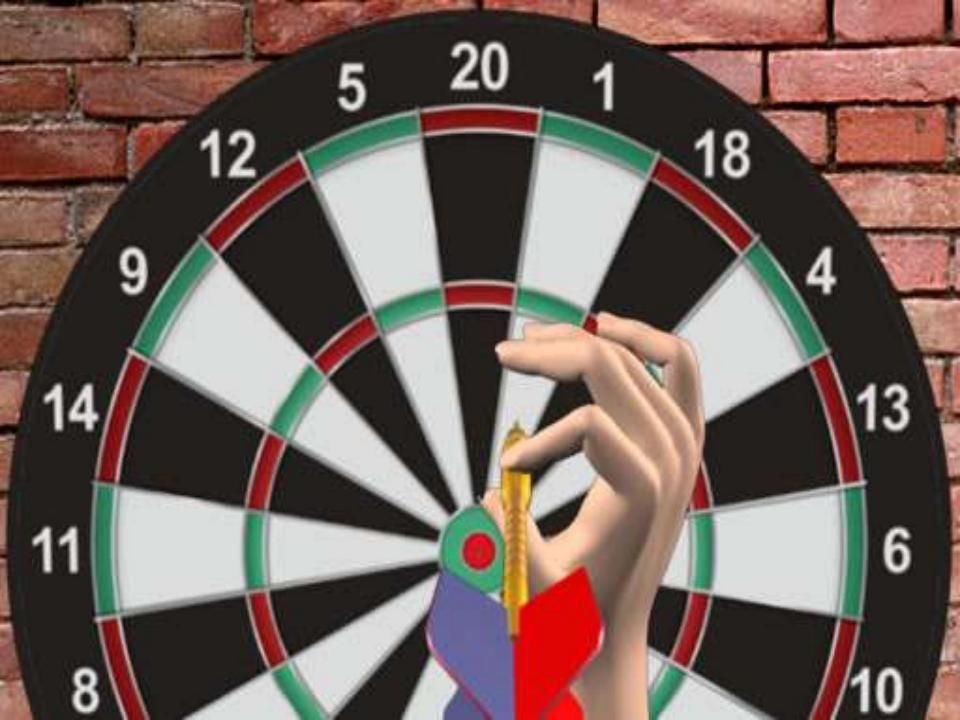
Game Introduction Step up to the oche and lock in your aim for nonstop darts thrills! Go head-to-head with a friend in the iconic 501 darts showdown, or push your precision to the absolute limit with the high-octane 9-dart challenge. Battle it out one-on-one with a buddy for ultimate bragging rights, or compete on the global stage in world tournaments against sharp, crafty AI opponents of all skill levels. Whether you’re a seasoned darts pro with a flawless bullseye streak or a brand-new player just mastering your throw, every round is your chance to line up the perfect shot and claim the win! Game Features 1. Classic 501 darts core gameplay with double-out rules, balancing throwing precision and scoring strategy 2. Diverse dart challenge modes, including the thrilling 9-dart finish, unlocking more fun dart showdown formats 3. Versatile real-time battle experience, supporting 1v1 duels with friends, global tournaments and competitions against intelligent AI opponents 4. Newbie-friendly and easy to pick up, while veteran players can polish their throwing skills to advance, offering competitive fun for all skill levels 5. Realistic physics throwing feedback, recreated dart flight trajectories and bullseye hit feel for an immersive experience 6. Play anytime with no entry barriers, no complicated operations, and easily enjoy the tension and excitement of dart sports Gameplay and Controls 1. Swipe the screen to adjust your aiming angle and target the bullseye or desired score zone. 2. Tap the screen to throw; the system automatically calculates scores and subtracts from your total. 3. Finish on a double zone and accurately reduce your total score to zero to claim victory. Game Guide This guide is suitable for players of all skill levels, focusing on the core gameplay of 501 and tips for various modes. It helps you get started quickly and improve your winning rate, balancing operational simplicity and strategy, and fully aligns with the game's real physical feedback and combat mechanics. Key Points for Beginners: Prioritize mastering basic operations and stable scoring logic. When swiping the screen to adjust your aiming angle, avoid the edge areas of the dartboard and focus on the 20-point single or double zone first. Keep your hand speed steady when tapping to throw, and use the game's real physical trajectory feedback to gradually find your rhythm. There's no need to pursue high-multiplier zones; first ensure stable scoring per round and avoid missed darts or busts — remember the core rule: you need to finish on a double zone and reduce your total score to zero to win. Beginners can practice the double 20 and double 16 zones first, as these two zones have a higher fault tolerance, and even if you miss, you'll be left with even points that are easy to finish with. Core Strategy for 501: Reasonably plan your scoring and finishing rhythm. In the early stage, you can aim for the 20-point triple zone to speed up score reduction and narrow the total score gap efficiently, but you need to reserve a reasonable finishing score. Prioritize keeping the total score within 100 points and ensure the remaining score is even to facilitate finishing with a double zone hit. For example, when you have 50 points left, you can choose a single 10-point + double 20-point; when you have 68 points left, prioritize aiming for a single 18-point + double 25-point to avoid getting stuck with a score that can't be finished on a double zone. Tips for Adapting to Multiple Modes: The 9-dart challenge requires extreme precision. Prioritize locking in the 20-point triple zone, strive for maximum scoring per round, and reserve finishing space at the same time, avoiding blindly rushing for the bullseye. In 1v1 duels with friends and AI competitions, adjust your strategy flexibly. When facing strong opponents, you can adopt a defensive playstyle, prioritizing disrupting the opponent's finishing rhythm rather than simply pursuing high scores. Advanced and Pitfall-Avoidance Points: Veteran players can refine their triple zone hit rate to improve score reduction efficiency, and at the same time remember common finishing score combinations to reduce the thinking time before throwing and maintain the game rhythm. Key points to avoid pitfalls: Do not blindly pursue the bullseye; the bullseye has a small area and low fault tolerance, so there's no need to aim for it in non-finishing stages; avoid throwing blindly without calculating the score to prevent busts and wasted rounds; you can use the practice mode daily to familiarize yourself with the scores of each zone and improve aiming stability. Summary: The core of the game lies in "precision + strategy". Beginners should play steadily to practice their rhythm, while veterans should optimize their rhythm to improve efficiency. Master the double zone finishing skills proficiently, balance scoring speed and fault tolerance, and you can win stably in various modes and easily enjoy the fun of dart competitions.

Epic Cricket Cup: World Championship Game Play
Game Introduction Lace up for cricket’s biggest stage and compete for the sport’s most coveted trophy in this dynamic World Cup simulation! Steer your national cricket team through nail-biting matches against the globe’s top squads, craft sharp, opponent-specific strategies to outplay rivals, and feel the unbeatable rush of high-stakes cricket action with every over bowled and every run scored. This authentic take on the World Cup masterfully brings the thrill of international cricket to life, putting your tactical smarts and on-field decision-making to the test at every turn. Every play counts, every strategy defines your fate—outthink, outplay, and lead your nation to cricket immortality as you claim the ultimate World Cup glory. Game Features 1. Choose from all official World Cup national teams, build your exclusive squad at will, and take on the world's top cricket teams in the quest for the championship trophy. 2. Immersive stadium recreation paired with realistic match sound effects, recreating the professional competitive atmosphere and tournament experience of the World Cup level. 3. Highly flexible tactical customization – adjust your lineup and formation for different opponents, and control the game rhythm with on-the-spot decisions. 4. Realistic cricket physics engine that restores professional batting, bowling and fielding movements, fully complying with official tournament rules. 5. Rich World Cup-exclusive game modes, including multi-innings duels and progressive knockout stages, to unlock a variety of competitive challenges. 6. Streamlined control design with intuitive batting and bowling mechanics, allowing new players to quickly pick up and enjoy the thrill of competition. Gameplay and Controls 1. Batting: Aim the direction, time your hit perfectly to strike the ball and run for runs. 2. Bowling: Adjust the delivery position and power, then release to bowl. 3. Fielding: Drag fielders to the target position to intercept the ball and prevent runs. 4. Game Start: Select your team, determine the batting order, and begin the match. Game Guide This guide focuses on the core gameplay and practical skills of the game, catering to both new players and those looking to improve. It helps players quickly grasp the rhythm of the tournament and lead their national team to win the World Cup. The content is fully aligned with the core features of the game, concise and practical, highlighting key points to help players efficiently improve their competitive ability and easily cope with various tournament challenges. Preparation is the foundation of victory. The game offers all official World Cup national teams. New players are advised to prioritize teams with balanced strength, focus on selecting core players good at batting and bowling, and reasonably determine the batting order. Avoid blindly choosing star players while ignoring lineup adaptability. Before the game, you can briefly familiarize yourself with the players' skills and initially plan tactics according to the opponent's characteristics to lay the foundation for the subsequent game. Precise control of core operations is the key to scoring and defending. When batting, aim at the direction of the ball, time your hit perfectly to swing, prioritize steady batting methods to accumulate runs, and avoid blind force that leads to mistakes. After getting familiar with the rhythm, you can try flexible batting angles to improve scoring efficiency. When bowling, adjust the bowling position and power according to the opponent's batting habits, flexibly switch bowling types, and put pressure on the opponent through accurate bowling to create out opportunities. When fielding, quickly drag fielders to key positions, focus on intercepting boundary balls and potential running routes, and make timely substitutions to reduce the opponent's scoring space. Practical tactics are the core of winning. During the game, you need to flexibly adjust your tactics. Facing a lineup with strong batsmen, focus on defensive layout, shrink the defense line and strengthen interception; facing a team with weak bowlers, you can take the initiative to attack and speed up the scoring rhythm. In multi-innings duels, reasonably allocate physical strength and offensive intensity, start steadily to build an advantage, control the game flexibly in the middle, and adjust tactics decisively according to the score gap in the later stage—either sprint for runs with all your strength or consolidate defense to lock in the victory. Advanced Tips: New players can first familiarize themselves with operations and tactics through basic tournaments, and gradually unlock advanced challenges; pay attention to team cooperation and avoid over-reliance on core players alone; adjust tactics according to real-time game situations and do not stick to fixed plans. Mastering the above skills will allow you to steadily improve your competitive level and successfully lead your national team to the top of the World Cup.
