












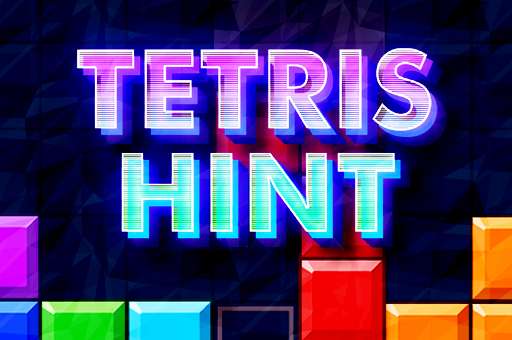
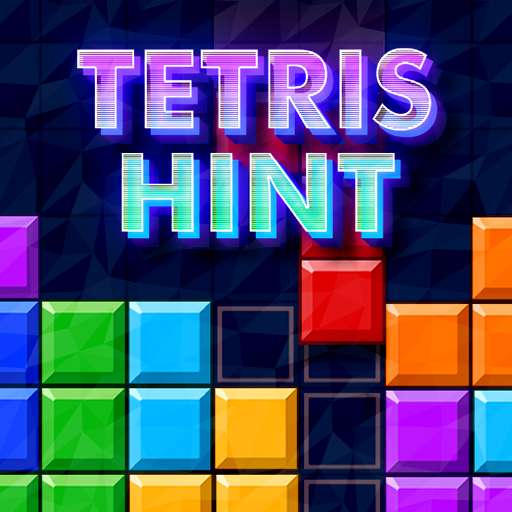
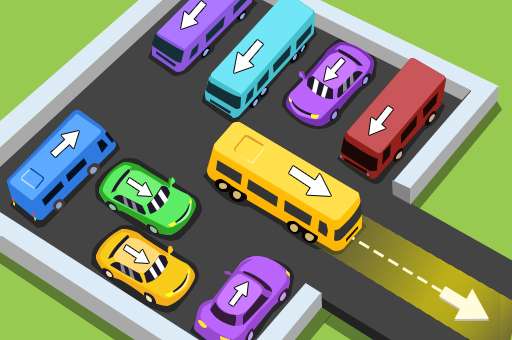
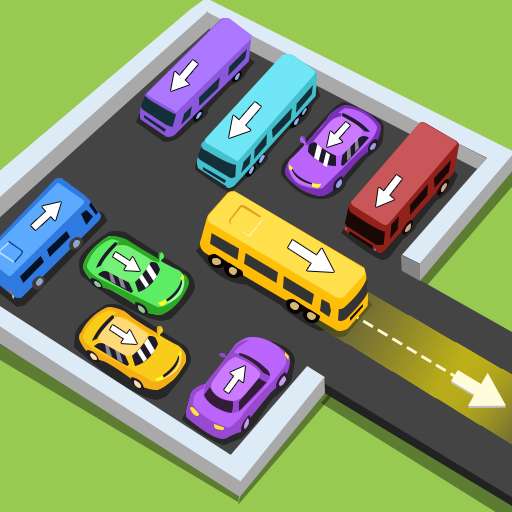



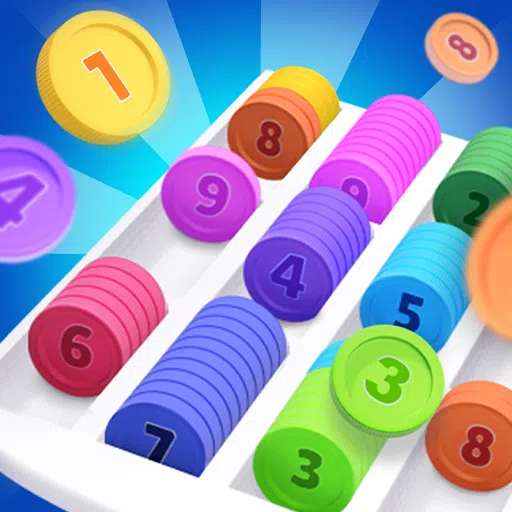

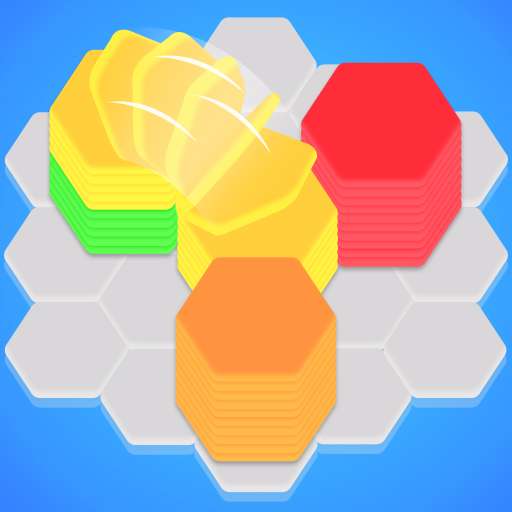


Welcome to Blocks and Car, a fun and casual puzzle game that blends classic Tetris block-clearing action with colorful passenger matching! As different shaped blocks appear on the board, you’ll clear them just like in Tetris. When blocks disappear, matching passengers are created and move to the waiting area. Your job is to guide each passenger to the right bus and keep everything running smoothly. With easy controls and tricky strategic challenges, it’s a perfect pick for players of all ages!
Blocks and Car-Free online casual games

{{ searchType === '1' ? '🎮' : '📄' }}
{{ item.title || item.value }}
{{ item.desc }}

Account
ID: 1961177
 Switch Account
Social Linkage
 Google
Link
 Facebook
Unlink
Link
 Apple
Apple
Unlink
Link
Delete Account
Share this game

copy
Switch Account
Google
Facebook
Apple
Blocks and Car
Blocks and Car
Blocks and Car is a delightful Adventure,Puzzle game—your perfect choice for casual entertainment during downtime!
Browser Game
Free to Play
No Download
IOS,Android,Windows,Mac
Adventure, Puzzle

Quick browser gameplay with no installation required.
8+
Rate
Top Charts
No.
0
 0
Like
0
Like
 0
Dislike
0
Dislike
 Add to favorites
 Share
Share
 Fullscreen
Related Articles
View All
Quick Facts
Platform
Play instantly in your browser with no installation required.
Best For
Players looking for quick, low-friction game sessions online.
Category
Adventure, Puzzle
Access
Free to play and easy to try right away.
Game Info
Game name:
Blocks and Car
Rating:
Developer:
SKY HIGH STUDIO
Category:
Adventure,Puzzle
Age Rating:
8+
Languages:
English
Platforms:
IOS,Android,Windows,Mac
Technology:
HTML5
About This Game
Read more
How to Play
Tap or swipe to place and move blocks. Clear rows in Tetris-style fashion. Match passengers with the correct buses. Plan your moves to avoid overcrowding.
Read more
Why Players Like It
- Easy to start in a browser without installation.
- Good for short play sessions and casual breaks.
- Simple access across common desktop browsers.
- Works well for players who want quick online gameplay.
Who This Game Is For
- Players who want lightweight browser games.
- Users looking for quick, accessible gameplay sessions.
- Casual players who prefer instant play and low friction.
We use cookies for content recommendations, traffic measurement, and personalized ads. By using this website, you agree to the
Privacy Policy
and
Cookie Policy.
Comments
Total Comments: 0