













Guide
Craft Number Guide: Tips and Tricks for Merging Your Way to the Target
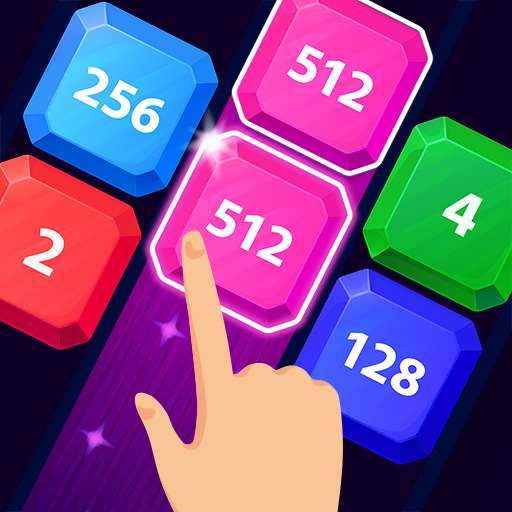
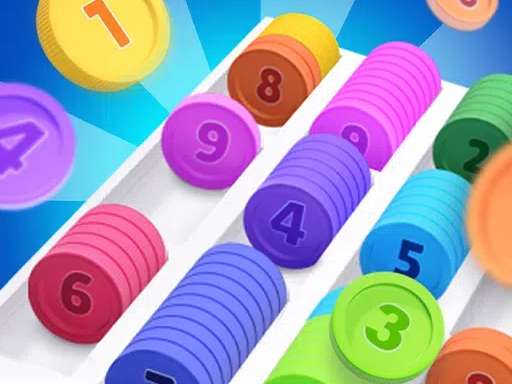
What Is Craft Number, Exactly?Craft Number is a math puzzle game that strips things down to the basics: you drag numbers around, merge them, and try to reach a target value shown at the top of the screen. It looks simple at first, but the levels gradually introduce trickier combinations and tighter constraints. There is no timer, no fancy power-ups, just your ability to think a few moves ahead.The game uses a grid-based board. Each cell holds a number. You can click and drag one number onto another to add them together. The result takes the place of the second number, and the first cell becomes empty. The challenge is that you only have a limited number of moves or a specific set of numbers to work with, depending on the level. Miss the target, and you have to restart.How to Play: The Drag-and-Drop BasicsYou control everything with your mouse. Click on a number tile, hold, and drag it onto another tile. Release to merge. The sum appears in the destination cell. That is the core interaction. There is no undo button, so every move counts.Empty cells cannot be filled with new numbers, you only work with what is given. This means you cannot create numbers out of thin air. You have to plan how to combine existing tiles efficiently. Sometimes the board fills up quickly, and you need to merge strategically just to free up space.One thing the game does not tell you upfront: you can drag numbers across the board, not just to adjacent cells. Use that freedom. It lets you set up merges in any order, which is essential for harder puzzles.Common Beginner Mistakes (and How to Avoid Them)New players often rush. They see two small numbers and merge them immediately without checking if that combination helps reach the target. That is the biggest trap. Merging too early can leave you with awkward leftovers that cannot be combined into the target value.Another mistake is ignoring the order of operations. For example, if you need to reach 15, and you have a 5, a 3, and a 7, merging the 3 and 7 first gives you 10, then adding the 5 gives 15. But if you merge the 5 and 3 first, you get 8, then adding 7 gives 15 as well. In this case both work, but in many puzzles the sequence matters a lot. Try to work backward from the target. Ask yourself: what two numbers would add up to the target? Then see if those numbers can be built from what is on the board.Also, do not forget that you can use numbers more than once if they appear multiple times. But you cannot split a merged number back into its parts. Think of each merge as permanent.Practical Tips for Tougher LevelsOnce levels start throwing larger grids and higher targets, you need a systematic approach. Start by scanning the board for pairs that sum exactly to the target. If you find one, great, merge them and you are done. But usually it is not that simple.You will often need to chain merges. For instance, to reach 23, you might combine 8 and 15, but you have to build the 15 first. So you build sub-targets. Keep the board tidy. Avoid leaving random numbers scattered, because they will block space and make it harder to see useful pairs.One trick: if you have a number that is larger than the target, it is useless unless you can combine it with a negative, which you cannot. So ignore or set aside numbers that are already too big. Focus on the smaller ones that can be built up.There is also a psychological factor. When you are stuck, it is tempting to just try random merges. That almost never works. Take a moment to look at the target and mentally list possible combinations. It sounds obvious, but in the heat of the moment, many players skip this step.Who Will Enjoy This Game?Craft Number is not for everyone. If you dislike arithmetic or get frustrated when puzzles require trial and error, this might feel tedious. But if you enjoy games like 2048 or Threes, where a simple mechanic leads to satisfying mental workouts, this is right up your alley. The levels are short enough to play in a coffee break, but they can get genuinely tricky around the middle and later stages.One editorial observation: the game does not introduce new mechanics as you progress. It stays the same drag-and-merge system throughout. That is not necessarily a flaw, it keeps the focus on pure logic, but players looking for variety might find it repetitive after a while. The challenge comes from the puzzle design, not from new rules. For daily brain training, that works well. For a long session, maybe not.Give it a try if you want something that makes you think without demanding a big time commitment. And remember: plan your merges, work backward from the target, and do not merge just because you can.
Comments
Total Comments: 0