










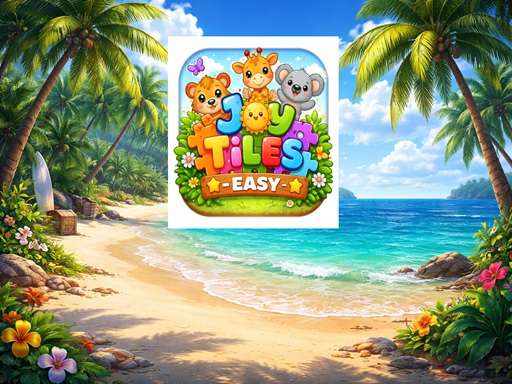










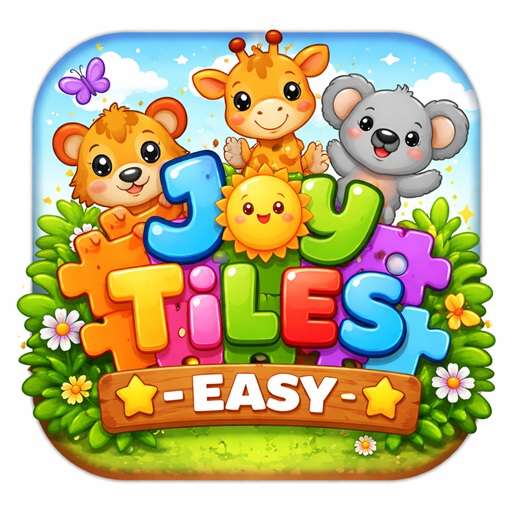
Welcome to JoyTiles - Easy, a fun and simple jigsaw game designed just for kids! You'll get pieces of a picture, and your job is to put them all together. Let's play and have a great time!
Joy Tiles Easy-Free online casual games

{{ searchType === '1' ? '🎮' : '📄' }}
{{ item.title || item.value }}
{{ item.desc }}

Account
ID: 1962017
 Switch Account
Social Linkage
 Google
Link
 Facebook
Unlink
Link
 Apple
Apple
Unlink
Link
Delete Account
Share this game

copy
Switch Account
Google
Facebook
Apple
Joy Tiles Easy
Joy Tiles Easy
Joy Tiles Easy is a delightful Puzzle game—your perfect choice for casual entertainment during downtime!
Browser Game
Free to Play
No Download
IOS,Android,Windows,Mac
Puzzle
Quick browser gameplay with no installation required.
8+
Rate
Top Charts
No.
0
Category
 0
Like
0
Like
 0
Dislike
0
Dislike
 Add to favorites
 Share
Share
 Fullscreen
Related Articles
View All
Quick Facts
Platform
Play instantly in your browser with no installation required.
Best For
Players looking for quick, low-friction game sessions online.
Category
Puzzle
Access
Free to play and easy to try right away.
Game Info
Game name:
Joy Tiles Easy
Rating:
Developer:
Immniatas
Category:
Puzzle
Age Rating:
8+
Languages:
English
Platforms:
IOS,Android,Windows,Mac
Technology:
HTML5
About This Game
Read more
How to Play
Arrange the image pieces correctly!
Read more
Why Players Like It
- Easy to start in a browser without installation.
- Good for short play sessions and casual breaks.
- Simple access across common desktop browsers.
- Works well for players who want quick online gameplay.
Who This Game Is For
- Players who want lightweight browser games.
- Users looking for quick, accessible gameplay sessions.
- Casual players who prefer instant play and low friction.
We use cookies for content recommendations, traffic measurement, and personalized ads. By using this website, you agree to the
Privacy Policy
and
Cookie Policy.
Comments
Total Comments: 0