










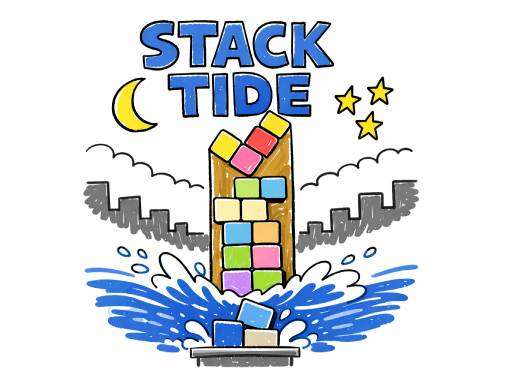













Stack Tide is a physics-based stacking game where every block counts. Drop and rotate drifting shapes to build the tallest tower you can, all while staying ahead of the rising tide. Missed pieces splash into the water, making the sea rise faster—and one wrong move can bring everything closer to the end. With simple controls and endless replay value, each run becomes a thrilling fight between balance, timing, and pressure.
Stack Tide-Free online casual games

{{ searchType === '1' ? '🎮' : '📄' }}
{{ item.title || item.value }}
{{ item.desc }}

Account
ID: 1728846
 Switch Account
Social Linkage
 Google
Link
 Facebook
Unlink
Link
 Apple
Apple
Unlink
Link
Delete Account
Share this game

copy
Switch Account
Google
Facebook
Apple
Stack Tide
Stack Tide
Stack Tide is a delightful Arcade,Puzzle game—your perfect choice for casual entertainment during downtime!
Browser Game
Free to Play
No Download
IOS,Android,Windows,Mac
Arcade, Puzzle
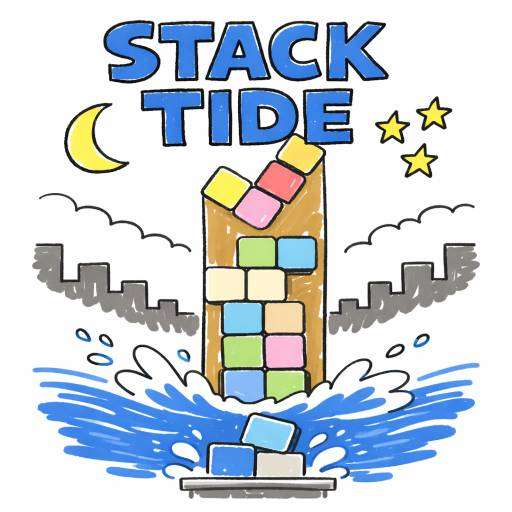
Quick browser gameplay with no installation required.
8+
Rate
Top Charts
No.
0
 0
Like
0
Like
 0
Dislike
0
Dislike
 Add to favorites
 Share
Share
 Fullscreen
Related Articles
View All
Quick Facts
Platform
Play instantly in your browser with no installation required.
Best For
Players looking for quick, low-friction game sessions online.
Category
Arcade, Puzzle
Access
Free to play and easy to try right away.
Game Info
Game name:
Stack Tide
Rating:
Developer:
Donidelka
Category:
Arcade,Puzzle
Age Rating:
8+
Languages:
English
Platforms:
IOS,Android,Windows,Mac
Technology:
HTML5
About This Game
Read more
How to Play
Desktop: Drag with the mouse or use A/D and Left/Right Arrow keys to move blocks. Press Q/E or Up/Down Arrow to rotate. Press Space or Enter to drop. Mobile: Tap and drag to move blocks.
Read more
Why Players Like It
- Easy to start in a browser without installation.
- Good for short play sessions and casual breaks.
- Simple access across common desktop browsers.
- Works well for players who want quick online gameplay.
Who This Game Is For
- Players who want lightweight browser games.
- Users looking for quick, accessible gameplay sessions.
- Casual players who prefer instant play and low friction.
We use cookies for content recommendations, traffic measurement, and personalized ads. By using this website, you agree to the
Privacy Policy
and
Cookie Policy.
Comments
Total Comments: 0