

















Game Introduction
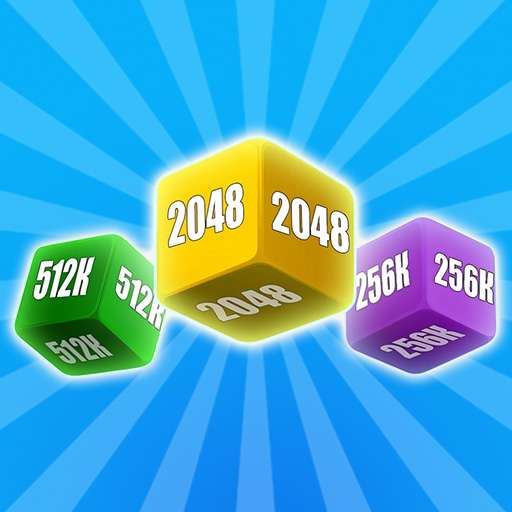
Forget the flat 2048 you know—this is a total 3D revolution! Numbers meet dynamic physics as cubes bounce, collide, and merge in ways that’ll keep you on your toes. Every tap brings a fun surprise, with playful cube interactions that turn classic merging into an immersive 3D adventure. Challenge friends or colleagues to climb the ranks—who’ll be the first to master the bouncy, addictive world of 3D cube merging?
Game Features
1. Innovative 3D Spatial Gameplay:Break free from traditional 2D constraints and place number merging in a three-dimensional space. Use spatial thinking to plan cube movements and observe layouts from multiple angles, making the classic gameplay more immersive and challenging.
2. Dynamic Physics Collision Effects:Cubes don’t just merge—they truly bounce, collide, and trigger chain reactions. Every move brings a random surprise, and the realistic feedback from the physics engine makes the merging process full of fun and unpredictability.
3. Balanced Strategy and Casual Fun:Retain the core gameplay of "merging numbers to 2048" with easy-to-learn controls. The progressive difficulty gradient tests logical calculation skills while offering a relaxing, stress-relieving experience, suitable for players of all ages.
4. Real-time Social Competition:Supports online battles with friends and colleagues, competing for rankings. The real-time competitive atmosphere fuels the desire to challenge—who will be the first to synthesize the target number, fill the 3D board, and become the highlight?
5. mmersive Audio-Visual Experience:3D rendering delivers realistic cube textures, with vibrant colors and a minimalist interface to reduce visual fatigue. Exclusive sound effects and vibration feedback during merging and collisions enhance operational immersion.
6. Rich Gameplay Extensions:Includes various theme skins and fun props, with regular updates to keep the game fresh. Supports slide controls or gravity sensing, adapting to different players’ operating habits.
Gameplay and Controls
1. Basic Operations: Slide the screen or tilt the device (gravity sensing) to control the movement of 3D cubes; you can also long-press a cube, drag it, and release to adjust its position.
2. Core Objective: Merge cubes with the same number (e.g., 2+2=4, 4+4=8) to gradually merge them into 2048 and higher values.
3. Gameplay Mechanism: When cubes move, they trigger physical effects of bouncing and colliding. Adjacent cubes with the same number will merge automatically; you need to plan the layout reasonably to avoid filling up the space— the game ends when there are no valid moves left.
4. Item Usage: Use the bomb item to clear designated obstacle cubes; when stuck, activate the rocket item to randomly eliminate some cubes.
Game Guide
Merge Cubes 2048 3D breaks the shackles of traditional 2D gameplay, with 3D space and physical collisions as its core highlights. Many players get stuck because they ignore the 3D characteristics. This guide covers everything from operational details to layout strategies, helping you easily break through bottlenecks and steadily merge high-level cubes.
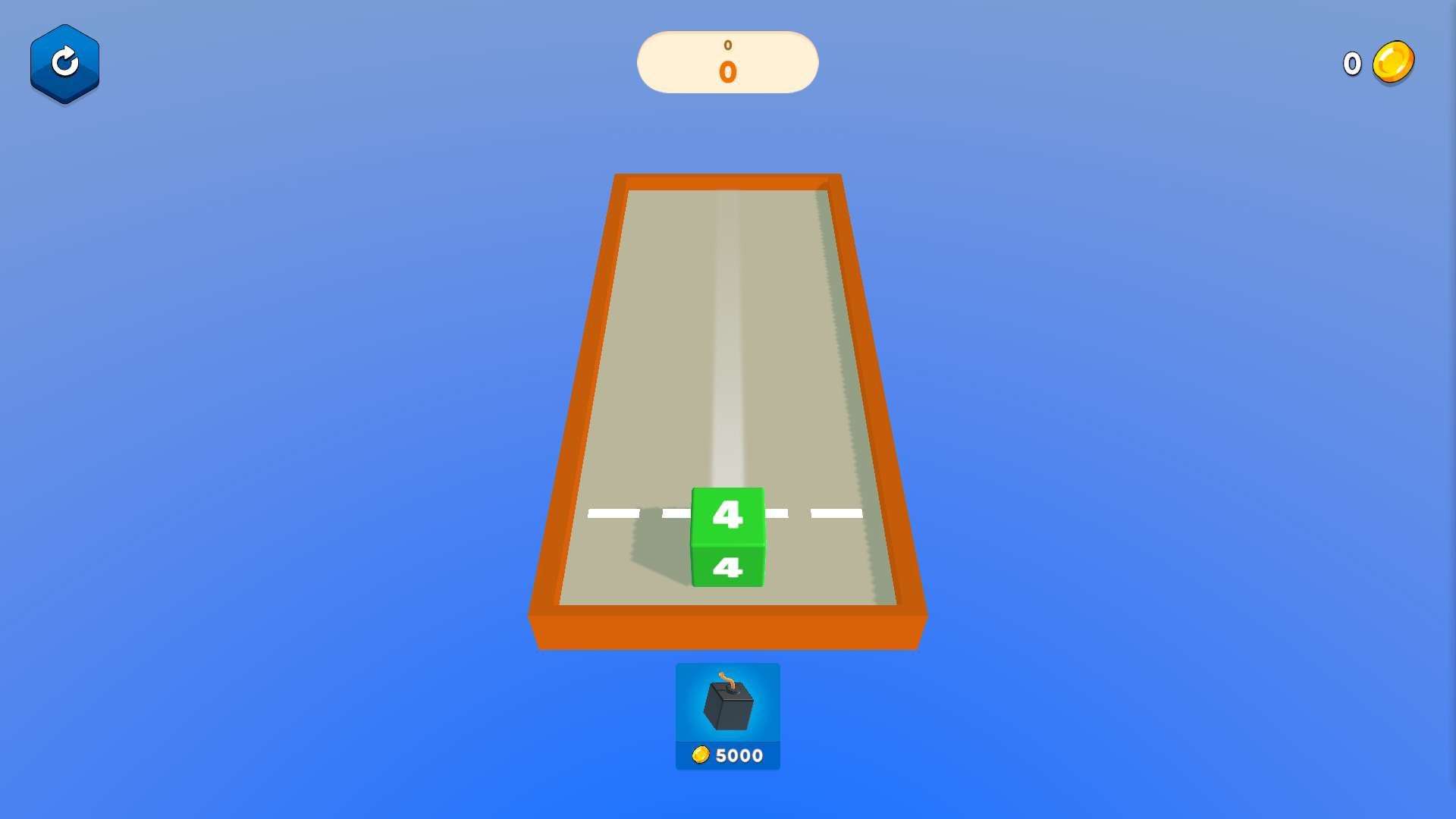
Optimizing basic operations is a prerequisite for advancement. Sliding the screen is suitable for moving cubes over a large area, but it lacks precision when dealing with dense layouts. At this point, switch to gravity sensing for fine adjustments—slightly tilt the device to control the cubes to slide slowly, which can effectively avoid collision chaos caused by misoperations. The long-press and drag function is more suitable for precise layout, especially when there are multiple small cubes around high-value cubes. Directly drag the target cube to the merging position to skip the uncertainty of physical bouncing. The key skill is to predict the collision trajectory: observe the distance between cubes before moving. If there are obstacles on the path, drag small cubes first to clear the channel and reduce the layout space consumed by invalid bouncing.
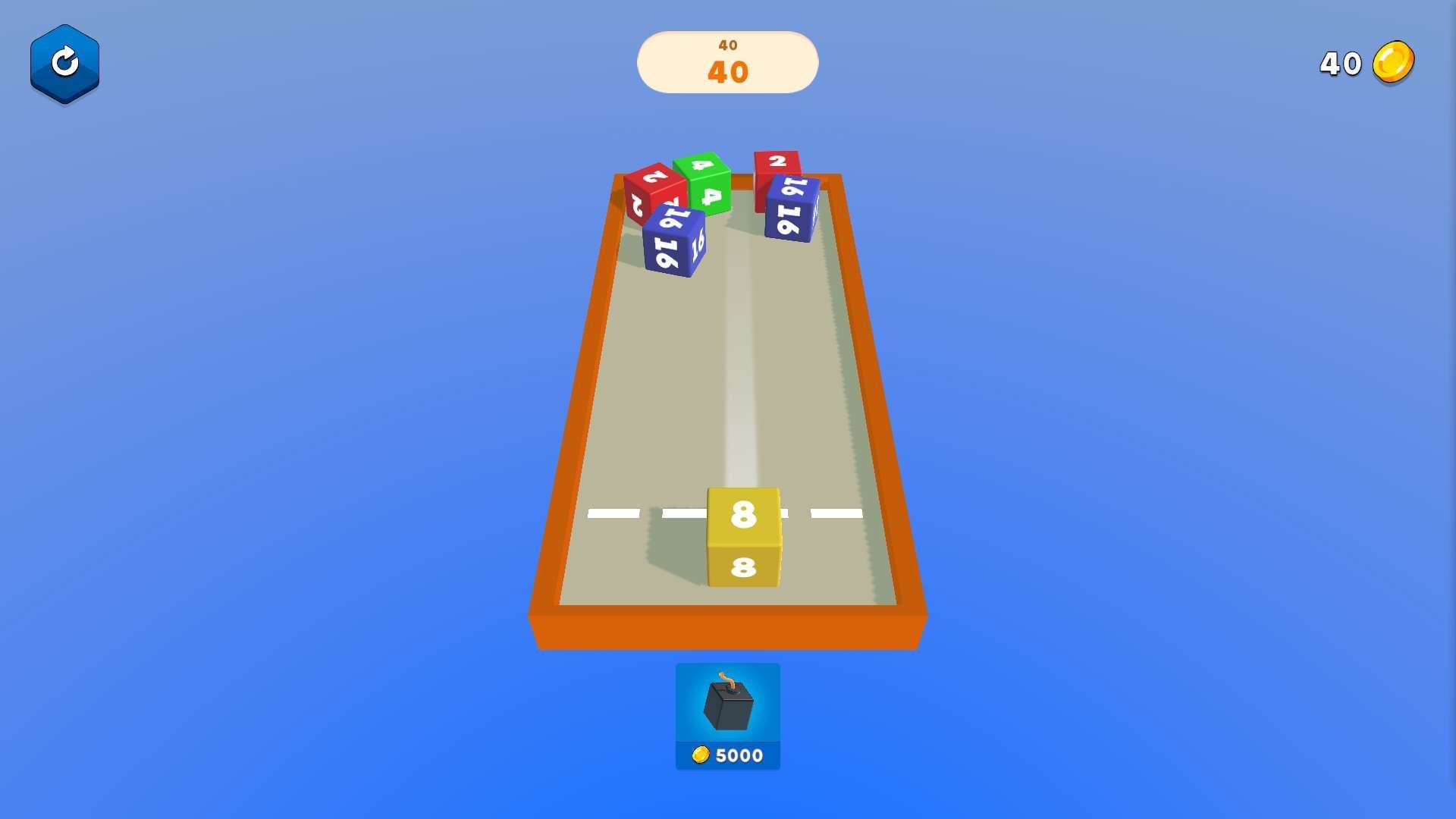
3D layout strategy is the core of merging high-level cubes. Different from 2D planes, 3D space requires considering both "front-back layers + left-right columns". It is recommended to adopt the "corner concentration method": select the upper-left corner as the core area, always place the highest-value cube here, and stack low-value cubes around it. This can prevent high-value cubes from being scattered in different layers and reduce the difficulty of cross-layer merging. At the same time, clean up the back row regularly. Novices often ignore the cubes in the back layers, leading to full space. After every 3 merges, drag the front cubes to check the back row, and prioritize merging cubes with the same value in the back row to keep the 3D space unobstructed.
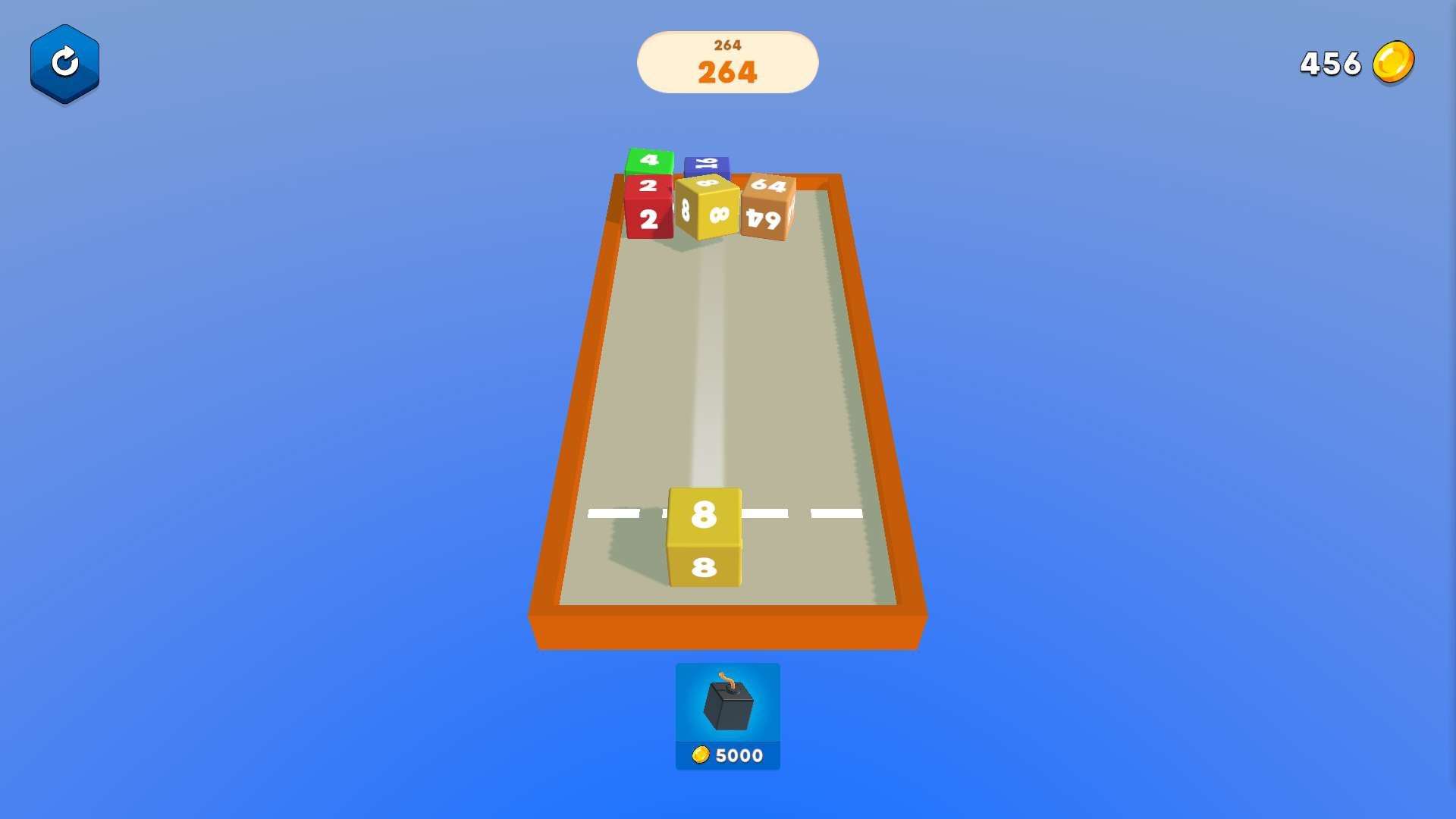
Item usage should adhere to the principle of "precision and efficiency". The bomb item should never be used for random cleaning; it should be saved to break "dead ends"—when a high-value cube is surrounded by low-value cubes and cannot move, aim at the obstacle cube on the outermost layer of the encirclement and use it to open the merging channel at one time. The rocket item is suitable for use when 1/3 of the space remains, as random elimination can maximize the available space. Using it when the space is sufficient may instead scatter the group of cubes that are about to merge. It is recommended to pause the game before using items, plan the elimination target, and avoid waste.
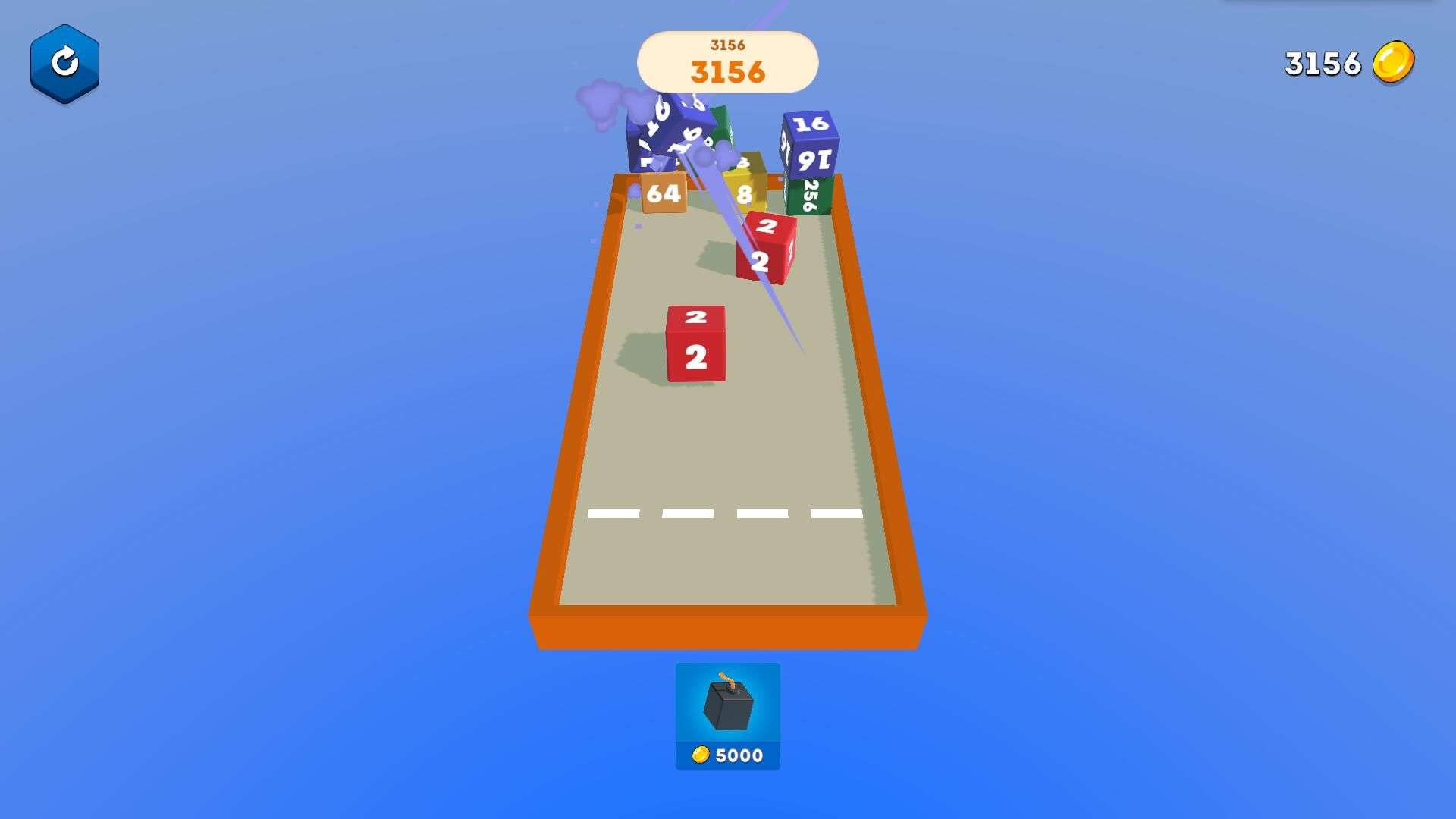
The advanced scoring skill lies in "chain merge planning". Observe the distribution of cubes on the field in advance. If there are multiple small cubes with the same value (such as four "4s"), first move the edge small cubes to trigger the first merge, and use collision rebound to drive the secondary merge of surrounding cubes to form a chain reaction. In addition, try to let high-value cubes "drive" low-value cubes when merging. For example, let "128" collide with surrounding "2" or "4" when merging, and use physical rebound to make small cubes return to their positions automatically, improving layout efficiency. Master these skills, and you will easily refresh your record in the 3D merging world.