


















The Core Loop: Simple Rules, Growing Complexity
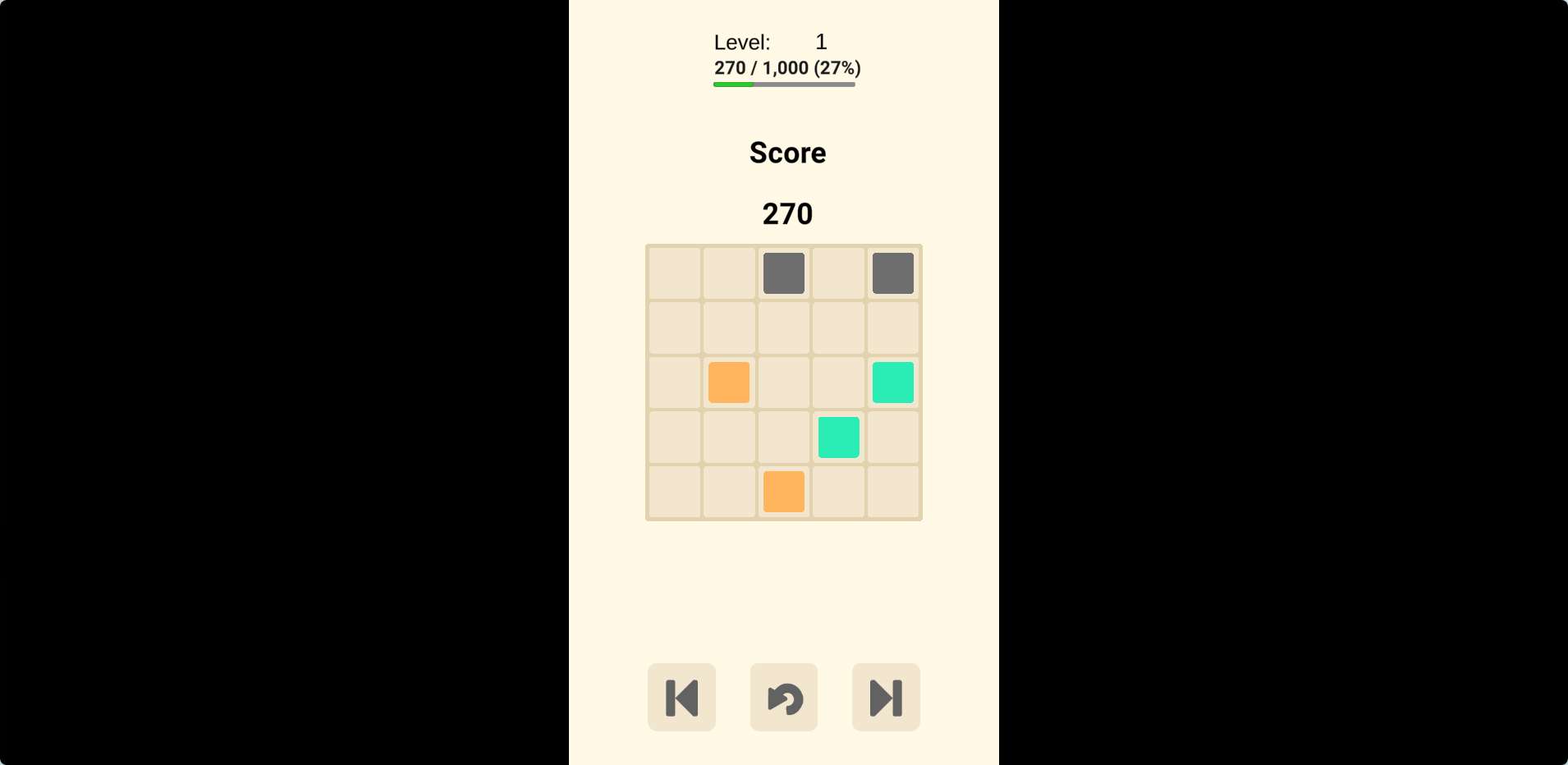
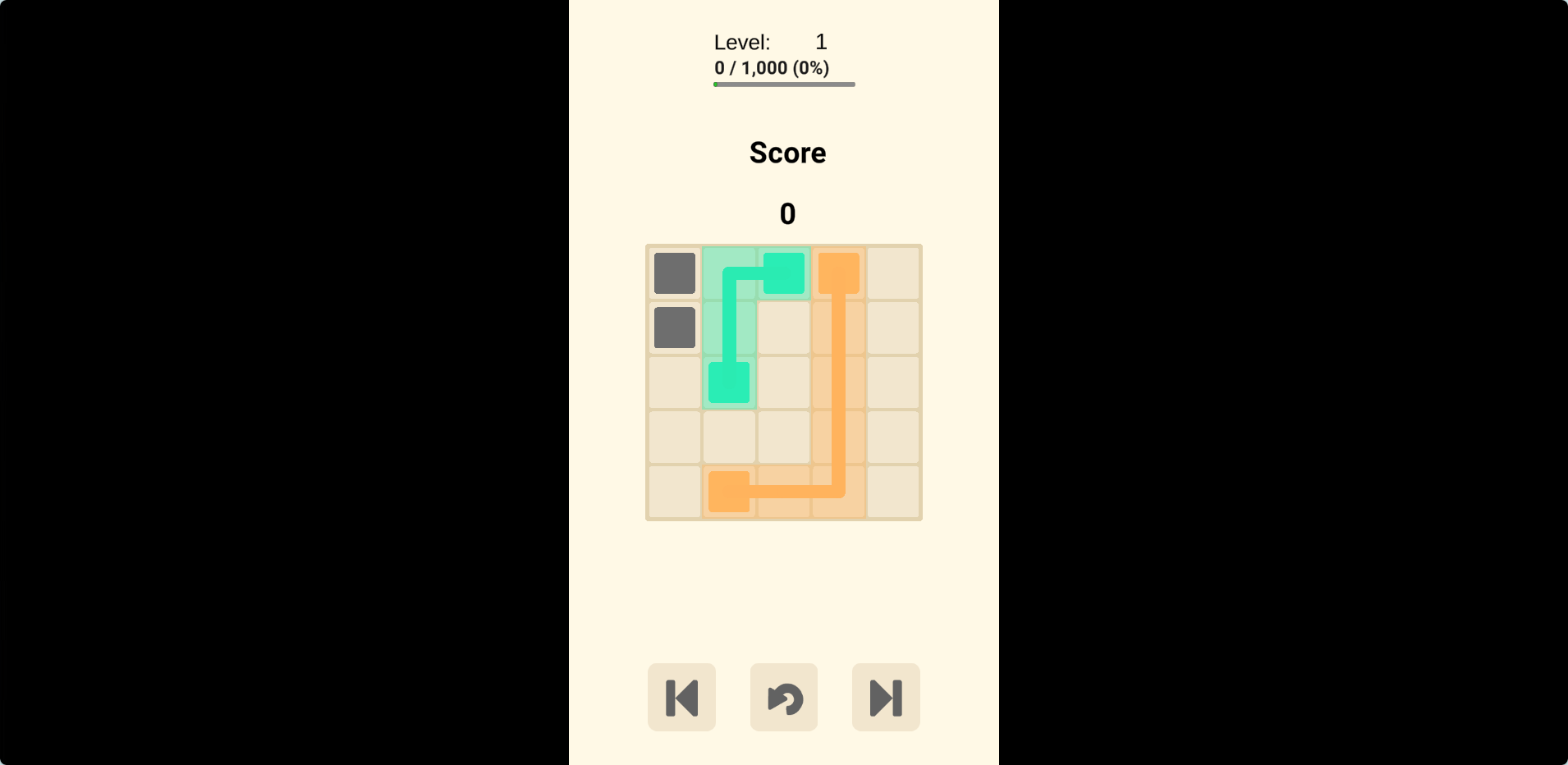
Almond Connection Link Win operates on a familiar puzzle principle: connect matching colored dots with lines until the entire grid is filled. You can’t cross lines, and every single cell must be used. It’s the kind of rule set you grasp in seconds. The early levels feel almost trivial, serving more as an extended tutorial than a real test. This gentle onboarding is smart—it lets you internalize the basic logic without pressure.
Where the game starts to earn its keep is in how it gradually complicates that simple premise. Grids get larger and more irregular. The placement of colored pairs becomes less symmetrical, forcing you to think several steps ahead about pathing. You’ll find yourself mentally tracing potential routes, blocking off sections of the board to reserve space for a tricky pair. It transitions smoothly from a casual pastime into a legitimate spatial reasoning exercise.
Presentation and Pacing
The visual presentation is clean and functional. The dots are bright and distinct, and the lines you draw are satisfyingly smooth. There’s no flashy animation or narrative dressing, which keeps the focus squarely on the puzzle. Some might find the aesthetic a bit plain, but it avoids being distracting or cluttered. The audio is similarly minimal—subtle sounds for connections and completions that provide just enough feedback.
Pacing is steady. Levels unlock one after another, with a clear difficulty curve. You won’t hit a brutal wall suddenly, but the challenge ramps up noticeably around the mid-point. The game doesn’t waste your time with lengthy transitions or forced tutorials after the initial stages. It respects that you’re here to solve puzzles.
Where It Shines, and Where It Might Wear Thin
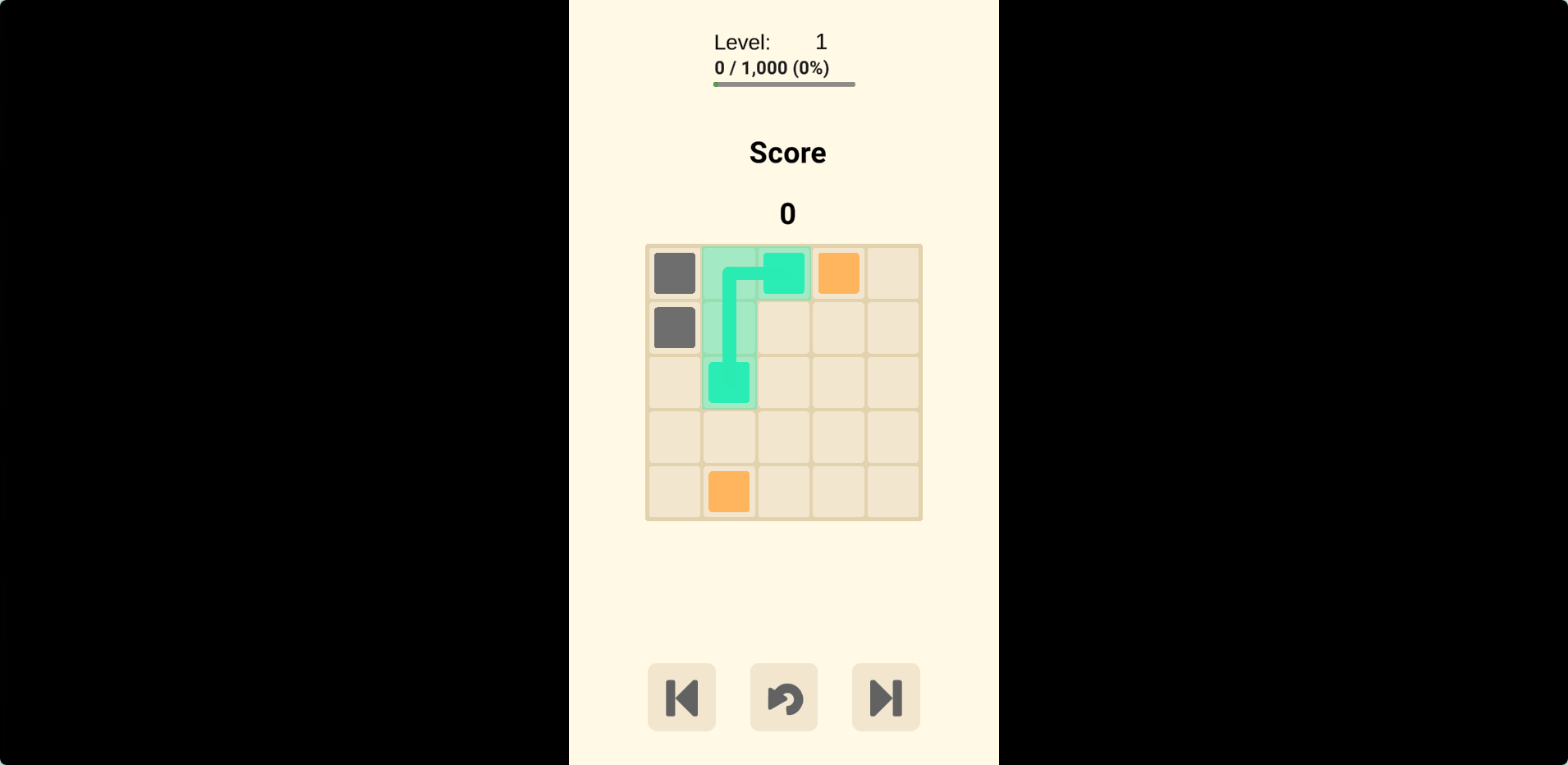
This is the kind of game you play in short bursts. Its greatest strength is its purity as a logic puzzle. There are no timers, no lives, no energy systems—just you and the grid. That makes it a genuinely relaxing, stress-free experience perfect for a 10-minute break. It demands focus but doesn’t punish failure; you can undo moves freely and experiment with different approaches.
However, that purity is also its main limitation. The core mechanic never really evolves. While later levels are more complex, you’re still just connecting dots. There are no new mechanics, power-ups, or alternate modes introduced. For some players, this will feel meditative and consistent. For others, especially those seeking variety or a strong sense of progression, it may start to feel repetitive after an extended session.
It’s best suited for puzzle purists who enjoy methodical, spatial challenges without extra frills. If you love games like Flow Free or classic pipe-connection puzzles, this sits comfortably in that niche. It’s less appealing if you need narrative hooks, competitive elements, or constantly changing gameplay to stay engaged.
Final Thoughts
Almond Connection Link Win doesn’t try to reinvent the wheel, and that’s okay. It executes a classic puzzle concept with polish and a well-calibrated difficulty curve. It’s a solid, dependable title for when you want to engage your brain without any accompanying stress. Just don’t expect it to surprise you.