

















What Is Arrow Escape?
Arrow Escape is a clean, grid-based puzzle game built around a simple mechanic: you click arrows to slide them along their path until they reach an exit. Each arrow can only move in the direction it's pointing. The challenge comes from the fact that arrows block each other's paths. You need to figure out the correct sequence of moves so every arrow can leave the board.
It starts gently, with small grids and just a couple of arrows. These early levels teach you the fundamental rule—once an arrow starts moving, it won't stop until it hits a wall, another arrow, or its exit. The goal is always to clear the board completely.
Getting the Movement Right
The core interaction is straightforward. You click an arrow, and it slides. But understanding the implications of each slide is the whole game. Think of it like a traffic jam where every vehicle is on a fixed rail. Moving one car might free up space for another, or it might permanently block a critical route.
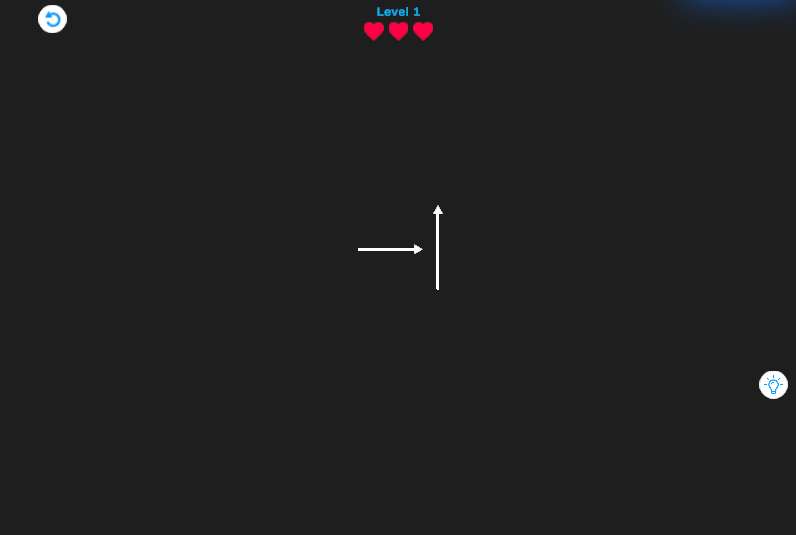
A good habit to build early is to trace the potential path of each arrow in your mind before clicking. Look for where it would end up. Would it seal off another arrow's exit? Would it create a new opening? The game doesn't allow take-backs, so each move is a commitment.
A Common Mistake and How to Avoid It
Many players get stuck by focusing only on the arrow they want to get out first. They'll move the most obvious arrow toward its exit, only to realize it's now sitting in the only pathway another arrow needs. This creates a deadlock.
The practical solution is to work backwards sometimes. Identify the arrow that seems most trapped—the one with the most obstacles in its path. Often, solving the puzzle requires you to clear a path for that difficult arrow first, even if it means moving other arrows temporarily into what seems like worse positions. Don't rush to get any single arrow out. Think about the final empty board and what needs to happen to achieve it.
When the Puzzles Get Tricky
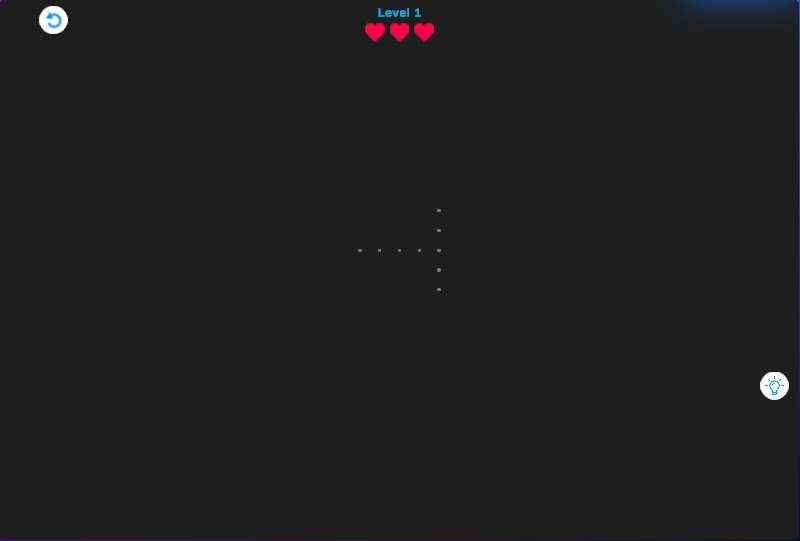
Later levels introduce more arrows, larger grids, and more complex interlocking paths. The difficulty doesn't come from new mechanics, but from the sheer number of moving parts. At this stage, the game becomes less about immediate solutions and more about systematic testing of hypotheses.
If you're truly stuck, try a reset and adopt a different opening move. Sometimes the initial move you take dictates the entire puzzle's flow. Changing that first decision can reveal a completely different viable sequence.
The Appeal of a Minimalist Puzzle
What stands out about Arrow Escape is its purity. There's no timer, no score, no stars—just the binary satisfaction of solving the layout. For players who enjoy spatial logic games like Rush Hour or simple sliding block puzzles, this will feel familiar and satisfying. The visual and audio feedback is minimal, which keeps the focus entirely on the mental challenge.

That said, the core loop is repetitive by design. You are doing the same basic action dozens of times. If you need narrative flair or evolving mechanics to stay engaged, this might feel too sparse. But if you like the specific pleasure of untangling a orderly knot, the repetition is the point. It's a game for a quiet, focused ten-minute break, not a long gaming session.
Final Tips for New Players
Start by literally counting exits and arrows. Make sure the number matches. Then, look for any arrows that are already lined up with their exit with a clear path—these are sometimes decoys. The real key is almost always the arrow that has no obvious move. Be patient, think in sequences, and don't be afraid to start a level over. The solution is always there, and it always follows the simple rules the game taught you at the very beginning.