
















What Is Arrows Puzzle Escape, Really?
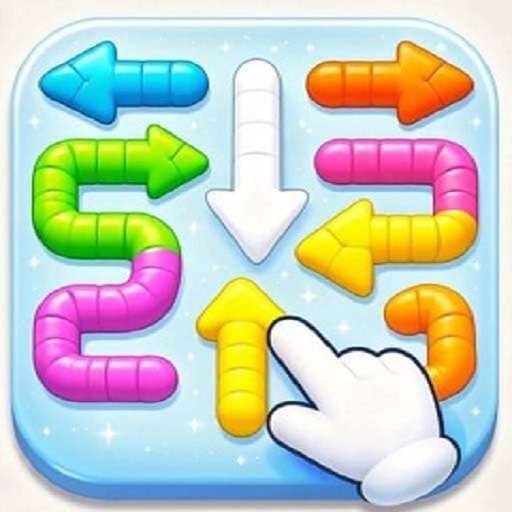
At first glance, Arrows Puzzle Escape looks like another tile-matching game. But it's not. Instead of clearing rows or matching colors, you're guiding arrows—each one trapped in a formation—toward freedom. The twist? Those arrows are arranged to form pixel art. You'll see animals, objects, and other recognizable shapes emerge as you solve each puzzle.
The game is deceptively simple. Tap or click an arrow, and it moves in the direction it points. Keep tapping, and you clear a path. But the real challenge is figuring out the order. One wrong move and a whole formation can lock up.
How the Arrow Logic Works
Each arrow only moves in the direction it's facing. That means you can't just tap wildly. You have to look at the whole board and think a few steps ahead.
Some arrows are blocked by others. If an arrow's path is blocked, it won't move. So you often need to clear a route for one arrow before another can shift. This is where the puzzle gets interesting. The arrows are interconnected—move one, and suddenly a new path opens for another.
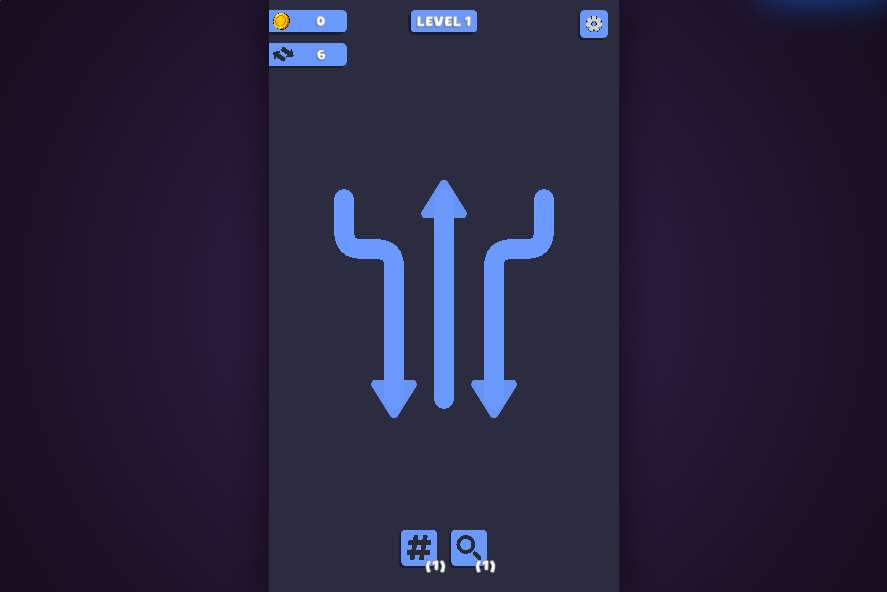
Pay attention to arrows pointing toward edges or gaps. Those are usually your first targets. Don't get stuck trying to move an arrow that's surrounded on all sides.
Tips for New Players: Start With the Obvious
When you first open a level, scan for arrows that have a clear, straight shot to the edge of the puzzle. Those are your low-hanging fruit. Move them first.
Next, look for arrows pointing at other arrows. If an arrow is pointing directly at another, moving the one behind it won't help until the one in front is gone. So prioritize arrows that are blocking others.
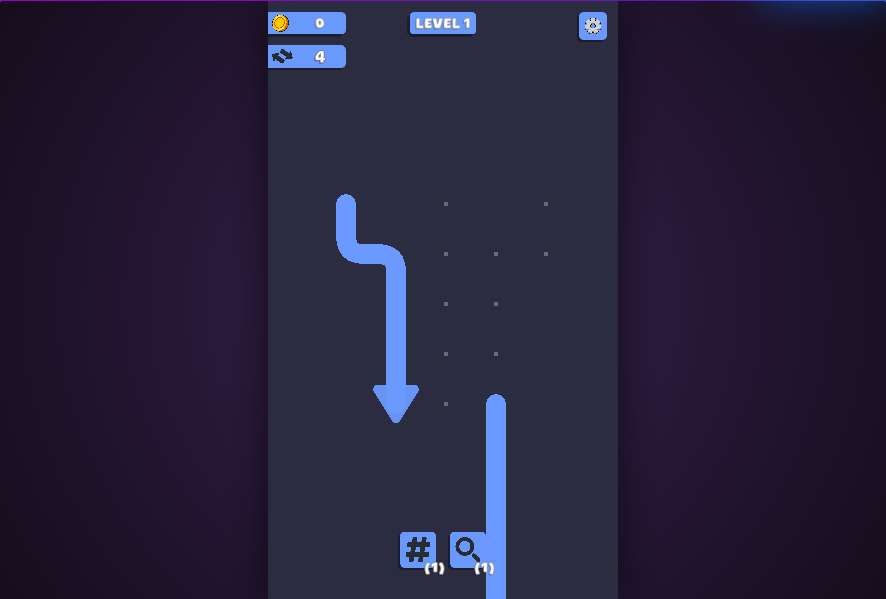
Don't be afraid to restart. Some levels look chaotic at first, but after a reset or two, the pattern becomes clearer. The game doesn't penalize you for starting over, so use that to your advantage.
What Makes It Click (or Not)
Honestly, the pixel art is the main draw here. Each completed puzzle reveals a tiny, charming image—a bird, a sword, a heart. That moment of recognition is satisfying. But the puzzles themselves aren't incredibly deep. If you're looking for a brain-burner, this isn't it.
That said, the game has a calming rhythm. The visuals are soft, the sounds are minimal, and the difficulty ramps gently. It works best as a wind-down game—something to play for ten minutes while listening to music or waiting for a download. The repetition can feel a bit samey after twenty levels, but the art updates keep you going.
Common Mistakes and How to Avoid Them
New players often try to move arrows in the wrong order. A typical mistake: trying to push an arrow that's blocked by another arrow pointing in the opposite direction. You can't push through a face-off like that. You need to clear one of them first, usually the one closer to the edge.
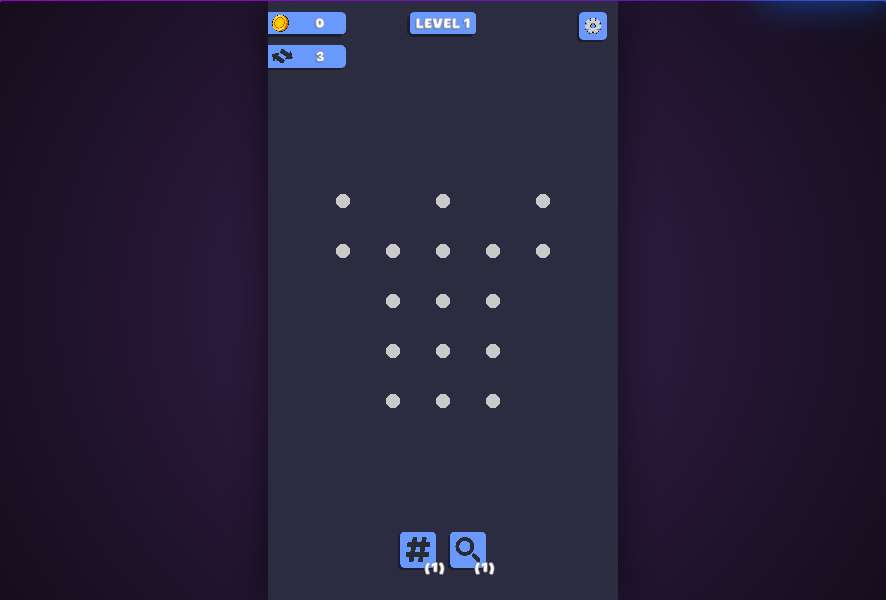
Another mistake is ignoring the outer ring of arrows. Arrows near the border are often the key to unlocking the center. Clear the edges first, and you'll see the middle collapse more easily.
Lastly, some players tap too fast and miss an arrow that could have moved. Slow down. Each tap counts. One misplaced move can lock you into an unwinnable state, and you'll have to restart.
Who Should Play This?
If you like casual puzzles that don't demand intense focus, this is a good fit. It's also great for anyone who enjoys pixel art or wants a break from fast-paced games. If you're a hardcore puzzle solver, you might find it too easy after a while. But for a free browser game, it does its job—it's pleasant, it works, and it doesn't waste your time.