















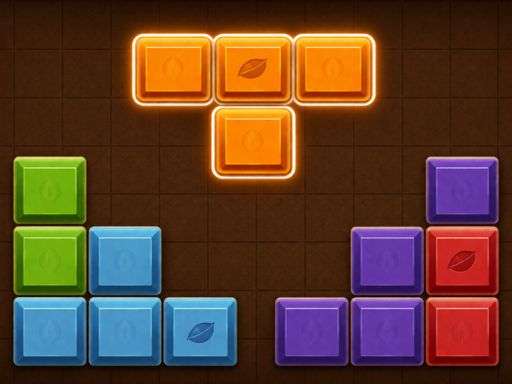
What Is Block Tree?
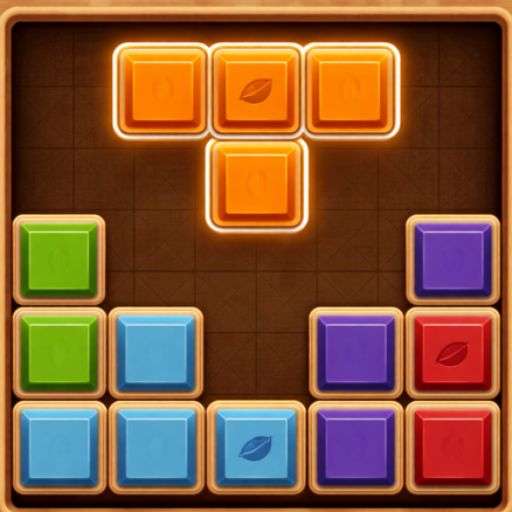
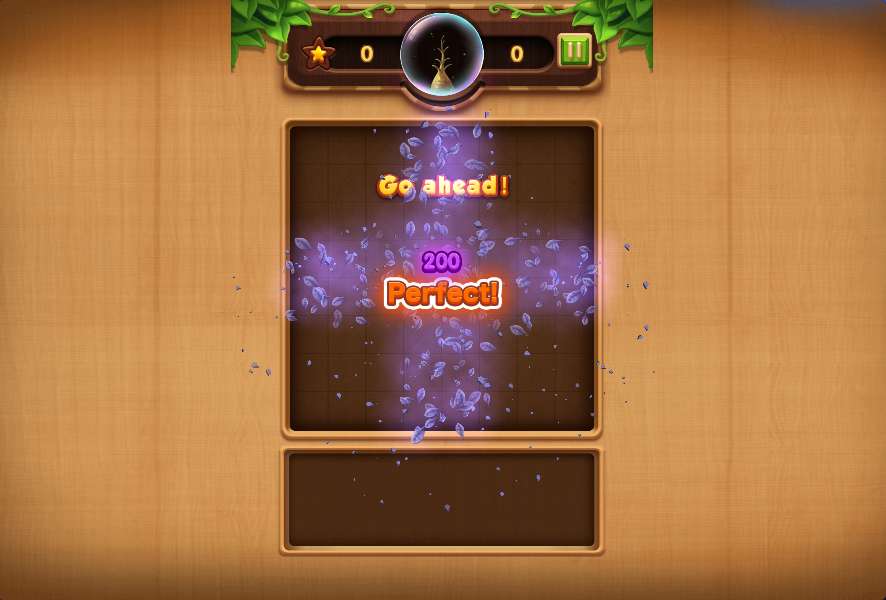
Block Tree is a browser-based puzzle game that takes the familiar idea of Tetris and turns it into something a bit more deliberate. Instead of falling pieces you must place in real time, you get a set of block shapes and a grid. Your job is to place them so you fill entire rows or columns. When you do, those lines vanish with a small blast effect, points add up, and you keep going.
It’s simple to pick up, but the challenge comes from thinking a few moves ahead — especially as the grid fills up.
How It Actually Plays
You drag and click to place pieces. Each piece is a different shape, like a straight line, an L-block, or a square. The game doesn’t rush you. You can take your time to rotate and position each piece. That’s the big difference from classic Tetris: there’s no timer, no falling speed to panic about. It’s purely about spatial logic.
The grid is a standard 10x10 board. You score by clearing full horizontal rows or full vertical columns. Clearing multiple lines at once gives bonus points. The game ends when you can’t place the next piece anywhere.
Tips That Actually Help
If you’ve played similar block puzzle games like 1010! or Block Puzzle, you’ll feel right at home. But here’s what I noticed after a few rounds:
- Don’t just fill rows. Vertical columns clear just as well, and sometimes it’s easier to set up a column clear than a row clear. Alternate between both when you can.
- Leave space near the edges. Bigger L-shaped or square pieces are harder to fit when the board gets crowded. Try to keep the center open and use the edges for smaller pieces.
- Watch your remaining shapes. The game shows you the next few pieces. If you see a long line coming, don’t waste small gaps that could fit it. Save room.
What Stood Out (and What Didn’t)
Block Tree doesn’t try to be flashy. The visuals are clean — blocks have a soft color palette and the clearing effect is satisfying without being over-the-top. But after about 15 minutes, the game loop does start to feel a bit repetitive. There’s no scoring multiplier, no power-ups, no special blocks. It’s just you, the grid, and the shapes.
For some players, that’s exactly the appeal. It’s a quiet, focused puzzle game you can play while listening to music or waiting for something else. If you’re looking for a deep progression system or constant new mechanics, this probably isn’t it. But if you enjoy the satisfaction of solving a spatial puzzle with your own planning, it works well.
Who Should Play Block Tree?
This is a good fit for anyone who likes casual puzzles that don’t demand fast reactions. It’s also a nice option if you want a browser game that doesn’t need a tutorial — you’ll understand it in about 10 seconds. Newer players will find the lack of time pressure forgiving, while more experienced puzzle fans can challenge themselves by aiming for high scores and longer runs.
Just don’t expect the game to surprise you after the first few rounds. It’s consistent, clean, and honest about what it is.