

















Game Introduction
Dive into the addictive world of Cut & Drop Puzzle — a physics-driven puzzle game where precision meets strategy! Grab your virtual cutter, slice through objects with pinpoint accuracy, and guide balls toward their targets with clever drops.
It’s the ultimate blend of casual relaxation and brain-teasing fun: unwind with smooth, satisfying slicing mechanics, or test your wits with tricky layouts that demand strategic thinking. Whether you’re here for quick, stress-busting rounds or deep dives into challenging puzzles, this game caters to every puzzle lover, slicing fan, and physics game enthusiast.
Simple to pick up but hard to put down — Cut & Drop Puzzle turns every cut and drop into a rewarding adventure!
Game Features
Physics-engine driven gameplay delivers realistic, satisfying cutting and dropping mechanics.
Balances casual relaxation with brain-teasing challenges, requiring precision and strategic planning.
Easy to pick up but highly addictive, with progressively engaging level designs.
Perfect for fragmented time, featuring short, stress-free single rounds.
Diverse level scenes bring fresh experiences and new challenges in every playthrough.
Gameplay and Controls
1. Drag the screen to control the virtual cutter and slice objects in the scene.
2. Make the balls drop by cutting, and guide them into the designated target area.
3. Predict the physical trajectory and cut precisely to achieve the goal.
4. Unlock the next level automatically after completing the current one, with increasing difficulty.
5. Retry freely if the cut fails, no limit on the number of attempts.
Game Guide
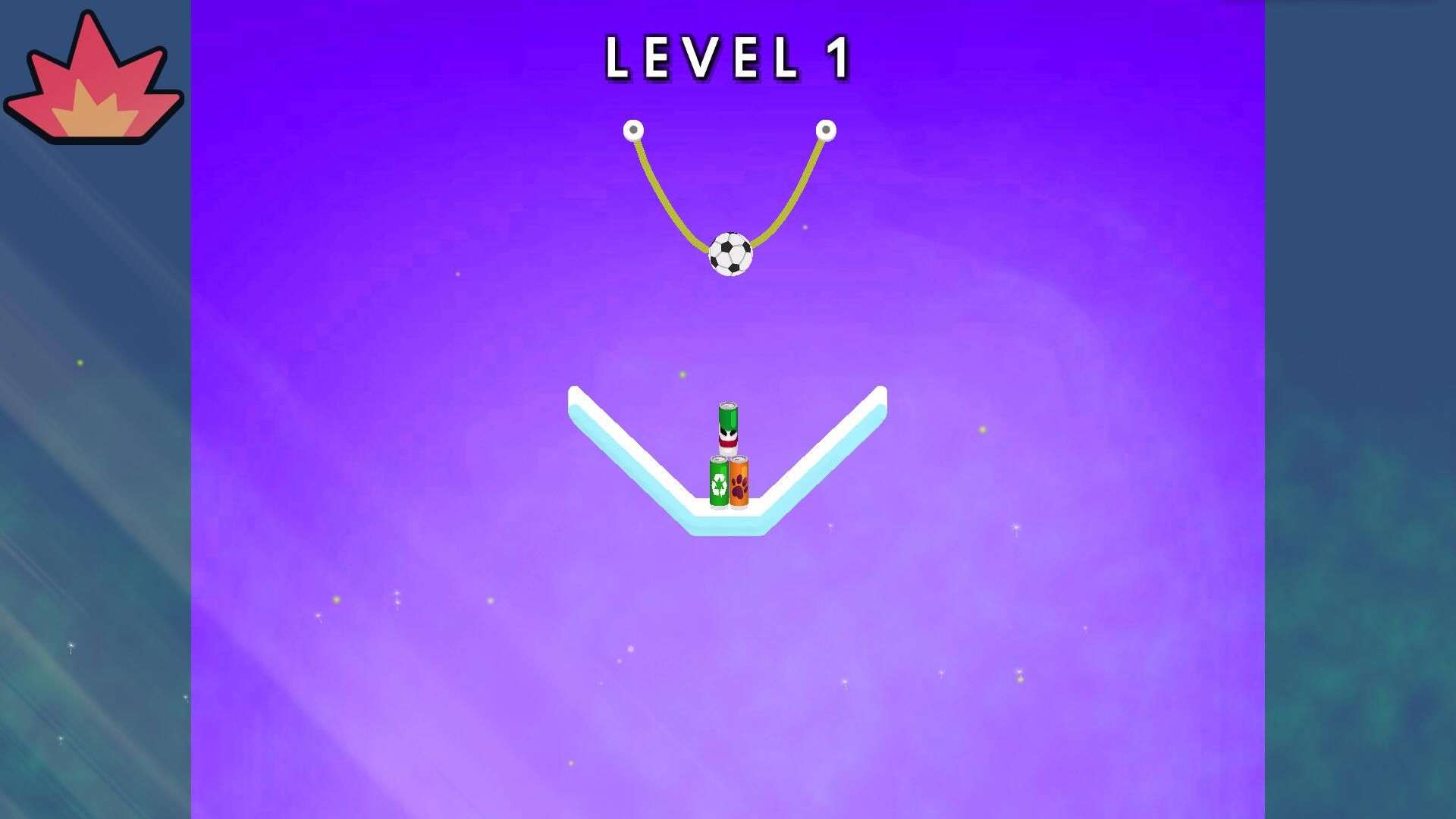
As a physics-engine driven puzzle game, Cut & Drop Puzzle seems simple to operate but actually hides strategic subtleties. Many players can clear early levels easily but get stuck in mid-to-high difficulty levels. This guide will cover four dimensions—basic operations, level-specific strategies, advanced skills, and pitfalls to avoid—to help you master the core logic of clearing levels and quickly advance from a novice to a puzzle-solving master.
I. Essential Basic Operations: The Underlying Logic of Precise Cutting
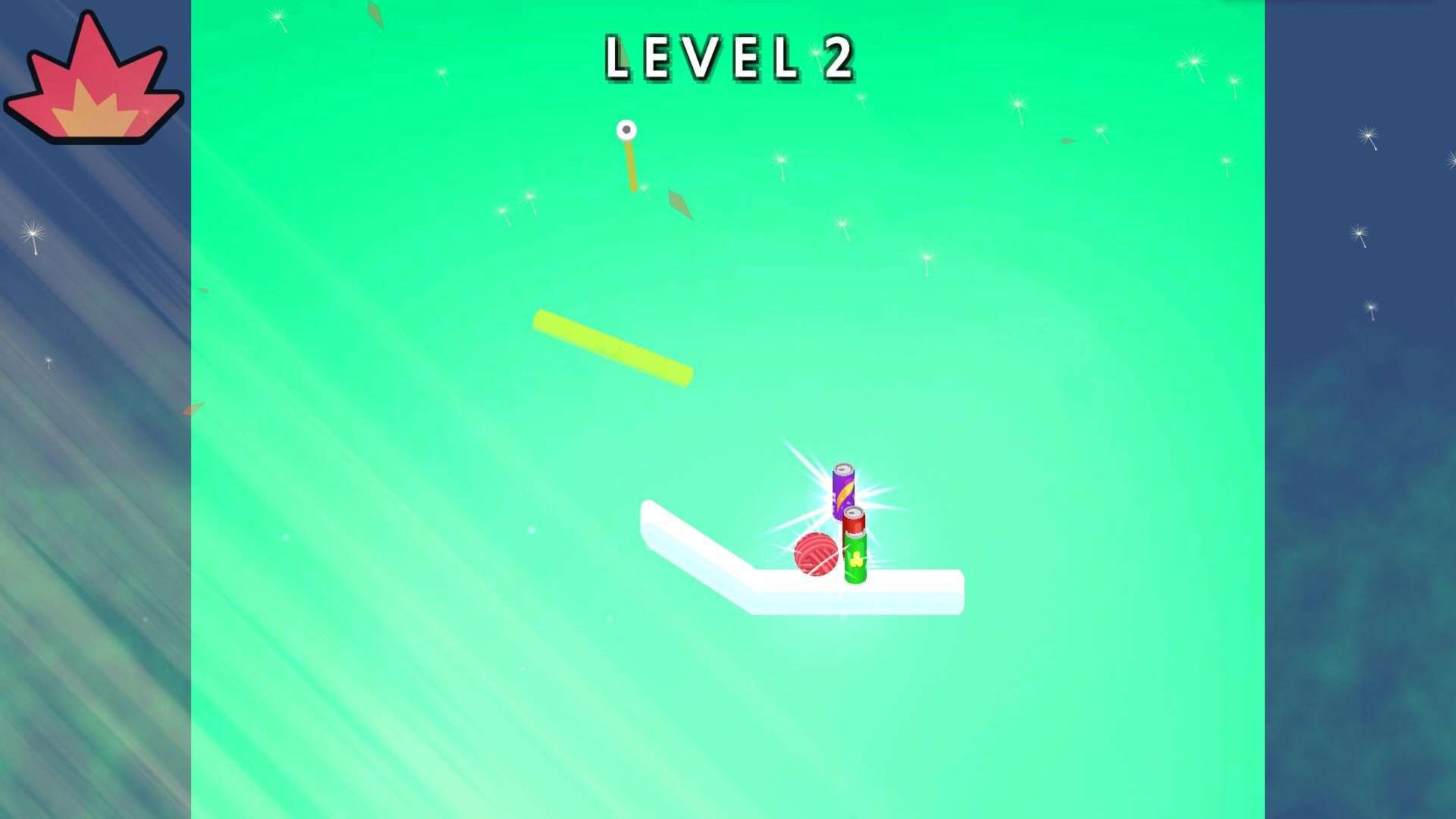
The game's core operations only involve two steps: "cutting" and "guiding," but mastering the details directly determines the efficiency of clearing levels. First, you need to abandon the habit of "random swiping" when cutting. Instead, it's recommended to use "short-distance precise cutting"—control the cutter's trajectory to be parallel to the edge of the object when dragging the screen, avoiding unnecessary cutting movements. Especially when cutting thin plates or ropes supporting the balls, controlling the single cut length to 1-2 centimeters (screen display size) can reduce the shaking amplitude of the object and lower the difficulty of trajectory prediction.
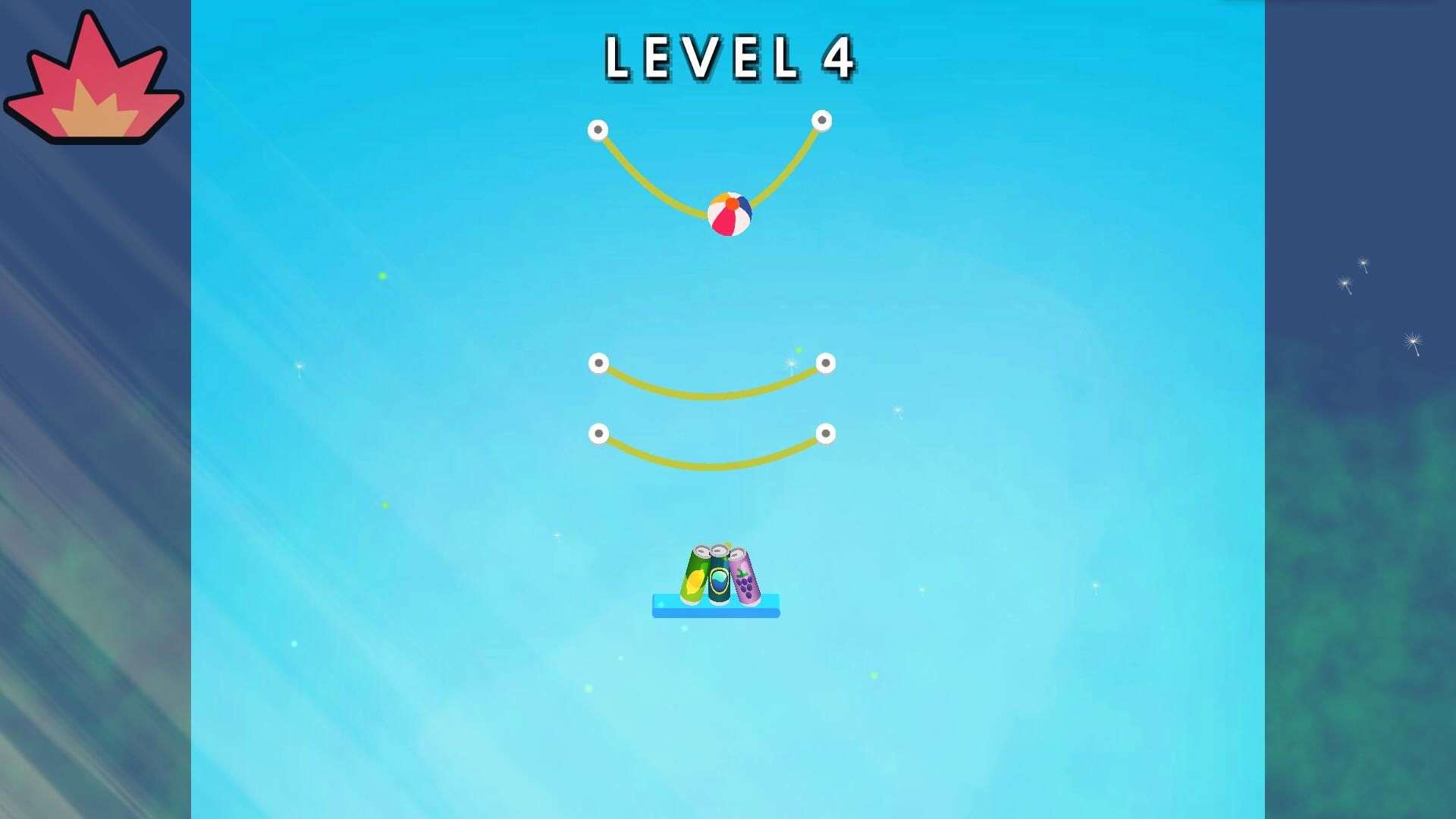
Second, trajectory prediction is a core ability. Before cutting, observe the line connecting the ball's initial position and the target area, and identify the obstacles and supporting structures in between. For example, when the ball is supported by multiple layers of wooden boards, prioritize cutting the bottommost board with the least load-bearing capacity. Utilize gravity to make the ball fall naturally, reducing the need for secondary cutting. If there are slopes, rebound boards and other elements in the scene, plan the ball's falling path in advance and reserve buffer space for rebounds.
II. Level-Specific Strategies: Targeted Solutions to Core Difficulties
Game levels can be divided into three categories based on core difficulties: "Basic Load-Bearing Type," "Trajectory Guidance Type," and "Multi-Ball Coordination Type." Different types require differentiated strategies.
Basic Load-Bearing Type is mostly seen in levels 1-20, with the core being destroying the supporting structure. For this type of level, it's recommended to use the "bottom-up cutting method"—first cut the bottommost load-bearing components, observe the direction of the object's collapse, then cut the remaining structures. It should be noted that the supports in some levels are designed with a "load-bearing critical point." When cutting, reserve 1-2 secondary support points to prevent the ball from deviating from the target due to too fast collapse speed.
Trajectory Guidance Type (levels 21-50) adds elements such as rebound boards and teleporters, focusing on testing path planning. The key to clearing levels is the "reverse deduction method": deduce the rebound points the ball needs to pass through from the target area backward, then determine the cutting position. For example, if the target is on the right side of the screen, first find a suitable rebound board on the left. When cutting, let the ball fall onto the rebound board and use the rebound force to accurately enter the target. When encountering teleporters, confirm the teleportation direction in advance to avoid the ball missing the target due to trajectory deviation after entering the teleporter.
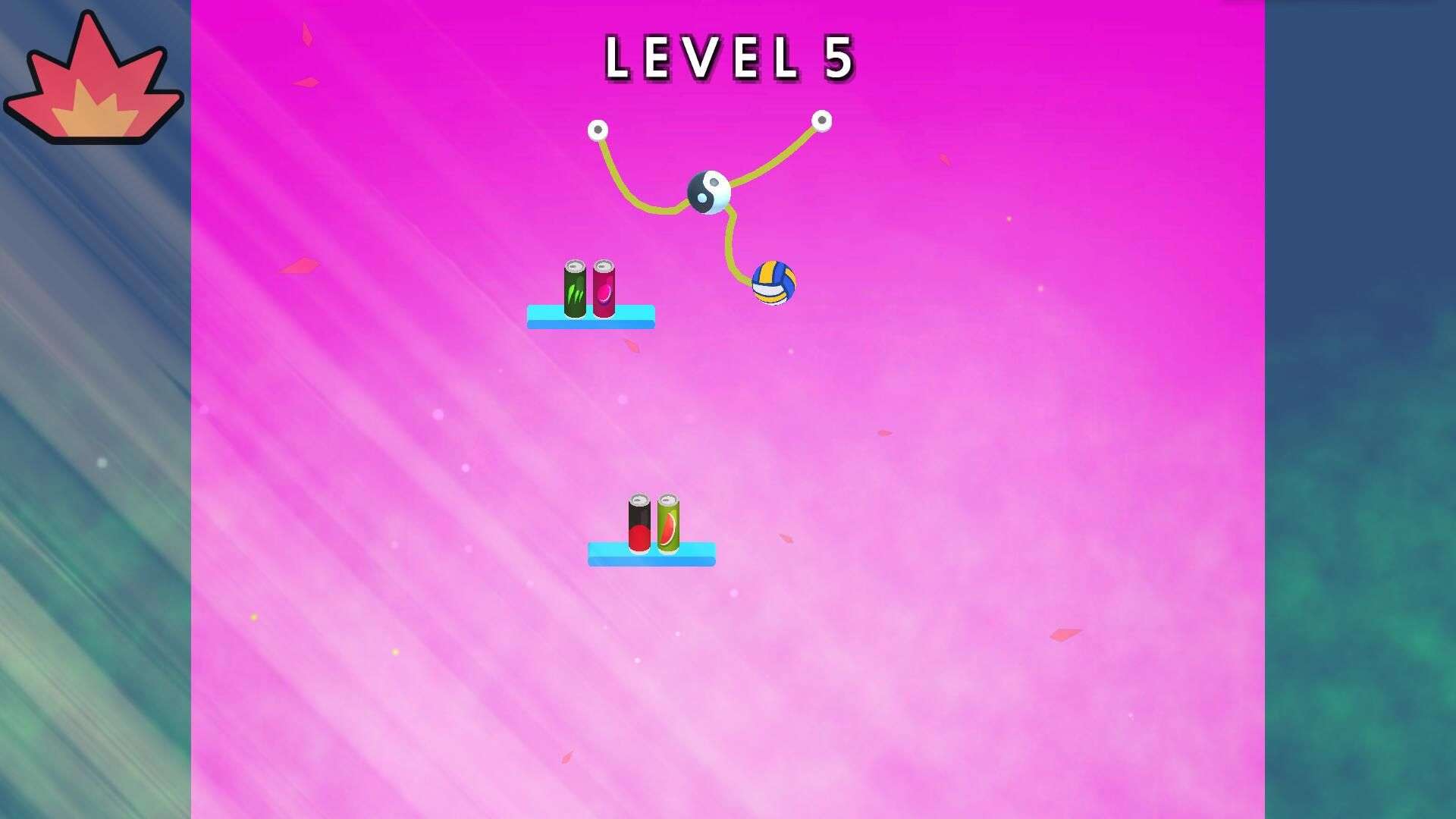
Multi-Ball Coordination Type (after level 51) requires multiple balls to enter the target at the same time, with the core being "priority ranking." Prioritize handling the balls with the most tricky positions and complex trajectories, and reserve independent falling paths for them when cutting. For balls with regular positions, you can use the collapse inertia from the previous cut to drive them to fall, achieving "one cut, multiple effects." If there is a conflict between the trajectories of multiple balls, cut multiple times, focusing on 1-2 balls each time and advancing step by step.
III. Advanced Skills and Pitfalls to Avoid
Advanced players need to master "cutting timing control": in some levels, objects will shake slightly under the influence of gravity. It is recommended to cut when the object is stationary or has the smallest shaking amplitude to improve accuracy. In addition, make good use of the "retry mechanism"—if the ball's trajectory is close to the target but fails after the first cut, observe the deviation point and fine-tune the trajectory in the second cut without starting over.
Common misunderstandings to avoid: First, over-cutting, which leads to chaotic scene structure and increases the difficulty of trajectory prediction; second, ignoring physical inertia and failing to consider the ball's parabolic deviation after cutting; third, being eager for success and operating blindly without observing the scene elements clearly. Remember, the best way to clear each level is often with "the least number of cuts." Patient planning is more efficient than repeated attempts.
After mastering the above skills, you only need to accumulate experience in handling different scenarios in actual combat and gradually improve your sensitivity to trajectory prediction to easily overcome high-difficulty levels. The charm of Cut & Drop Puzzle lies in its "strategic depth under simple operations." Only by enjoying the process of solving puzzles can you truly experience the fun of the game.