

















Game Introduction
After fighting off relentless enemies and cheating death, the astronaut finally spots the mother ship’s airlock—only to find it sealed tight by a devious lock system. This isn’t a simple key-and-lock challenge; it’s a series of mind-bending puzzles, each woven with cosmic logic, that stand between the astronaut and safety. Can you crack the layers of riddles, outsmart the lock’s design, and guide them back to the mother ship alive?
Game Features
1. Space sci-fi themed atmosphere: Centered around the backdrop of "an astronaut unlocking the mothership door lock," it features distinct sci-fi vibes with elements like purple lock bodies and dark space landscapes. The inclusion of the astronaut character also enhances the immersion of puzzle-solving.
2. Core jigsaw puzzle-style gameplay: The core revolves around "adjusting elements to piece together a complete pattern/route." Players need to manipulate various modules (lines, shapes, components, etc.) to finish the assembly and unlock the door, making the gameplay pure and the objective clear.
3. Diverse puzzle units: Different puzzles use differentiated assembly elements (such as basic line segments, node components, complex curve modules, unique shapes, etc.), so each puzzle session brings fresh visual and thinking experiences.
4. Progressive difficulty progression: It transitions from simple assemblies with fewer elements to puzzles with denser components and more complex structures, matching players’ learning curve while gradually ramping up the challenge.
5. Lightweight interactive experience: The line-style puzzle elements and streamlined sci-fi visual design are clear and easy to recognize; the controls (presumably click/rotate operations) have a low barrier to entry, allowing players to focus on puzzle-solving itself.
Gameplay and Controls
1. Objective: Adjust modules to piece together a complete pattern and unlock the mothership door lock
2. Controls: Tap/rotate puzzle modules (components like lines, shapes, etc.)
3. Core: Check module compatibility and adjust until all elements connect into a complete whole
Game Guide
As a jigsaw puzzle game set against the backdrop of an astronaut unlocking the mothership door, its core gameplay revolves around adjusting modules to form a complete assembly. Mastering the "Observe-Classify-Assemble-Fine-Tune" closed-loop problem-solving approach directly determines puzzle-solving efficiency and clearance speed. This logic applies to all puzzles, and the following breaks down key techniques with practical scenarios to help you unlock efficiently.
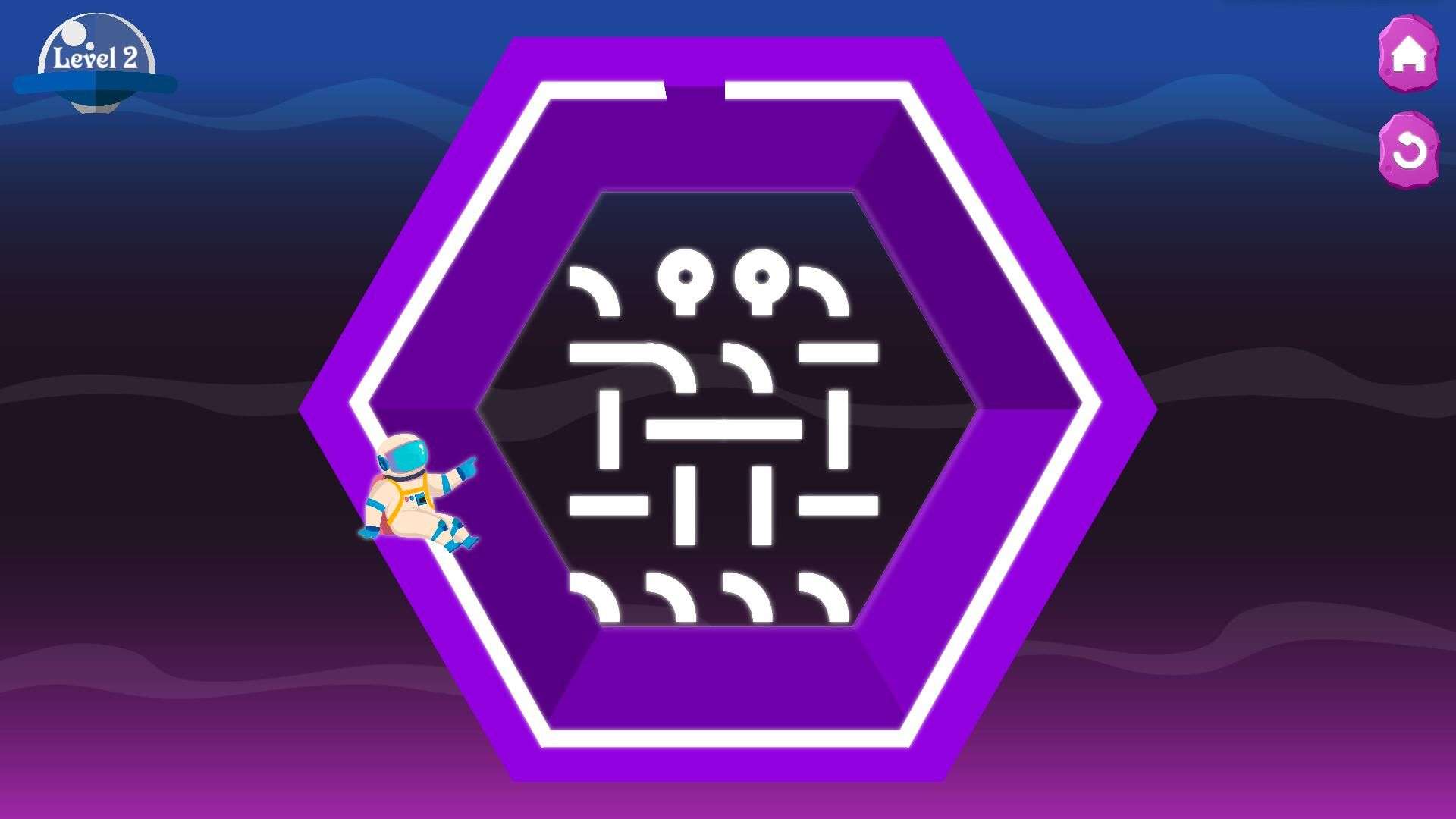
Observing and anticipating is the primary prerequisite for solving puzzles—never start operating immediately. When facing a new puzzle, first spend 3-5 seconds scanning the overall preset outline of the lock and the shape characteristics of scattered modules, focusing on two key types of information: first, the connection details of module edges, such as the cut angle of straight ports, the curvature matching degree of curves, and the concave-convex fitting points of special-shaped parts; second, the implicit structural rules of the lock. Most puzzles adopt left-right symmetry, central radiation, or linear extension designs, which can directly narrow down the module positioning range. At the same time, mark 1-2 "anchor modules"—components with unique identifiers, such as curved blocks with nodes or asymmetric special-shaped parts. These modules have strong positional fixity and serve as the benchmark for subsequent assembly.
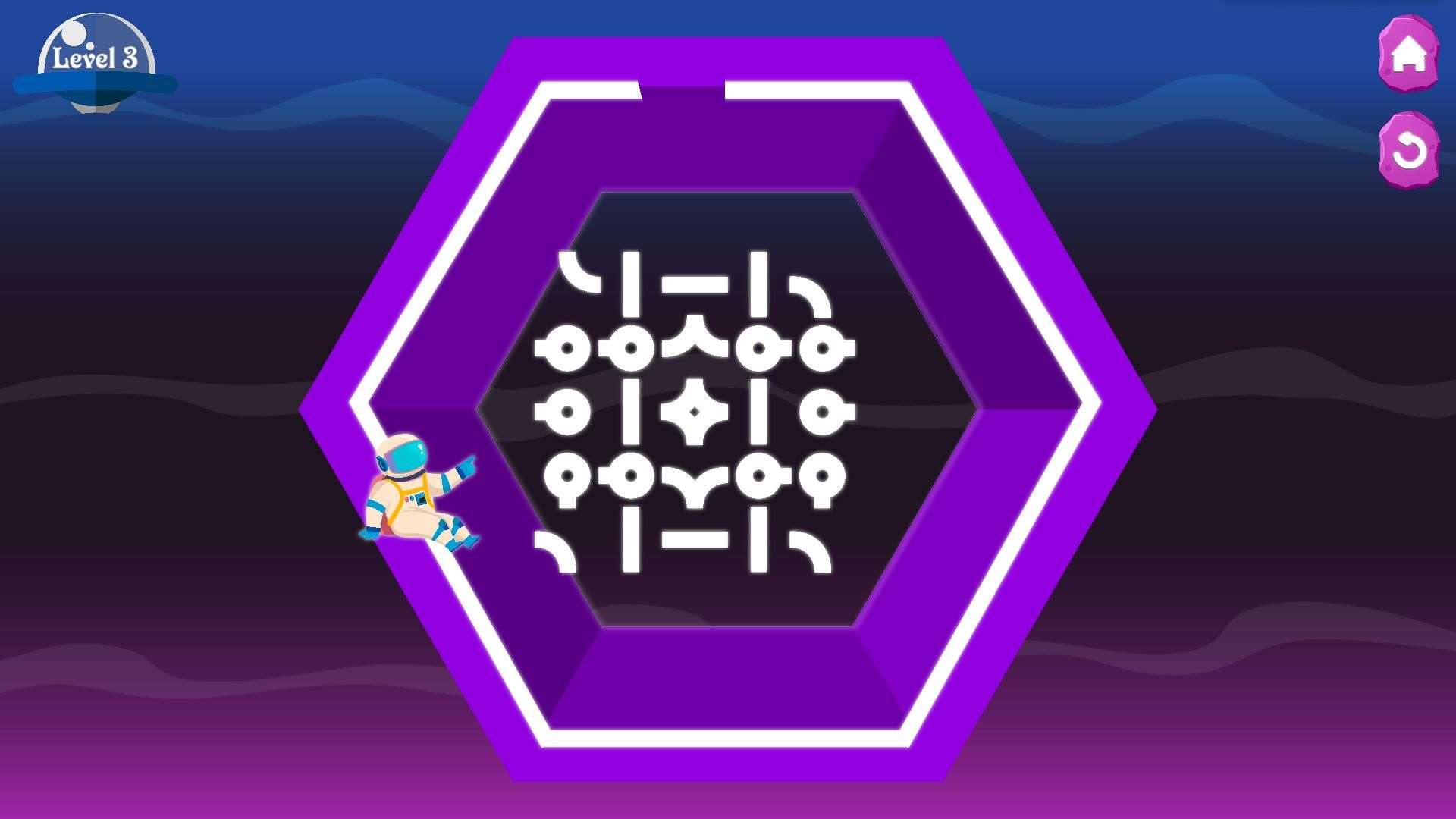
Module classification can greatly reduce trial-and-error costs, especially for puzzles with a large number of modules. It is recommended to classify based on the dual criteria of "function + shape": first, classify by function into frame modules (such as long straight segments, large curvature curves) and filling modules (such as small-angle corners, node connectors); then refine into three categories by shape: straight lines, curves, and special shapes. After classification, prioritize frame modules—for example, assemble all long straight modules into the frame or main axis of the lock to build the overall outline, then embed filling modules according to the characteristics of their connection ports. This avoids repeated operations caused by module confusion.
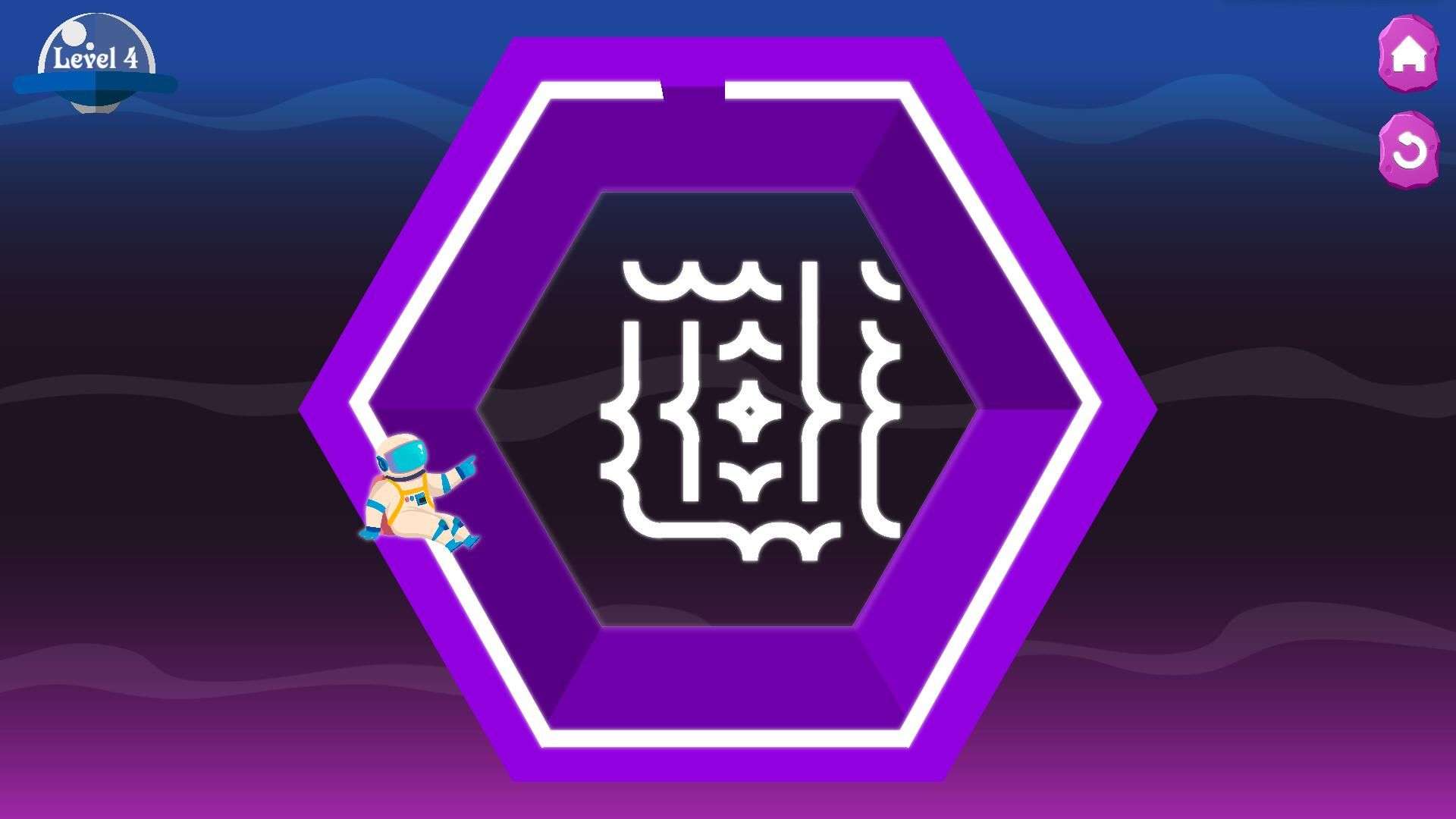
Progressive assembly is the most efficient problem-solving path, with the core being "anchor breakthrough + layered advancement". First, fix the marked anchor modules in positions that conform to structural rules—such as the mid-axis endpoints of symmetric puzzles or the central area of radial puzzles—and expand layer by layer around the anchor. When expanding, follow the principle of "priority to main parts, then secondary parts": first complete the assembly of the main area accounting for more than 60% to form a stable frame, then handle complex areas such as corners and intersections. If a module cannot connect with adjacent components, do not repeatedly try to rotate it; immediately replace it with a spare module of the same type to avoid wasting time on a single module and falling into a mental deadlock.
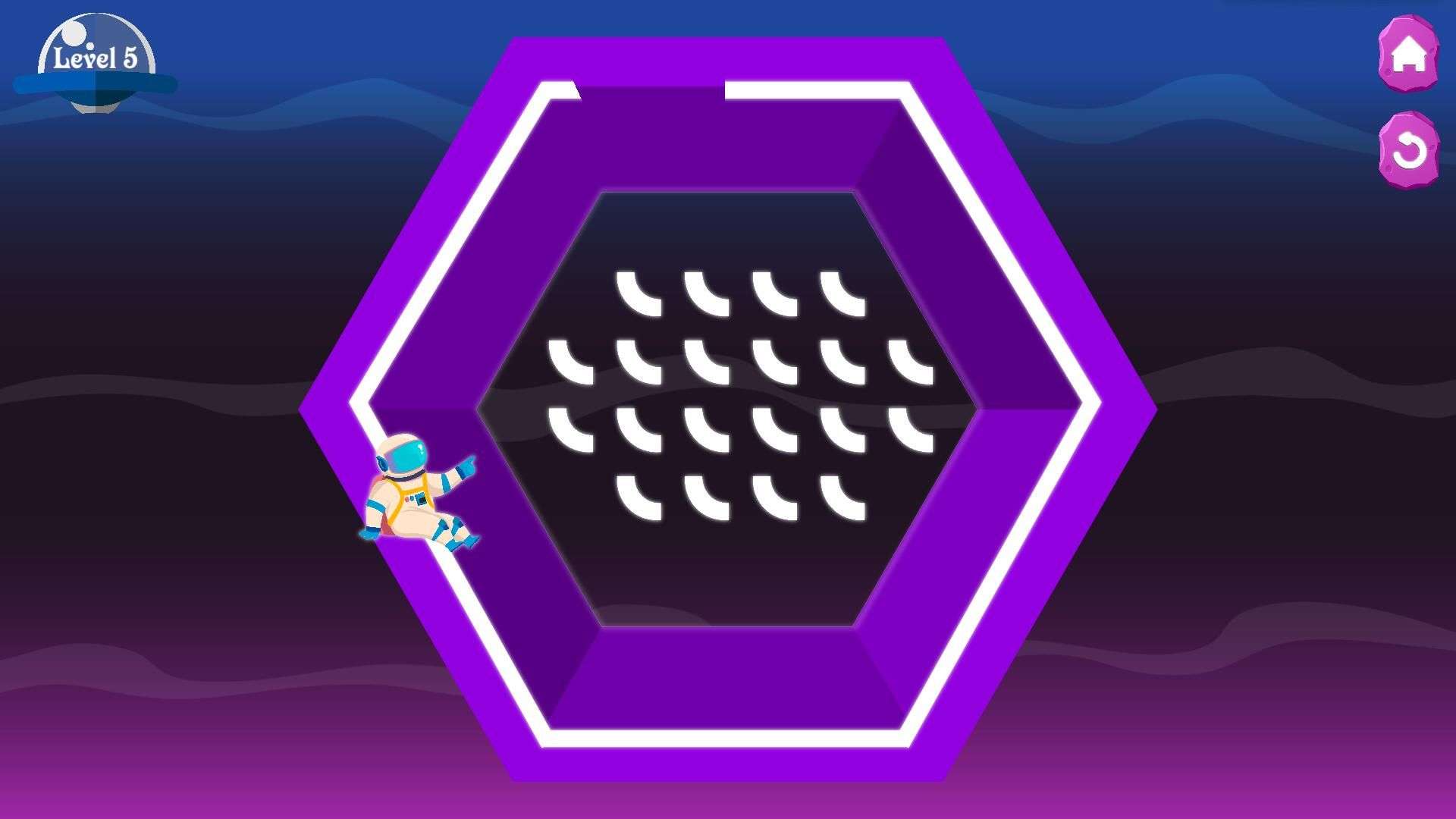
Fine-tuning and error correction need to be precise and decisive, which is the key to breaking through bottlenecks. When stuck, first check the rotation angle of unassembled modules—most modules can be adapted with just a 180-degree flip or 90-degree rotation, and angle switching can be achieved through quick consecutive clicks. If "isolated modules" appear after assembling a local area, it is highly likely that adjacent modules are in the wrong position. Temporarily remove the assembled modules in this area and re-fine-tune the position based on the anchor. It is recommended to use a single finger to tap and rotate during operation to avoid accidentally touching and disrupting assembled modules. If you accidentally mess up, prioritize restoring the anchor and frame modules, then gradually restore the details.
Maintaining rational patience is an invisible guarantee for clearing the game. The game difficulty increases in a stepped manner—later puzzles have more modules and more complex shapes. If you fail to break through after 5 consecutive attempts, temporarily look away for 30 seconds to refresh your brain's perception of the module layout. When you return, you will often find connection clues that were previously overlooked. Remember that the core of puzzle-solving is "matching characteristics" rather than "blind trial and error". Clarify the connection requirements of the module before each operation—accurate matching is far more efficient than repeated attempts. Adhering to this mindset will allow you to steadily unlock the mothership door.