
















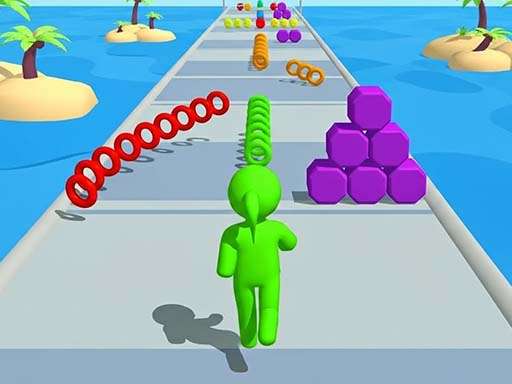
What Makes Long Neck Runner Tick
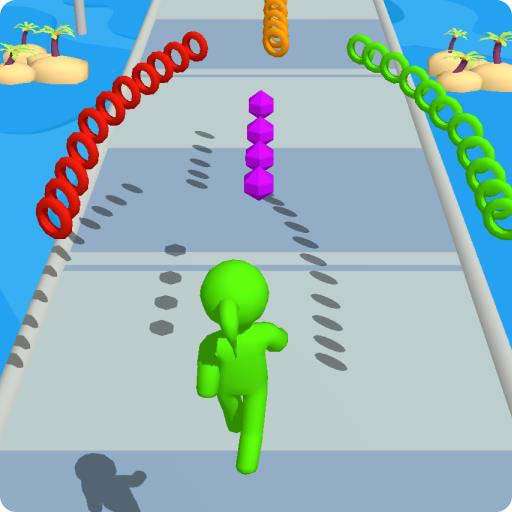
Long Neck Runner is a simple arcade game built around one clever idea: the farther you run, the longer your neck grows. That longer neck isn’t just for show—it helps you reach bonus rings and unlock hidden surprises. But it also makes you a bigger target. The traps don’t get any easier, and your hitbox effectively grows with you. That tension—stretching for rewards while trying not to get clipped—is what keeps the game interesting.
Basic Controls and First Steps
You control your character with the left and right arrow keys. That’s it. No jumping, no crouching, no special moves. The game is about positioning more than reaction speed, though quick decisions help. At the start, focus on staying centered and getting a feel for how your character moves. The lanes aren’t always even, and obstacles can appear from either side.
Don’t rush. The early sections are forgiving, so use them to practice small, precise movements. Overcorrecting is a common mistake—tap the keys gently rather than holding them down.
Why Ring Color Matters
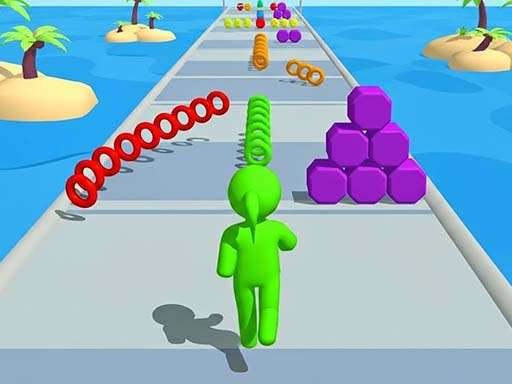
Not all rings are the same. You want rings that match your character’s color. Grabbing those extends your neck, which lets you reach higher bonuses and triggers hidden effects. Mismatched rings still count for score, but they don’t help with progression. If you see a cluster of rings in your color, it’s usually worth veering toward them, even if it means taking a slightly riskier path.
One thing the game doesn’t tell you: the neck extension from matching rings is gradual but cumulative. Missing several in a row won’t ruin your run, but consistently grabbing them makes later sections noticeably easier because you can reach bonuses that would otherwise be just out of range.
Common Mistakes New Players Make
The biggest trap is tunnel vision. When you focus only on the rings, you tend to drift into obstacles. Keep your eyes on the path ahead, not just the collectibles. Another mistake is sticking to one lane. The game expects you to move around—staying in the middle might feel safe, but it often puts you right in the path of oncoming traps.
Also, don’t ignore the early rings just because they seem easy. Those early bonuses can snowball into bigger advantages later. Every missed matching ring is a missed chance to stretch a little further.
When the Difficulty Spikes
Around the midpoint, the game starts throwing faster obstacles and tighter ring patterns. This is where most runs end. The key is to prioritize survival over collection for a few seconds. If a section feels too crowded, just dodge. It’s better to skip a few rings than to lose your run entirely. The hidden surprises aren’t going anywhere—you can grab them on the next attempt.
One editorial observation: the difficulty curve isn’t perfectly smooth. There are moments where it feels like the game suddenly expects you to react faster than before, and that can be jarring. If you hit one of those walls, don’t assume you’re doing something wrong. It might just be a poorly paced section. Take a breath, try a different approach, and you’ll eventually find a rhythm.
Who Should Play This Game
Long Neck Runner works best for players who want short, repeatable runs with a clear sense of progression. It’s not a game you sink hours into—it’s a game you play while waiting for something else. The loop is simple enough to pick up in seconds, but the neck mechanic adds just enough depth to keep you coming back for a few more tries. If you enjoy games like Subway Surfers or Canabalt but wish they had a weirder twist, this is worth a look.