
















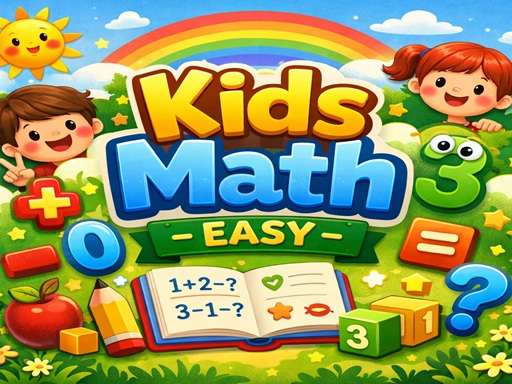
What Exactly Is Kids Math Easy?
It’s a very straightforward browser game aimed at children under 10. You get simple addition and subtraction problems using only the digits 0, 1, 2, and 3. But there’s a catch: each question disappears after a few seconds. If you don’t tap the right answer in time, that question is gone.
The whole thing is built around speed, not difficulty. The math itself is easy—no surprises there—but the timer makes it feel more like a reflex test than a worksheet.
How Playing Actually Feels
You start, and immediately a problem pops up. You look at it, maybe do a quick mental count, and tap one of the answer options. Then the next one appears. And the next. There’s no waiting around.
The time limit per question is short enough that you can’t really double-check your answer. That’s the point. For a young child, this can be exciting—like a mini game show. But it can also be stressful if they’re still uncertain about basic arithmetic.
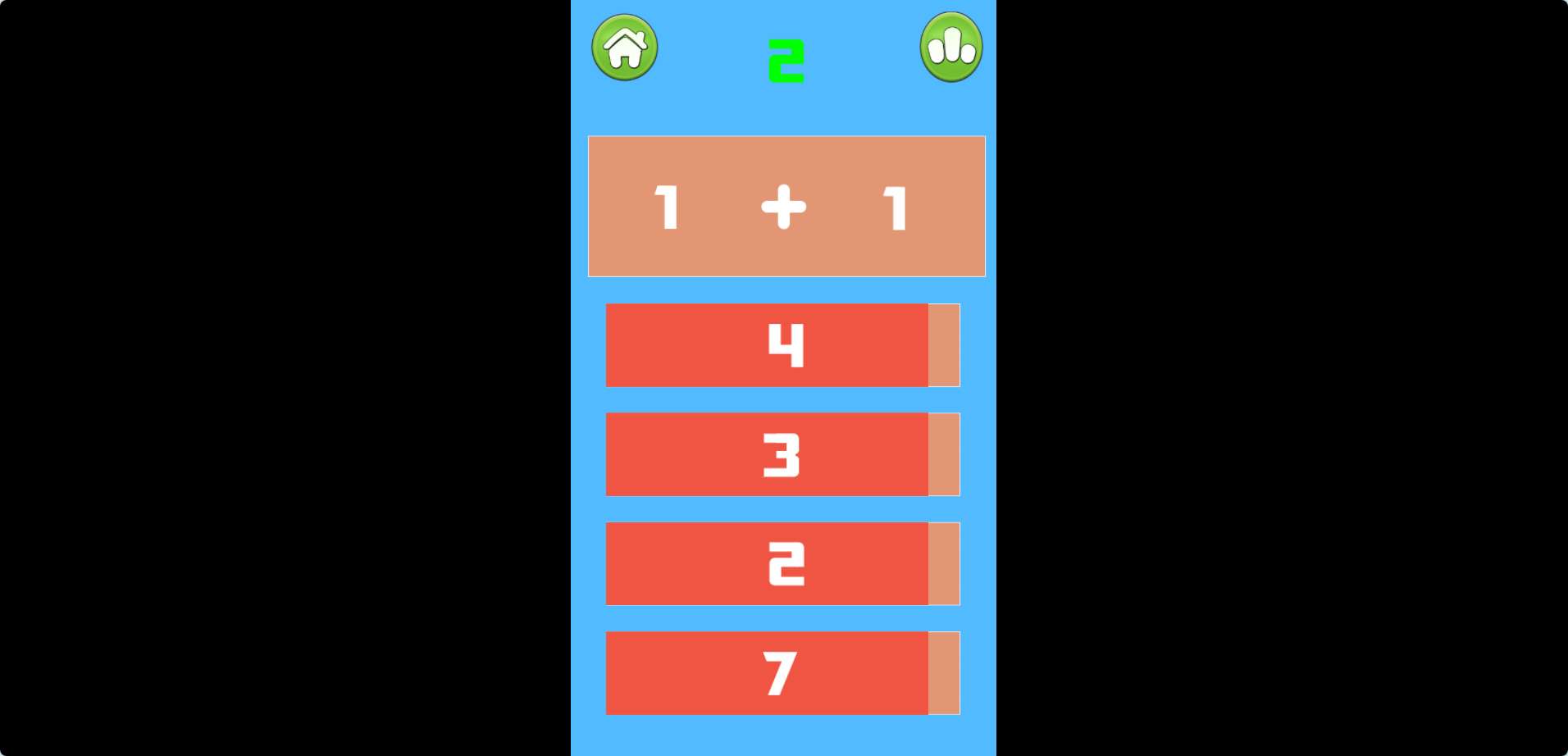
One thing I noticed: the game doesn’t slow down or give hints if you get one wrong. It just keeps moving. That’s fine for a quick play session, but it doesn’t feel like it’s teaching. It’s more like a timed quiz that rewards speed.
Who Is This Actually For?
Honestly, this works best for kids who already know their numbers and can add/subtract up to 3 without counting on their fingers. If a child is still learning what 2+1 means, the timer might frustrate them more than help them.
For the kind of kid who enjoys beating their own high score, though? This is perfect. It’s quick, repeatable, and offers a clear goal: get more right answers in a row. There’s no story, no characters, no fancy graphics—just the math and the clock.
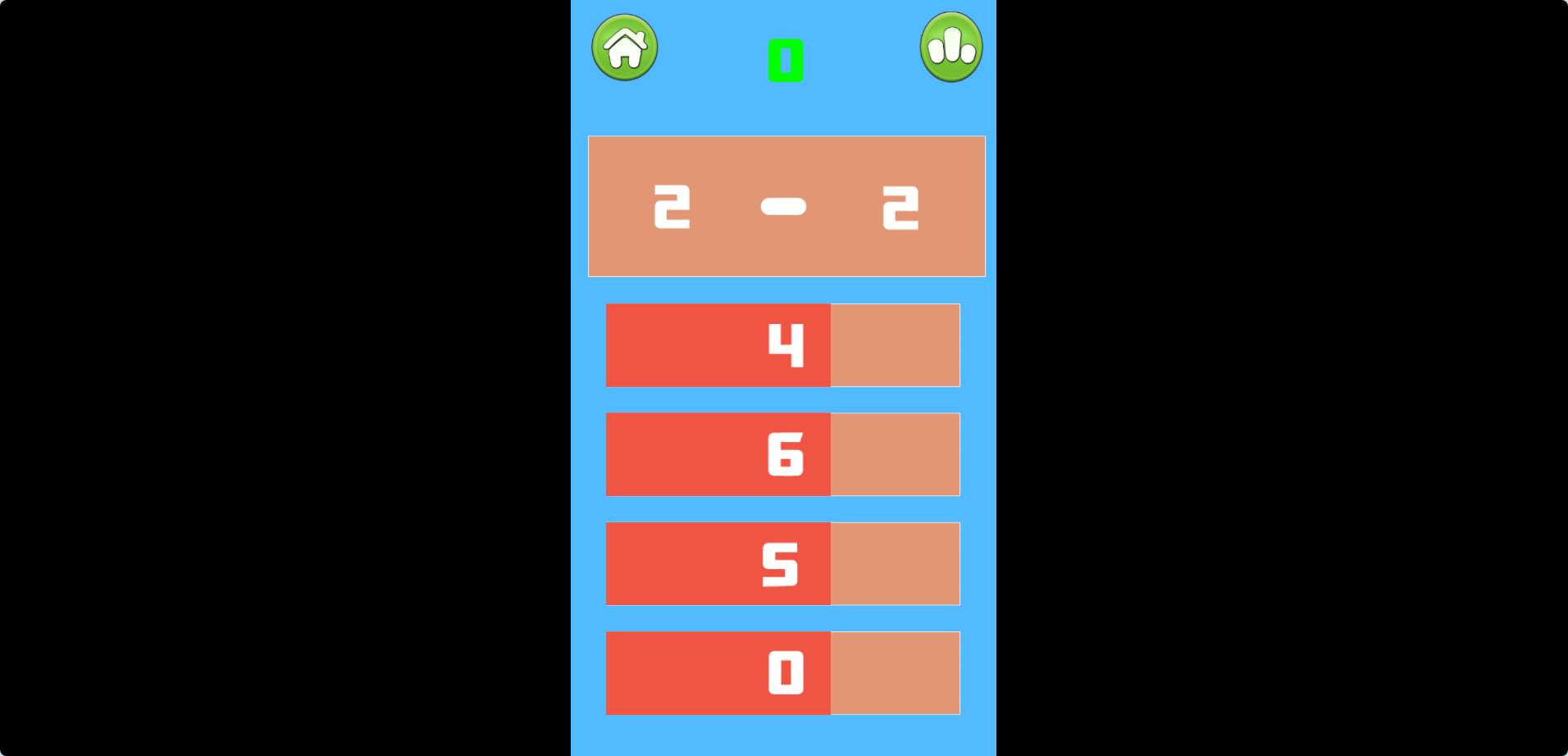
That might sound bare-bones, but sometimes that’s exactly what a young player needs. No distractions, just a clean challenge.
The Repetition Factor
Let’s be real: the problem pool is tiny. With only four numbers and two operations, you’ll see the same questions over and over pretty quickly. For a child who plays for five minutes and moves on, that’s fine. For longer sessions, it does start to feel repetitive.
But here’s the thing—kids often like repetition. They find comfort in knowing what’s coming and trying to beat their own time. So what looks like a limitation to an adult can actually be a feature for the target audience.
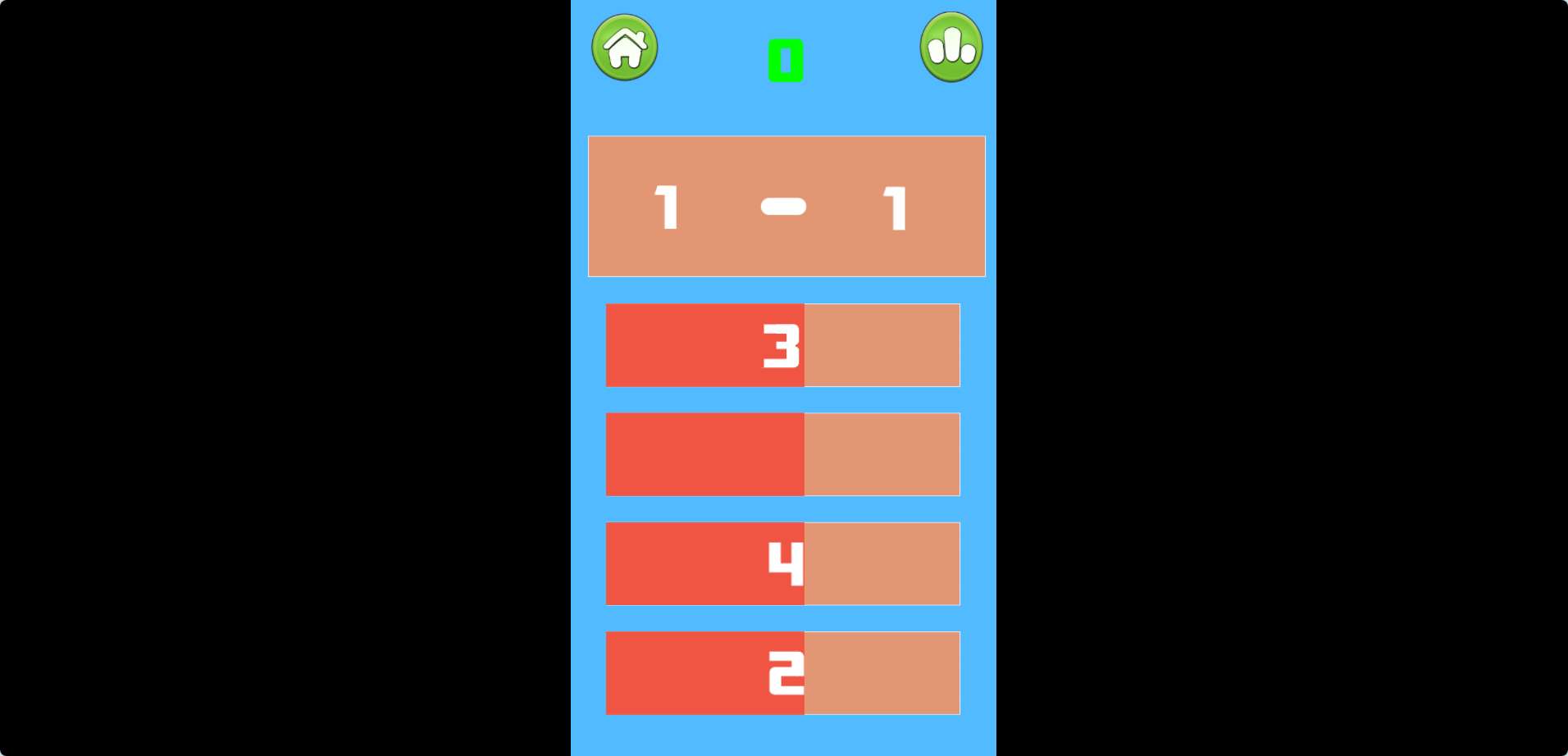
Still, I’d love to see a setting that adds slightly bigger numbers or a mix of operations once a child gets the hang of it. A little optional progression would give it more staying power.
Final Thoughts
Kids Math Easy doesn’t pretend to be more than it is. It’s a fast, minimal math game that tests quick thinking for young children. It’s not a tutorial or a deep educational tool. But as a way to practice mental speed with basic arithmetic, it does the job.
If your child enjoys beating records and has the basics down, this is a good quick-play option. If they need more guidance or a slower pace, you might want to look elsewhere.