


















Game Introduction
Floor Is Lava is definitely a fun, challenging game that’ll keep you hooked once you start playing! There are no complicated rules—its core goal is straightforward: never let yourself fall into the scorching lava!
In the game, you need to keep a close eye on the changing ground beneath you and plan every step carefully. After all, one small mistake could lead to being swallowed by the blazing lava. From simple platform jumps in the early stages to later levels that demand quick reflexes, the difficulty ramps up gradually. It never gets boring, while keeping the fun of challenge alive the whole time.
Dare you give it a try? See if you can beat all the levels, reach the end of each one successfully, and become a true "Lava Escape Master"!
Game Features
1. Zero-threshold Gameplay:
Core goal is simply "avoiding lava" with no complex rules, allowing new players to jump right in.
2. Progressive Difficulty:
Starts with simple platform jumps and gradually moves to high-difficulty levels that test reflexes, avoiding monotony.
3. Strong Instant Immersion:
Requires constant attention to changes underfoot, with every step’s decision tied to "survival," making it easy to focus.
4. Rewarding Level Clearance:
Clear feedback is given after each level, boosting motivation to unlock subsequent challenges.
5. Lightweight Experience:
No lengthy tutorials needed; playable in short bursts, letting you start a "lava escape" anytime.
Gameplay and Controls
1. Character Movement:
Control the character to move between platforms.
2. Basic Jump:
Trigger a jump to cross gaps between platforms.
3. Advanced Evasion:
Trigger a double jump to avoid dangers (unlocked in some levels).
4. Level Restart:
The current level resets automatically if you fall into the lava.
5. Pause & Exit:
Trigger the pause function to choose between continuing or exiting the level.
Game Guide
Floor Is Lava centers on the core gameplay of "avoiding lava and reaching the finish line". Though the gameplay seems simple, it hides many skills. Mastering rhythm and predicting risks is the key to going from a novice to a clearance expert. This guide will break down the core ideas to help you easily tackle challenges at all stages.
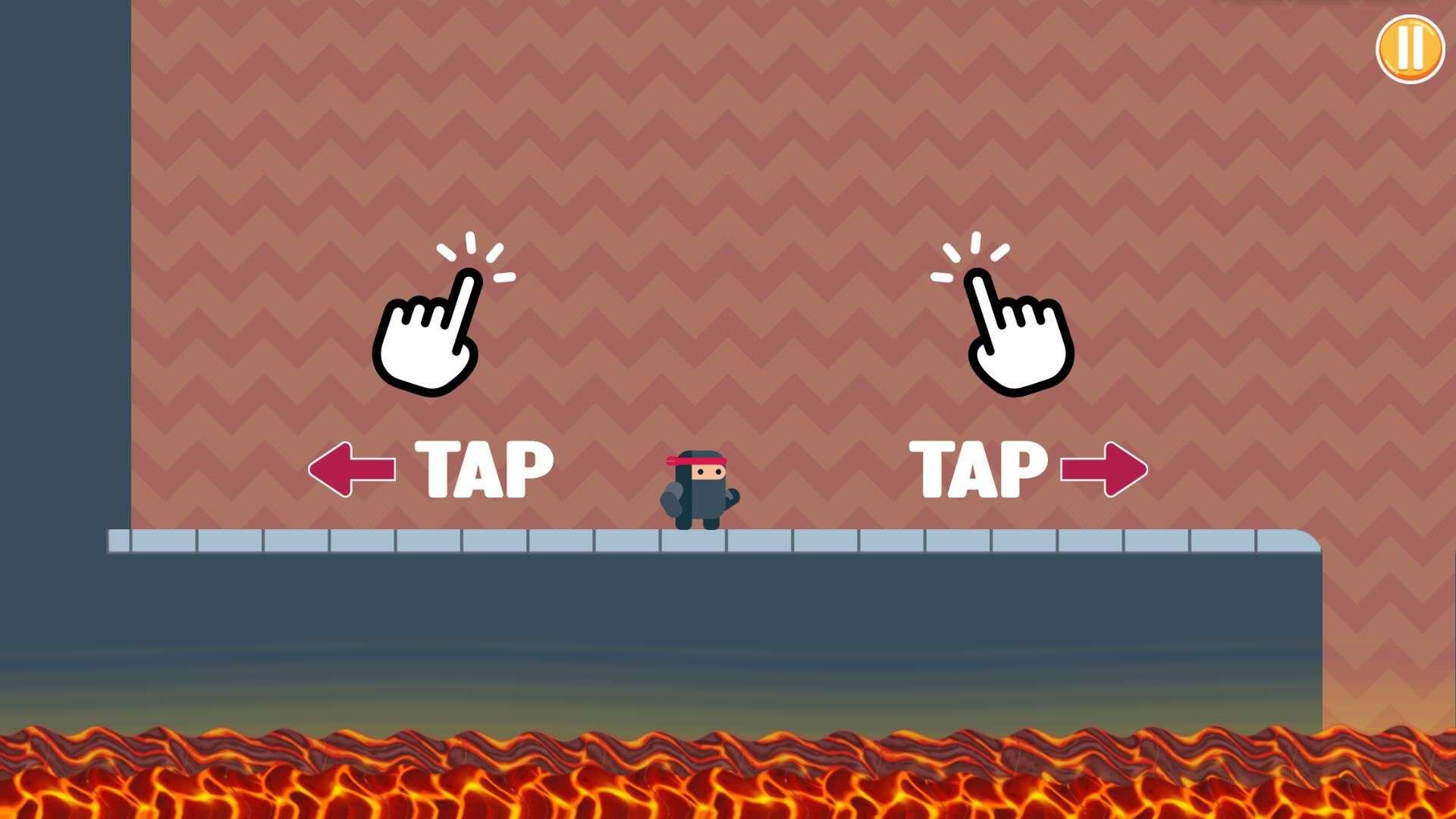
In the novice entry stage, the top priority is to establish the awareness of "survival first". In the early levels, platforms are densely distributed and the lava rises slowly. There's no need to pursue speed; the key is to practice the rhythm of "move - observe - jump". When moving, keep a close eye on the stability of the platform under your feet. Some light-colored platforms may be temporary springboards that collapse if you stay on them for more than 3 seconds. When you notice the edge of the platform flickering, move immediately. Before jumping, lock on to the next landing spot first. Prioritize platforms that are large in area and centered in position, and avoid aiming for the edges — even if you land successfully, it will leave hidden dangers for subsequent movements. If you accidentally step into the air, don't panic. Use the falling moment to observe the surrounding platforms, and you can adjust the route directly after restarting.
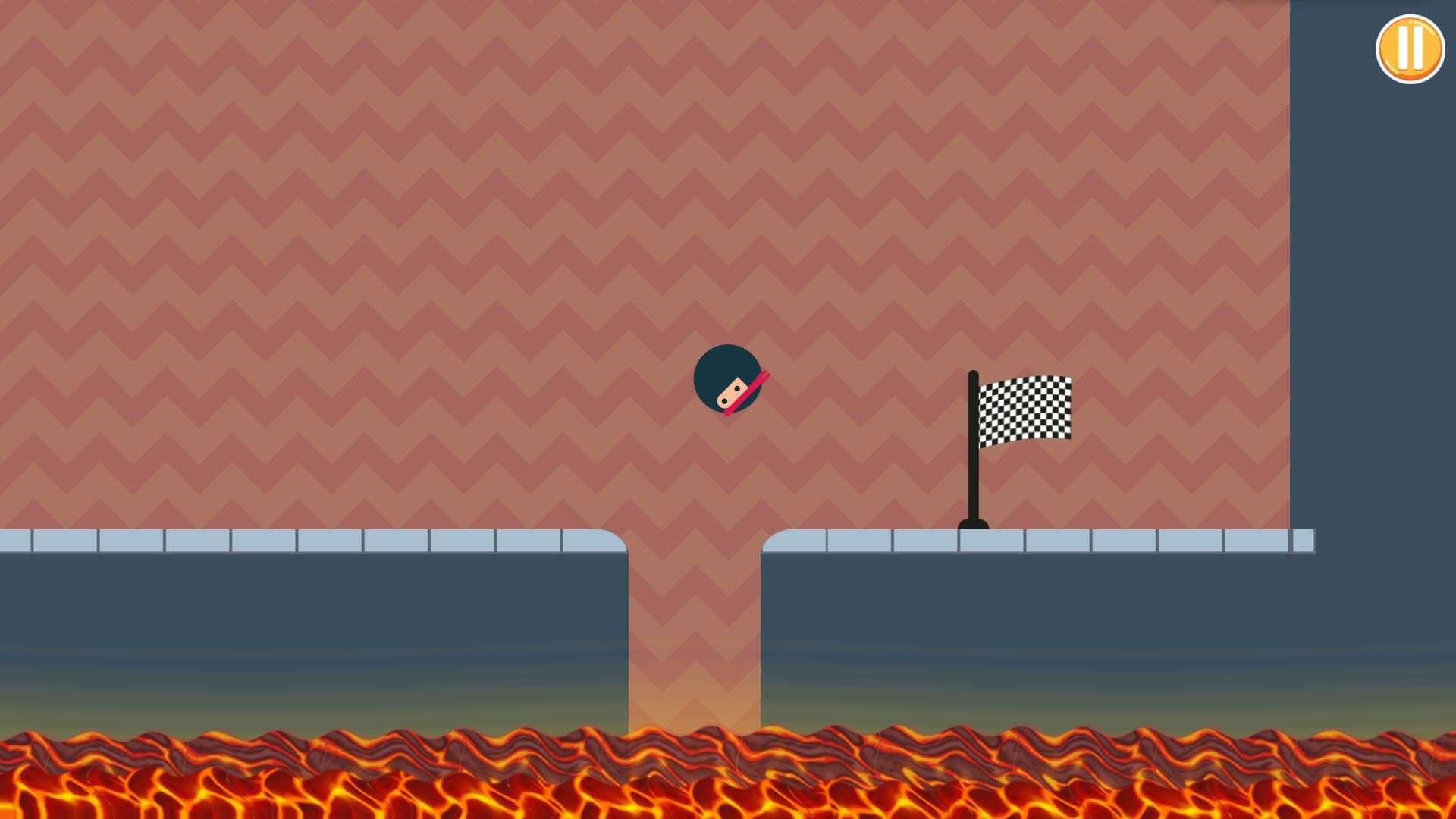
The core of the advanced stage is "combining prediction with skills". At this point, the levels will add moving platforms and rotating obstacles, and the lava will rise faster. The double-jump skill (unlocked in some levels) becomes crucial. When facing moving platforms, you need to predict their movement trajectory and jump only when the platform is close to avoid missing the target due to jumping in advance. When encountering a "dangerous path" composed of consecutive small platforms, you can use the double jump to extend the air stay time and adjust the direction to land accurately on the platform. It's worth noting that the "reaction window" for double jump is shorter. You need to charge up 1 second in advance to trigger it, and never operate it temporarily. In addition, some levels will set "hidden traps" before the finish line. For example, a platform that seems safe will sink with a delay. You need to pass quickly without staying.
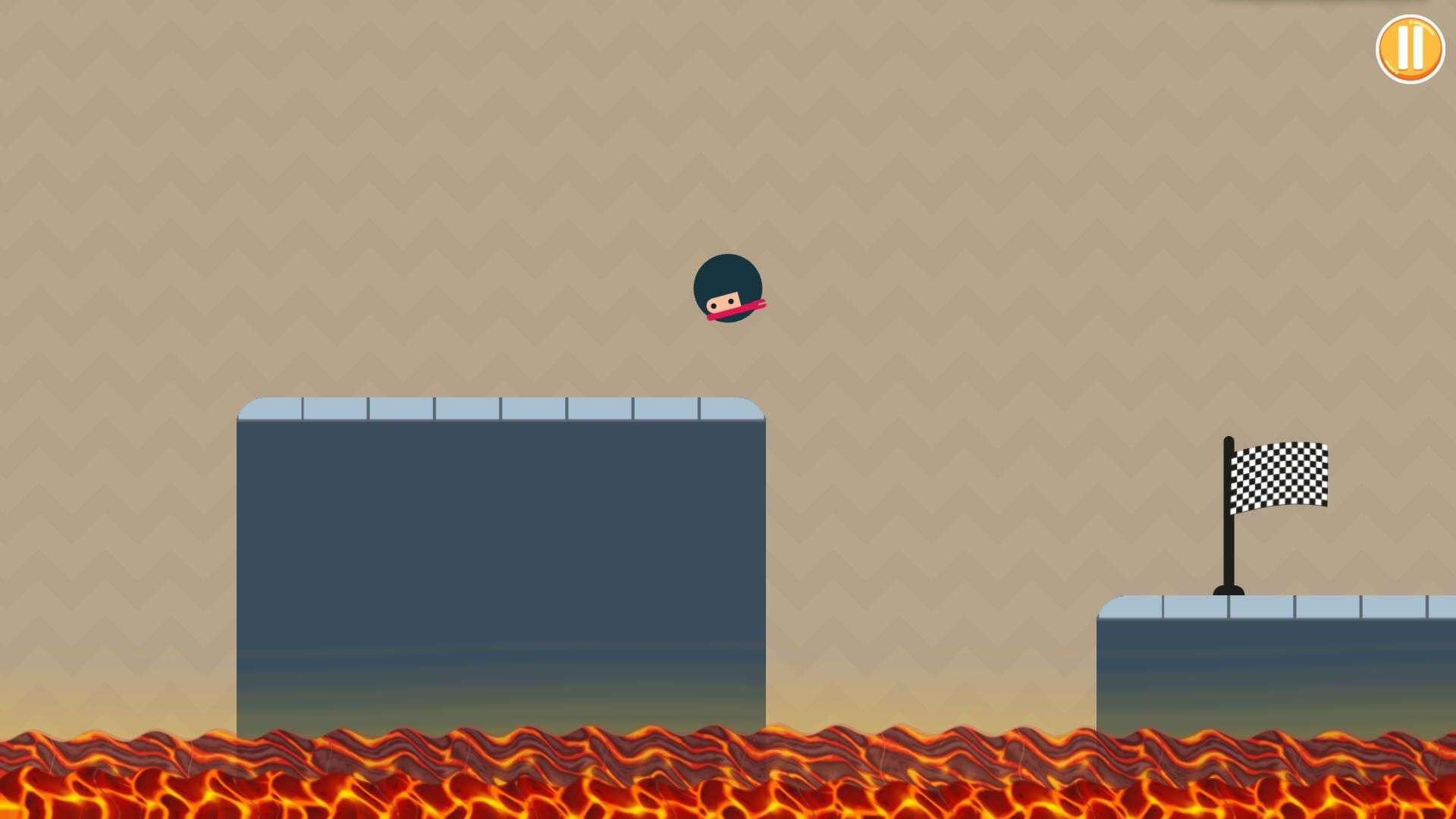
The key to breaking through high-difficulty levels lies in "route planning and mental stability". In the later levels, platforms are sparse and obstacles are dense. Blind jumping will easily lead to failure. After starting the level, stand on the initial platform to observe the entire field first, mark the "key springboards" — the core platforms connecting the starting point and the finish line, and then plan the "shortest route" to minimize the number of jumps. If there are obstacles such as rotating blades in the route, you need to remember their movement cycle and pass quickly when the obstacle turns to the other side. When the lava is about to submerge the platform under your feet, if you can't find an ideal landing spot, you can use the double jump to jump obliquely upward to gain air observation time and find a temporary landing spot.
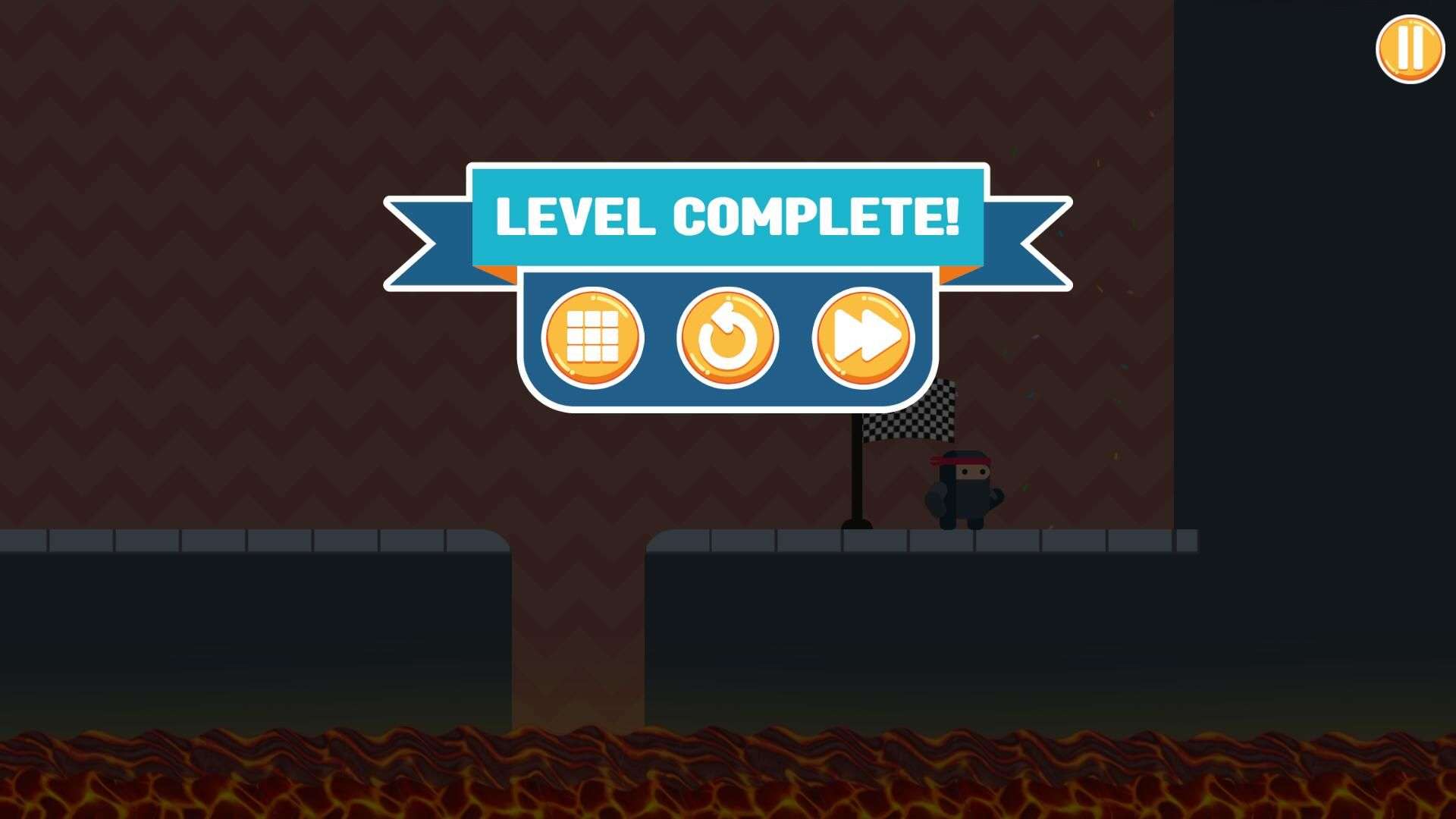
Finally, here are two practical tips: First, the "fragmented practice method" — for levels that you repeatedly fail, practice the difficult sections separately to form muscle memory. Second, "mental management" — after failing a high-difficulty level, review the route in time to avoid consecutive mistakes caused by impatience. Mastering these ideas, whether you are a novice or a player stuck in high-difficulty levels, can gradually improve your escape ability and successfully clear the levels to become a "lava escape master".