
















What Makes Match Colors Game Different
Most match-3 games ask you to swap adjacent tiles. Match Colors Game skips that entirely. Instead, you drag shapes from a reserve area onto the board. This small change makes a big difference in how you think about each move. You're not limited by what's next to what — you can place a shape anywhere there's space, which opens up more strategic options.
The lack of a timer is another welcome shift. You can stare at the board for as long as you like, figure out where each piece fits best, and never feel rushed. That alone makes it a solid pick for anyone who prefers thoughtful puzzles over speed-based challenges.
Basic Rules You Need to Know
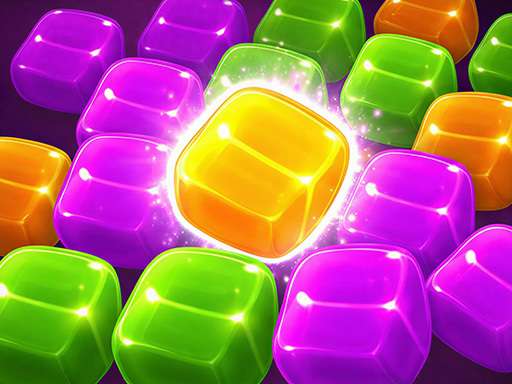
The core loop is simple: drag a shape from the bottom of the screen onto the grid. When three or more blocks of the same color touch — either in a row, column, or cluster — they disappear. Points stack based on how many blocks you clear at once.
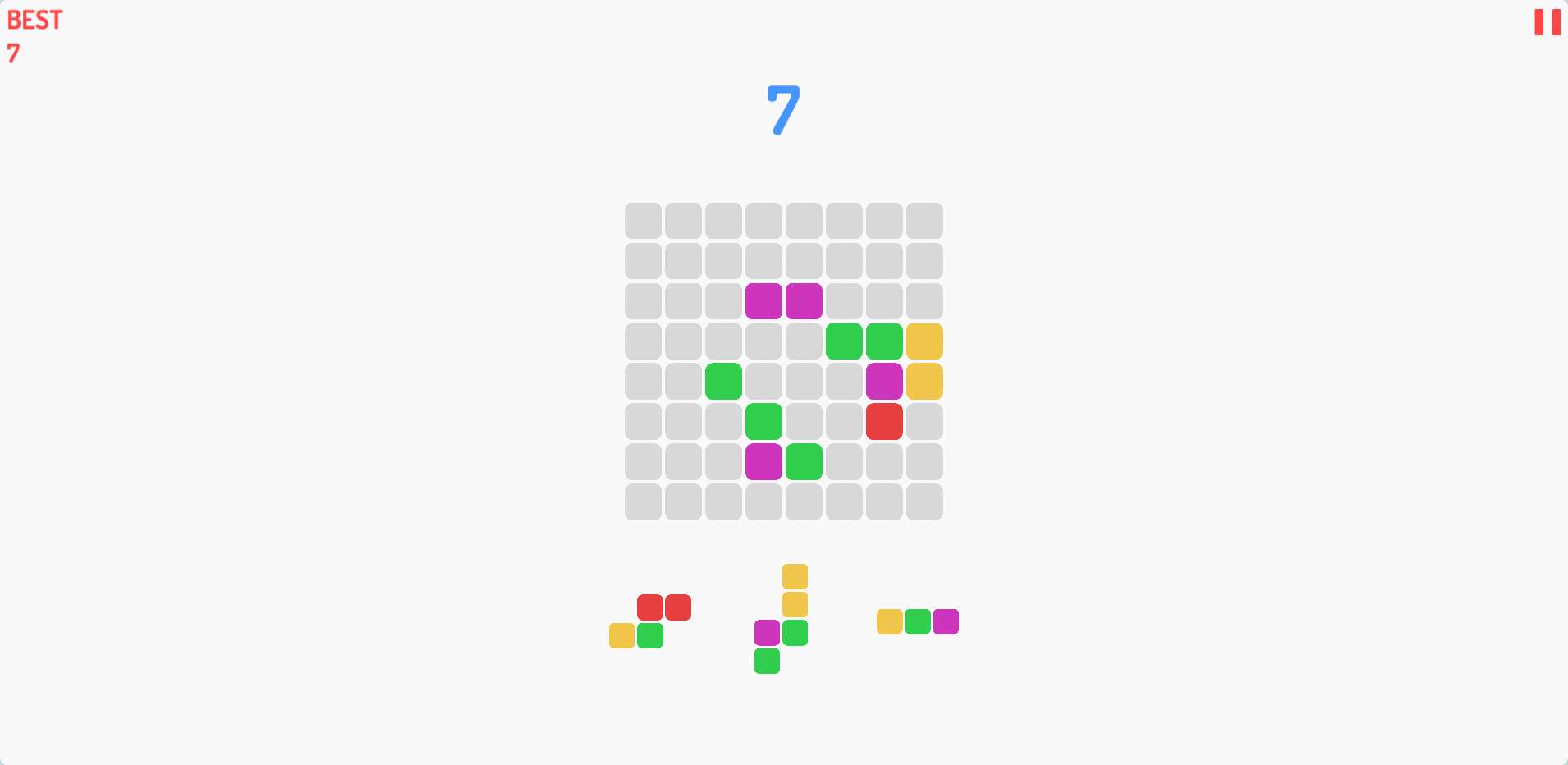
You can only place shapes in empty cells, so planning ahead matters. If you fill the board without making matches, the game ends. There's no way to remove a piece once placed, so every drop counts.
How to Build Bigger Matches
Going for matches of five or more blocks is where the real score jumps happen. A match of three might feel okay, but a match of six or seven can double or triple your points per block. To do that, you need to leave room for future pieces. Don't fill every gap right away. Leave open spaces near clusters of the same color so you can drop the next matching shape into that area.
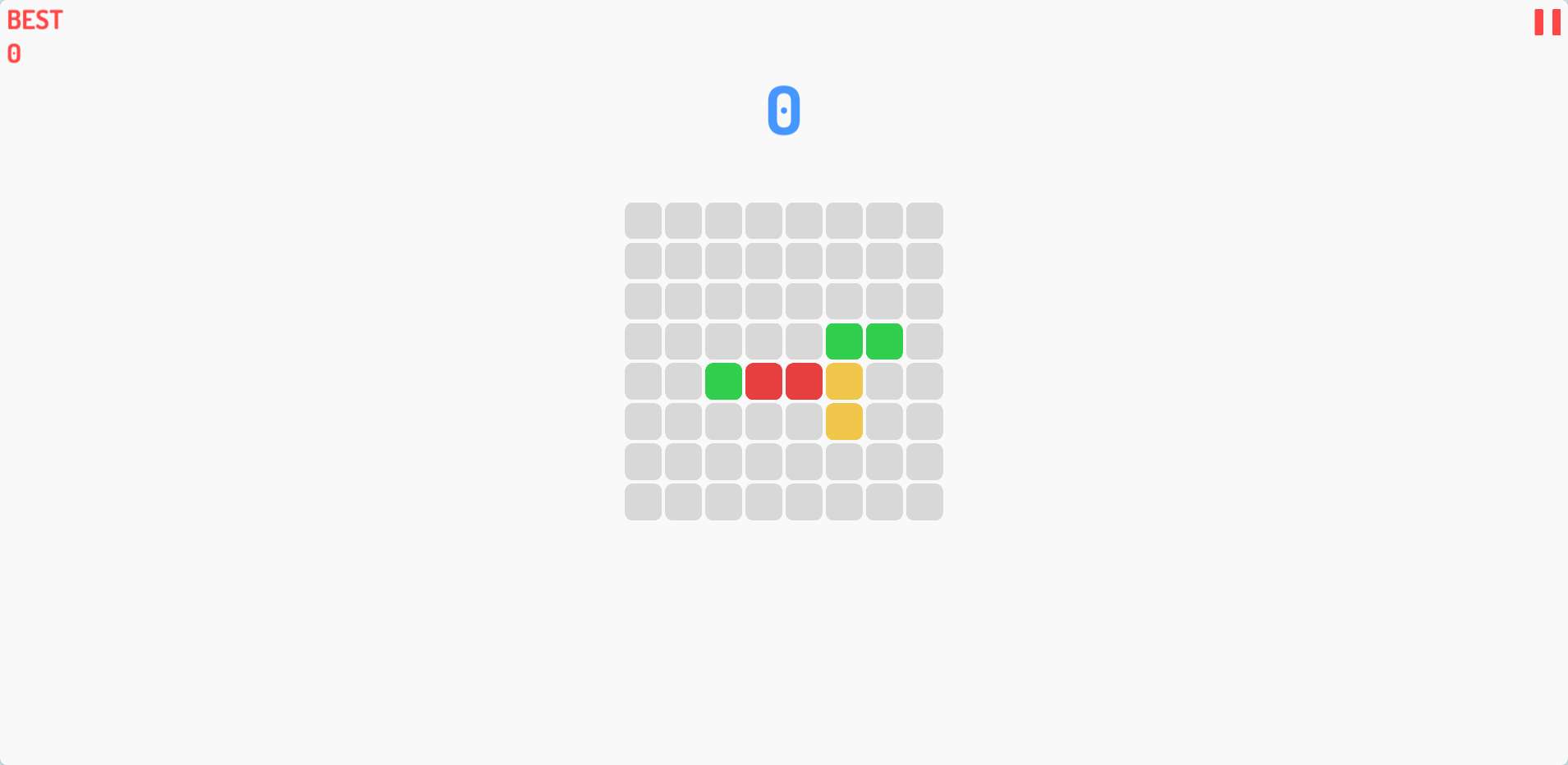
Also watch what shapes are coming next. The game shows you the next piece in line. If you see a large shape with blocks of a color you already have a cluster of, try to leave a spot open that fits that shape exactly.
Common Mistakes New Players Make
The biggest trap is placing pieces without thinking two moves ahead. It's easy to drop a shape into the first spot that creates a match, but that might block a larger match later. Another mistake is ignoring the edges. Corners and side cells are harder to fill with matching pieces, so don't fill them unless you're sure you can use them soon.
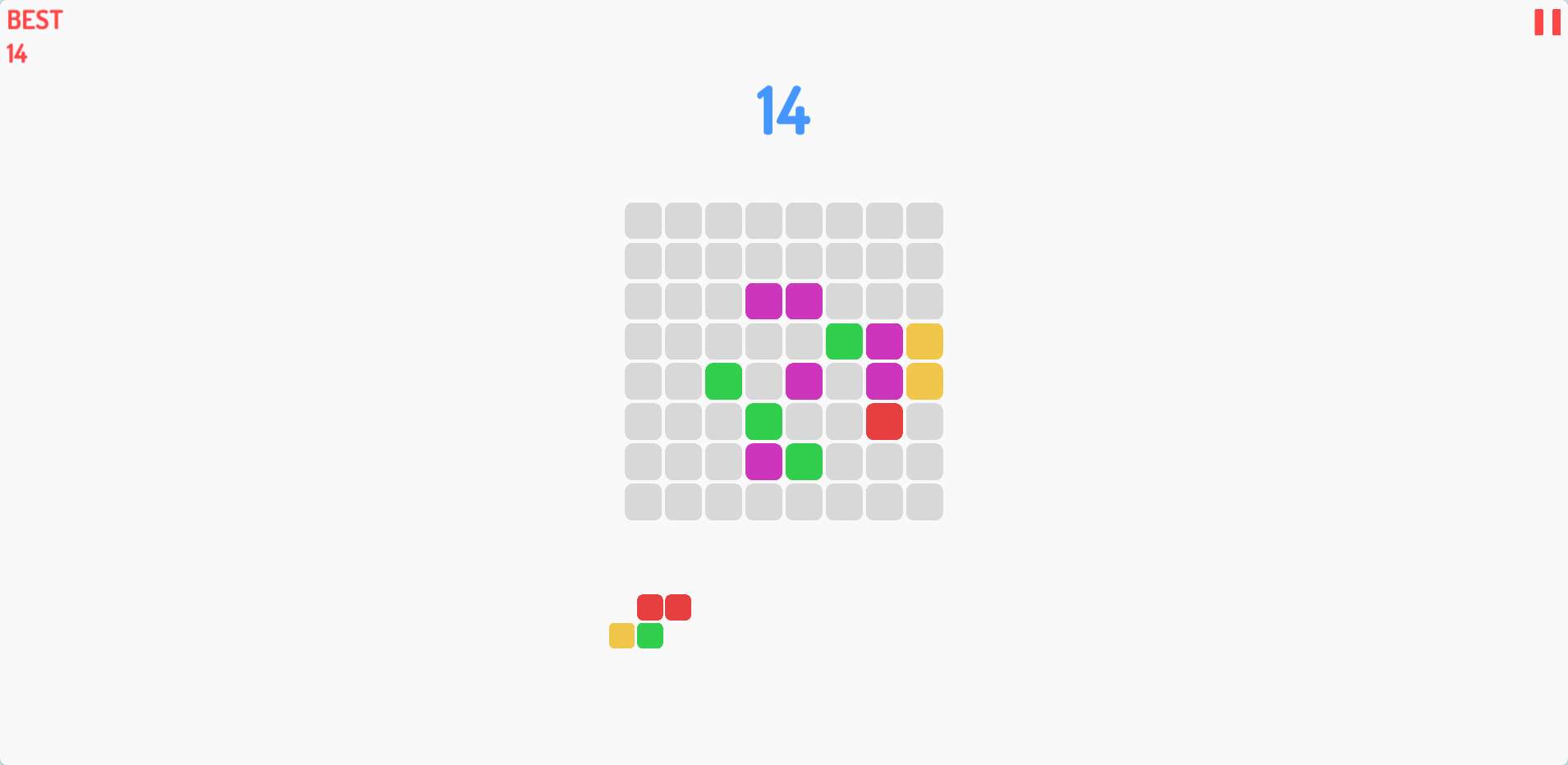
Some players also forget that the game doesn't shuffle pieces or give you a "skip" option. If you're stuck, you have to work with what you have. That's why leaving flexible space on the board is more important than clearing a small match immediately.
Who Should Play This Game
Match Colors Game works best for players who like puzzles they can solve at their own pace. If you enjoy games where planning beats reflexes, this one will click. It can feel repetitive after a long session — the shapes and colors don't change much — but for quick 10-minute rounds, it stays engaging. The scoring system rewards clever placement, so there's a satisfying loop of trying to beat your own high score without needing any frills or power-ups.