

















Game Introduction
Are you brave enough to step into a school where scares lurk around every corner and mysteries wait to be uncovered? In Horror School: Detective Story, you take on the role of a fearless detective—tasked with untangling the web of layered mysteries that shrouds this eerie campus.
Every scene pulses with tension: the air thick with suspense, the unknown lingering in every shadow, and every detail holding a potential clue. Choose your scenario complexity to match your skill, then dive in—your goal? Uncover the long-buried truth and drag the school’s hidden darkness into the light.
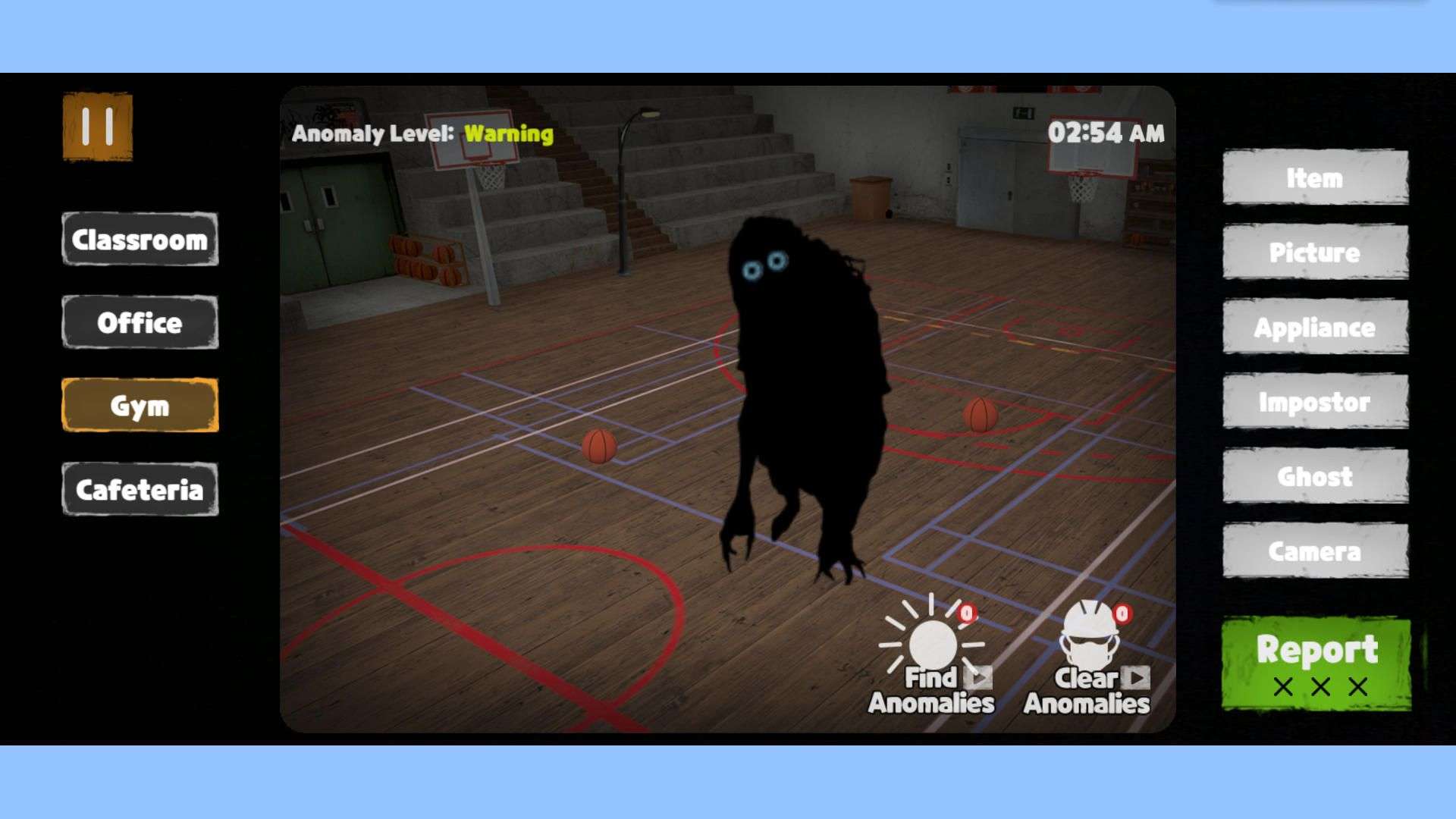
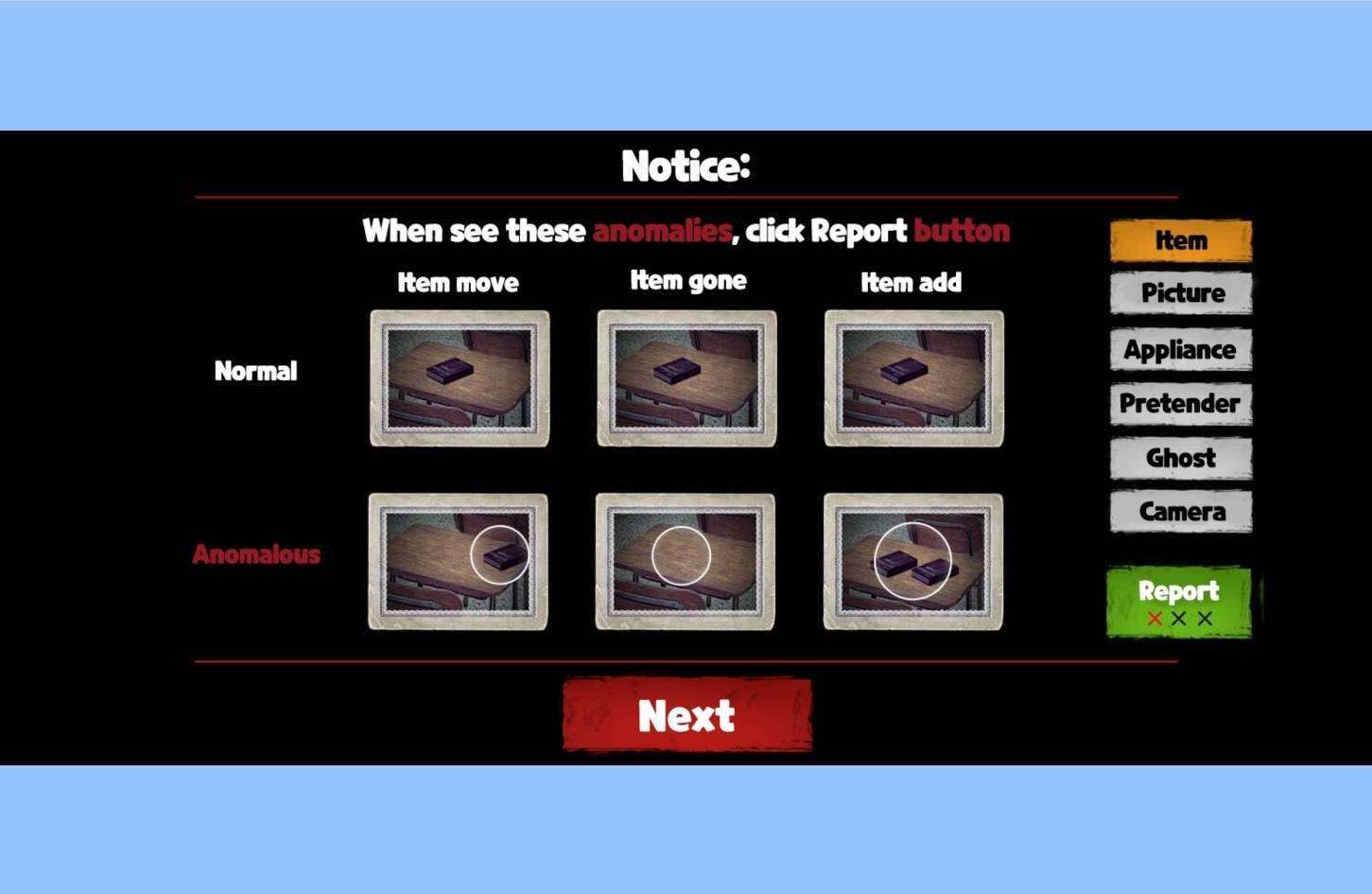
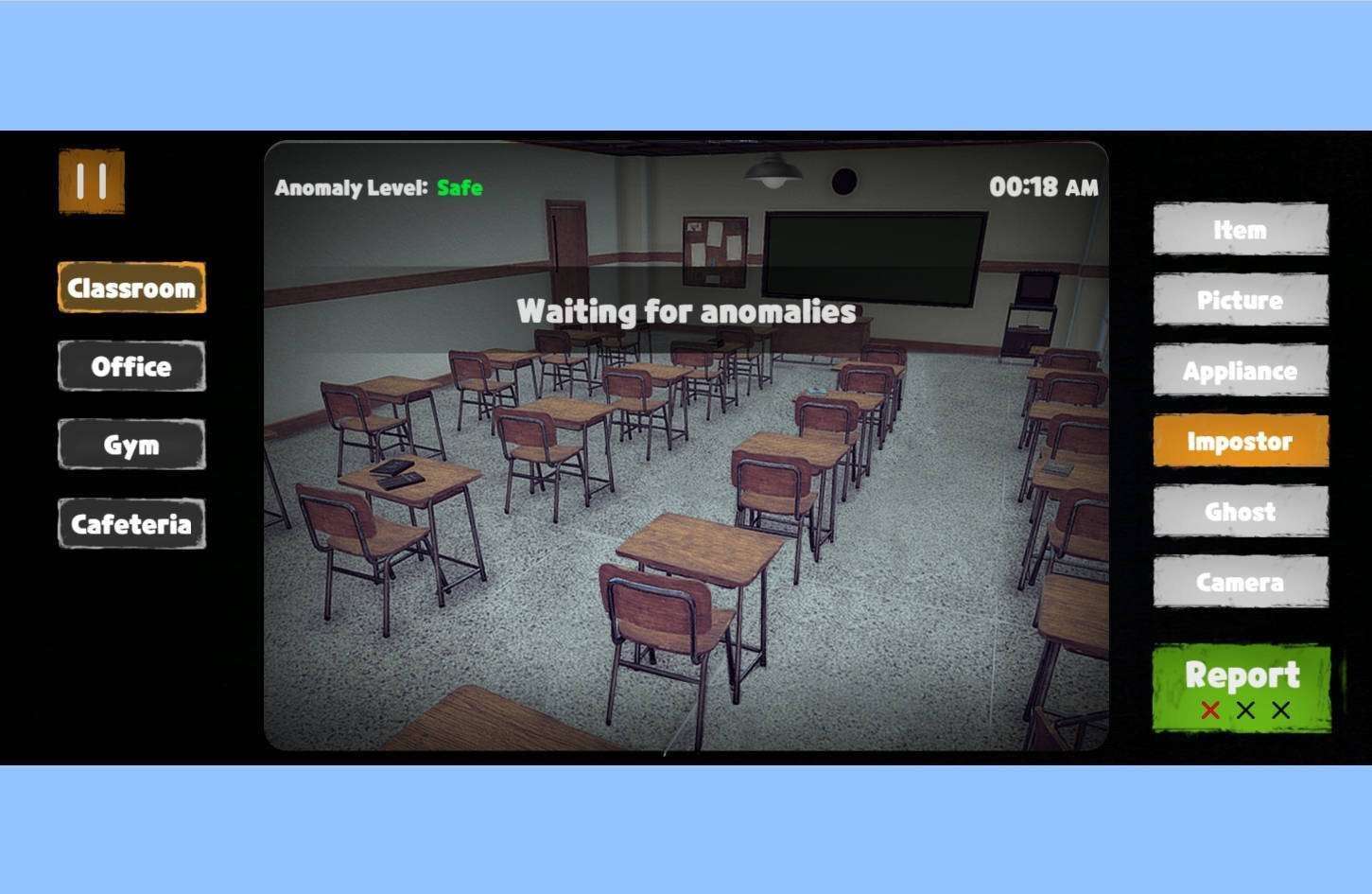
Keep your eyes sharp: scan scenes for oddities in objects, appliances, even framed pictures—anything that feels “off” could be key. Click the report button to flag what you find, and don’t let your guard down: the school’s unsettling atmosphere, bone-chilling sounds, and ever-shifting puzzles will test both your bravery and your wits at every turn. Collect reports as you go, piecing together the puzzle one clue at a time.
If you live for spine-tingling horror stories and thrive on the thrill of detective work—this is the game you’ve been waiting for.
Game Features
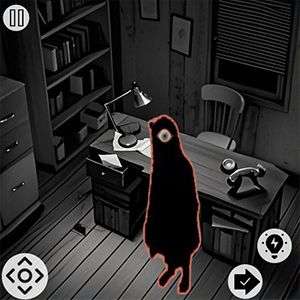
Suspenseful Detective Gameplay: Step into the role of a detective, inspect anomalies in scenes such as items and appliances, and collect clues to solve multi-layered school mysteries;
Immersive Horror Atmosphere: Set against the backdrop of a creepy school, paired with eerie sound effects, creating a tense and thrilling exploration experience;
Flexible Difficulty Selection: Support choosing the complexity of scenarios based on your own ability, adapting to the needs of different players;
Comprehensive Ability Challenge: Require both sharp observation skills to find clues and courage to deal with horror elements and ever-changing puzzles.
Gameplay and Controls
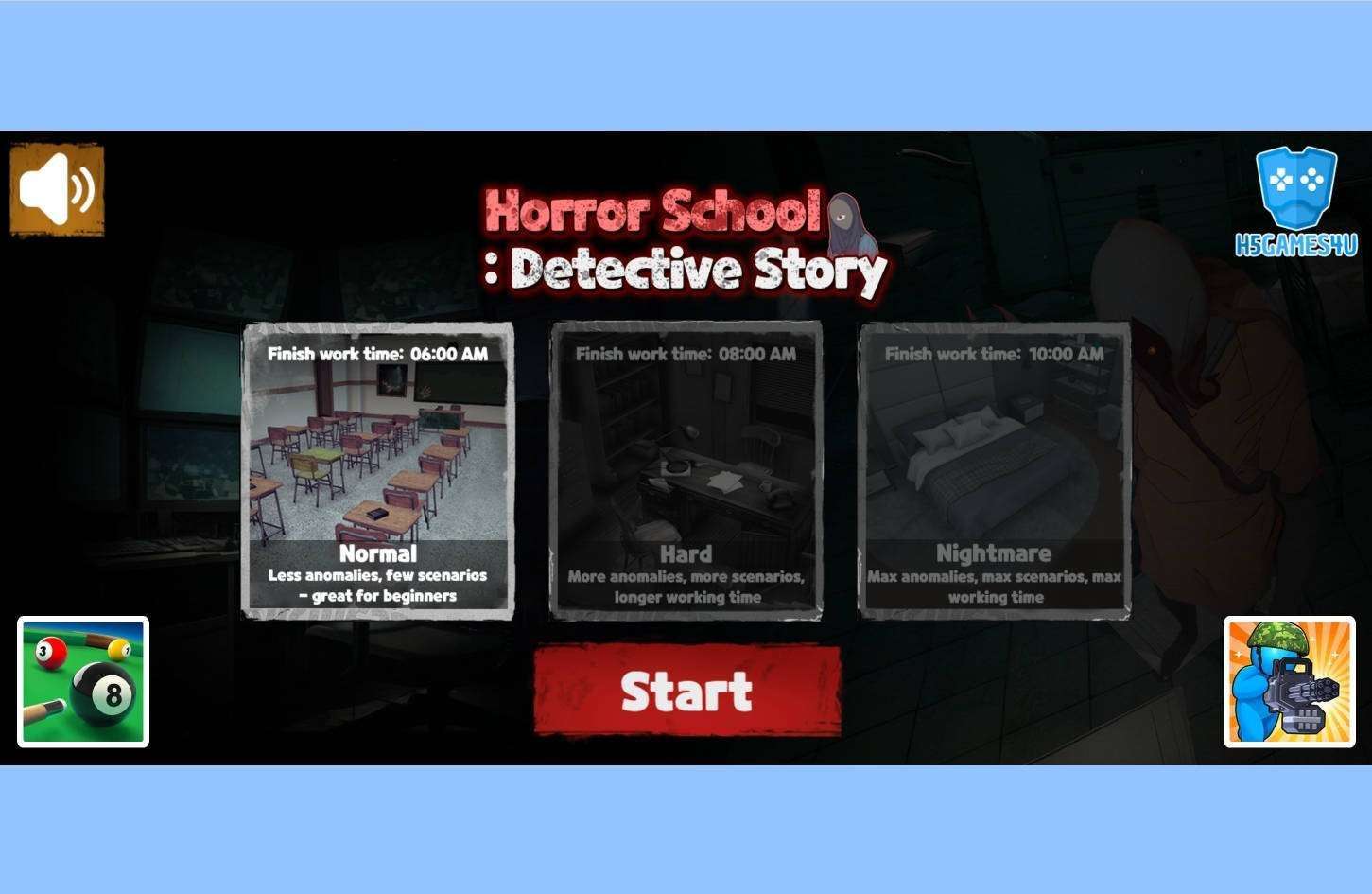
Start Selection: After launching the game, choose the scenario difficulty based on your ability to begin your campus exploration journey.
Core Controls: Slide/control the perspective to navigate through the scene, carefully check details like items and appliances, and click on detected abnormal objects to mark clues.
Clue Handling: Submit the found anomalies via the report button, collect and organize clue fragments, and gradually solve multi-layered puzzles.
Progress Advancement: Unlock new areas with clues, stay alert amid the eerie atmosphere and sound effects, and finally uncover the dark truth of the campus.
Game Guide
1. Start Choice: Difficulty Adaptation and Pre-Game Preparation
New players should prioritize the "Easy Mode": this difficulty triggers highlight prompts for abnormal objects and reduces the frequency of horror sound effects, making it ideal for getting familiar with the game's control logic. If you're seeking a challenge, "Hard Mode" requires manual recording of clue connections—we recommend preparing paper and a pen to organize information. After launching the game, first observe the layout of the initial scene, memorize the exit location and key interaction points (such as desks and display cabinets) to lay the groundwork for subsequent exploration.
2. Scene Exploration: Core Tips for Efficient Clue-Hunting
Traverse scenes using the "3D Scanning Method": inspect in the vertical order of "ceiling → walls → floor." Hidden clues (like tiles engraved with symbols) are often found in concealed spots such as chandelier gaps and mural corners. Focus on two types of objects: first, items with striking colors (red notebooks, rusted tools, etc.—over 70% of these are key clues); second, furnishings with logical anomalies (portraits hung upside down, desk lamps that are on without being plugged in). Click to mark anomalies immediately after discovery to avoid the need for repeated backtracking due to omissions.
3. Clue Handling: The Logic of Solving Puzzles from Fragments
After submitting a clue, immediately build a "Connection Tree" in your mind: categorize clues from the same scene (e.g., link reagent bottles in the laboratory to formulas on the blackboard) and mark connection points for cross-scene clues (e.g., sheet music in the library may correspond to radio frequencies in the broadcast room via homophones). When stuck, use the "Hypothesis Verification Method": for example, prioritize trying number combinations from the scene (such as calendar dates or class sign numbers) for safe passwords; if that fails, backtrack to find encryption hints. Making three consecutive wrong puzzle-solving attempts will trigger the hint mechanism—pay attention to objects that move automatically in the scene (such as slightly open drawers).
4. Progress Advancement: Unlocking Areas and Dealing with Atmosphere
After using core clues to unlock a new area, prioritize collecting all clues in the current scene before moving on—while backtracking takes time, it increases the trigger rate of hidden elements to over 80%. To cope with distractions from the horror atmosphere, use the "Goal Focus Method" to shift your attention: concentrate on the cycle of "finding anomalies → submitting → solving puzzles" and ignore meaningless horror sound effects. The final chapter requires integrating clues from all areas; focus on checking unconnected fragments (such as scattered photos and diary pages)—these are often the key to uncovering the school's dark truth.