

















Game Introduction
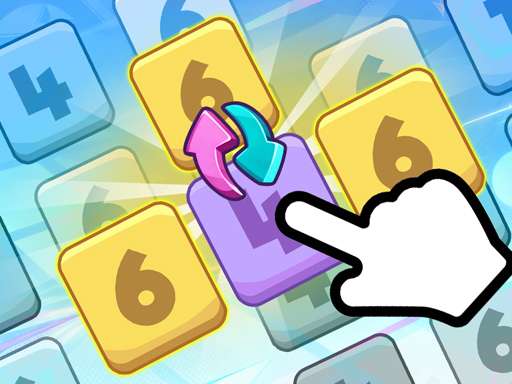
Sliding tiles has never been this engaging – glide numbered blocks in eight free directions, and watch identical numbers collide to merge into a single, bigger tile. With a sleek, minimalist aesthetic, the game boasts crisp visuals and calming sound effects that keep you focused without distraction. It’s more than just a casual pastime – it’s a delightful test of your strategic thinking and logical planning, blending gentle challenge with endless addictive fun that keeps you coming back for one more slide.
Game Features
1. 8-Way Free Sliding: Break free from traditional 4-direction limits – slide numbered tiles in any of the eight directions for flexible, unrestricted control.
2. Minimalist & Calming Vibe: Enjoy a sleek, clutter-free visual design paired with soothing sound effects, keeping you immersed without distractions.
3. Strategic & Logical Challenge: The merge mechanism for identical colliding tiles demands quick judgment and long-term planning, blending fun with satisfying challenge.
4. Easy to Learn, Hard to Master: Basic rules are simple enough for new players to pick up fast, while advanced merging strategies keep you eager to explore further.
Gameplay and Controls
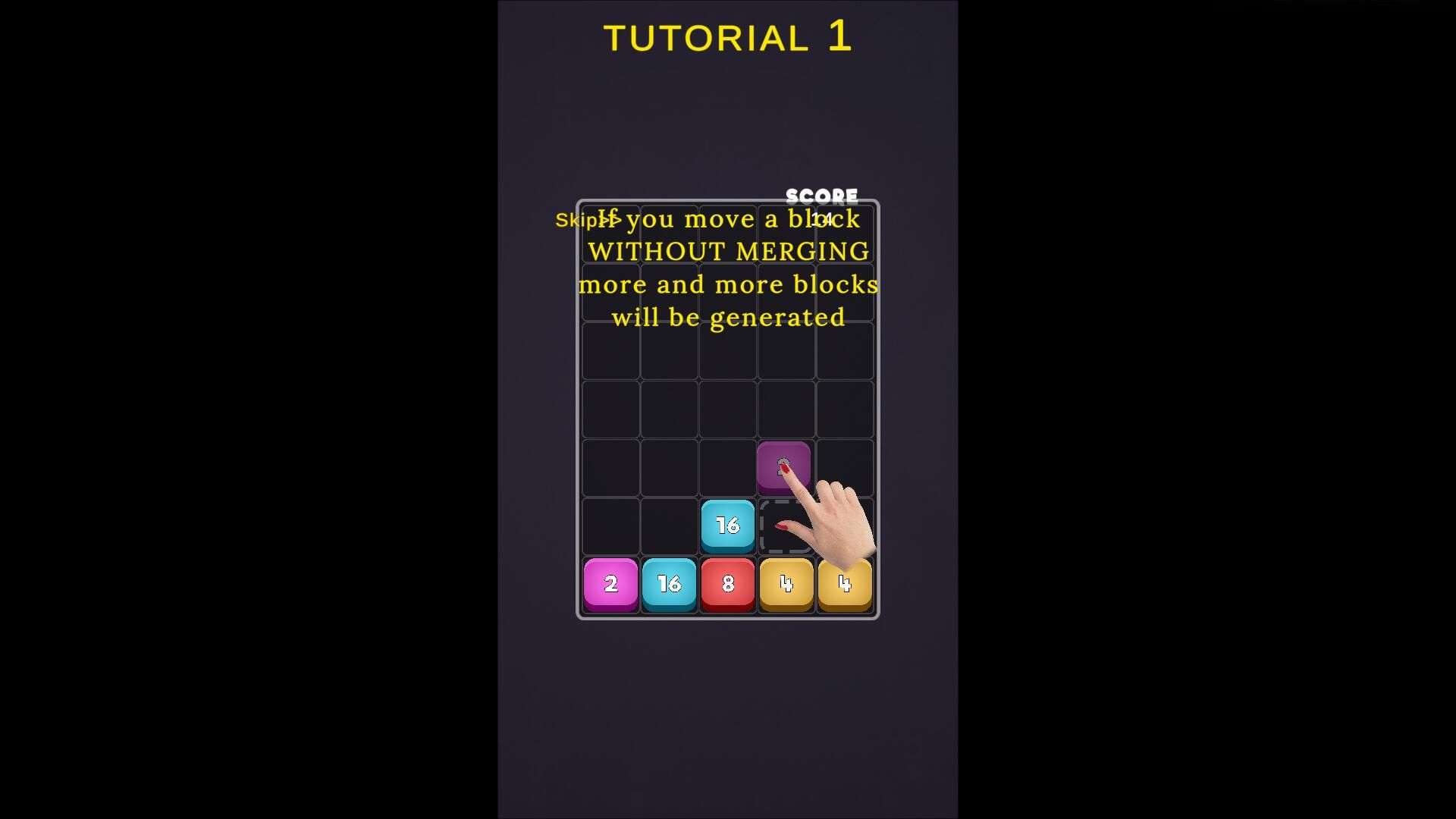
1. Sliding Operation: Slide the numbered tiles in any of the eight directions.
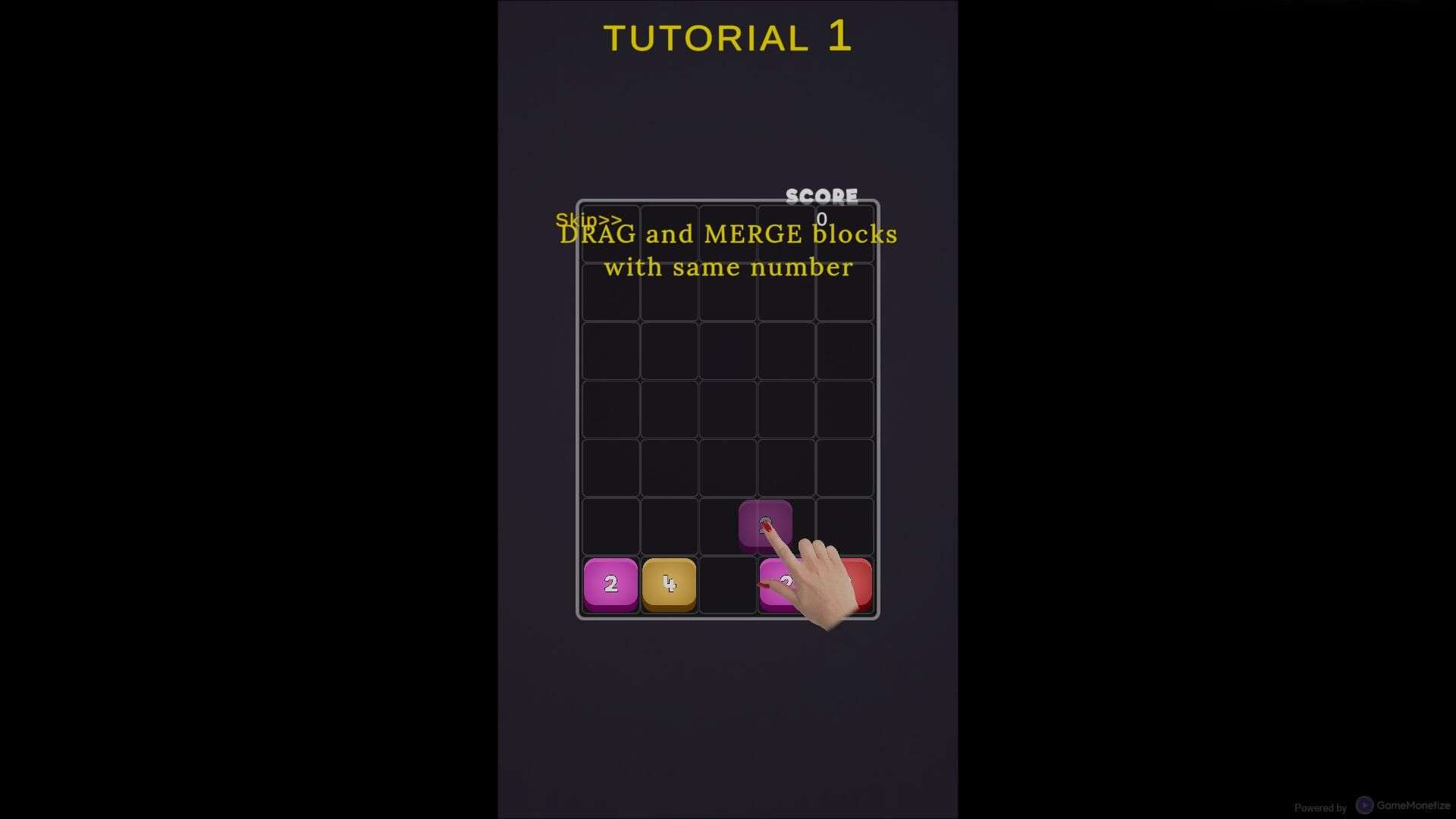
2. Merge Rule: When two tiles with the same number collide, they merge into one with a larger number.
3. Core Objective: Continuously generate tiles with larger numbers through sliding and merging.
Game Guide
This number merging game with 8-way sliding support may seem simple to operate, but it actually hides many strategic nuances. Many players fall into a dead end due to blind sliding in the early stages. Mastering the following tips will help you easily break through bottlenecks and steadily increase your score. The core idea revolves around "ordered layout, precise merging, and reserved space," balancing flexibility and planning.
I. Core Basic Principles: Avoid Blind Sliding and Establish a Fixed Area
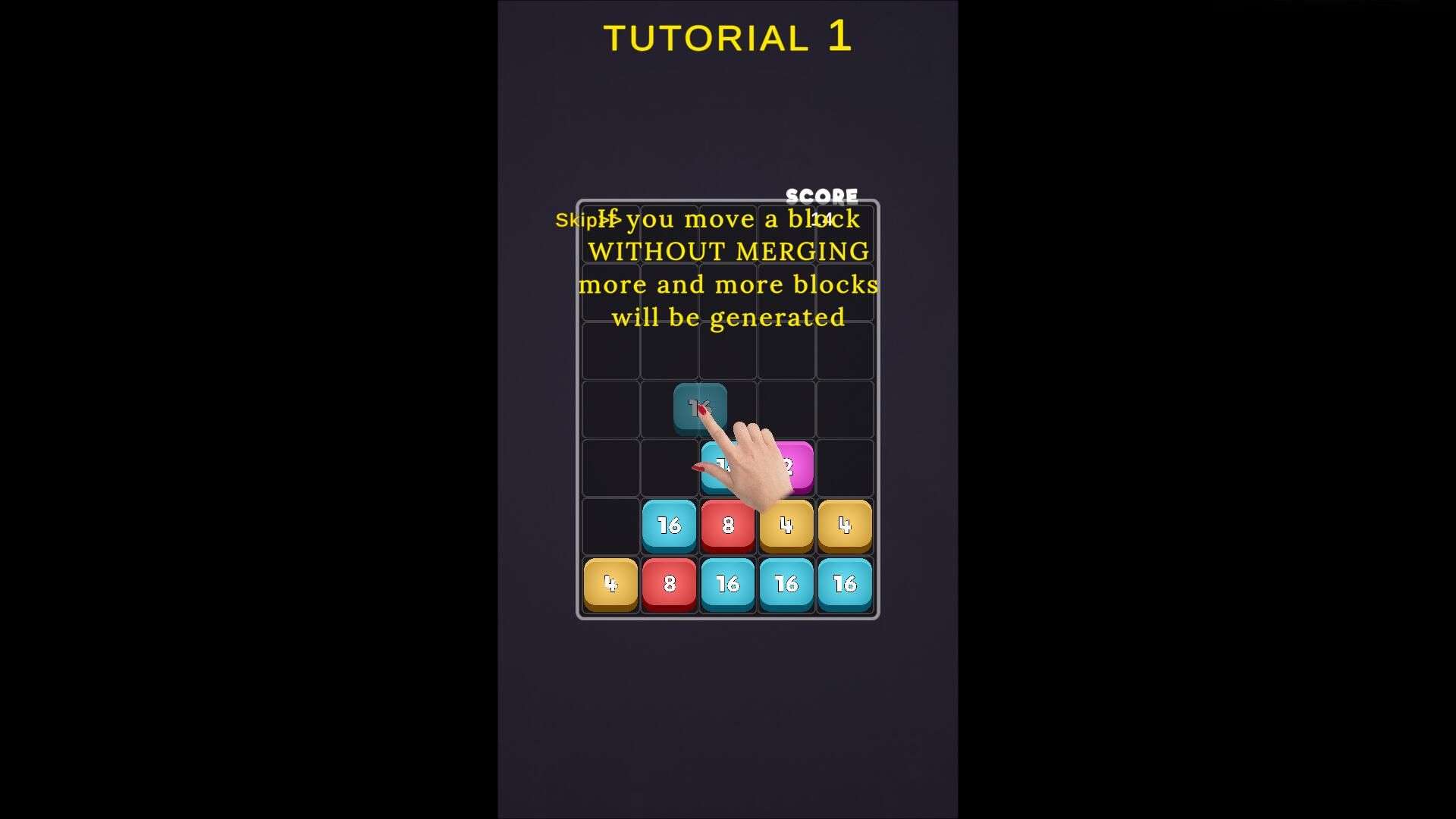
Although 8-way sliding is flexible, random sliding will cause chaotic number distribution and greatly increase the difficulty of subsequent merging. It is recommended that beginners first fix a "main merging area"—for example, choose the right side or lower left corner as the core area and concentrate high-number tiles here. When sliding, prioritize maintaining an orderly arrangement of tiles in the core area, while the non-core area is only used for transition or creating merging opportunities. For instance, place medium and high numbers like 16 and 32 in the corner of the core area, surrounded by low-number tiles to form a merging chain of "using high numbers to drive low numbers." At the same time, keep in mind: predict at least two steps ahead before each slide to ensure that the slide not only completes the current merge but also does not disrupt the possibility of subsequent merges.
II. Advanced Strategies: Control the Rhythm in Stages and Make Good Use of 8-Way Advantages
Early Stage (Numbers ≤ 64): The key at this stage is to quickly accumulate basic numbers. You can boldly use diagonal sliding to improve merging efficiency. For example, when there are two identical low numbers on the diagonal, slide diagonally to merge directly—it saves more steps than sliding horizontally then vertically. At the same time, try to keep identical numbers in an "adjacent state" and avoid having a single number isolated on the edge.
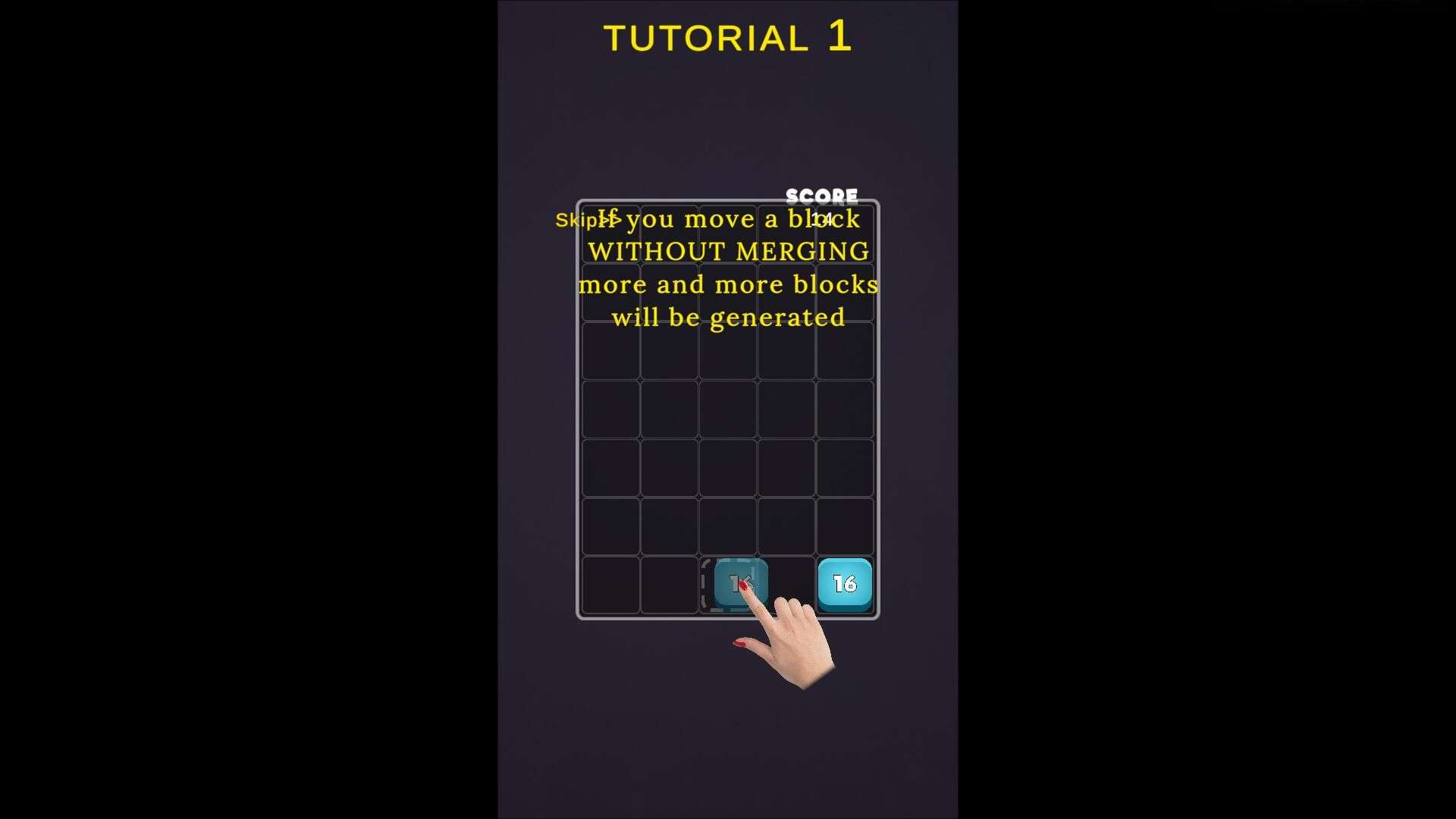
Mid Stage (64 < Numbers ≤ 256): At this time, the board space gradually becomes tight, so you need to reduce meaningless slides. Prioritize merging high-number tiles, and low-number tiles are only used as "foil." For example, when there are two 64s on the board, prioritize adjusting their positions to merge into 128 instead of focusing on merging multiple 2s or 4s. The advantage of 8-way sliding is prominent at this stage—when high-number tiles are surrounded by low-number ones, you can "break out" through diagonal sliding to avoid being stuck.
Late Stage (Numbers ≥ 512): The core is to "protect high-number tiles and reserve buffer space." Fix the highest-number tile in the corner and surround it with the second-highest-number tiles to form a protective circle, preventing it from being squeezed by low-number tiles. Be sure to reserve 1-2 empty grids when sliding as buffer space for adjusting positions. If there is no merging opportunity, you can create empty grids by sliding low-number tiles—never slide high-number tiles forcefully, which will cause position disorder.
III. Pitfall Avoidance Guide: Don't Make These Mistakes
Avoid frequent diagonal sliding: Although diagonal sliding is efficient, it easily disrupts the layout and should be used carefully in the late stage; do not pursue "full-screen merging"—sometimes abandoning the merging of small numbers can free up space for high-number tiles; reject "impulsive sliding": when there is only 1 empty grid left on the board, each step must be accurately predicted to avoid a direct dead end. Master the above tips and accumulate experience through actual combat, and you will be able to move freely in the 8-way sliding number world and easily strive for high scores.