
















Game Introduction
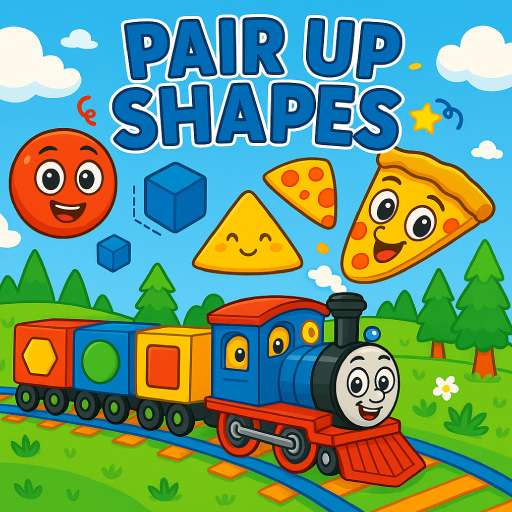
Want to help your little ones get to know all kinds of lovely Shapes, in the most fun and gentle way? Try this wonderful educational game!
Vivid, eye-catching colors cover the screen, and every single Shape comes with a cute, friendly animation that’ll make your kid smile. All it takes is a soft tap of their tiny fingers: they’ll get to hunt for the right match, and pair each special Shape with its perfect partner.
No confusing rules, no dull learning drills — just warm, happy playtime. As they enjoy the game, your little one will naturally learn to tell apart circles, squares, triangles and more basic shapes, while also building their observation focus and fine motor skills. It’s the perfect little pick for preschoolers, turning early shape learning into a delightful little adventure!
Game Features
1. Fun Cognitive Design for Learning Shapes Through Play
Combine the cognition of basic geometric shapes with the pairing gameplay. Children don't need to memorize in a tedious way — they will naturally recognize circles, squares, triangles and other shapes while finding and pairing different Shapes.
2. Kid-Friendly Experience Tailored for Young Children
It uses simple tap operations that fit the hand development of young children; matched with soft and bright colors, as well as cute Shapes animations, it can attract kids' attention without adding burden to their eyes.
3. Two Game Modes for Both Solo Play and Parent-Child Interaction
Children can play alone, slowly exploring and pairing the corresponding Shapes to cultivate their concentration quietly; or they can start a pairing battle with parents to enjoy the fun of parent-child interaction.
4. Invisible Ability Cultivation Design
In the process of pairing Shapes, it will subtly exercise children's observation ability, hand-eye coordination ability, and logical pairing thinking ability, completing the enlightenment of early abilities during play.
5. Stress-Free and Relaxed Game Rhythm
There is no time limit or punishment for failure. Children can play at their own pace, will not feel frustrated if they cannot play well, and can always keep their interest in shape exploration.
Gameplay and Controls
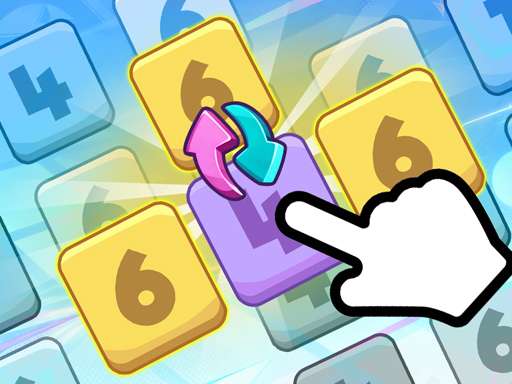
1. Tap the screen to select any shape.
2. Tap its matching shape again to complete pairing.
3. Solo Mode: Explore and pair independently at your own pace.
4. Parent-Child Mode: Take turns with parents to select and match shapes.
Game Guide
As a shape recognition puzzle game designed specifically for young children, the core of Pair Up Shapes is to cultivate children's observation skills and logical thinking through fun matching. The following guide will help parents lead their children to get started quickly and effectively improve their abilities while playing, covering three dimensions: basic operations, advanced skills, and parent-child interaction.
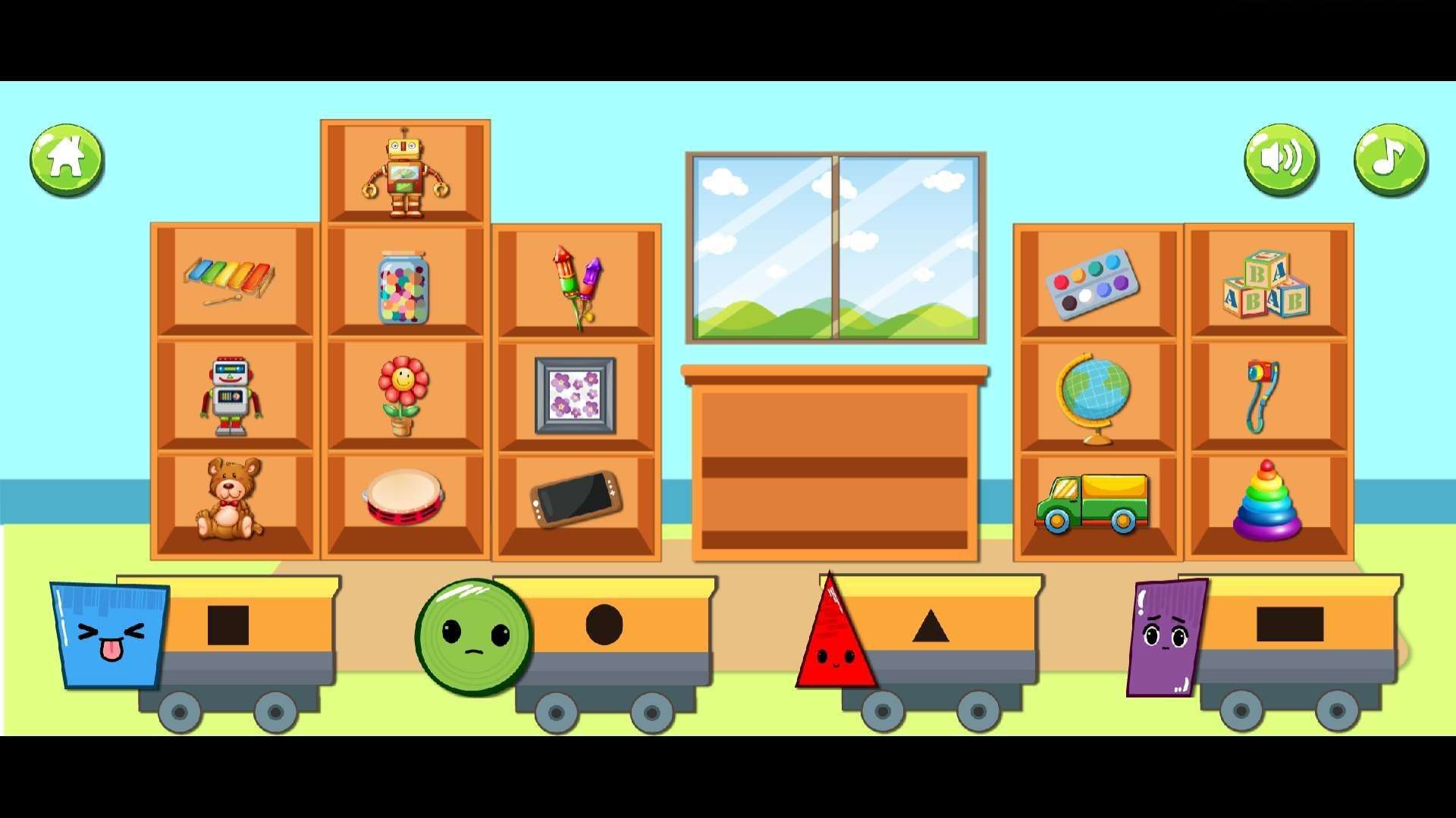
I. Basic Operations: Master Shape Matching in Two Steps
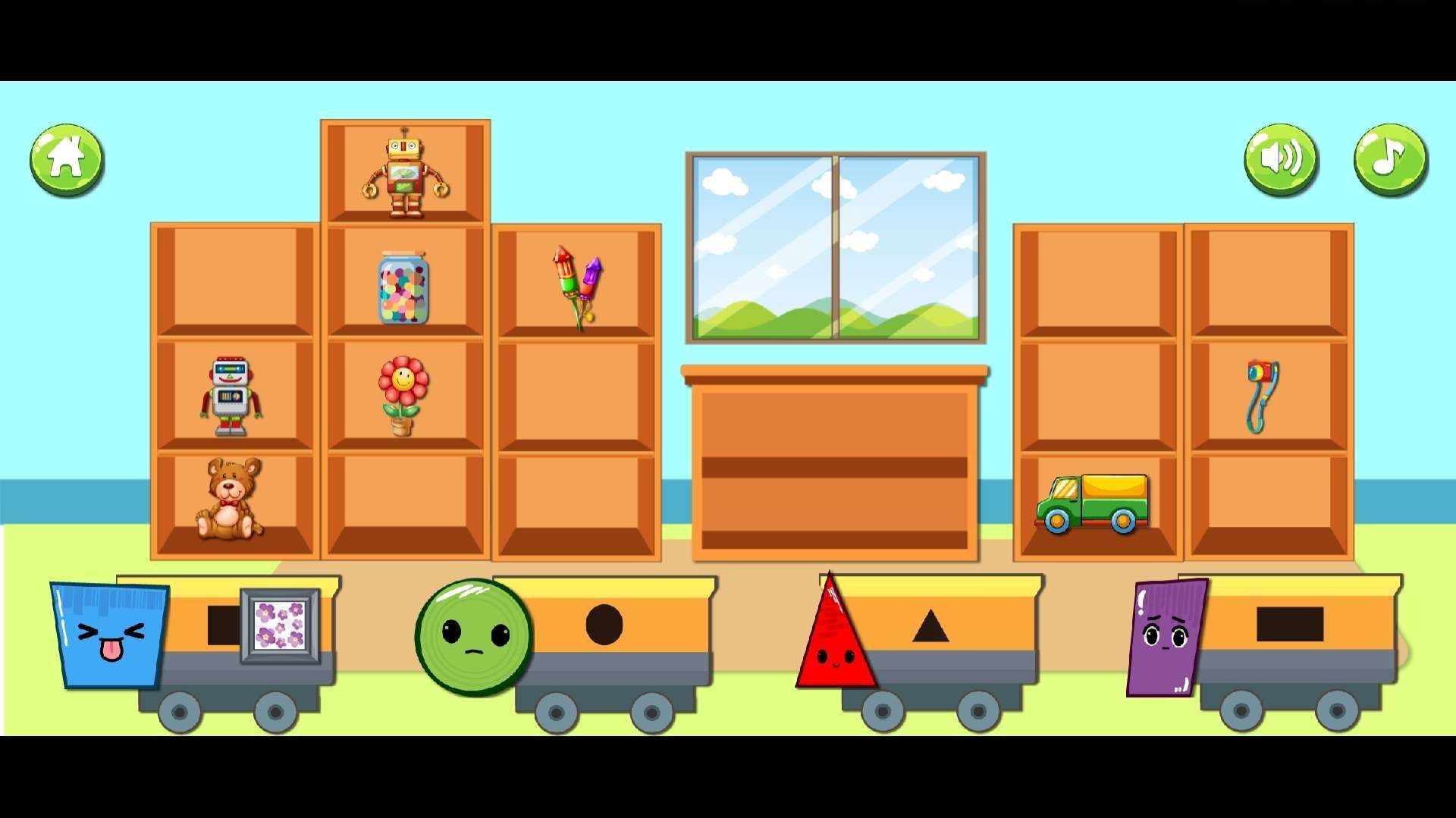
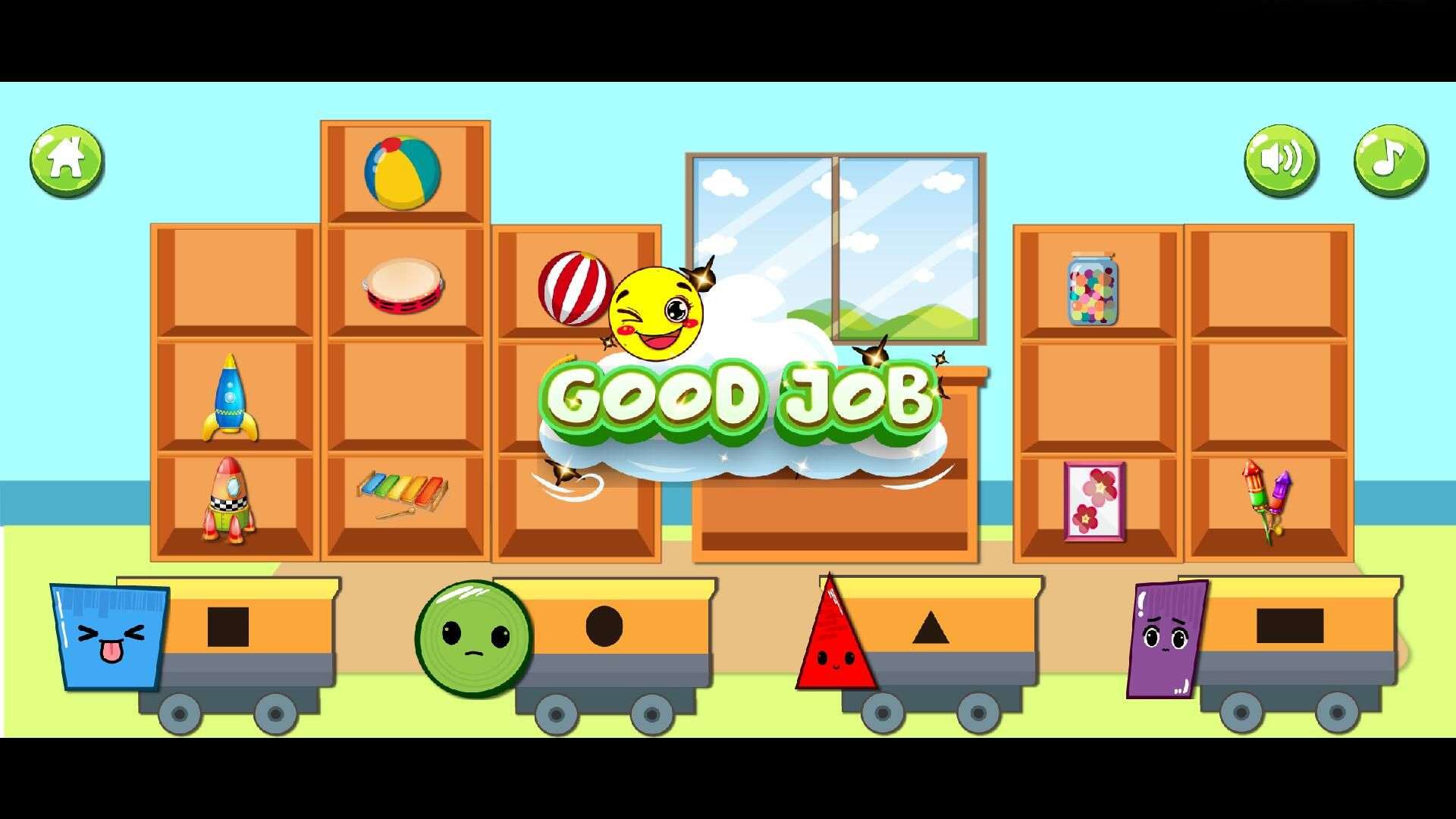
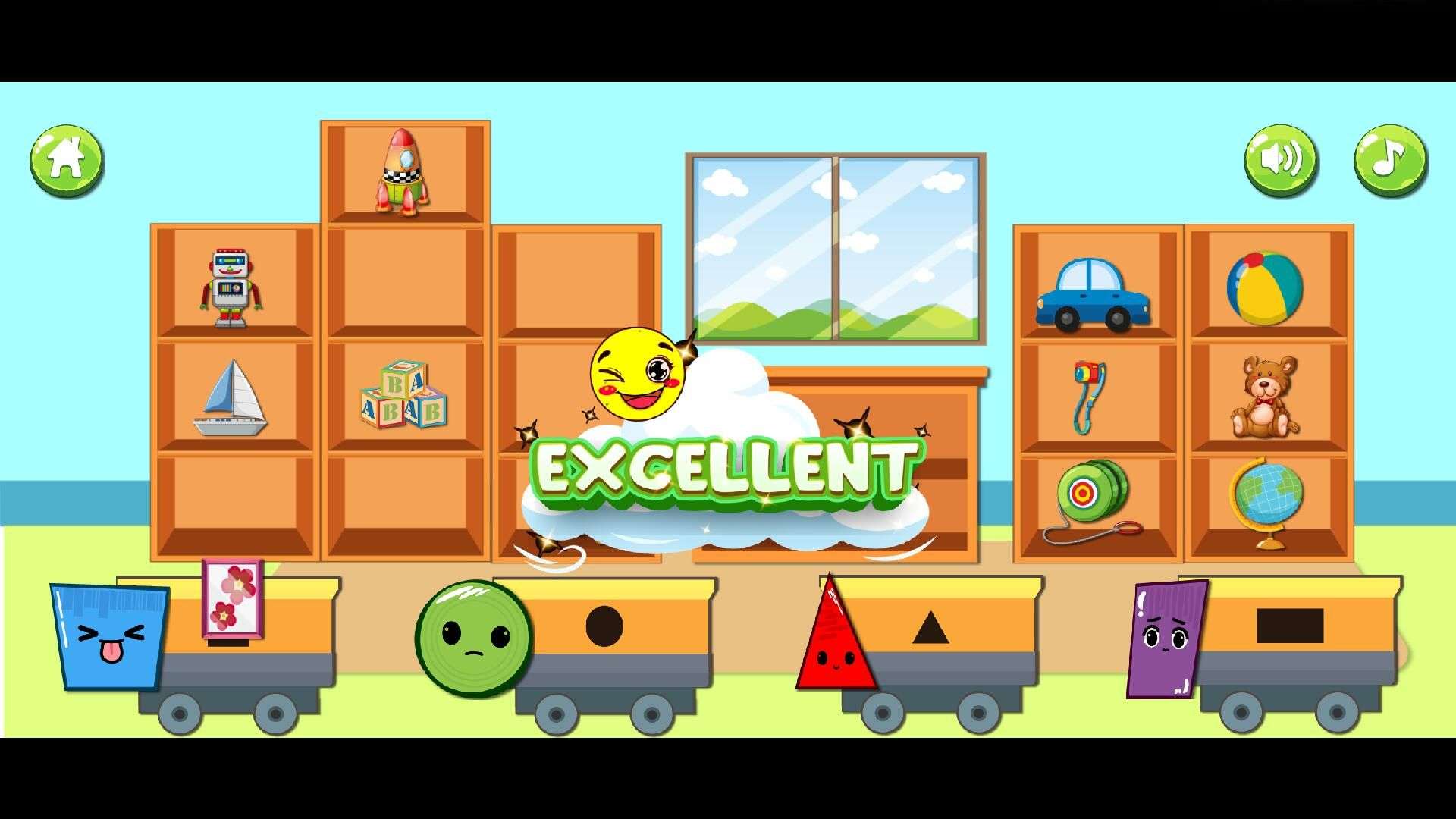
The game operation is extremely simple, fully adapting to the hand development and cognitive level of young children. Step 1: Guide the child to lightly tap any shape on the screen. After selection, there will be obvious color highlighting or animation prompts to help the child confirm the choice. Step 2: Let the child find the exact matching same style among the remaining shapes (note the difference in shape outlines, such as the subtle differences between circles and ellipses, squares and rectangles), and tap again to complete the matching. Successful matching will trigger cute animations and sound effects, enhancing the child's sense of accomplishment. There's no need to worry about wrong choices—there is no penalty mechanism, and children can reselect, avoiding dampening their enthusiasm.
II. Advanced Skills: Improve Matching Efficiency and Abilities
1. Classification First Method: When facing multiple shapes, first guide the child to classify them by color or shape category. For example, first group all red shapes to one side, then find matching styles among the same color to reduce the difficulty of searching and cultivate classification logic.
2. Detail Observation Method: For similar shapes (such as triangles with different angles), remind the child to pay attention to the number of sides and outlines of the shapes, such as "This shape has three straight sides; let's find another one with three sides!", helping the child establish accurate shape cognition.
3. Rhythm Control: Encourage the child to explore at their own pace, do not urge or do it for them, allowing the child to improve observation skills and hand-eye coordination through repeated attempts.
III. Parent-Child Interaction: Make the Game More Educational
1. Mode Selection: Solo Mode is suitable for cultivating children's independence; parents can observe quietly nearby and only give simple prompts when the child is confused. In Parent-Child Mode, it is recommended that parents and children take turns operating—for example, parents select a shape first and let the child find the matching one, or divide the work to find different shapes to enhance the sense of collaboration.
2. Language Guidance: During the matching process, parents can explain shape characteristics simultaneously, such as "This is a round ball shape; its partner is also round!", combining the game with real-life scenarios to deepen the child's understanding of shapes.
3. Task Challenges: Set simple small goals, such as "Today let's collect 3 groups of triangle matches!", improving the child's concentration and sense of purpose through phased tasks.
IV. Core Tips
There is no time limit for the game; parents do not need to pursue speed, but focus on the child's exploration process. Avoid directly telling the answer; instead, guide the child to think through questions, such as "Which one do you think looks the same as this shape?". Control the game time to 10-15 minutes each time, which is in line with the attention span of young children and helps them maintain interest in the game. Following the above methods, children can easily master shape matching in a relaxed atmosphere and achieve dual improvement in cognition and abilities.