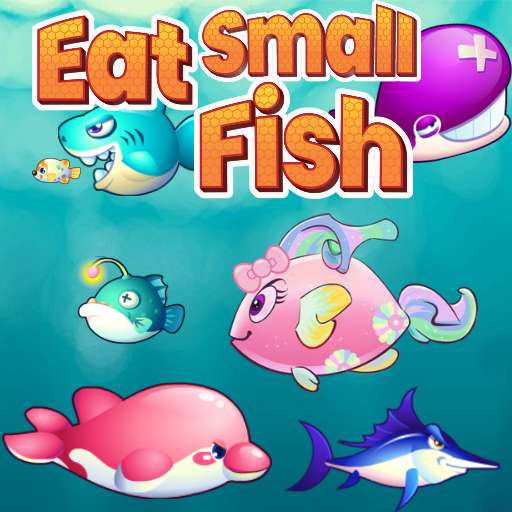


















Game Introduction
In the deep and mysterious underwater world, an endless survival race is unfolding—and this is the core stage of Eat Small Fish. The waters are teeming with all kinds of hungry fishes, each with a single goal: to survive and grow larger.
At first, you might be just an unremarkable little fish, struggling to stay alive in the perilous waters. But fear not, the law of survival here is simple and straightforward: target those smaller than you, strike decisively, and swallow them whole. Every successful hunt grants you the energy to grow, inching you toward a larger form.
This is a gradual journey of evolution: small fish feast on even smaller prey to become big fish; big fish then set their sights on other large fish, transforming step by step into giant fish; giant fish continue to devour their kind, moving closer to becoming mega fish; and finally, mega fish consume giant fish to evolve into the most spectacular creatures of the deep.
Along the way, you must stay vigilant—chasing prey while watching out for those larger than yourself. After all, the ocean’s rules are unforgiving: as you hunt, you might just become the hunted. Only by constantly preying and growing can you hold your ground in this cycle of "big fish eat small fish," ultimately rising to become the unrivaled top predator of the underwater world.
Game Features
Predation-centered Gameplay
The entire game revolves around the instinctive behavior of "eating small fish". It requires constant chasing and devouring of smaller prey to gain growth energy, with gameplay that is simple and straightforward yet full of fun.
Progressive Evolution Mechanism
There is a clear and step-by-step growth path. Starting as a small fish, it can evolve into a big fish, then a giant fish, a mega fish, and finally a legendary fantastic fish. Each evolutionary stage brings a sense of accomplishment and a brand-new gaming experience.
Intense Survival Challenges
While hunting, one must always be on guard against larger fish that may attack. This creates a tense atmosphere where the roles of "hunter" and "prey" can switch at any time, testing reaction and judgment abilities.
Rich Underwater World
The game includes various types of hungry fish, presenting a vivid and diverse underwater ecosystem. This not only enriches the visual experience but also adds uncertainty to the gameplay.
Gameplay and Controls
Basic Movement Control
Guide the fish to move freely underwater by sliding the screen or operating the direction keys. Move towards smaller fish, and it will automatically initiate predation when getting close, completing the swallowing action to gain growth energy.
Danger Avoidance Operation
When a larger fish is detected approaching, you can quickly slide the screen to change the moving direction, stay away from potential threat areas, and avoid being preyed on by larger fish.
Growth and Advancement Tips
As small fish are continuously devoured, the size of the fish will gradually increase. When a certain growth value is reached, it will automatically evolve into a higher-level fish. At this time, the range of fish that can be preyed on will also expand accordingly. No additional steps are needed in operation; just continue to follow the core logic of "preying on smaller fish".
Environmental Interaction Points
During movement, you need to pay attention to avoiding underwater obstacles. By flexibly adjusting the movement path, you can ensure the smoothness of the predation process and better deal with sudden dangerous situations.
Game Guide

1.Basic Movement and Predation Skills
At the start of the game, the small fish you control is tiny and has a limited living space. Mastering the art of movement is crucial for survival. Drive the small fish to swim flexibly by sliding the screen or operating the direction keys—gentle swipes work best for precise positioning, while firmer swipes allow for quicker bursts of speed when chasing prey. When preying, accurately target fish smaller than itself; size differences are often obvious, with smaller fish appearing more delicate in color and shape. When approaching, the small fish will automatically launch a predation action, but timing matters. Getting too close too quickly might startle skittish prey, so a steady, gradual approach is better for early-game success.
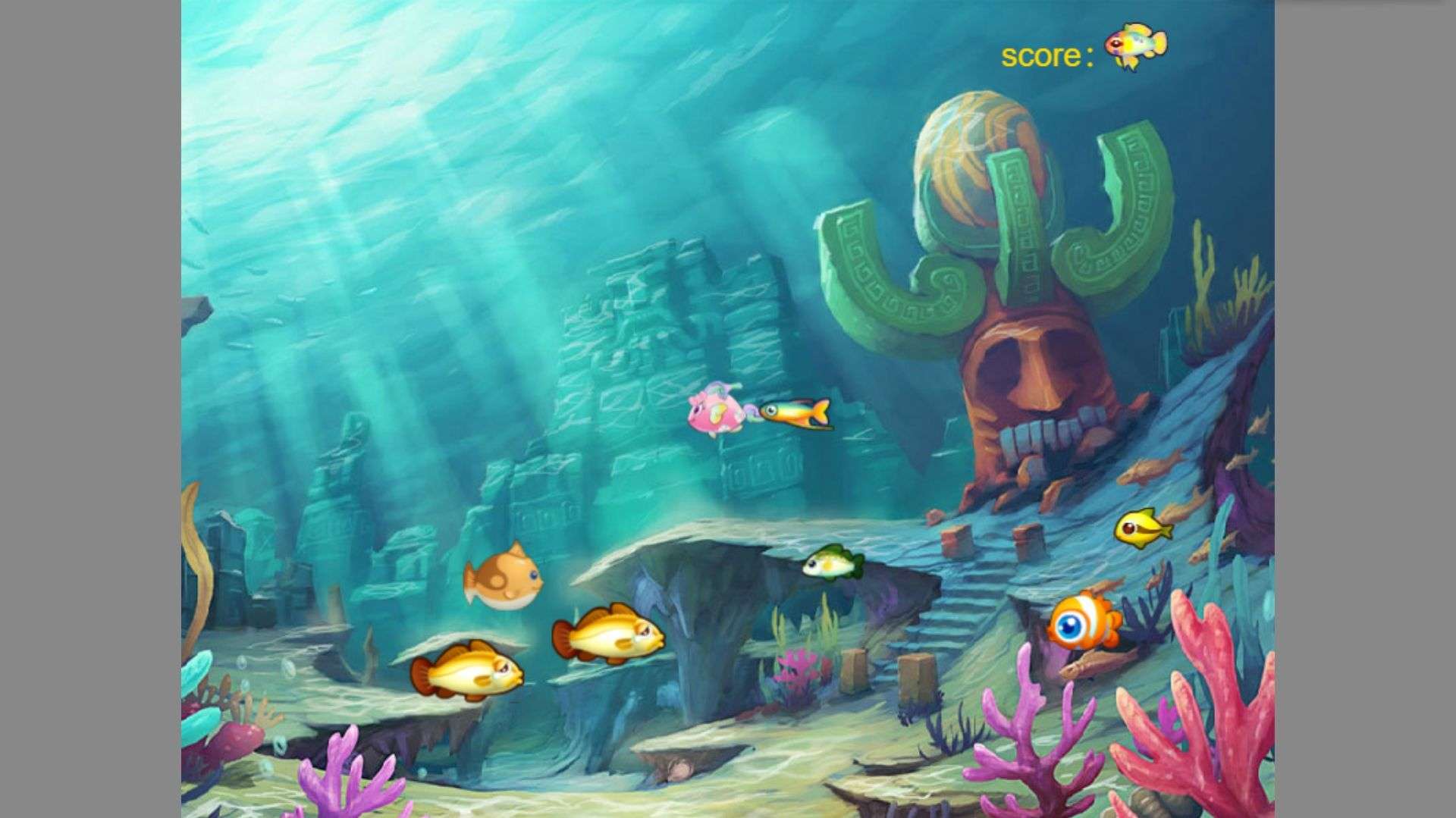
In the early stage, try to choose small fish that move slowly and are easy to catch, such as those lingering near coral reefs or along the seabed. These targets not only provide a steady stream of growth energy but also help you get familiar with the game’s mechanics. Avoid expending excessive energy chasing fast-moving tiny fish—efficiency is key here. As you grow slightly, expand your hunting grounds: shallow areas with plenty of vegetation often hide clusters of small prey, allowing you to chain predations and boost your growth rate. Remember, every successful predation brings you closer to evolving into a larger, more capable fish, so prioritize consistency over taking unnecessary risks.
2.Ways to Avoid Dangers and Survive
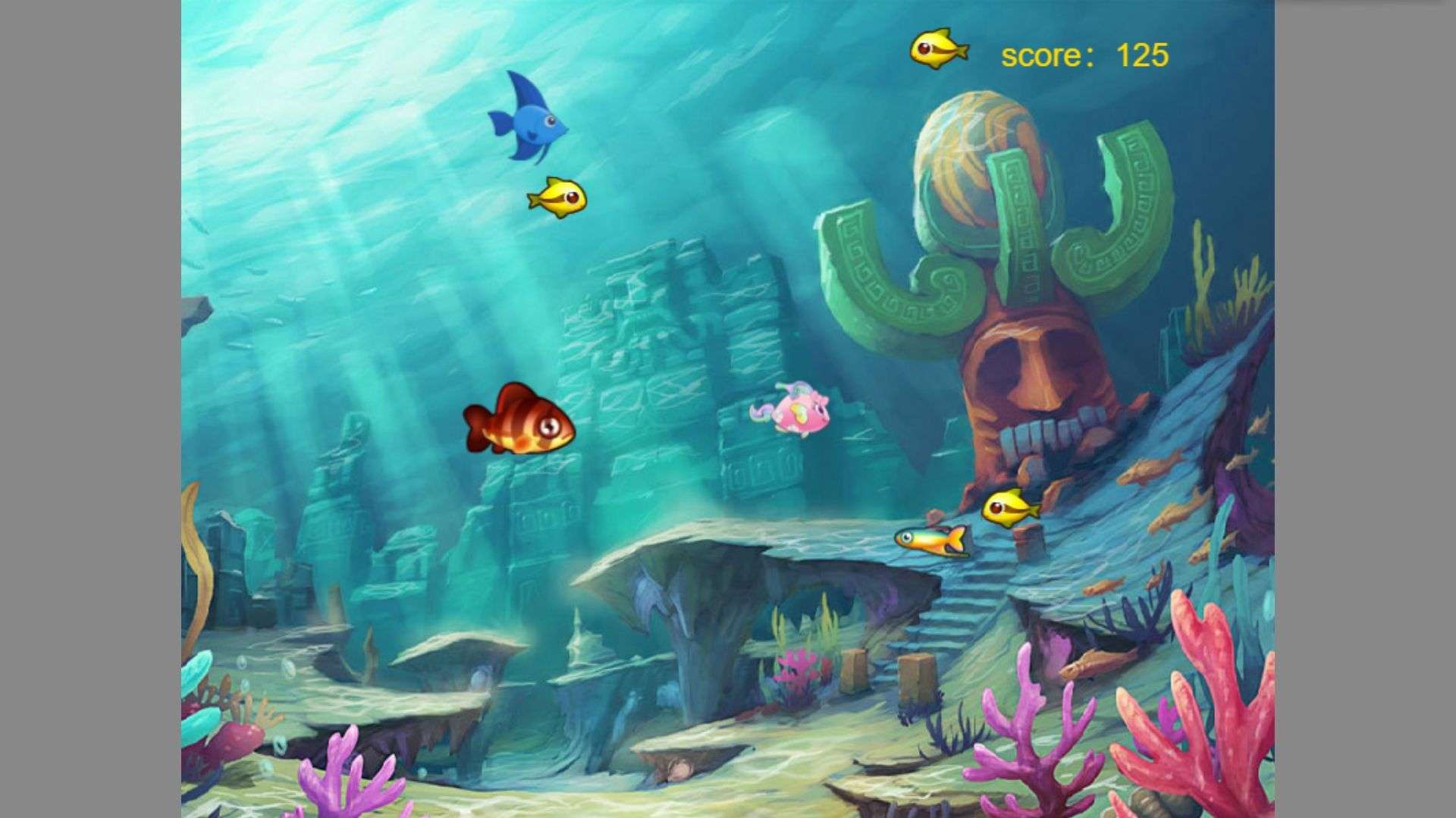
The underwater world is full of dangers, and staying alert is your first line of defense. When you notice a larger fish approaching—signaled by their bulkier size, darker hues, or more aggressive swimming patterns—be sure to quickly slide the screen to change the moving direction. Sudden, sharp turns can throw off pursuers, especially if you veer toward areas with obstacles like rocks or dense seaweed, which larger fish might struggle to navigate. Always pay attention to the surrounding environment: keep an eye on the edges of your screen, as larger fish often enter from the peripheries. If you spot a big fish, plan an escape route in advance and stay away from open water, where there’s no cover to hide behind.
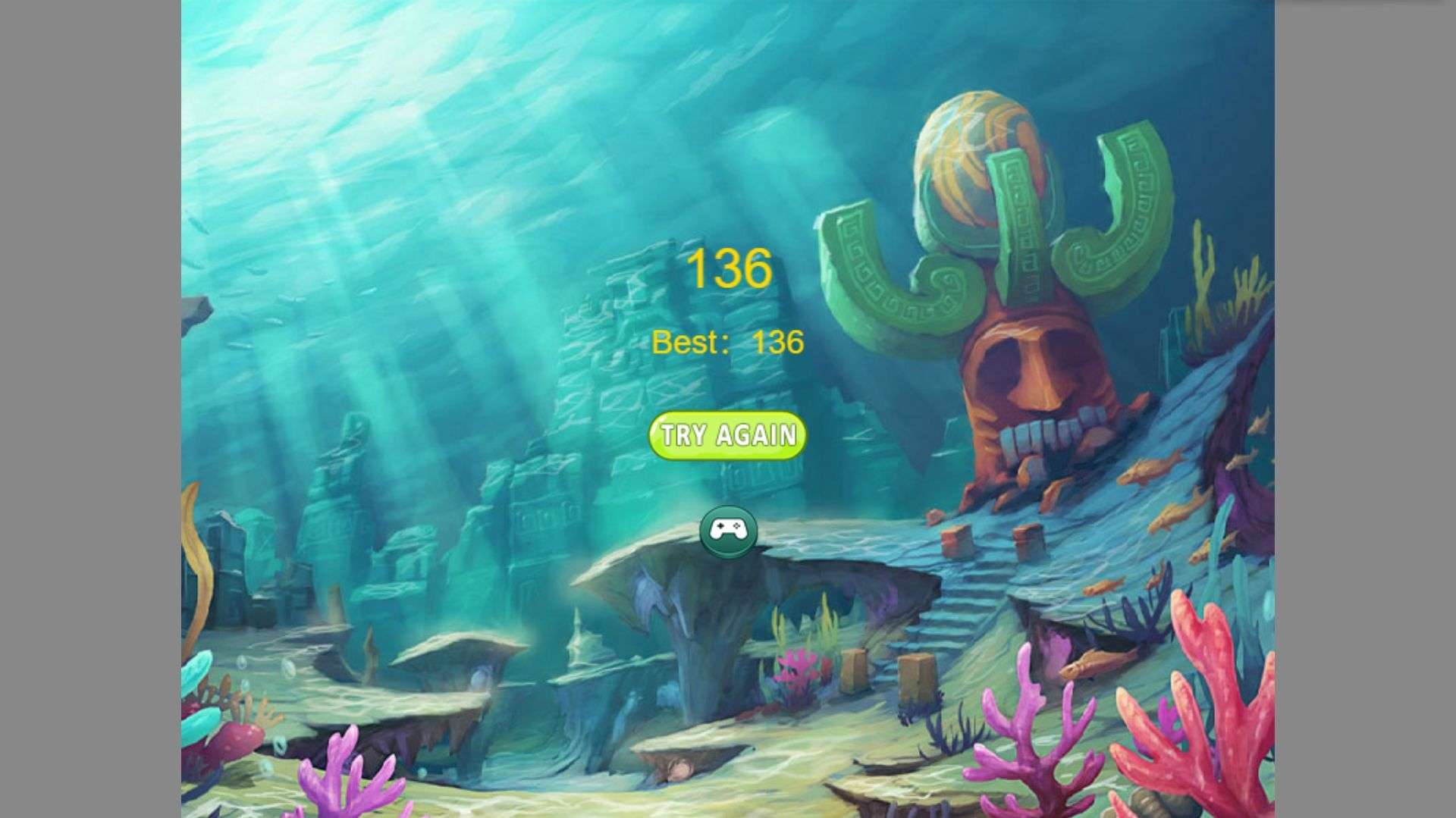
In addition, pay attention to observing the movement patterns of big fish. Some big fish have specific attack rhythms—for example, certain species might pause briefly before lunging, or patrol a fixed area in a predictable loop. Mastering their rules can increase the chance of successful evasion. If a larger fish is circling, wait for it to move away from your current position before making a break for safer waters. When multiple large fish are nearby, stay still in a sheltered spot; sometimes, remaining motionless makes you less noticeable than darting around. As you grow, some previously threatening fish will become prey themselves, but never let your guard down—there’s always a bigger fish lurking, ready to turn the tables. Balancing aggression in hunting with caution in avoiding threats is the key to long-term survival.