
















One Small Squirrel, Many Big Decisions
Squirrel Steps looks like a simple game at first glance. You control a squirrel on a grid, and your goal is to collect all the pine nuts before moving on. But the twist is in the name: every step matters. You can't just run around aimlessly. The game expects you to map out your route in your head before you press a single key.
The controls are as basic as they come—WASD to move—but the challenge comes from the layout of each level. Some nuts sit on fragile platforms. Others are guarded by traps that only trigger if you step on certain tiles. You might find yourself backtracking more than you'd expect, especially when a nut is just out of reach and the path to it isn't obvious.
Easy to Start, Hard to Master
What I appreciate about Squirrel Steps is how quickly it teaches you its rules without a tutorial wall. The first few levels are almost too easy, lulling you into a false sense of confidence. Then the game starts introducing small obstacles—a spike here, a gap there—and suddenly you're staring at the screen for thirty seconds before making your first move.

That shift from casual to thoughtful is smooth. It never feels unfair, but it does demand focus. If you're the type who likes to rush through puzzles, this game will slow you down. And that's not a bad thing.
The Real Test: Memory and Patience
Here's where the game stands out for me. Unlike many puzzle games that rely on reflexes or quick thinking, Squirrel Steps is mostly about remembering your own path. Once you start moving, you can't undo a step. If you realize halfway through that you missed a nut behind a wall, you have to restart the level. That can be frustrating, but it also forces you to plan more carefully next time.
This design choice gives the game a slightly old-school feel, like those logic puzzles where you draw a route before the character moves. It's neat in theory, but it does mean some levels become trial-and-error exercises. You might replay a stage three or four times just to figure out the correct order of moves. For some players, that repetition will feel like a puzzle well solved. For others, it might wear thin after a while.
Who Should Play This?
If you enjoy games like Sokoban or Baba Is You but want something lighter and cuter, Squirrel Steps hits that spot. It's also good for short sessions—each level only takes a couple of minutes once you know the route. I wouldn't call it a deep or endlessly replayable game, but it's a satisfying little brain teaser that respects your time.
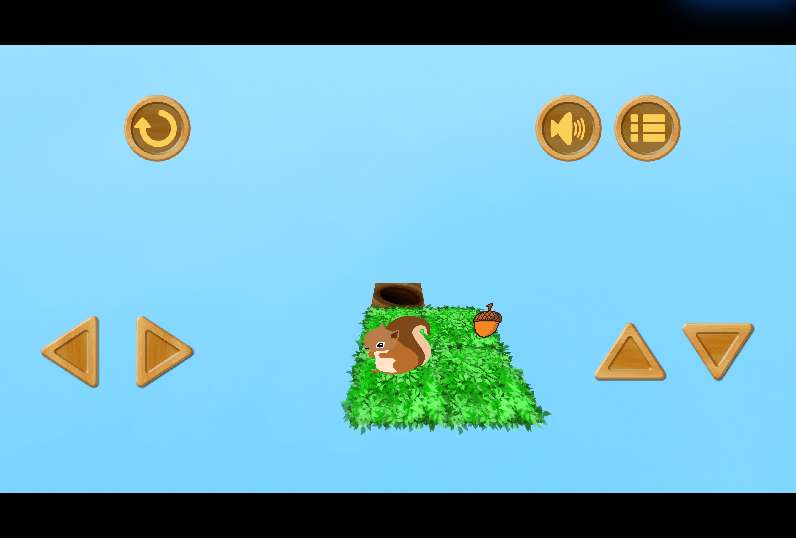
The squirrel animation is simple but charming, and the sound effects are minimal. Nothing flashy, nothing distracting. Just a clean puzzle experience that does what it sets out to do.
Final Thoughts
Squirrel Steps won't blow your mind, but it doesn't need to. It's a tidy, well-constructed puzzle game that asks you to think before you act. If you're looking for something to chew on during a coffee break, this little squirrel will keep your brain busy without taking over your whole afternoon.