

















What Is Tiles Layer, Really?
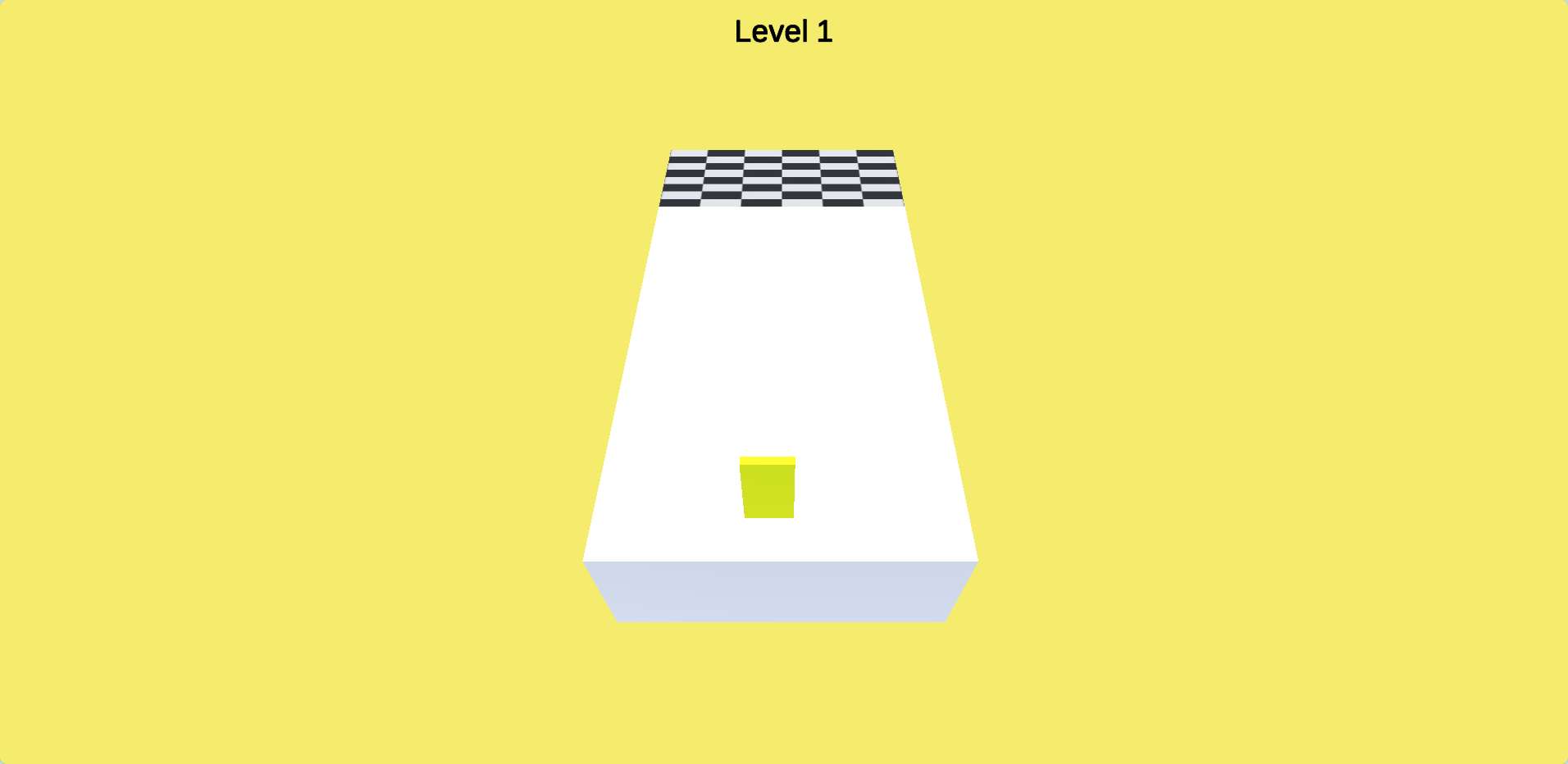
Tiles Layer is one of those puzzle games that sounds simple at first—guide a path, drop a tile, watch things fall—but quickly reveals a surprisingly thoughtful core. You control a moving point with your mouse, laying down tiles as you go. The goal isn't just to reach the end; it's to build a route that, when the first tile drops, triggers a chain reaction that knocks over every single tile in sequence. Miss one, and you're restarting.
There's no timer, no score multiplier, no flashy power-ups. Just you, your mouse, and a grid that demands you think a few steps ahead. It's the kind of game that rewards patience over speed.
How the Chain Reaction Actually Works
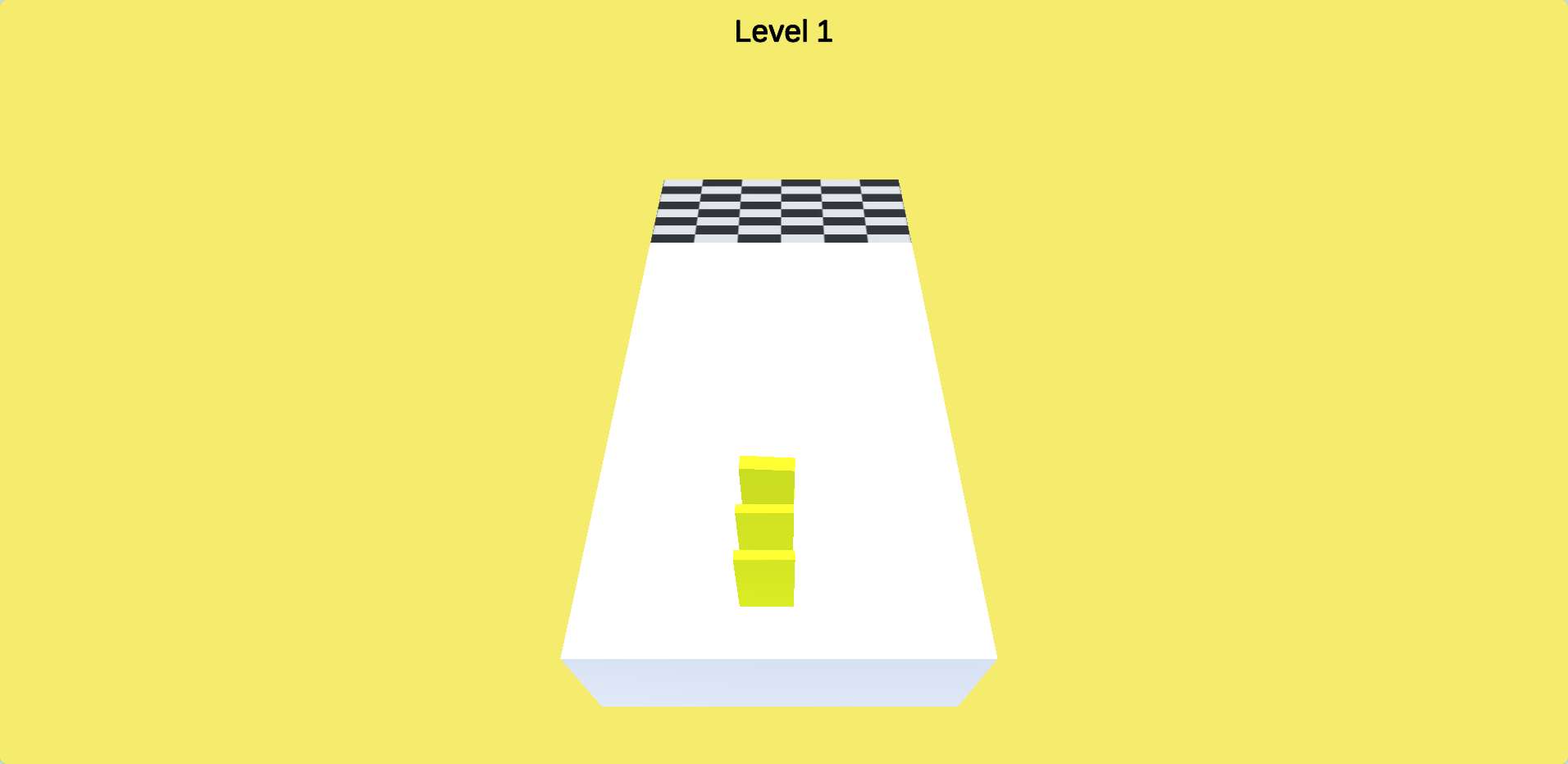
The core mechanic is straightforward: you move your cursor to draw a path of tiles from start to finish. Once you reach the endpoint, you click (or release) to drop the first tile. That tile falls and hits the next one, which hits the next, and so on. If your path has even one gap—a tile placed too far from its neighbor, or a corner that doesn't connect cleanly—the chain stops, and that tile stays upright. You lose.
What makes this tricky is that you're laying tiles in real time. You can't place them one by one with precision. The path is continuous, so every turn, every straight segment, and every small wobble in your mouse movement affects whether the tiles line up correctly when they fall. A slight zigzag can leave a tile stranded.
Practical Tips for New Players
Slow mouse movements are your friend. Jerky or fast swipes often create uneven spacing between tiles, which breaks the chain. Try to move in straight lines and make deliberate turns. If you need to pivot, do it at a steady pace rather than snapping the cursor around.
Another thing: don't overcomplicate your route. Early levels tempt you to weave back and forth, but simple L-shaped or U-shaped paths are often more reliable. The game rewards clean geometry, not fancy patterns. If you find a level frustrating, step back and ask whether your path is actually necessary or just messy.
It's also worth watching the chain reaction after you drop the first tile. You'll notice where tiles tend to miss—sharp corners are common failure points. Use that to adjust your next attempt.
What Stands Out (and What Might Feel Repetitive)
Tiles Layer has a calming, almost meditative quality. There's no pressure, and each level is short enough that restarting doesn't feel punishing. But that same simplicity means the game doesn't change much as you progress. The core loop stays the same: draw path, drop tile, watch, repeat. For some players, that's exactly what they want—a low-stakes puzzle they can play in short bursts. For others, it might start to feel samey after a while.
I think the game works best if you approach it like a spatial reasoning exercise rather than an action game. It's less about quick reflexes and more about understanding how a line of dominoes behaves in a digital space. If you enjoy games like Domino Drop or Path Puzzler, this will click. If you need constant variety or escalating complexity, you might find it limited.
Common Mistakes and How to Avoid Them
The most frequent mistake new players make is rushing. They try to finish the path as fast as possible, which leads to uneven tile placement. Slow down. The game doesn't punish you for taking your time.

Another common issue is oversteering on corners. When you turn, the path naturally curves if you move the mouse in an arc. That curve can leave a gap between tiles at the corner. To avoid this, try to make corners as sharp as possible—move in a straight line, stop, then move in a new direction. This creates a clean 90-degree angle.
Finally, don't ignore the endpoint. Sometimes players lay a beautiful path but misjudge the final approach, leaving the last tile too far from the endpoint. The chain reaction starts from the beginning, so every tile needs to connect cleanly. Make sure your final segment leads directly into the endpoint without weird spacing.
Is This Game for You?
If you have a few minutes and want something that doesn't demand intense focus but still makes you think, Tiles Layer is worth a try. It's not groundbreaking, but it does one thing well: it turns a simple domino effect into a satisfying puzzle. Just don't expect it to reinvent the genre. It knows what it is, and that's fine.