

















Game Introduction
Dive into a realm of intrigue with "The Gate" — where every corner hides a puzzle that demands more than just quick thinking. Some challenges will test your eye for detail, urging you to spot hidden clues in the maze’s shadows. Others call for sharp logic to untangle twists and turns, while a few require deft hands to navigate tricky mechanisms.
Beware the traps that lurk in every passage — they’re not just obstacles, but tests of your calm under pressure. Push your intelligence and observation to their limits, weave through mystical trials, and uncover the path that leads to the gate of freedom. This isn’t just a puzzle game — it’s a journey to prove you can outthink, outsee, and outmaneuver the mysteries of "The Gate".
Game Features
1. Diverse Puzzle Integration, Comprehensive Ability Challenges
Covers multiple puzzle types including observation-based, logical reasoning, and hands-on operation, with each level focusing on different ability dimensions.
Puzzles are deeply integrated with scenes, and clues are hidden in environmental details, requiring a combination of thinking and practical operation to solve.
2. Immersive Mysterious Atmosphere, Enhancing Exploration Engagement
Takes "gate" as the core imagery to build an unknown maze world, with scenes featuring an ancient and mysterious visual style.
Equipped with dynamic sound effects that fit the atmosphere, where sounds of trap triggers and mechanism operations enhance the immersive experience.
3. Dynamic Hidden Traps, Boosting Challenge Tension
Trap designs combine concealment and interactivity; some require predicting patterns, while others trigger chain reactions.
Traps are interrelated with puzzles, and avoiding dangers is part of solving puzzles, increasing a sense of tension.
4. Free Maze Exploration, Unlocking Diverse Paths
Maze layouts include random elements, so different routes and hidden areas may be encountered in each exploration.
Progress is advanced by unlocking "gate-shaped" nodes, supporting free exploration order and encouraging players to discover hidden shortcuts.
5. Progressive Difficulty Curve, Adapting to Different Players
Gradually transitions from basic observation-based puzzles to complex challenges combining logic and operation, making it easy for beginners to get started.
Later levels incorporate multi-puzzle linkage designs to meet the challenge needs of hardcore puzzle players.
Gameplay and Controls
1. Mechanism Unlocking Operation: Locate in-scene mechanisms, then rotate and assemble components as prompted by clues. Completion triggers passages or unlocks hints.
2. Clue Exploration Operation: Long-press suspicious scene areas to activate detection mode. The system will highlight key clues like hidden symbols and item traces.
3. Trap Response Operation: Predict trap activation patterns, then drag the character to bypass dangerous zones or tap timing buttons to trigger temporary protection against damage.
4. Item Utilization Operation: After picking up items, access the backpack interface. Select the target item and tap the corresponding in-scene location to unlock locks, pry mechanisms, etc.
5. Area Unlocking Operation: Find gate-shaped nodes, then continuously tap to confirm the node or swipe the screen to match node patterns. Successful verification unlocks new exploration areas.
Game Guide
The core fun of "The Gate" lies in the cyclic challenge of "clue digging - mechanism solving - trap avoidance". Mastering the underlying logic can greatly reduce the probability of getting stuck. The following guide focuses on key scenarios and operation skills, suitable for players from beginners to advanced levels.
1. Fundamental Core: Clue Detection and Mechanism Solving
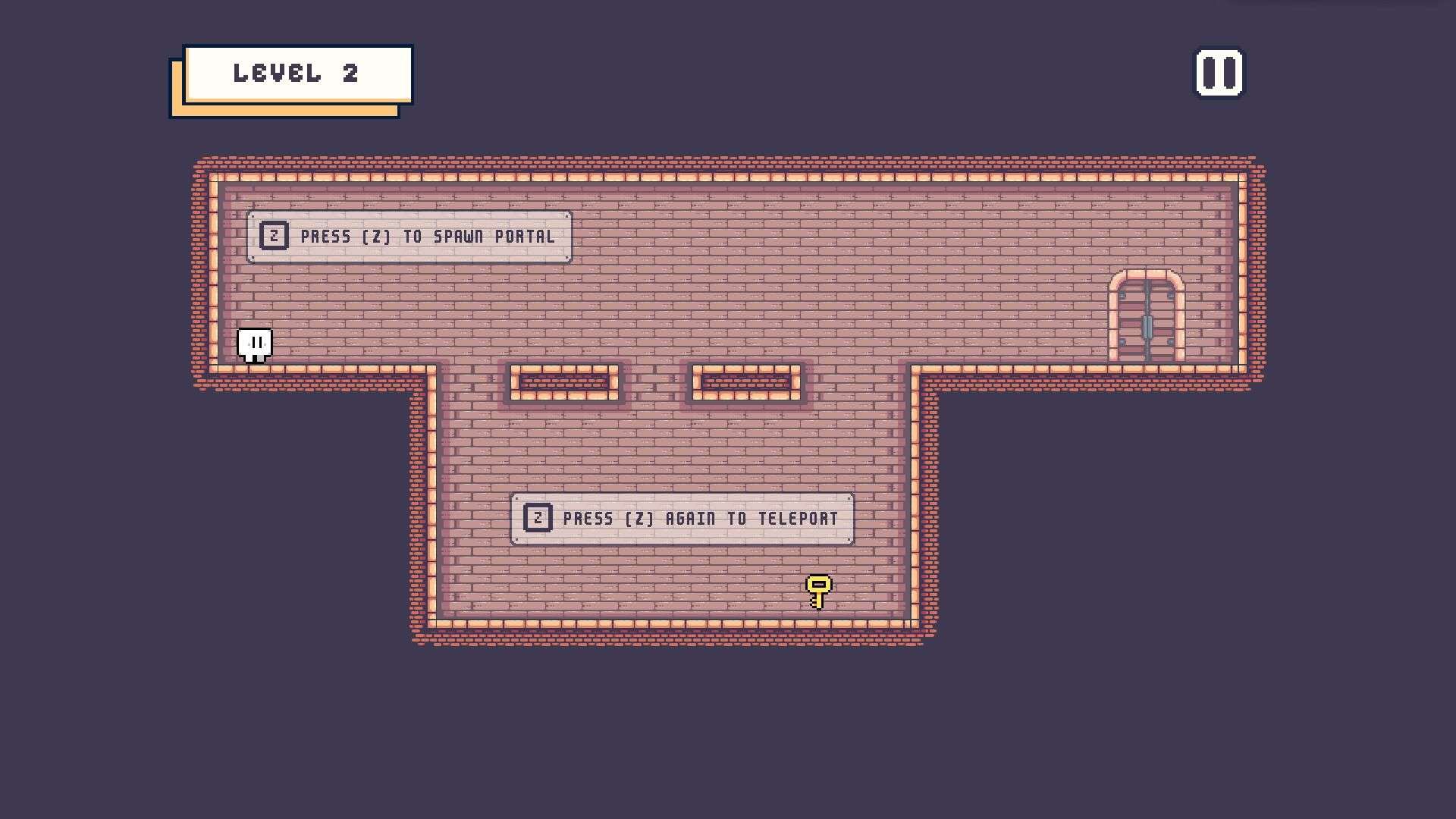
Clues are the core prerequisite for solving puzzles. Long-press suspicious areas in the scene (such as stone wall carvings and glowing patterns) to activate the detection mode. The symbols and item traces highlighted by the system must be recorded in real time - these are often the key basis for mechanism operations. Mechanism solving includes three core operation types: rotation-type requires adjusting components in the order of clue symbols; splicing-type needs to align gaps to form a complete pattern; linkage-type requires simultaneously controlling two or more mechanisms (it is recommended to fix one first before adjusting the other).
Unlocking gate-shaped nodes is the key to advancing through areas. Simple nodes can be activated with continuous clicks, while complex nodes require swiping the screen to match patterns. You can first split the pattern into basic shapes (such as triangles and circles) and match them one by one to reduce mistakes.
2. Key Challenge: Practical Trap Avoidance Skills
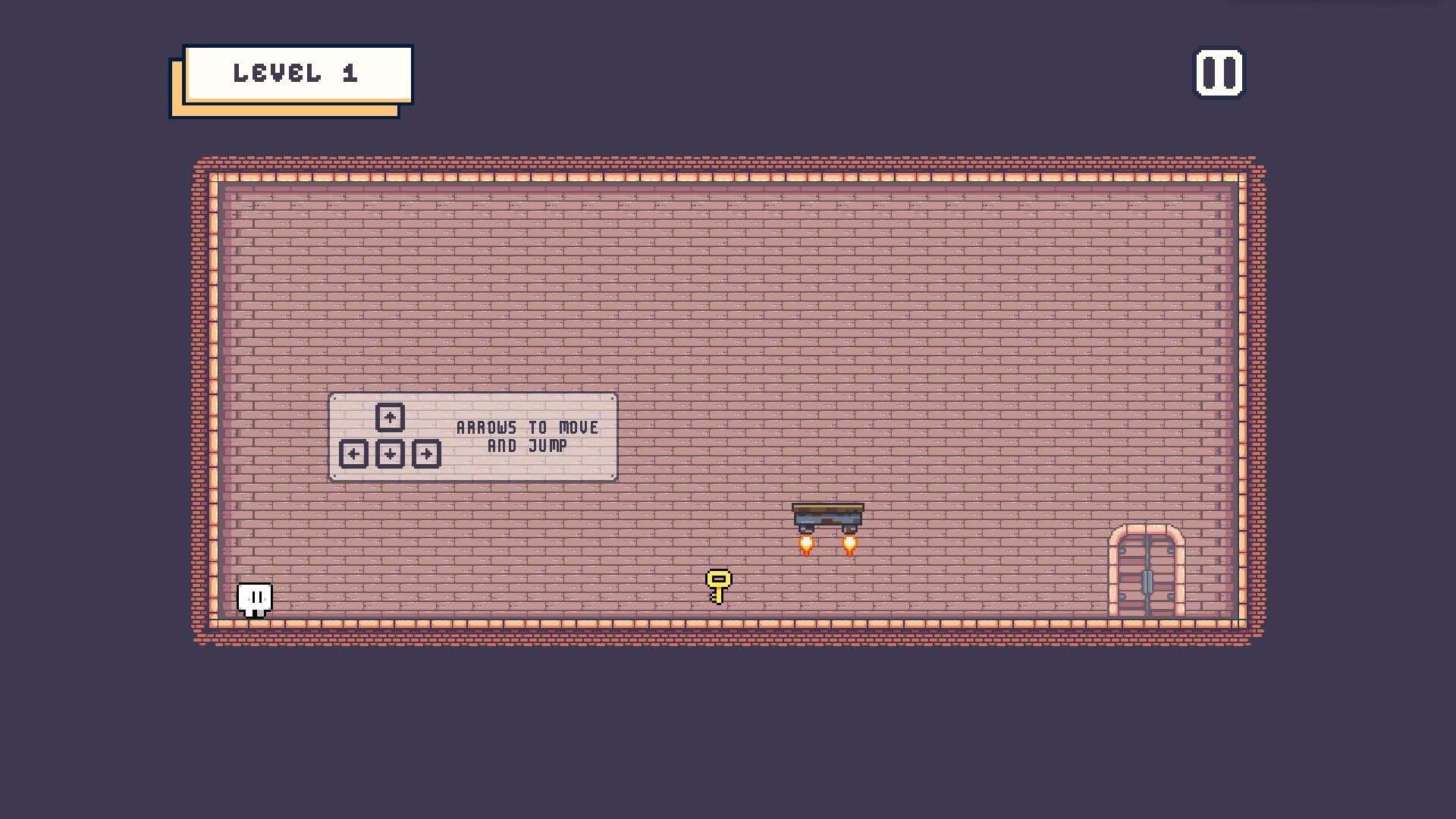
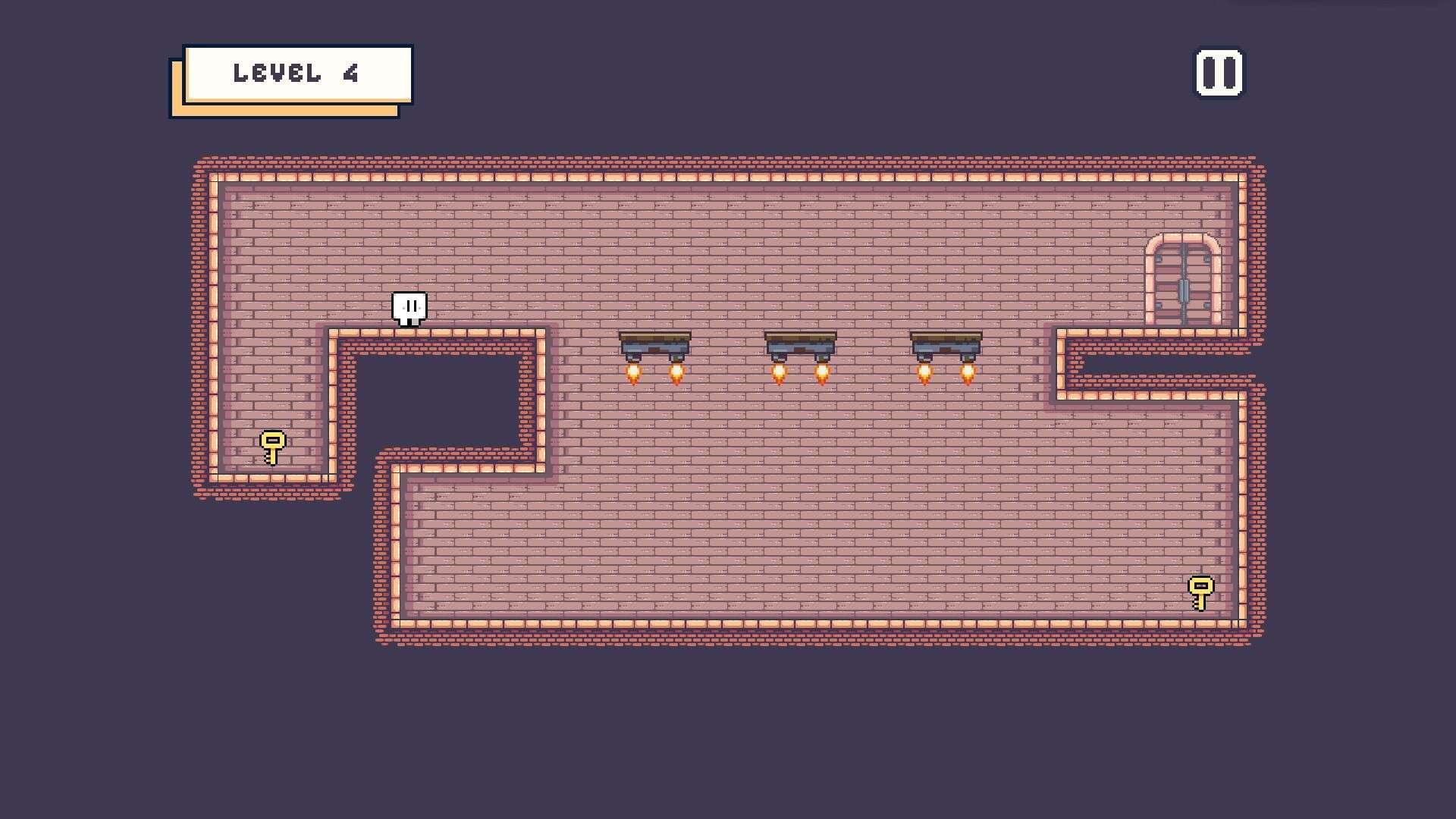
Traps are deeply integrated with puzzles, and blind operations can easily trigger chain dangers. Patterned traps (such as periodic lasers) require observing the interval rhythm and passing quickly during the safe window; triggered traps (such as pressure tiles) can be triggered by props (such as stones) or stepped on safe areas in the order indicated by wall symbols.
When encountering unknown traps, first activate the detection mode to confirm the trigger range, and prioritize remote operations (such as throwing props) for testing to avoid direct contact. If a trap is triggered, immediately find temporary protective devices in the scene (such as shielding stone slabs) and tap the timing button to avoid damage.
3. Advanced Strategy: Item Management and Exploration Efficiency Improvement
Backpack items need to be managed by category. Tools such as lockpicks and crowbars should be prioritized for key mechanisms and not wasted on ordinary wooden boxes; luminous powder can mark explored routes to avoid getting lost in the maze. Follow the principle of "edge first, center later" when exploring - hidden corners often contain props and hidden clues. Repeated scanning with the detection mode can reduce omissions.
For late-game multi-puzzle linked levels, it is recommended to first break down individual puzzles and then find connection points. For example, first solve the left symbol mechanism to get the password, then use the password to activate the right console, and finally avoid traps to reach the node. When getting stuck, you can return to the scene entrance and re-sort the clue logic - most puzzle answers are hidden in the details of early exploration.
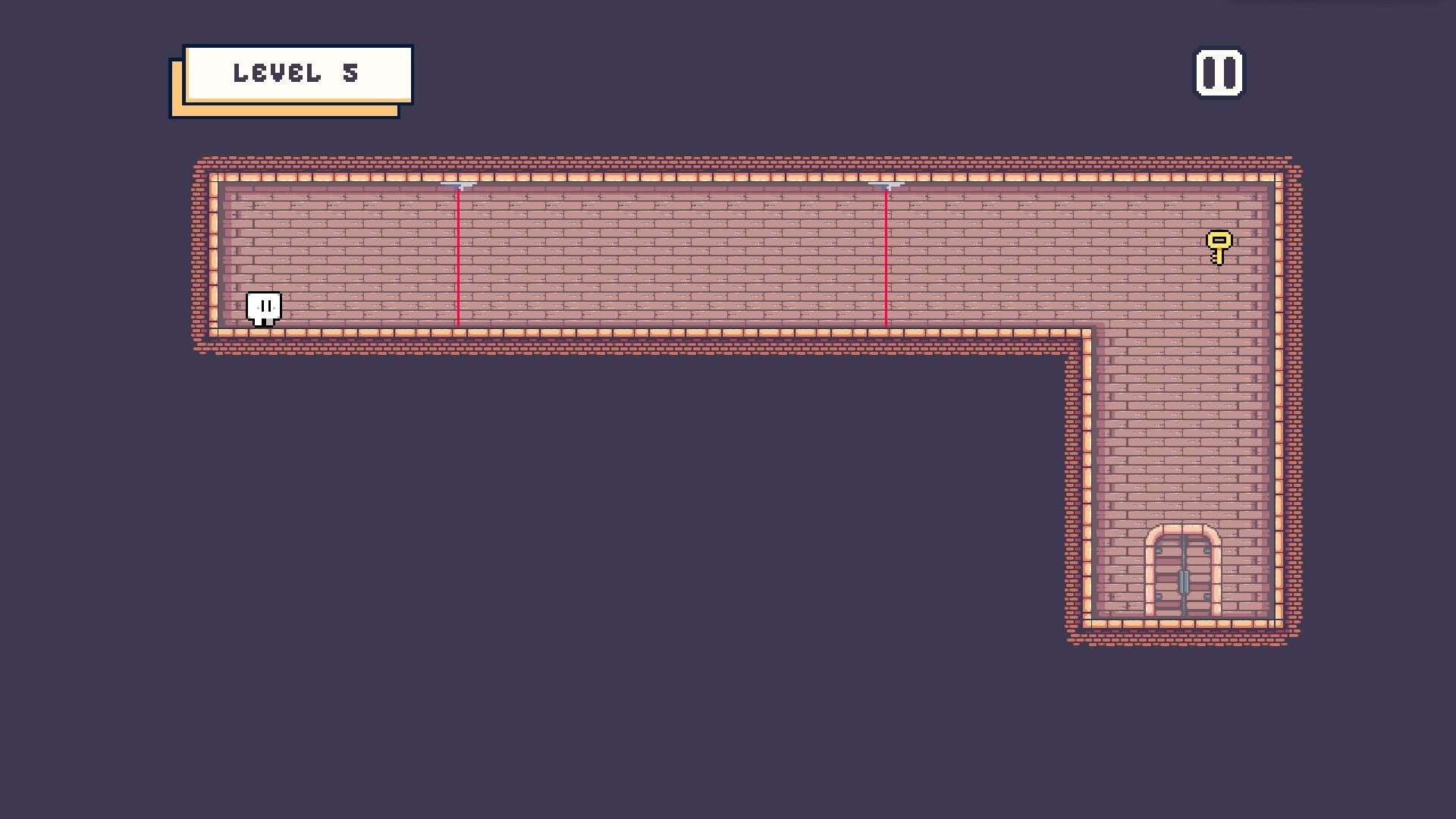
Overall, the game has a high fault tolerance rate, and reasonable trial and error can accumulate experience. Maintain the rhythm of "observation - reasoning - operation" and avoid blind clicking, and you can efficiently unlock all areas and finally find the gate to freedom.