
















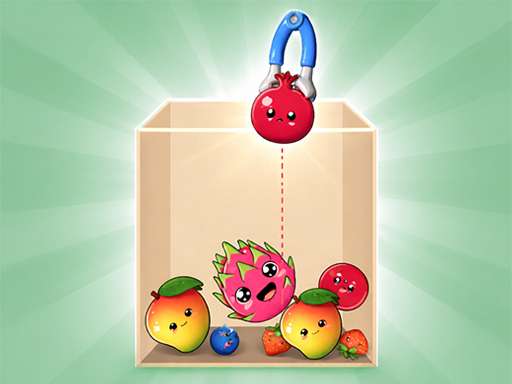
What’s the Big Deal with Watermelon Drop?
At first glance, Watermelon Drop Puzzle looks like another fruit-merging game. You drop fruits, they combine, and you try to make a watermelon. But there’s something about the rhythm here that clicks. It’s not flashy, but it doesn’t need to be.
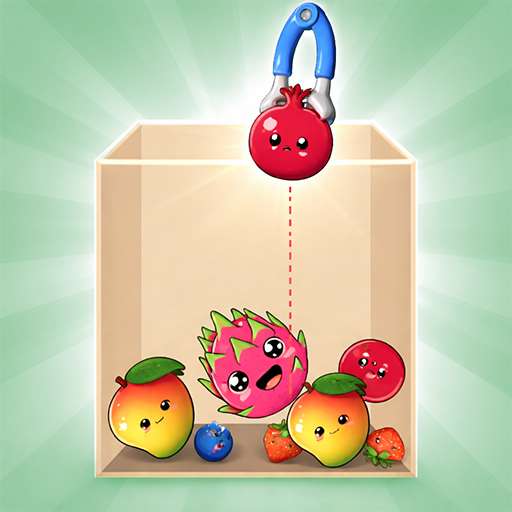
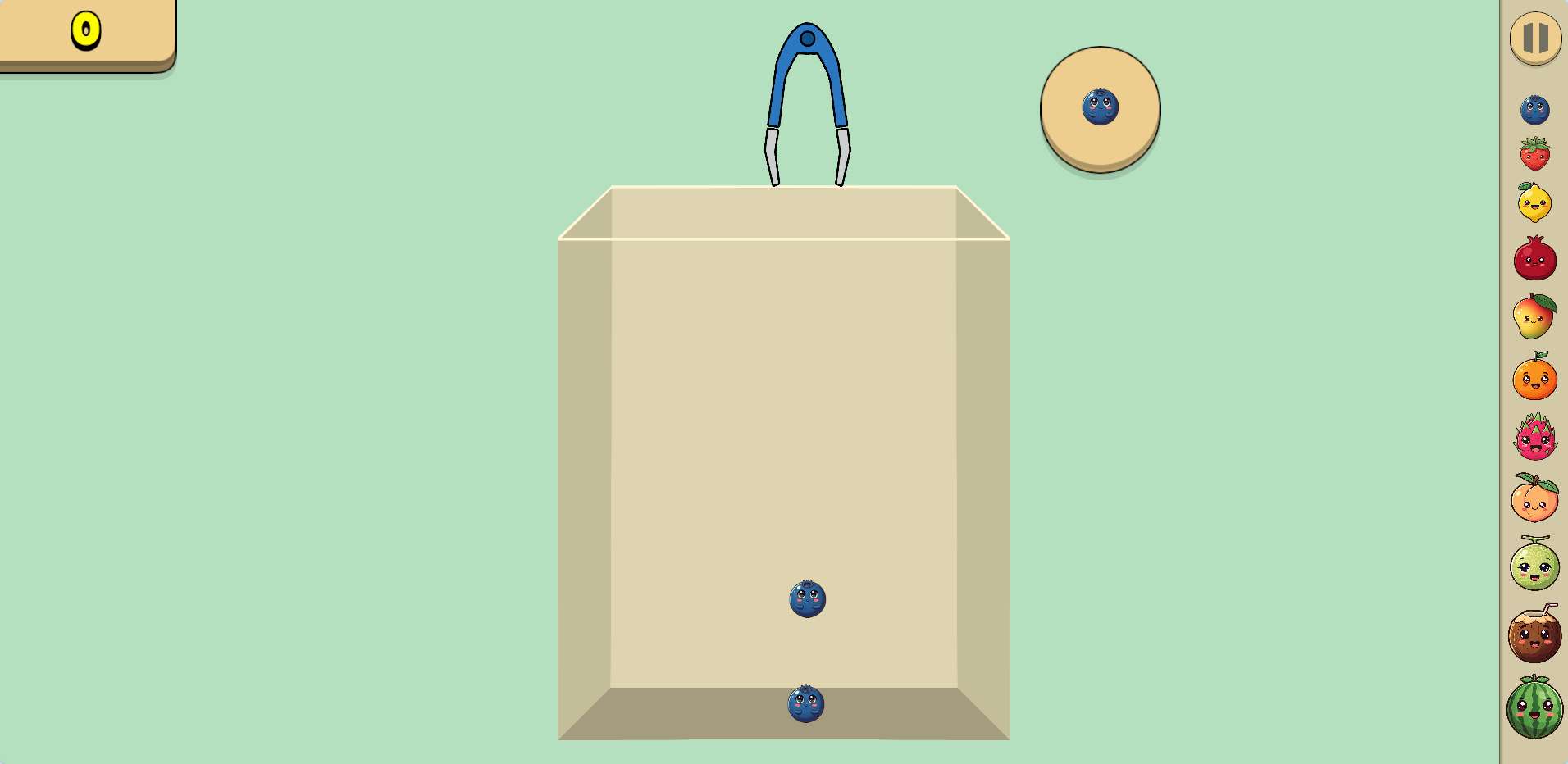
The game is straightforward: fruits fall, you aim, they merge when matching types touch. Smaller fruits turn into bigger ones, and the ultimate goal is the watermelon. That’s it. No timers, no pressure, no currency to grind.
Where the Gameplay Gets Interesting
The real hook isn’t the merging itself—it’s the placement. You have to think about where each fruit lands. A poorly placed grape can block a perfect merge later. The board fills up fast, and once it’s full, the game ends. That’s where the strategy sneaks in.
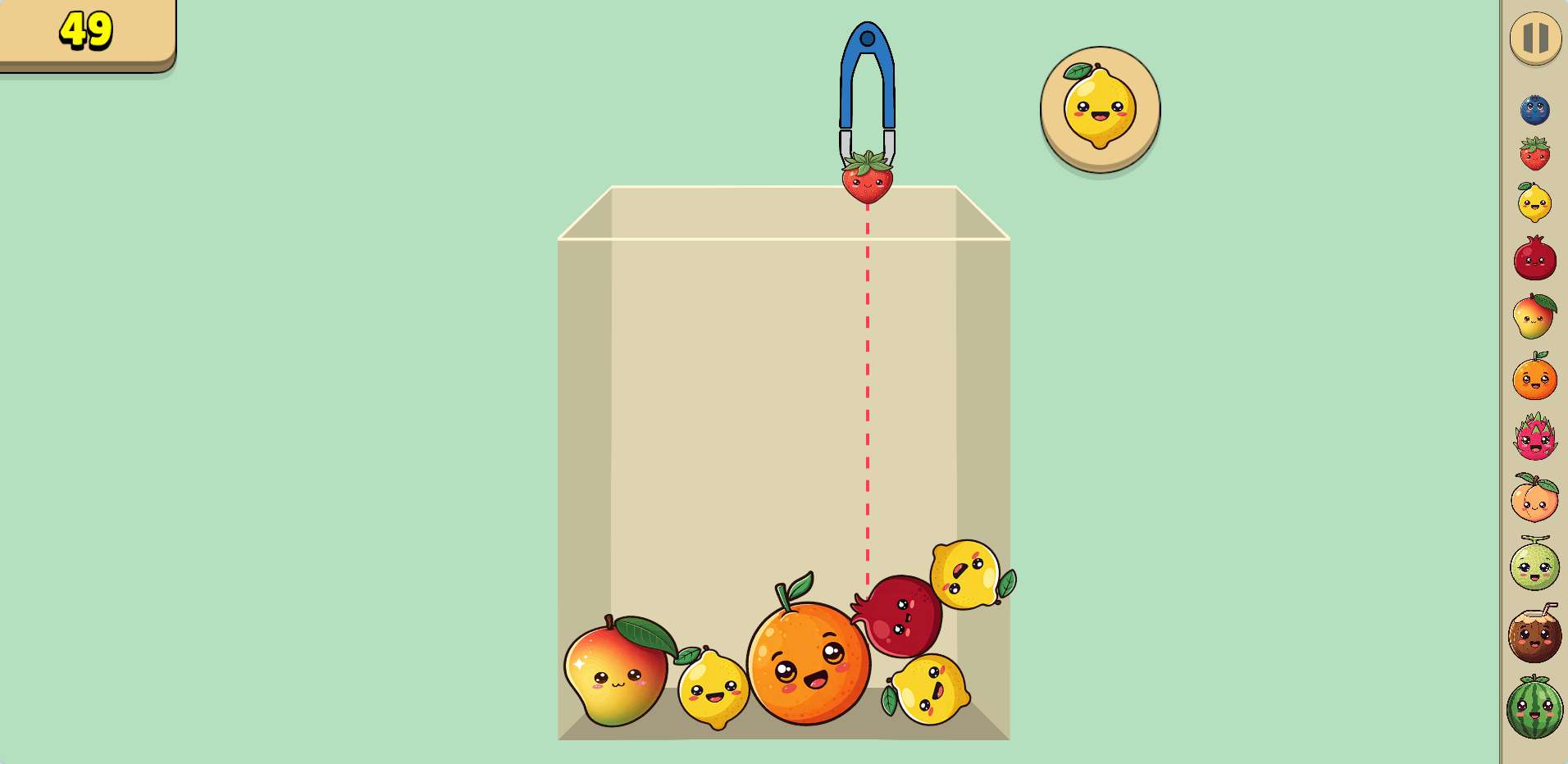
You start off dropping randomly, but after a few rounds, you realize you’re scanning the board, planning two or three moves ahead. It’s that quiet kind of puzzle that doesn’t announce its depth. It just lets you discover it.
Visuals and Sound: Clean and Unobtrusive
The graphics are simple—bright, flat, and easy to read. The fruits are recognizable, and the animations are smooth enough. There’s no heavy background music, just gentle sound effects for merges. It’s the kind of game you can play while listening to a podcast or waiting for something to load.
Honestly, the lack of clutter is a strength. Too many casual puzzles overload you with menus and pop-ups. This one just lets you play.
Who Should Play This?
If you like games like Suika or 2048, you’ll recognize the loop immediately. But Watermelon Drop Puzzle feels a bit more forgiving—less about frantic swipes and more about careful clicks. It’s great for short sessions, but I’ve also found myself losing twenty minutes without noticing.
That said, it’s not a game that changes much over time. The core loop stays the same. If you need constant new content or progression systems, this might feel repetitive. But if you enjoy a clean, focused puzzle that rewards patience and planning, it hits the spot.
One Thing That Stands Out
What surprised me most is how the game handles failure. When the board fills up, it doesn’t punish you with a harsh game-over screen. You just start a new round. That might sound small, but it removes the frustration and keeps the experience relaxing. It’s a design choice that fits the game’s tone perfectly.
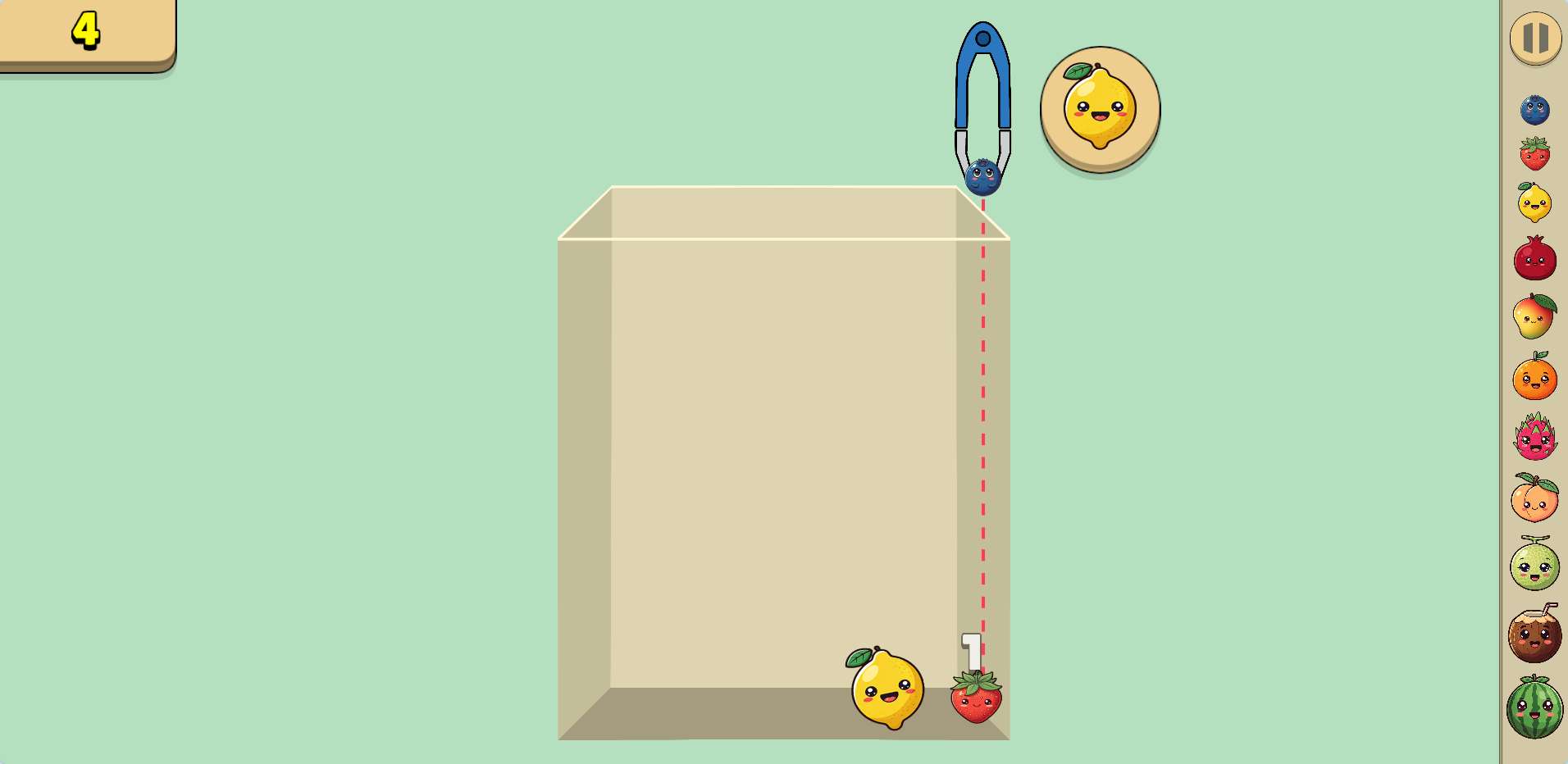
Watermelon Drop Puzzle knows what it is: a simple, satisfying way to kill a few minutes. It doesn’t pretend to be more. And honestly, that’s exactly what makes it worth playing.
Final Thoughts
Watermeleon Drop Puzzle works best as a quick, low-pressure browser game. It may not hold everyone for long sessions, but it does a solid job at delivering a simple and accessible play experience.