
















What Is Birdie Bounce?
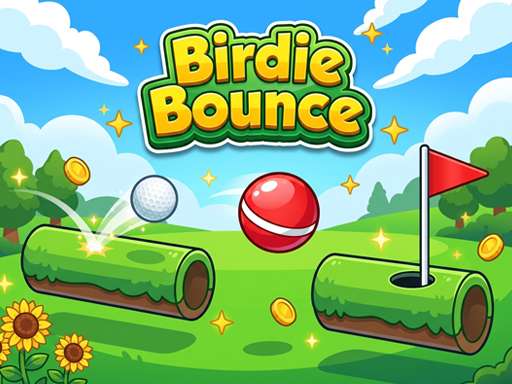
Birdie Bounce is an arcade golf game that does away with clubs and wind meters. Instead, you tap or click to charge a shot, aim your trajectory, and release—sending a little ball bouncing across colorful platforms toward the hole. The courses are short, bright, and imaginative, ranging from a sunny seaside to a surreal outer-space course.
There are 50 holes spread across 5 worlds. Each hole gives you a star rating based on how few shots you take. Three stars means you played it clean. One star means you got there eventually. The game is easy to pick up, but the star system gives you a reason to replay holes and tighten your aim.
How the Controls Actually Work
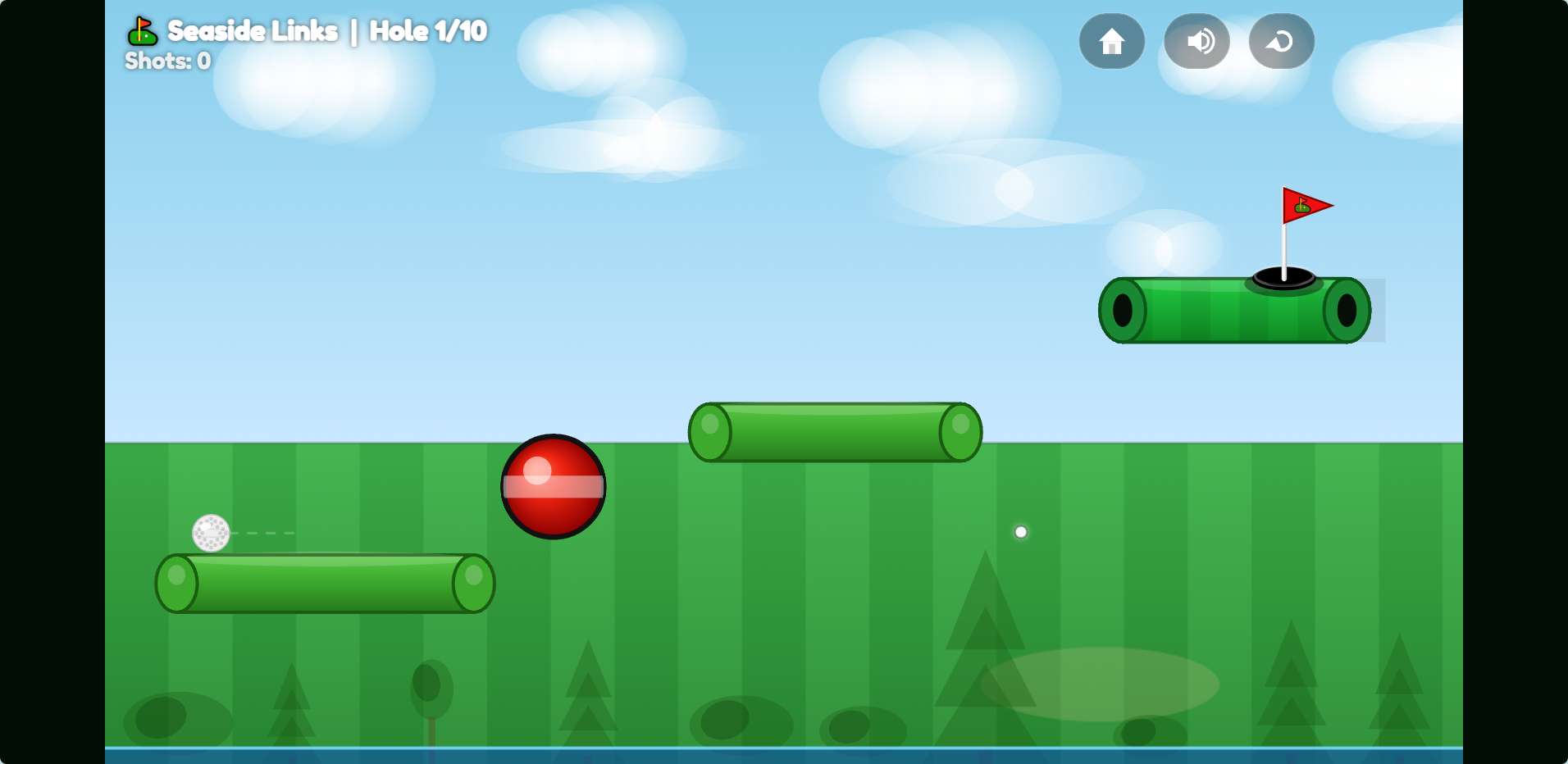
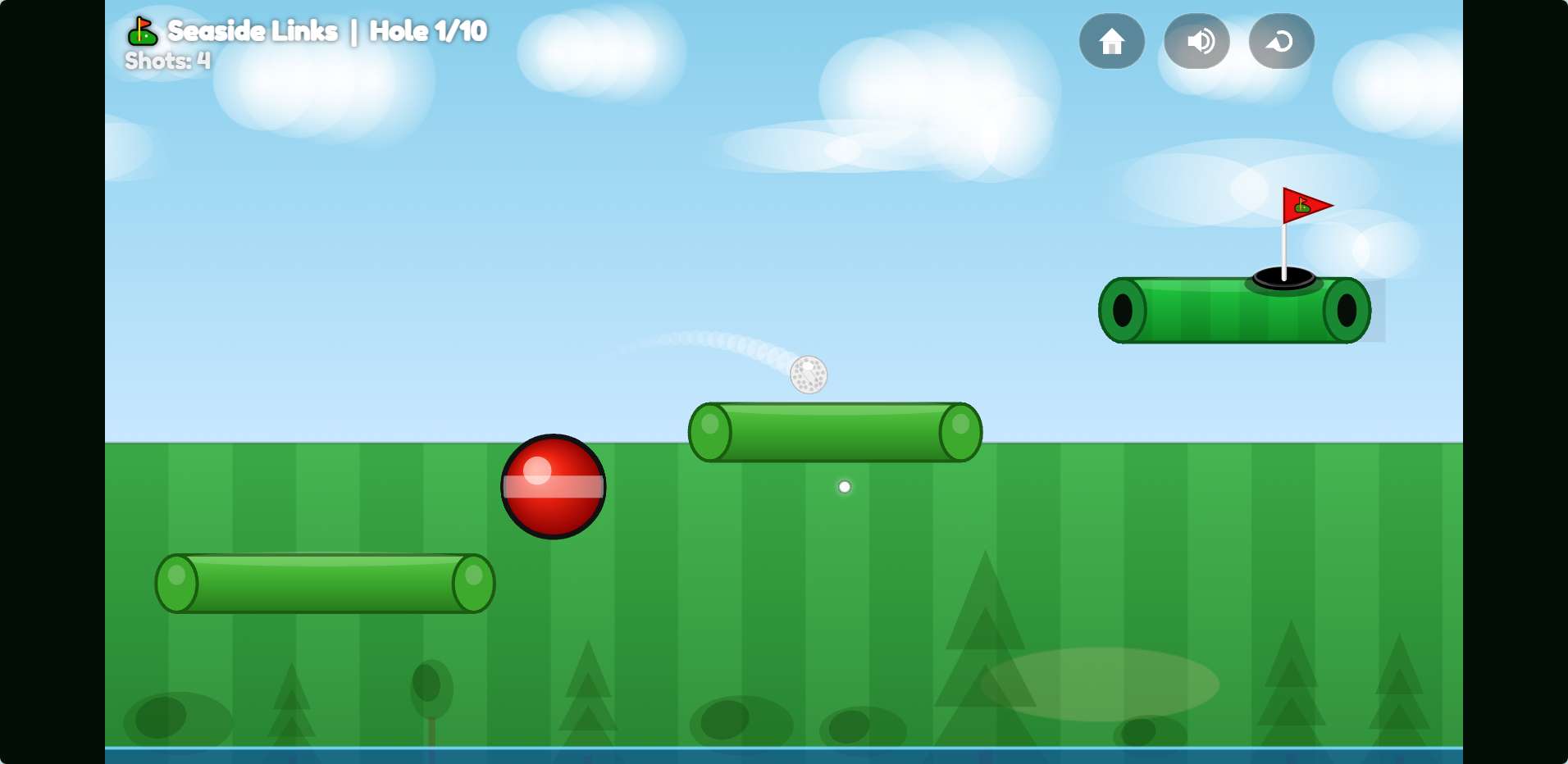
The controls are simple but not as loose as they first appear. You hold down your mouse button or finger to build power. A dotted line shows your trajectory, but it only shows the first bounce. After that, the ball can ricochet off walls, edges, and platforms in ways the preview doesn't predict.
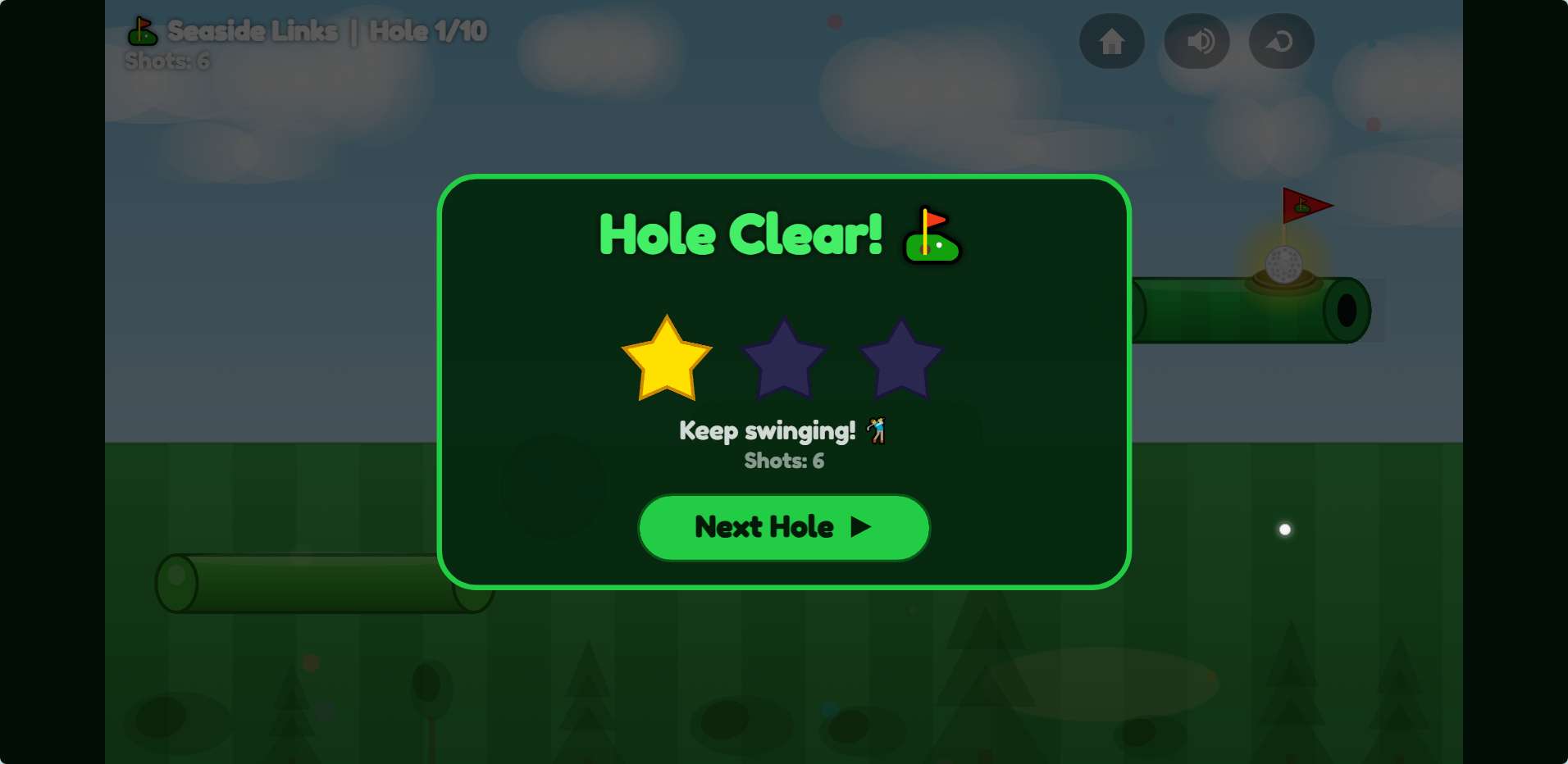
This matters because many holes require you to bank shots off angled surfaces or land on moving platforms. The preview is a guide, not a guarantee. You need to develop a feel for how the ball reacts after the first bounce.
One thing that's easy to miss: you can aim slightly above or below the trajectory line to change the angle of descent. That tiny adjustment can mean the difference between landing on a narrow platform or bouncing off into the void.
Common Mistakes New Players Make
The biggest mistake is overcharging. It's tempting to hit full power every time, but that often sends the ball flying past the hole or off the edge. Many holes are designed with a specific landing zone in mind. A gentle tap that lands you on a safe platform is better than a blast that bounces you into a hazard.
Another mistake is ignoring the environment. Some platforms are bouncier than others. Grass-like surfaces slow the ball down. Ice-like surfaces make it slide. Outer-space platforms have low gravity, so your ball floats longer and bounces higher. Pay attention to the texture of where you land. It changes your next shot.
Practical Tips for Earning Three Stars
Three stars on a hole usually means a hole-in-one or a very clean two-shot finish. Here's what helps:
- Use the first shot to set up position, not to rush. If you can't see the hole from your starting spot, aim for a flat, safe platform that gives you a clear angle next turn.
- Watch the camera angle. The camera is fixed, so what looks like a straight shot might actually be angled. Use the trajectory preview to confirm your line.
- Learn the bounces. Some holes have walls that are actually helpful. A well-placed ricochet can curve the ball around obstacles and drop it right next to the cup. Experiment.
- Restart if you mess up. There's no penalty for restarting a hole. If your first shot goes bad, just reset and try a different approach.
Which Courses Stand Out (and Which Start to Feel Samey)
The early courses—seaside and jungle—are fun but fairly straightforward. The platforms are wide, the hazards are obvious, and the star requirements are forgiving. The space course is where the game starts to show its personality. Low gravity changes everything. You can float over gaps that would be impossible on earlier courses. It's also where the game gets harder, because the bounces become less predictable.
That said, after 30 or so holes, the core mechanic does start to feel a bit repetitive. The game doesn't introduce new abilities or power-ups. It relies entirely on level design and your ability to adjust to different physics. If you enjoy dialing in precise angles and replaying holes to shave off a stroke, that repetition is satisfying. If you need constant novelty, you might find the back half a little samey.
Birdie Bounce is best enjoyed in short sessions. A few holes here and there, chasing that perfect shot. It's not a game you binge for hours. But for what it is—a clean, responsive arcade golf game with a cheerful look—it delivers exactly what it promises.