

















What You're Actually Doing
Cube Merge Game takes the familiar 2048 formula and makes it a bit more tactile. Instead of sliding a grid, you drop numbered cubes into a vertical stack. Same core idea—merge matching numbers to make bigger ones—but the vertical layout changes how you think about placement.
Each cube has a number on it. When two cubes with the same number touch, they merge into one cube with the next number up. A 2 and a 2 become a 4. Two 4s become an 8. You get the idea. The goal is to keep merging and reach the highest number you can before the stack fills up.
How Dropping Works
You can either tap where you want a cube to fall or drag it into position. The cube drops straight down, stacking on top of whatever is below. If it lands next to another cube with the same number, they merge automatically. This is important—merging happens on contact, so you don't get a second chance to rearrange.
New cubes appear at the bottom of the screen, one at a time. You have to place each one before the next arrives. There's no timer, but you can't pause between drops, so you need to think fast enough to keep the game moving.
Common Mistakes New Players Make
The biggest trap is dropping cubes randomly and hoping merges happen by luck. They won't. If you just drop wherever there's space, you'll end up with a messy pile of unmatched numbers that block each other.
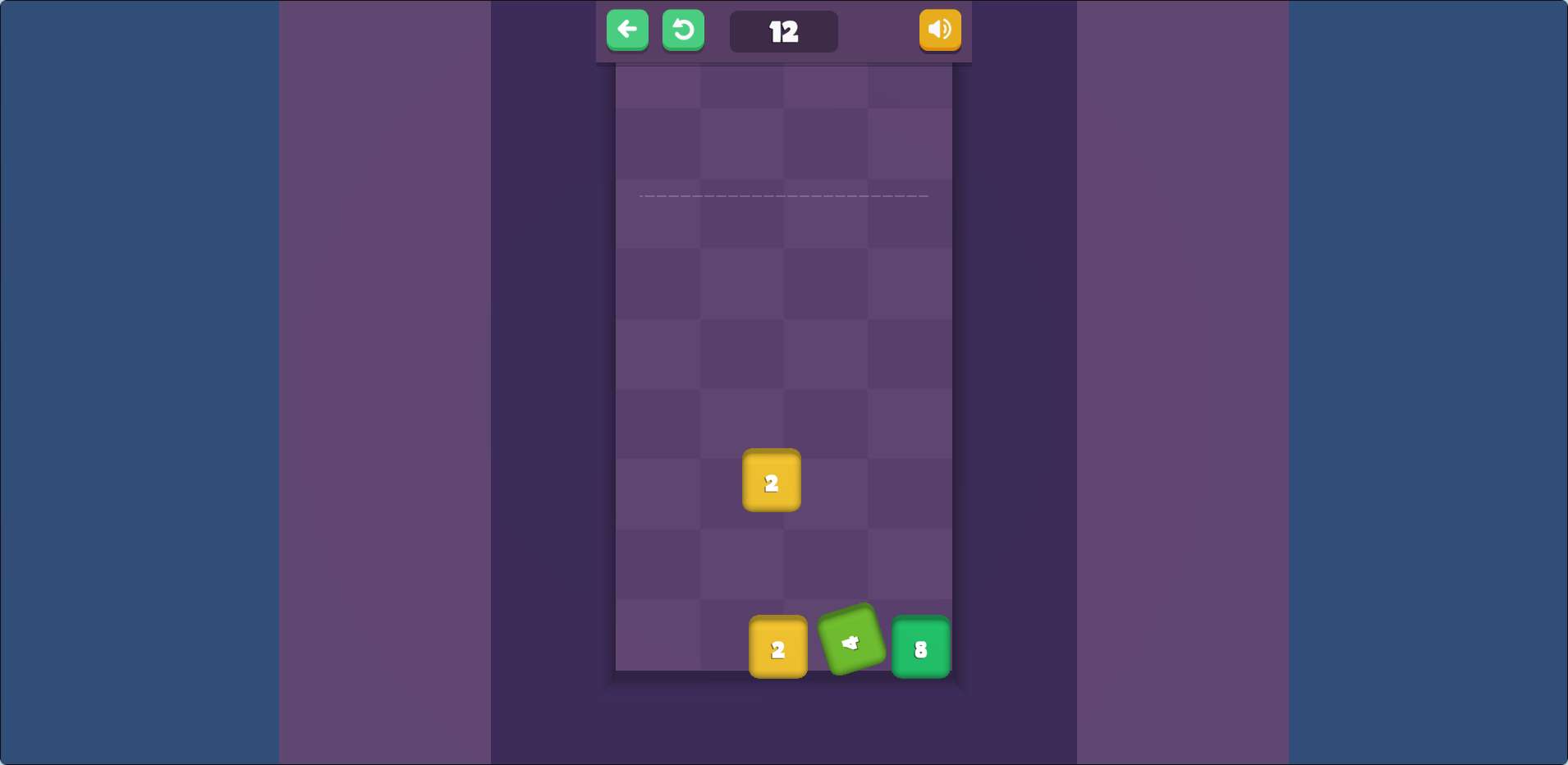
Another mistake is stacking tall in one column. A tall column might seem efficient, but it makes it harder to reach cubes at the bottom. Once a column gets too high, you can't drop new cubes into neighboring spots without creating a chaotic jumble.
Some players also forget to watch the numbers coming next. If you know a 4 is about to drop, you can prepare a spot for it. If you don't, you'll scramble and probably make a bad placement.
Practical Tips for Better Merging
Try to keep your stack as flat as possible. Spread cubes across the width of the play area so you have room to merge horizontally. Flat stacks give you more control and make it easier to set up chains.
Plan two or three moves ahead. Before you drop a cube, look at what's on the field and what's coming next. Ask yourself: where can this cube go, and what will it merge with? If there's no obvious merge, drop it somewhere that doesn't block future merges.
Focus on keeping lower numbers accessible. If you bury a bunch of 2s under a 16, you're stuck. Merge small numbers early and keep the top of your stack clear of high-value cubes that don't match anything nearby.
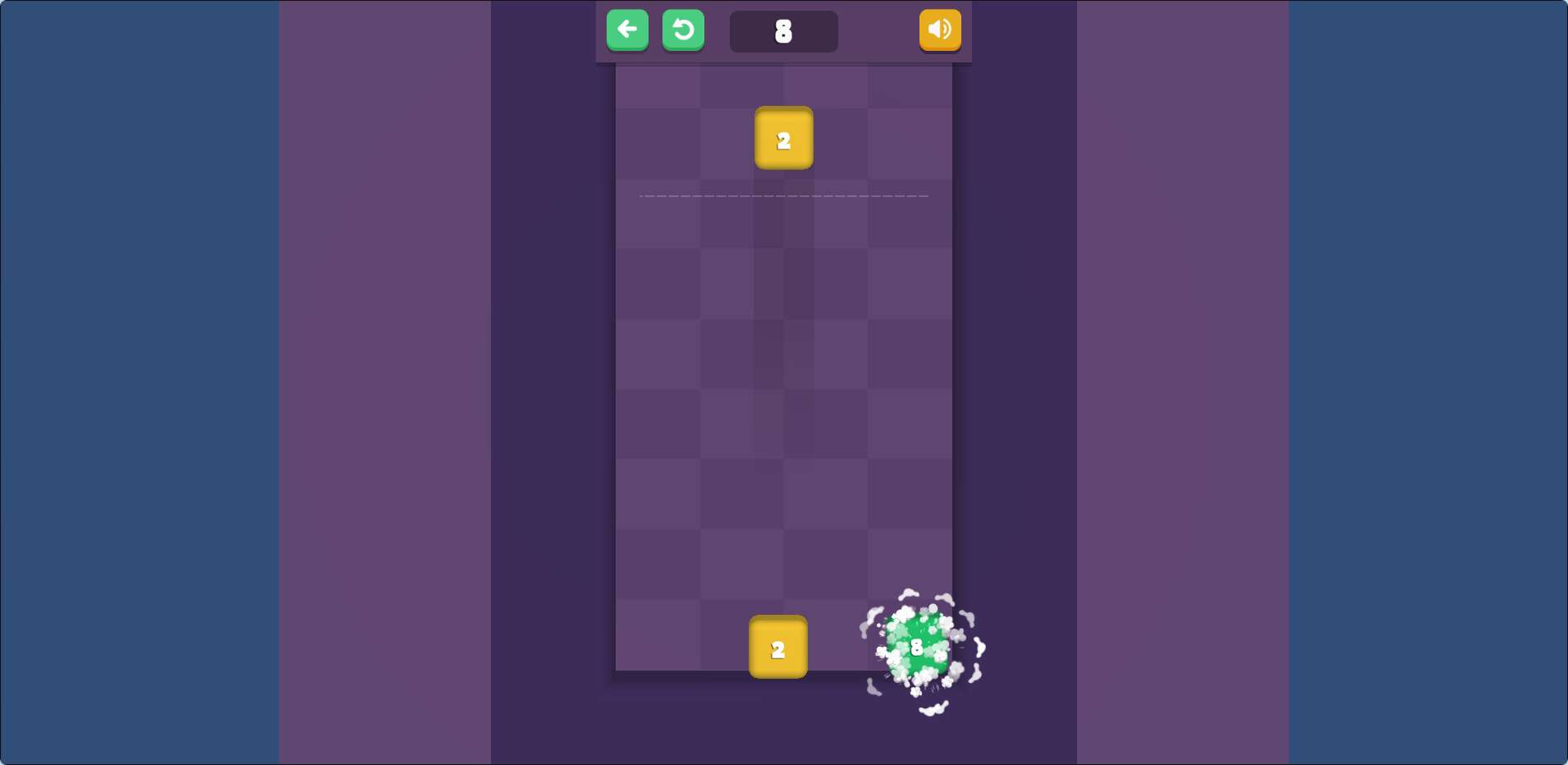
Don't chase high numbers too aggressively. Reaching 64 or 128 feels great, but if you build a giant cube in the middle of your stack, it can mess up everything around it. Sometimes it's better to let a big cube sit on the edge where it won't block merges.
When the Game Stops Being Casual
Cube Merge Game is easy to learn, but once your stack fills up and numbers start getting into the double digits, it becomes a real test of spatial planning. The game doesn't introduce new mechanics or power-ups. It just keeps throwing cubes at you and expects you to handle it.
That simplicity is part of the appeal, but it also means the game can feel repetitive after a while. If you're someone who likes pure logic puzzles without distractions, this will work for you. If you need constant variety or flashy effects, you might lose interest after a few sessions. It's a clean, focused puzzle—nothing more, nothing less.
Final Thought
The best advice for Cube Merge Game is to stay patient. Don't rush your drops. Don't panic when the stack gets tall. Take a second to look at the board before each move. The game rewards careful thinking over fast reflexes. Keep merging, keep planning, and you'll beat your high score more often than not.