
















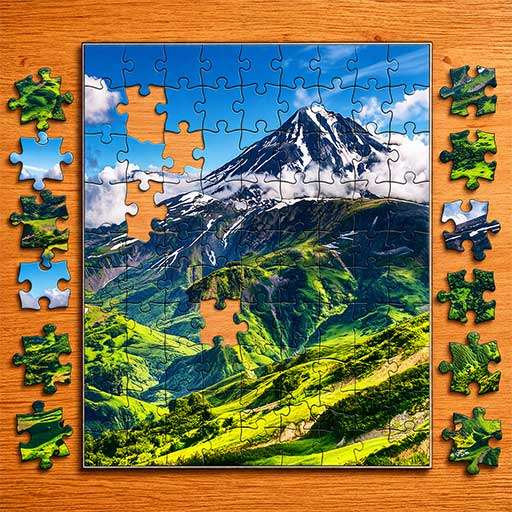
What Fun Jigsaw Puzzle Actually Is
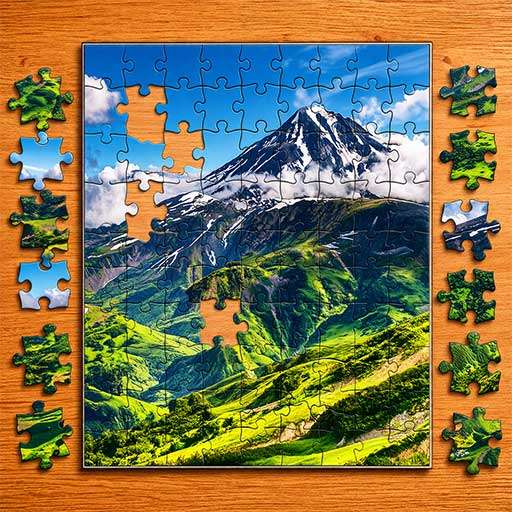
Fun Jigsaw Puzzle does exactly what the name promises. You get a scrambled set of pieces and drag them into place to complete a picture. The twist, if you can call it that, is the variety of images and the gradual ramp in difficulty. Early puzzles are small, with big, chunky pieces that are easy to match. Later ones split the image into many smaller pieces, making the process slower and more deliberate.
It’s not trying to reinvent the puzzle genre. It’s a straightforward, no-fuss take on digital jigsaws, and that simplicity is part of its appeal.
Getting Started: Drag, Drop, and Don’t Overthink
The controls are basic. On desktop, you click a piece to select it, then drag it to where you think it goes. On mobile, you do the same with your finger. The pieces snap into place when they’re close enough, which saves a lot of frustration. There’s no timer, no score multiplier, no pressure. You can take as long as you want.
New players sometimes try to place pieces randomly, hoping for a lucky snap. That works for the first few levels, but once the piece count goes up, you’ll want a better system.
Sort Pieces Before You Start Placing
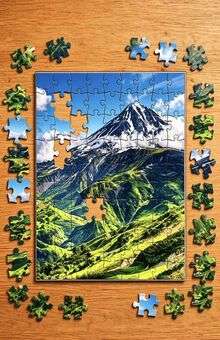
The single most helpful habit is sorting. When a new puzzle loads, drag all the pieces to the edges of the board or into rough piles. Group them by color or by obvious patterns—sky pieces together, tree pieces together, anything that stands out. This takes maybe two minutes, but it saves ten minutes of hunting later.
Also, pull out all the edge pieces. These have at least one straight side. Build the border first. It gives you a frame to work within, and it makes the middle of the puzzle feel less overwhelming.
What to Do When You Get Stuck
At some point, you’ll hit a puzzle where nothing seems to fit. The pieces all look similar, and you start second-guessing every placement. This is normal. When it happens, step back and look at the preview image. Compare shapes more carefully. Rotate pieces in your mind—or just try dragging a piece to every spot that matches its color until one clicks.
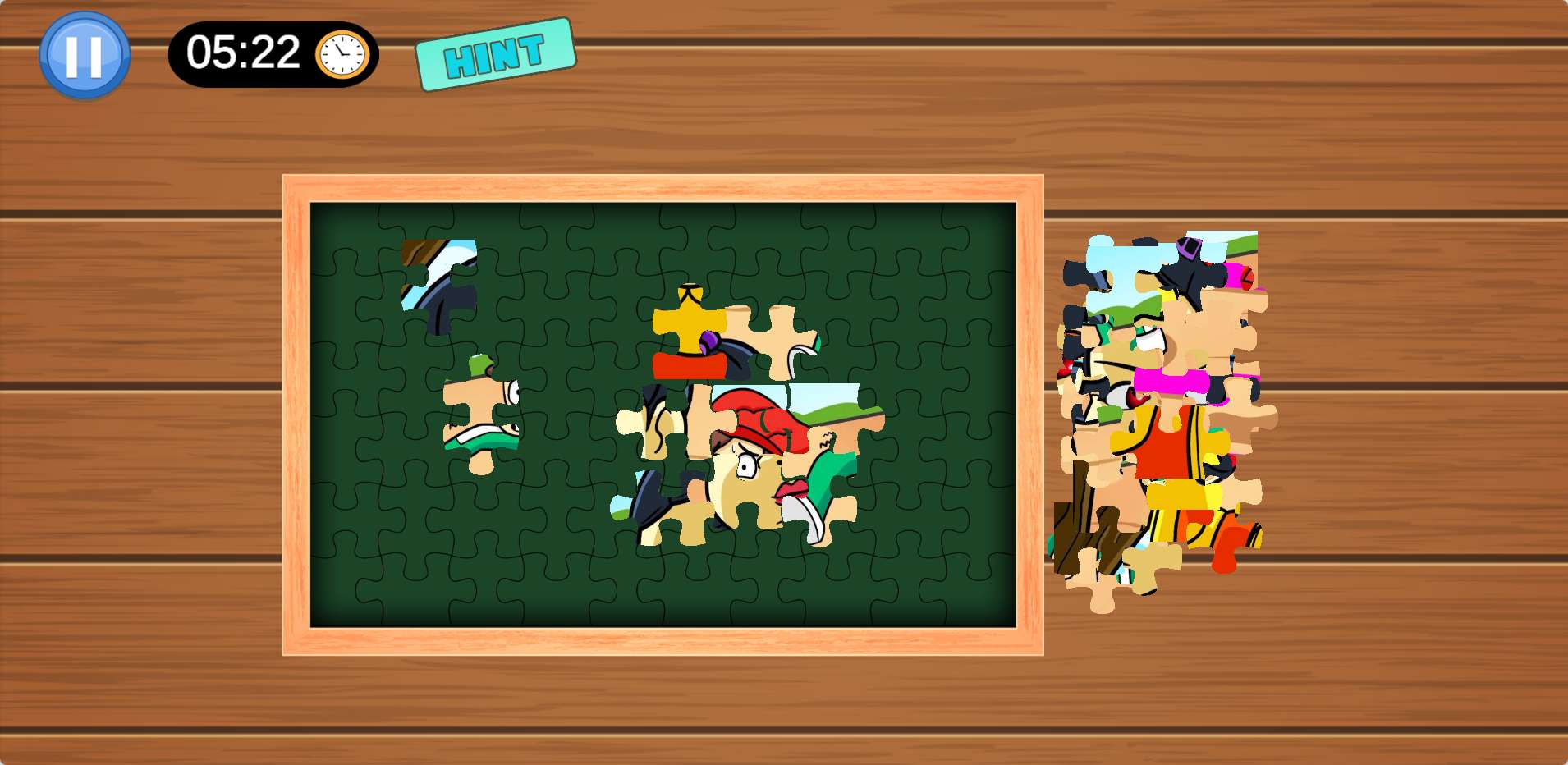
If that still doesn’t work, take a break. Close the game for a few minutes. Coming back with fresh eyes often makes the missing connection obvious.
Who Actually Enjoys This Game
Fun Jigsaw Puzzle is not for people who want fast action, high scores, or competitive leaderboards. It’s for anyone who likes quiet, methodical play. It works well as a background activity while listening to music or a podcast. The lack of a timer means you can put it down mid-puzzle and come back later without penalty.
That said, the difficulty curve is real. Later puzzles can feel tedious if you’re not in the right mood. The game doesn’t add new mechanics to keep things fresh—it just gives you more pieces. If you enjoy the core loop of sorting and matching, that’s fine. If you need variety, you might find the later levels repetitive.
A Few Small Annoyances Worth Knowing
One thing that stands out: the piece shapes are not especially varied. In many digital jigsaw games, each piece has unique tabs and blanks that help you narrow down matches. Here, the shapes repeat more often, so you end up relying heavily on the image itself. That’s not a dealbreaker, but it does make some puzzles harder than they need to be.
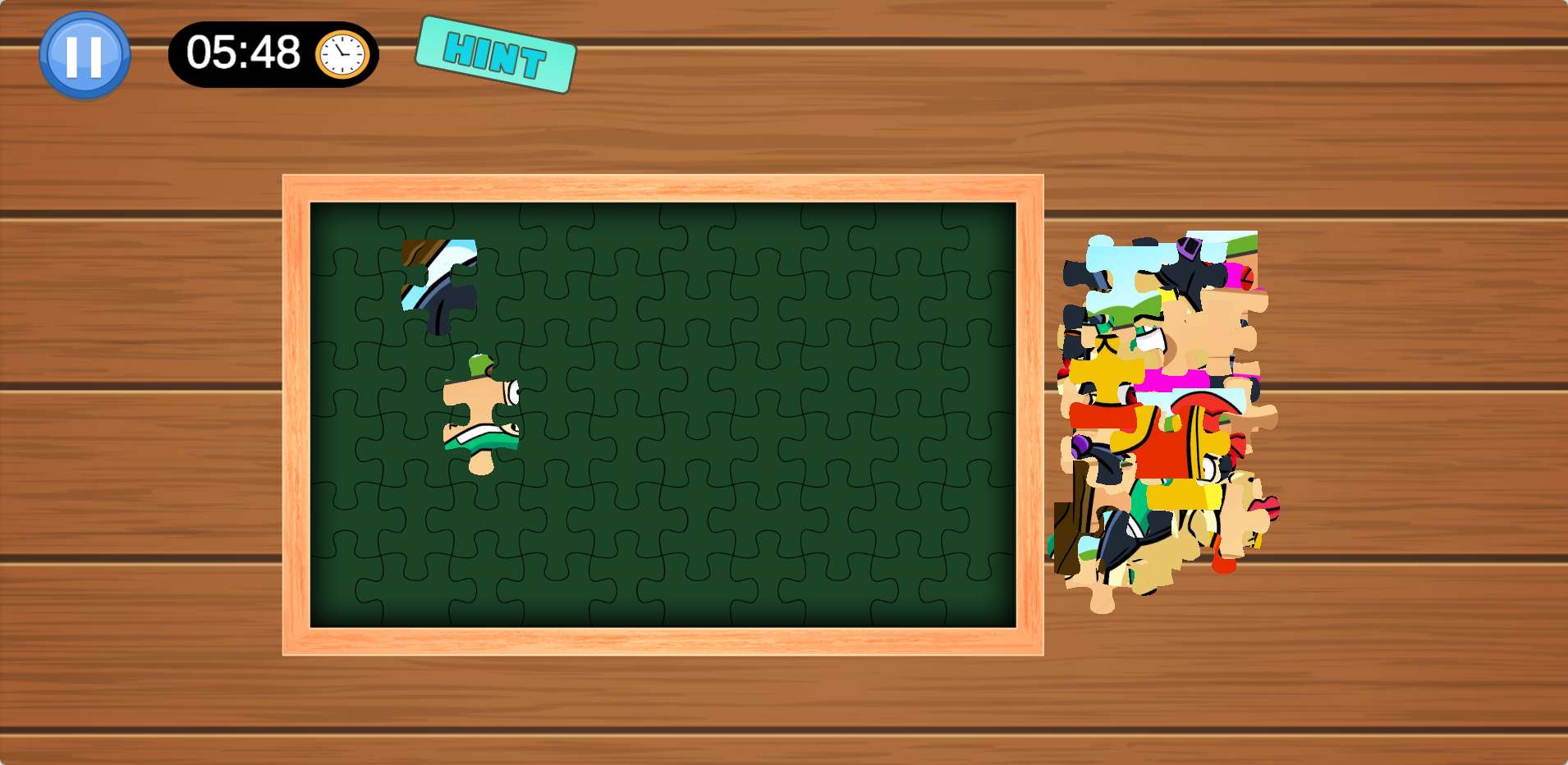
Also, the undo function is limited. If you place a piece wrong and don’t notice until later, you have to manually move it back. Pay attention as you snap pieces in, especially near the end.
Final Thought
Fun Jigsaw Puzzle is a solid choice if you want a calm, no-strings-attached puzzle game. Sort your pieces early, build the edges first, and don’t be afraid to walk away when you hit a wall. It won’t blow your mind, but it might help you unwind.
One Quick Tip
New players usually do better when they slow down a little and pay attention to repeating patterns instead of reacting too quickly.