


















What Forest Archer Actually Is
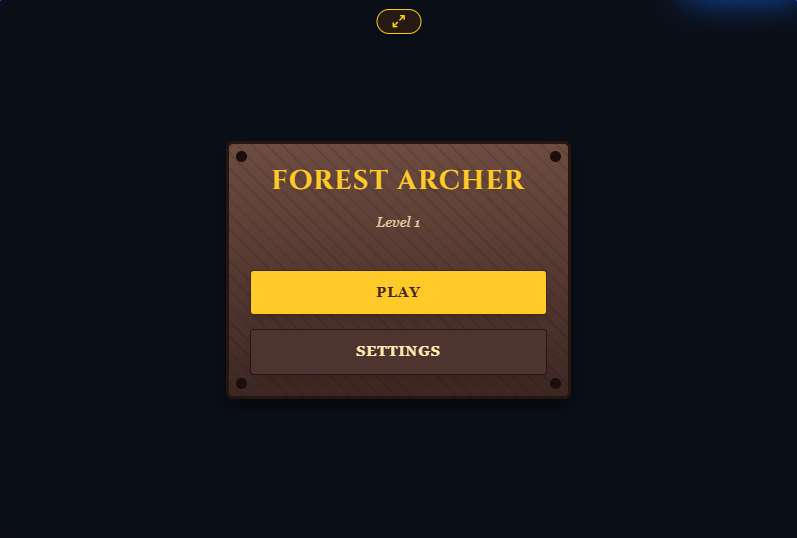
Forest Archer is a browser-based archery game that strips the concept down to its core: aim, power, and release. You play as an unseen archer taking shots at stationary and moving targets in a wooded environment. The primary challenge comes from mastering the two-part control scheme and accounting for an unpredictable wind system.
It’s a game of pure skill calibration. There’s no character progression or unlockable bows—just you, your cursor, and the need to land perfect shots.
The Controls: It's All in the Drag and Release
The input method is identical across platforms and defines the entire experience.
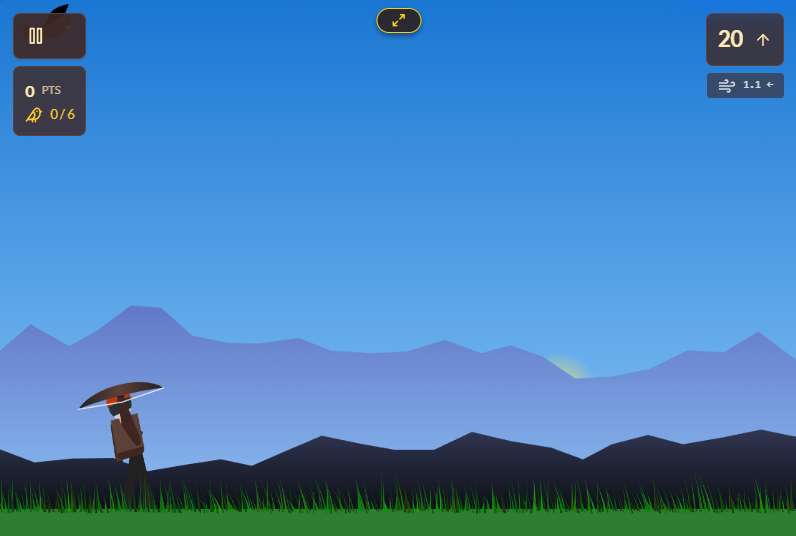
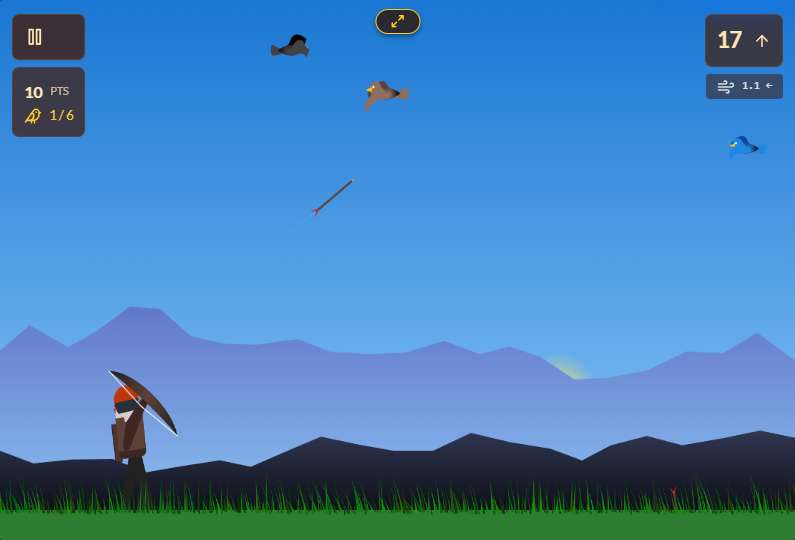
- On PC: Click and hold the mouse button, drag to aim and pull the bowstring back (which sets power), then release to fire.
- On Mobile: The action is the same: touch, drag to aim and draw, lift your finger to shoot.
The longer you drag back, the more power your shot will have. This direct connection between your physical gesture and the on-screen action is satisfyingly immediate.
Understanding the Real Challenge: Wind
While the controls are simple, the game introduces complexity through wind. A wind gauge shows both direction and strength. A gentle breeze might only nudge your arrow slightly off course, but a strong gust will send it veering dramatically.
This is where the game demands focus. You must aim not at the target, but at the point where you anticipate the wind will carry your arrow. It turns a simple point-and-click exercise into a genuine physics puzzle. Early levels have calm or consistent wind, but later stages feature shifting gusts that force you to wait for the right moment.

A Practical Tip for Consistent Accuracy
Many new players struggle with power management. They either under-draw and fall short or over-draw and shoot over the target. Here’s a reliable method:
For a standard-distance target, try a medium draw—pull back until your cursor is roughly level with your archer’s position. Use that as a baseline. Then, adjust primarily for wind. Only significantly increase or decrease power for targets that are obviously much farther or closer. This creates a consistent muscle memory for the power needed, letting you focus your mental energy on compensating for the wind.
Where the Game Shines (And Where It Doesn't)
Forest Archer’s strength is its focused, no-frills challenge. The satisfaction of accounting for a tricky crosswind and nailing a bullseye is genuine. The visual and audio feedback—the *thwip* of the bowstring and the *thunk* of a hit—is crisp and rewarding.
However, the game is inherently repetitive. The scenery changes little, and the core loop of aiming at circular targets doesn’t evolve. You’re either the kind of player who enjoys perfecting a single skill in a vacuum, or you’ll find it grows stale after a dozen levels. It’s less of an adventure and more of a high-score practice range. This makes it ideal for short, focused play sessions rather than long engagements.
Getting Past the Early Frustration
It’s common to fail a level several times in a row when you start. Don’t get discouraged. Instead, treat each failed shot as data. Did the arrow go left? The wind was pushing right, so you didn’t compensate enough. Did it fall short? You didn’t draw back far enough for that distance.
The game is about building intuition. Watch the wind pattern for a few seconds before shooting. Sometimes it cycles, and firing during a lull is the best strategy. Be patient, observe, and adjust. The difficulty curve is steep but fair—every obstacle can be overcome with a more careful shot.
One Quick Tip
New players usually do better when they slow down a little and pay attention to repeating patterns instead of reacting too quickly.