
















From Empty Station to Bus Empire
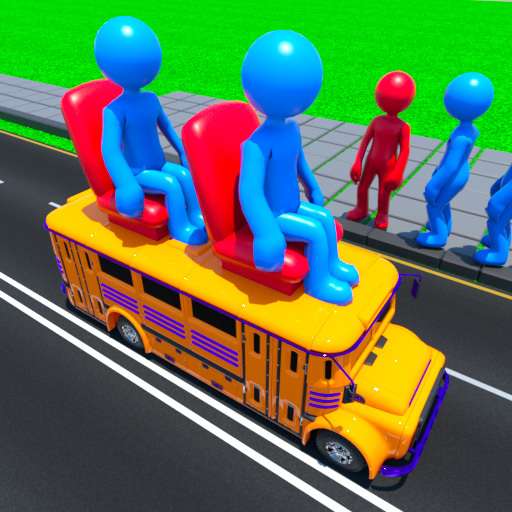
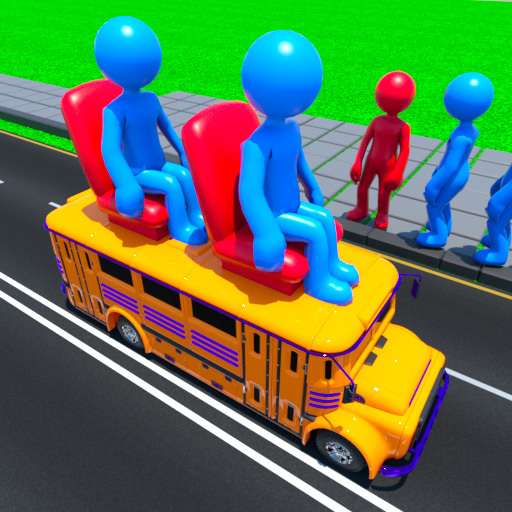
City Bus Passenger Picking Game is a clicker-style management game where you begin with a basic, empty bus station. Your first task is to start generating income by picking up passengers. Every click on the 'Pick Passenger' button earns you cash, which is your primary resource for everything that follows. It's a simple start, but the real game begins once you have enough money to make your first investment.
Your First Investments: Facilities and Upgrades
The initial cash you earn should go toward building essential station facilities. The waiting room is your first priority, as it directly increases passenger satisfaction and, consequently, your income per click. After that, consider adding a restroom and a small restaurant. Each facility has multiple upgrade levels. A good rule is to upgrade your core money-makers—like the waiting room—before expanding into new buildings. Don't spread your early cash too thin; focus on making one or two facilities highly effective first.

Expanding Your Fleet and Hiring Staff
Once your station generates a steady income, you can buy your first bus. Buses provide automated income, meaning you earn money even when you're not actively clicking. Your next major step is hiring staff. Drivers increase the efficiency of your buses, while janitors and chefs improve station facilities. Each staff member can be upgraded individually, which is often more cost-effective than hiring additional personnel early on. A common mistake is hiring too many low-level staff instead of investing in upgrades for a few key employees.
The Automation Phase and Long-Term Strategy
The game's core loop involves using active clicking to fund automation, then using automated income to fund further expansion. The goal is to reach a point where your buses and upgraded facilities generate enough passive income that you only need to check in occasionally to collect profits and make new purchases. The late-game strategy shifts toward maximizing this automation. Prioritize research or upgrades that reduce click costs and increase passive generation rates. This is where the 'tycoon' feeling truly kicks in.
What Works and What Gets Repetitive
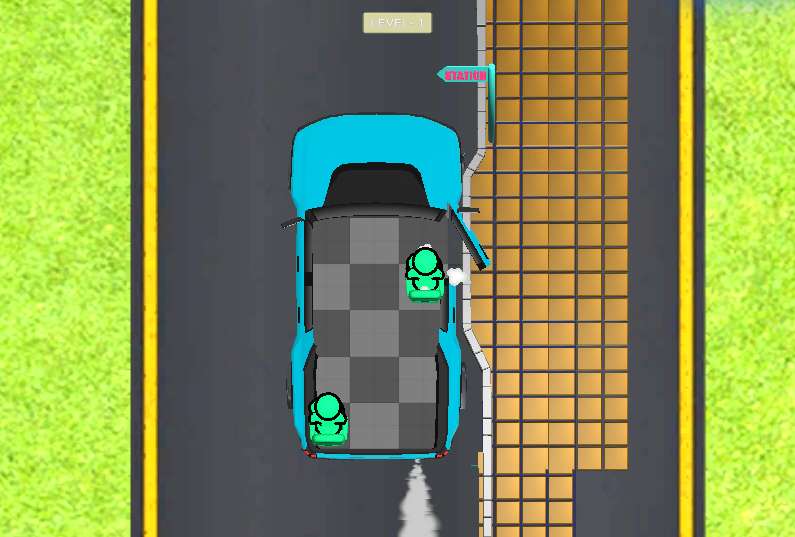
From an editorial perspective, the game's strength is its clear progression curve. You always feel like you're building toward something, whether it's a new bus model or a maxed-out restaurant. The satisfaction comes from watching a number go up and your empire visually expand. However, the early game is heavily reliant on manual clicking, which can feel grindy before you unlock meaningful automation. This game will appeal most to players who enjoy incremental progress and idle management, but those looking for complex strategic decisions might find the mechanics a bit straightforward after the initial hours.
A Practical Tip for Faster Growth
If you want to accelerate your progress, adopt a 'tall before wide' approach. Instead of immediately buying every available facility, pour your resources into fully upgrading your waiting room and your first bus driver. This creates a stronger income foundation. Then, use that boosted income to rapidly purchase the next tier of items. It's more efficient than having many underdeveloped assets. Also, always check if a staff upgrade is cheaper than hiring a new person—it usually is and provides a better return.
One Quick Tip
New players usually do better when they slow down a little and pay attention to repeating patterns instead of reacting too quickly.