

















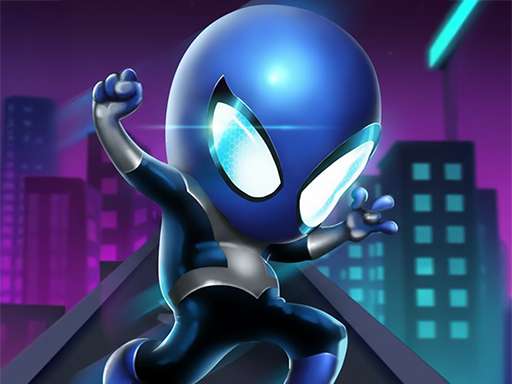
What Is Subway Spider Kid, Exactly?
Subway Spider Kid is an endless runner with a twist. Instead of just swiping left and right, you’re controlling a kid who moves like a spider — quick, agile, and able to change direction on a dime. The setting is a busy subway system, and your goal is to keep running as long as possible while avoiding trains, barriers, and other hazards.
It’s not trying to reinvent the wheel. But the spider theme gives the movement a slightly different feel than most runners. You’re not just dodging — you’re weaving.
Controls That Actually Matter
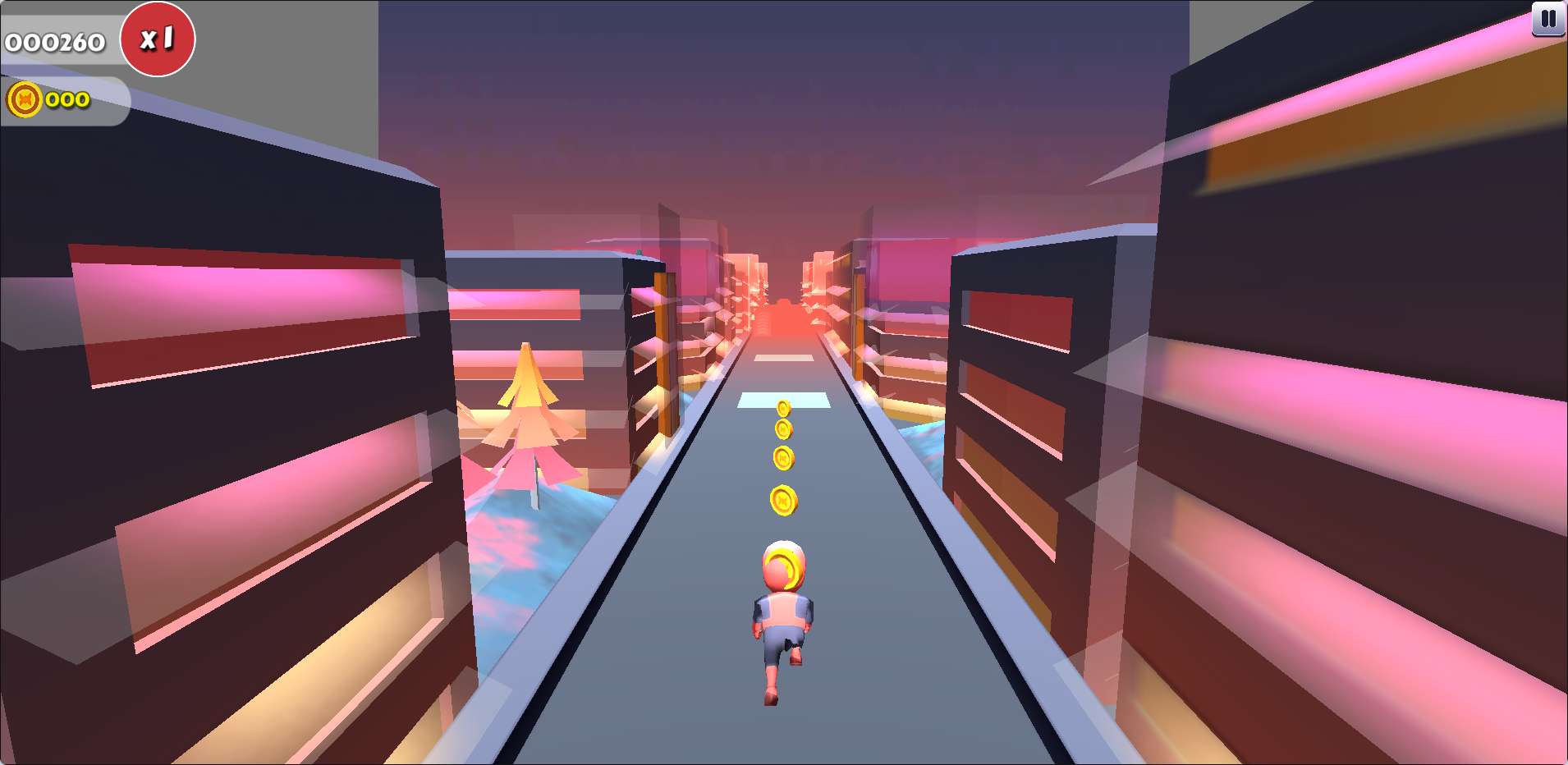
Here’s the thing about Subway Spider Kid: the controls are simple, but they’re not automatic. You have full directional control using the keyboard:
- W or Arrow Up — Move forward
- S or Arrow Down — Move backward
- A or Arrow Left — Move left
- D or Arrow Right — Move right
Mouse clicks are used for menu buttons, but during gameplay it’s all keyboard. This matters because many endless runners only let you switch lanes. Here, you can actually move freely in four directions. That small change makes a big difference when you’re trying to squeeze past a train or backtrack to grab a power-up.
Don’t Just Run — Think Ahead
New players often make the same mistake: they react instead of anticipate. Because the game moves fast, it’s easy to panic and mash a direction key. But Subway Spider Kid rewards players who look a few seconds ahead.
Here are a few tips that actually help:
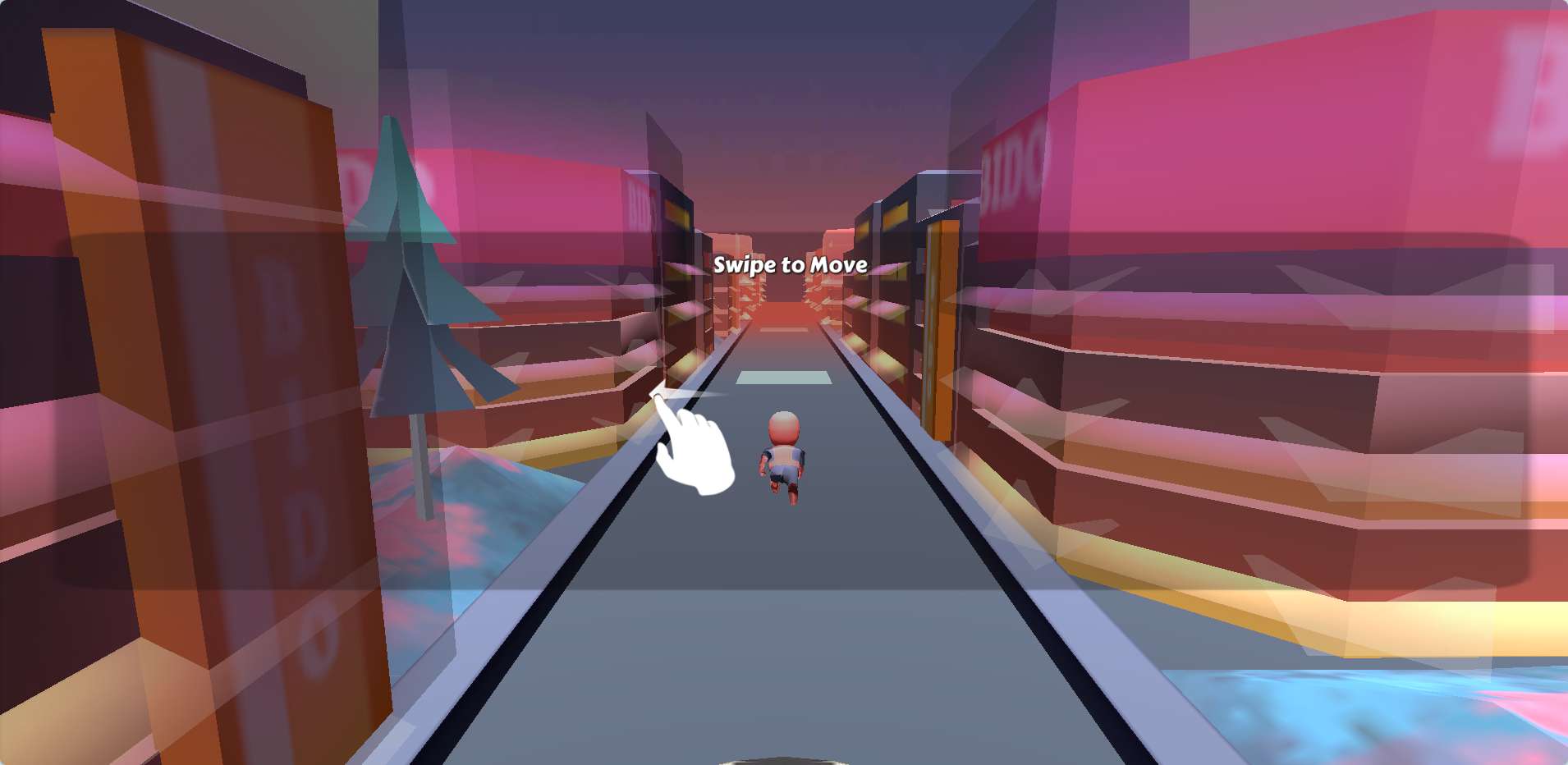
- Stay in the middle of the track when you can. That gives you equal room to dodge left or right. If you hug one side, an obstacle on that side becomes much harder to avoid.
- Use backward movement sparingly. Moving back can save you from a sudden train, but it also slows your pace and can mess with your rhythm. Only do it when you’re about to get hit — not as a default dodge.
- Watch for pattern repetition. The obstacles aren’t random. After a few runs, you’ll start noticing that certain sequences repeat. Learn the order and you’ll survive longer.
The Power-Ups: Which Ones Actually Matter
Subway Spider Kid throws a few power-ups your way. Not all of them are equally useful. Here’s the breakdown from a practical standpoint:
- Speed boost — Sounds great, but it makes dodging harder. Only grab this if you’re feeling confident or if the track ahead is clear.
- Shield — This is the one you want. It absorbs one hit and keeps you running. Prioritize shields over everything else.
- Magnet — Pulls in coins from a distance. Handy if you’re grinding for unlocks, but doesn’t help survival directly.
If you see a shield and a speed boost at the same time, go for the shield. Every time.
Why This Game Works (and Where It Gets Repetitive)
Subway Spider Kid is fun in short bursts. The spider-like movement gives it just enough personality to stand out from the endless runner crowd. But let’s be honest: after fifteen or twenty minutes, the repetition sets in. The obstacles cycle, the scenery doesn’t change much, and your reflexes start to plateau.
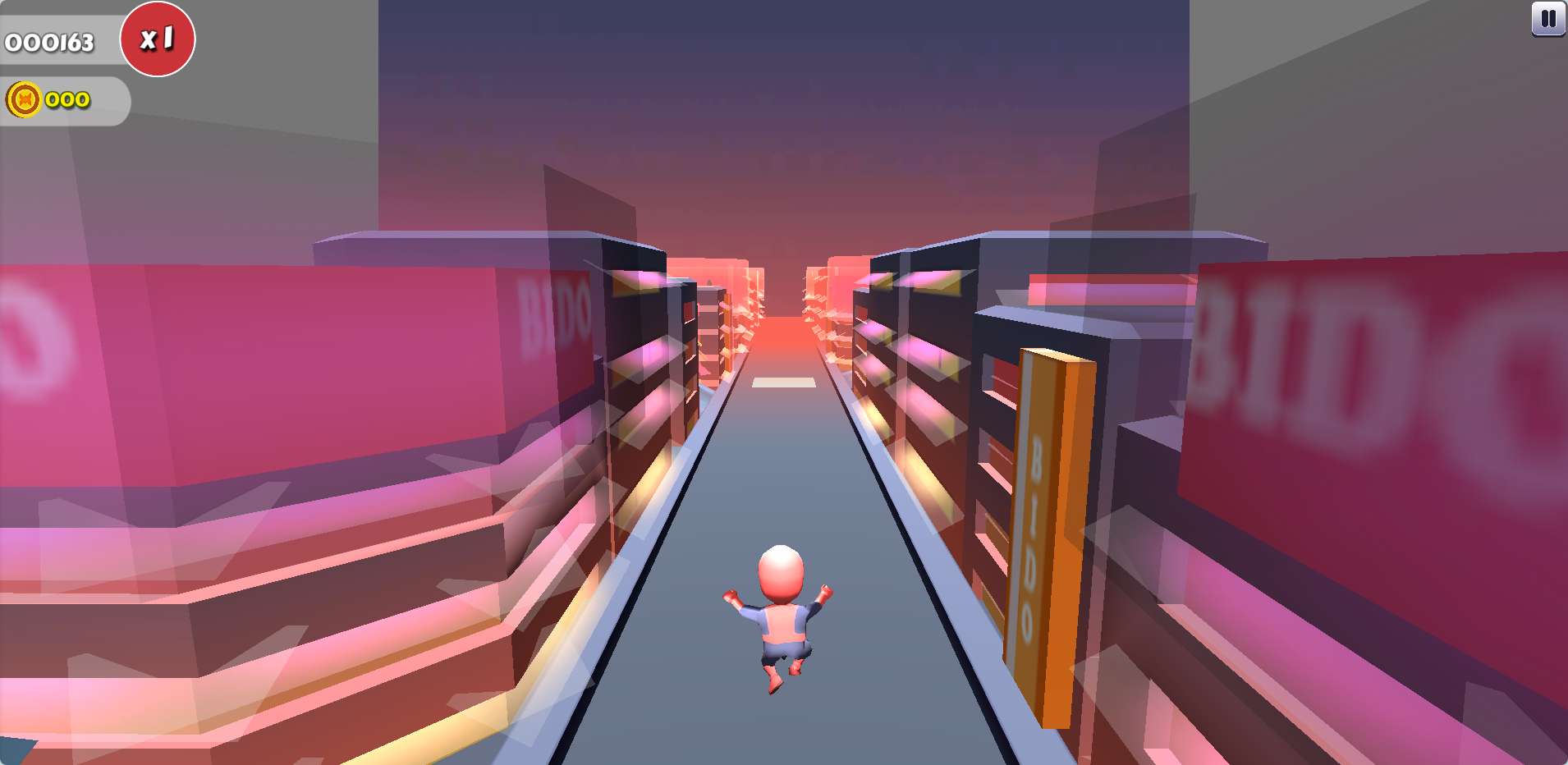
That’s not necessarily a bad thing. This is the kind of game you play while waiting for something else — a quick three-minute run between tasks. It doesn’t demand deep engagement. If you go in expecting a rich, evolving experience, you’ll be disappointed. But if you want something that snaps into focus for a few minutes and then lets you move on, it does its job well.
The kid’s animations are also a nice touch. There’s a weird satisfaction in watching the character scramble sideways like a spider. It’s small, but it adds charm.
Final Thoughts for New Players
Subway Spider Kid is simple to learn but hard to master in that classic endless runner way. Don’t overthink it. Focus on positioning, learn the obstacle patterns, and treat shields like gold. And when you feel the repetition creeping in — that’s your cue to take a break. The game will be here when you come back.