
















What Is Sand Route Puzzle, Really?
At first glance, Sand Route Puzzle looks like one of those no-brainer color-matching games you'd open while waiting for coffee. And honestly? It kind of is. But there's a quiet cleverness hiding under those bright sand particles and simple tap controls. You get a stream of colorful sand falling from above, a moving belt of empty boxes below, and one job: tap a column to place a box so it catches the right color. Fill it up, move on to the next pattern, and clear the level.
The hook is that you're not just matching colors—you're also planning ahead. The belt moves steadily, boxes fill gradually, and a single misplaced tap can send the wrong color into a container, wasting time and space. It's the kind of pressure that feels gentle until you're three moves deep and realize you've painted yourself into a corner.
It Looks Simple, But Your Brain Disagrees
Here's where Sand Route Puzzle sneaks up on you. The early levels are basically tutorials—two colors, slow sand, plenty of room to mess up. Then around level 10 or so, the game quietly adds a third color, then a fourth, then multiple sand streams at once. Suddenly you're juggling timing, container placement, and color order all at the same time. The difficulty curve is smooth but real. It never feels unfair, but it does demand that you stop autopiloting and actually think.
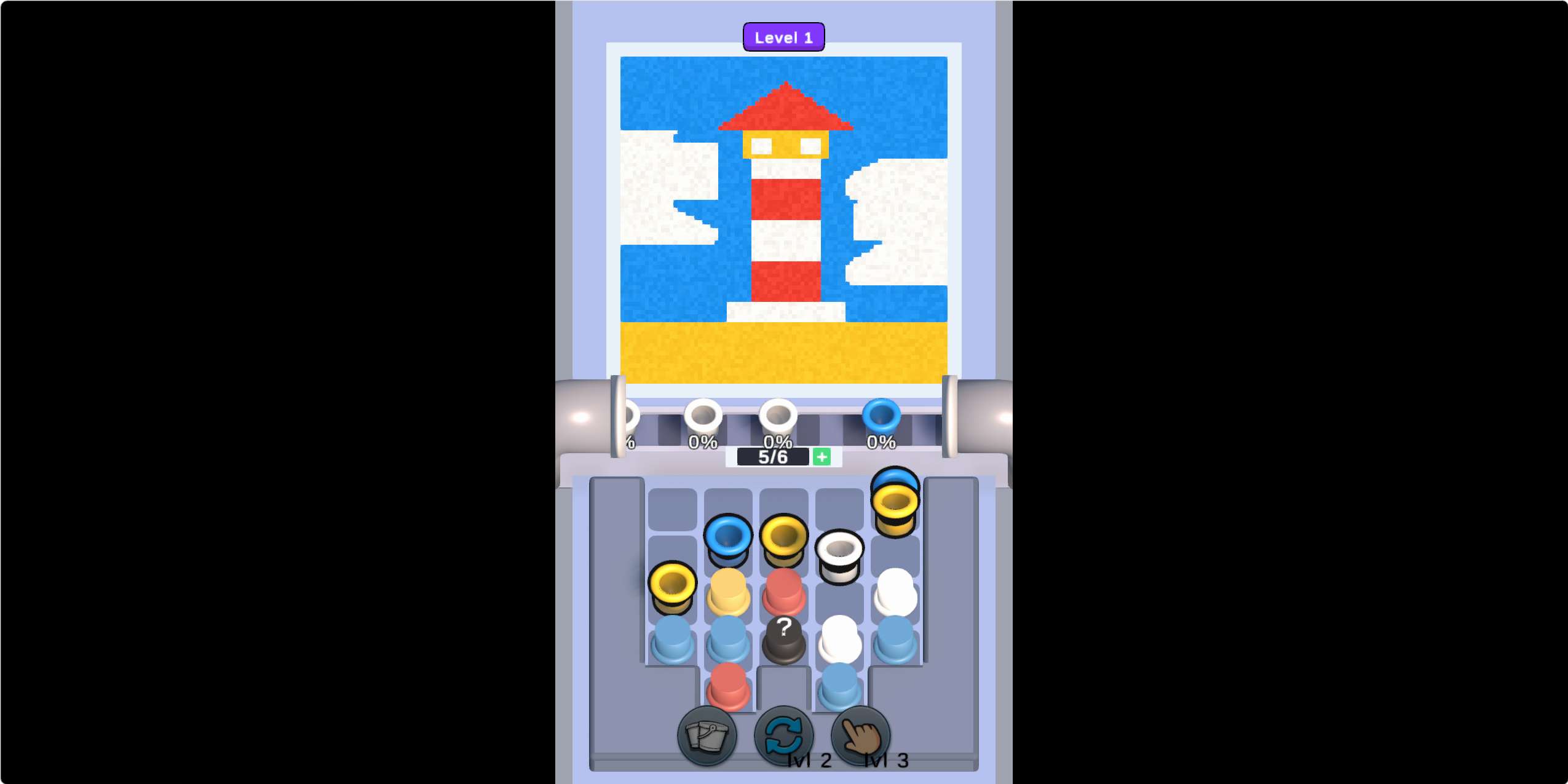
The sand physics help a lot. Watching the particles tumble and pile up in boxes is oddly satisfying—it gives you a tactile sense of progress that a simple progress bar never could. Each grain matters because overflowing a box means you lose that color until the next batch arrives. That's a constraint that forces you to be deliberate, not just fast.
Boosters: Helpful or Just Distracting?
The game offers three boosters: Vacuum (removes all sand of a chosen color from the screen), Jumble (reshuffles the sand colors coming down), and Extra Cart (adds an extra box to the belt). In theory, they're lifesavers for stuck levels. In practice, they feel more like emergency buttons than strategic tools. You'll rarely need them if you're patient, but when a level throws four colors and two belts at you at once, that Vacuum button starts looking mighty tempting.
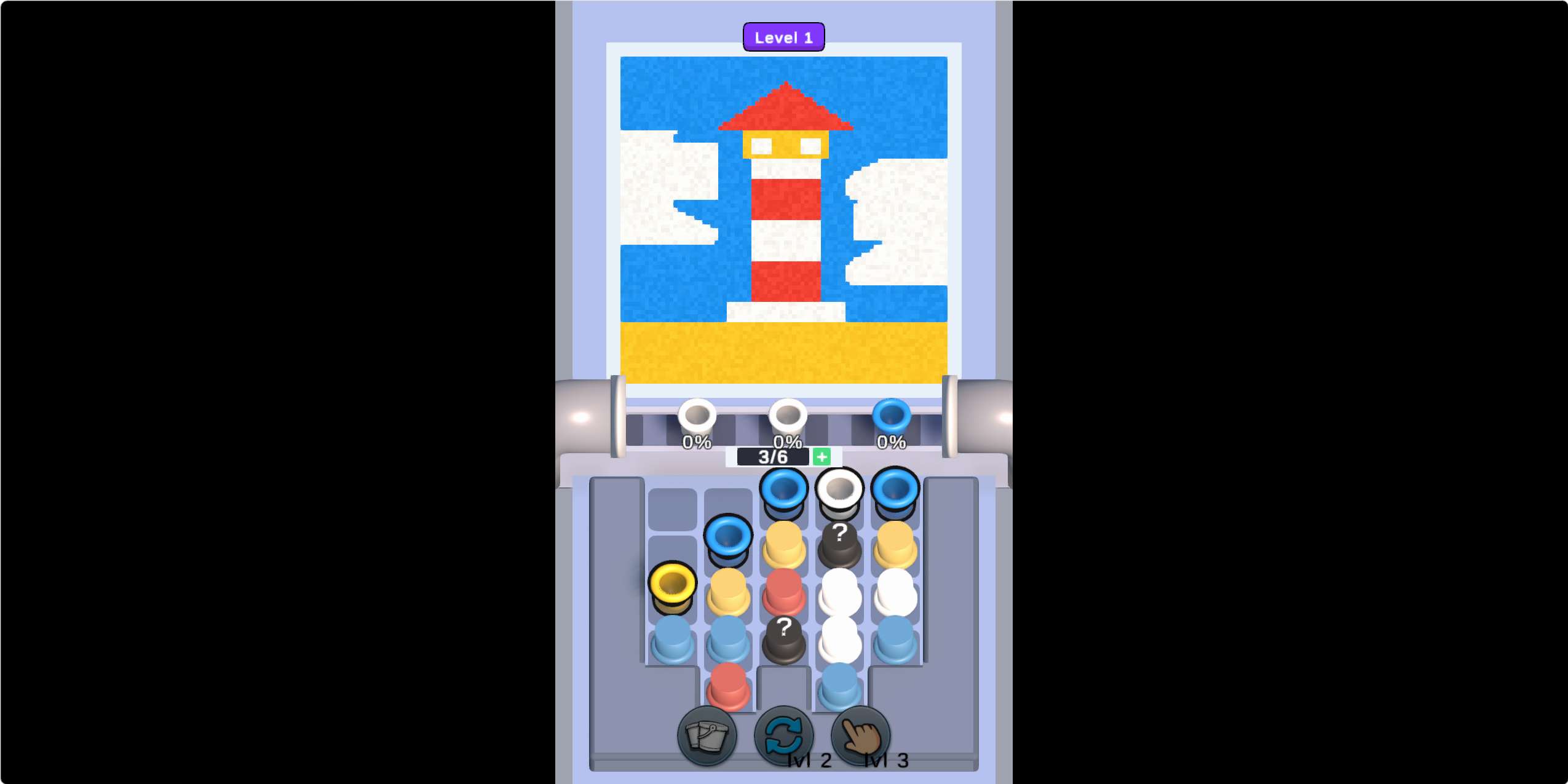
I found myself relying on Extra Cart the most—not because it's powerful, but because it buys you an extra move without resetting the whole level. The other two feel a bit too situational. Still, they're free to use (earned through daily rewards and level completion), so there's no paywall frustration. That's a nice touch for a casual game.
Who Actually Wants to Play This?
If you're the kind of person who enjoys games like Unblock Me or Flow Free—puzzles that look trivial but require careful planning—Sand Route Puzzle will click with you. It's not a high-energy twitch game. It's a lean-back-and-think game. The single-tap controls mean you can play with one hand while eating cereal or waiting for a bus. But don't mistake that accessibility for shallowness. The late-game levels will make you pause, squint, and replan your entire approach.
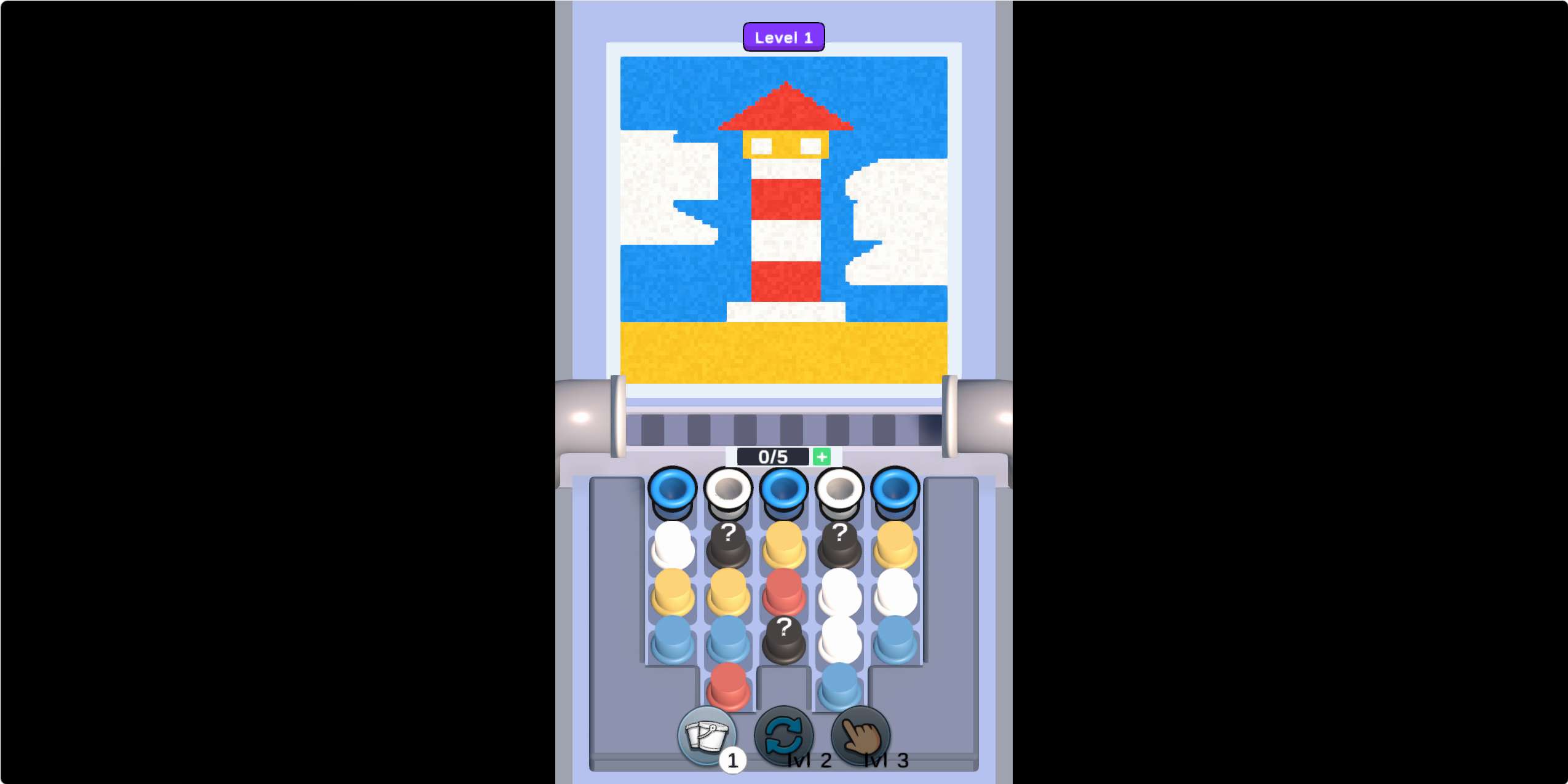
What might wear on some players is the repetition. The core mechanic doesn't change much across 100+ levels—you're always catching sand in boxes. The patterns get more complex, but the loop stays the same. That's fine for a short session, but if you play for an hour straight, it starts to blur. This is a game best enjoyed in 10-minute bursts, not marathons.
Final Thoughts (Without the Flourishes)
Sand Route Puzzle does what it sets out to do: give you a clean, colorful, low-stakes puzzle that respects your time. It doesn't pretend to be more than it is. The sand physics are a genuine delight, the difficulty curve is well-calibrated, and the lack of aggressive monetization makes it feel like a game made for fun, not for profit. If you need a calm brain itch scratched, this one's worth a download. Just don't expect it to reinvent the genre—it's content being a very good version of what it is.