

















Water vs. Fire: The Setup
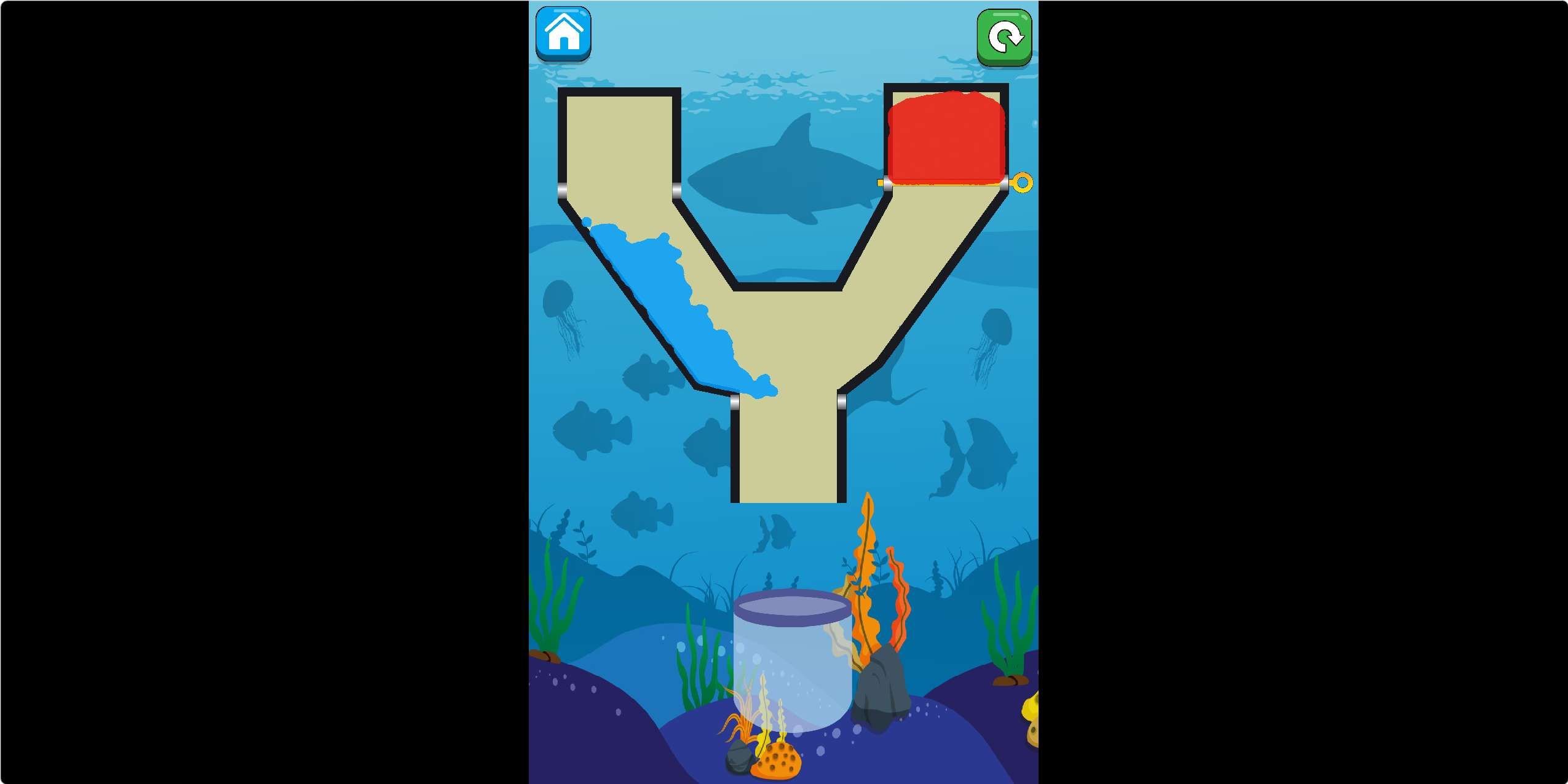
Save Water drops you into a world where every drop counts. Literally. You control a droplet of water trying to reach the goal, but the path is blocked by fiery traps. To get through, you slide keys—sometimes one, sometimes several—to open gates and clear a safe route. One wrong move and the water hits a flame, turning to steam. Game over.
The premise is simple, but the execution is where the challenge lies. The puzzle elements aren't about speed; they're about careful planning. Each level presents a new arrangement of keys and flames, and you need to figure out the correct sequence of moves before the water moves. It’s a bit like chess, but hotter.
The Puzzle Loop: More Than Just Keys
What makes Save Water stand out among casual puzzle games is how the keys interact with the environment. Some keys unlock multiple gates. Others only work once. And the flames don't just sit there—they block paths and force you to think ahead. You can't just slide a key and hope for the best. The water moves automatically, so you need to have the entire path cleared before it starts rolling.
This creates a satisfying tension. You’re not just solving a puzzle; you’re setting up a sequence. One misclick and the whole thing fails. The game doesn’t punish you harshly—retries are instant—but the mental effort is real.
What Kind of Player Will Enjoy This?
If you’re the type who likes to sit back and think through a problem, this is your game. It’s not about reflex or fast fingers. It’s about logic, trial and error, and a bit of memory. The early levels ease you in, but the difficulty ramps up quickly. There’s a point where you’ll stare at the screen for a minute, trying to figure out which key goes where.
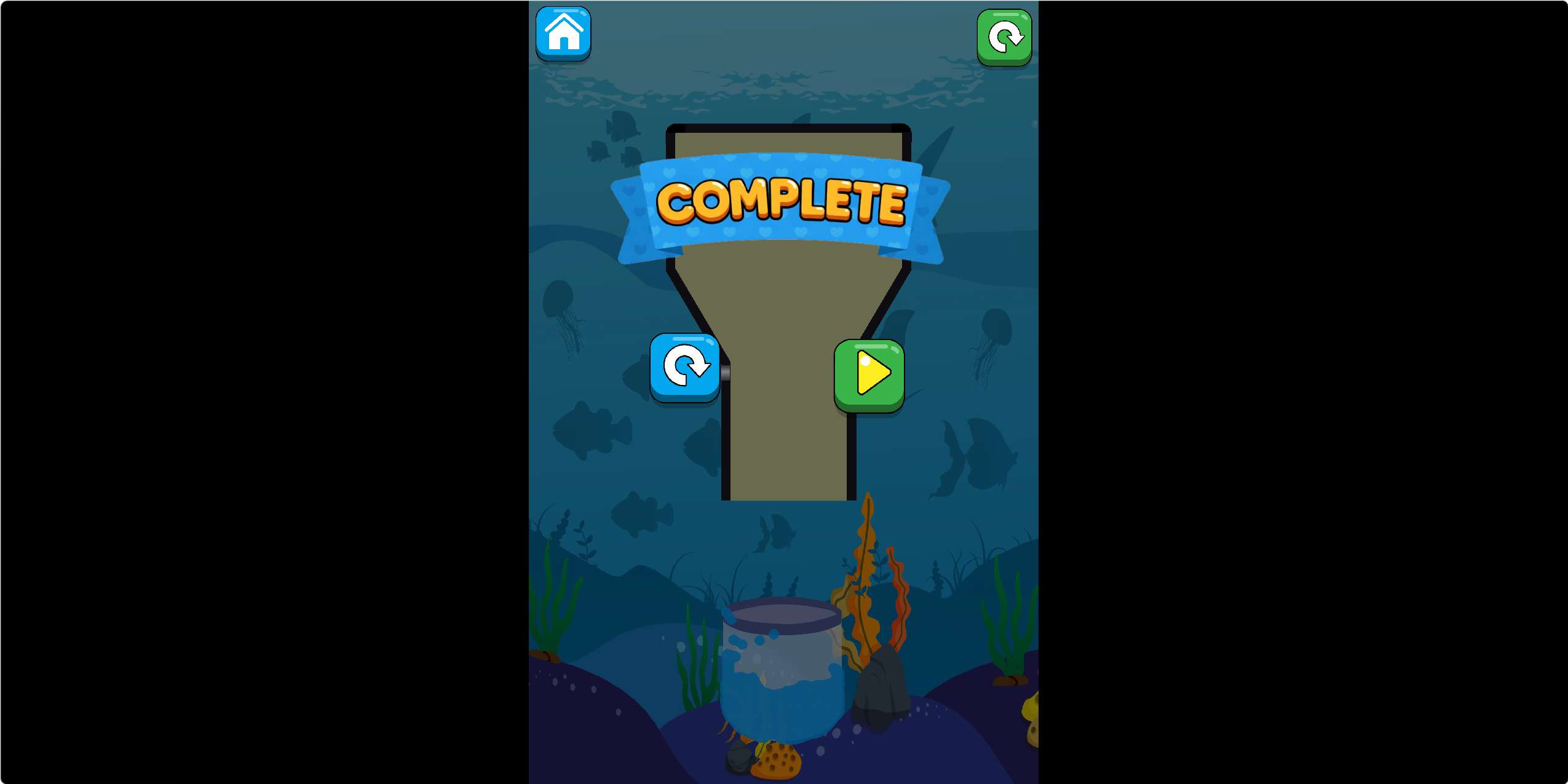
That said, the game can feel repetitive after a while. The core mechanic doesn’t change much; you’re always sliding keys and avoiding flames. Some players might wish for more variety—like different obstacles or power-ups. But for a browser game, the focus stays tight. It knows what it is, and it does it well.
The Editorial Angle: Why It Works (and Where It Doesn’t)
What I like about Save Water is that it respects your time. There’s no fluff. No cutscenes, no upgrades, no shop. You open the game, pick a level, and start thinking. That kind of directness is rare in browser games, which often try to add layers of progression. Here, the progression is purely mental. You get better by solving harder puzzles, not by grinding.
But the repetition is real. After ten or fifteen levels, you start to notice that the same key-gate-flame patterns reappear with slight twists. The challenge remains, but the novelty fades. If you’re someone who needs constant new mechanics, this might feel a little flat. But if you enjoy mastering a system, you’ll find a lot to like.
Visuals and Sound: No Frills
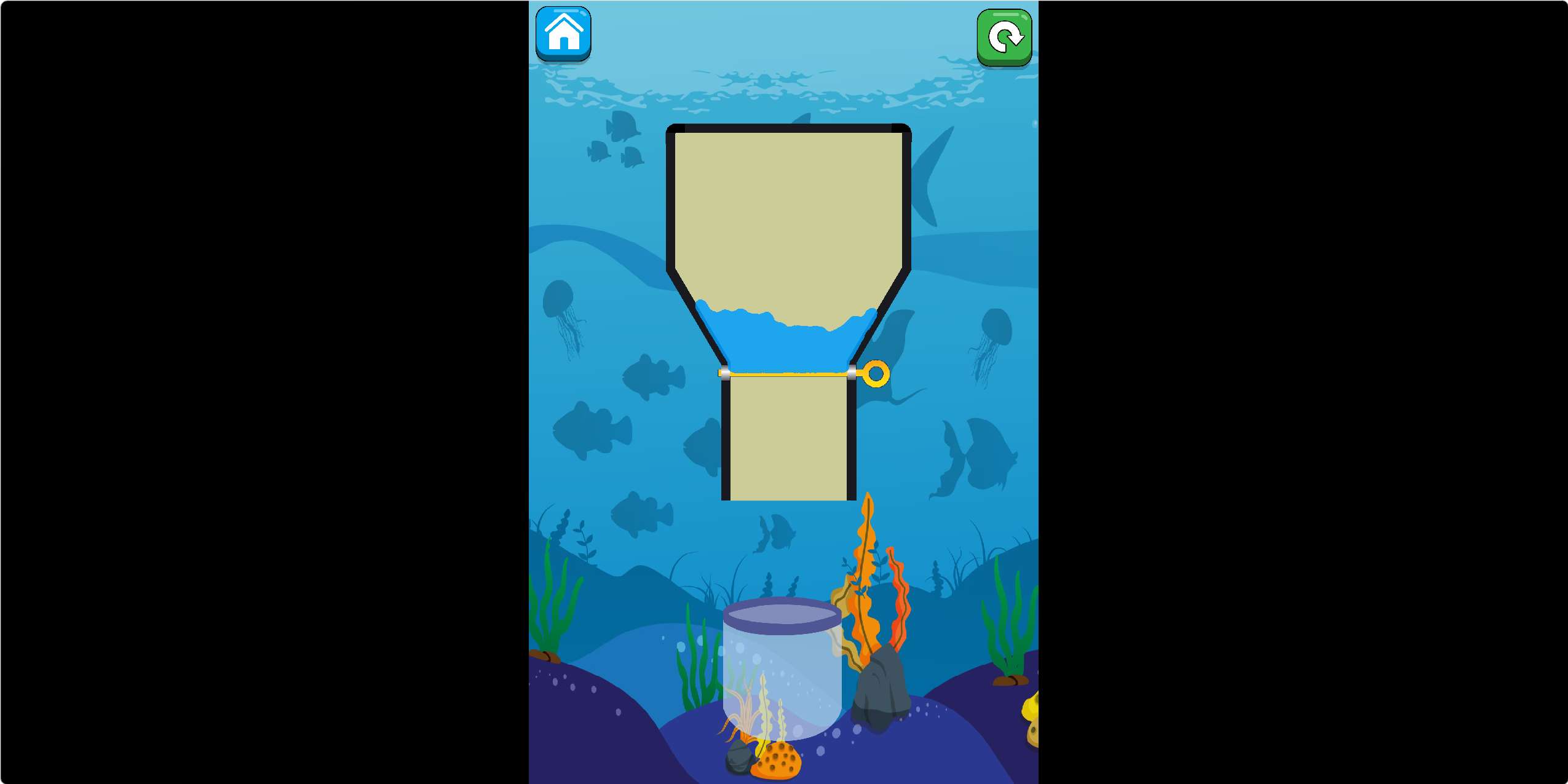
The graphics are clean and functional. The water looks like a blue blob, the flames are orange and red, and the keys are obvious. Nothing fancy, but nothing ugly either. The sound effects are minimal—a click for moving a key, a sizzle when you fail. It works. It doesn’t try to impress, and that’s fine.
Final Thoughts
Save Water isn’t trying to reinvent the puzzle genre. It’s a straightforward, well-designed logic game that rewards careful thinking. If you have five minutes and want to feel smart (or frustrated, depending on the level), give it a shot. Just keep a glass of water nearby—you’ll be thinking about it the whole time.