


















What Is Save Water, Really?
Save Water is a puzzle game with a simple, almost cruel premise: you control a single droplet of water, and everything around it is trying to turn it into steam. The playing field is a maze filled with flame traps, and your only way forward is to slide keys into locks to open paths. One wrong move, and your droplet evaporates.
It’s a browser game that doesn’t waste time with tutorials or stories. You tap a key, you slide it, you either succeed or you start over. That immediacy is part of the appeal—but it can also be frustrating if you’re not used to thinking a few steps ahead.
How the Key-Sliding Mechanic Works
Each puzzle gives you a set of keys scattered around the grid. Tapping a key makes it slide in a straight line until it hits a wall or a lock. The slide stops only when the key reaches an obstacle—so you can’t nudge it gently. That’s where the challenge lies.
You have to figure out which key to move first, and in what order, because sliding one key might block another. The flame traps don’t move, but they’re placed in ways that make you reconsider your path constantly. It’s part Sokoban, part logic grid, and part patience test.
Common Mistakes New Players Make
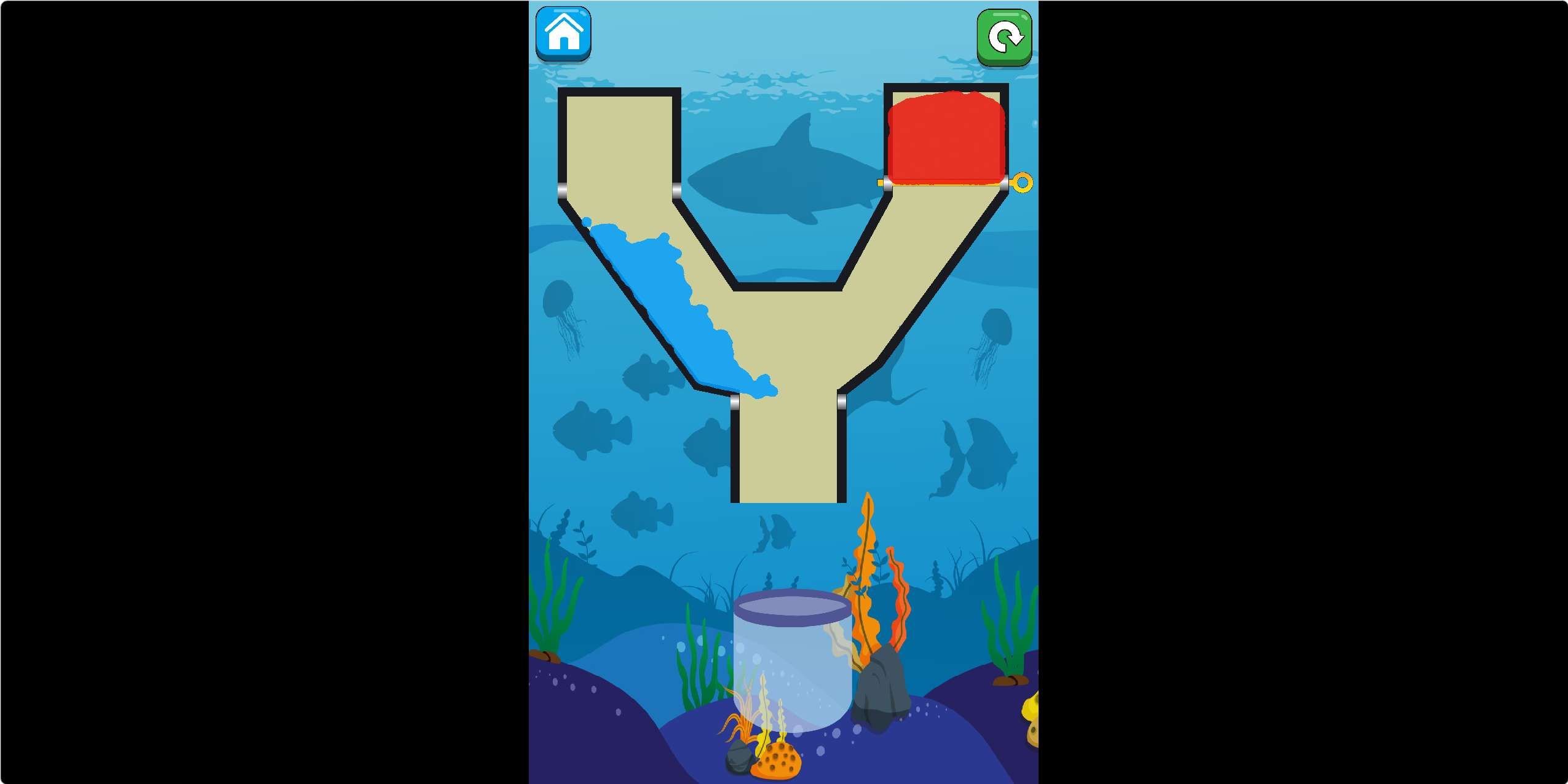
The biggest mistake is rushing. Because the game resets instantly when you fail, it’s tempting to just tap keys randomly to see what happens. That approach rarely works beyond the first few levels. Once the mazes get tighter, you need to pause and trace the path in your head before moving anything.
Another common error is forgetting that keys slide all the way. If you tap a key near a lock, it might overshoot and land somewhere useless. And some locks are positioned so that only one specific key can open them without trapping your droplet. Pay attention to the order.
Also, don’t ignore the edges. Sometimes the solution involves moving a key into a corner to create a path elsewhere. It sounds basic, but in the heat of the moment, it’s easy to focus only on the obvious routes.
How to Plan Your Moves Like a Pro
Start by looking at the goal—where does your droplet need to exit? Then work backward. Look at which locks are blocking that exit, and which keys can reach those locks. That backward planning is the fastest way to avoid dead ends.
Next, check if any key is in a position where sliding it early will block another key’s path. If so, slide the blocked key first. It’s a simple rule, but it solves a surprising number of puzzles.
And here’s an editorial observation: the game doesn’t introduce new mechanics after the first dozen levels. Once you’ve seen keys, locks, and flame traps, you’ve seen it all. The challenge is purely combinatorial—arranging the same pieces in different patterns. That works well if you enjoy solving logic puzzles without any gimmicks, but it can feel repetitive if you prefer variety. The game is honest about what it is: a pure puzzle box with no extra bells.
What Kind of Player Will Actually Enjoy This?
Save Water isn’t for everyone. If you get annoyed by restarting a level multiple times, this might test your patience. But if you like games that feel like small brain workouts—something you can play for five minutes and then close—it fits perfectly. It’s also good for players who miss old-school Flash puzzle games, because it has that same “one more try” rhythm without any ads or timers pushing you along.
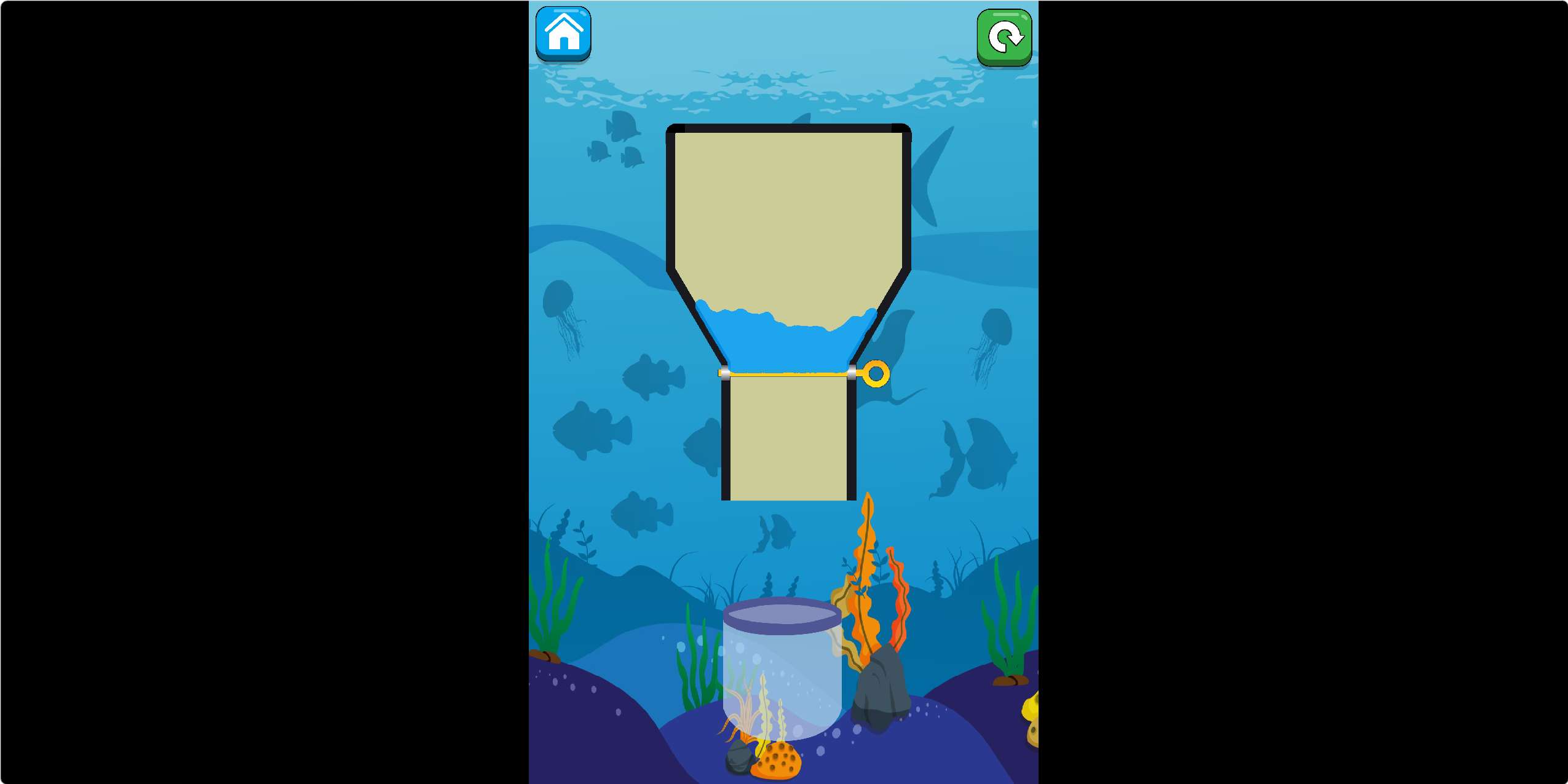
One tip: don’t play it when you’re tired. The puzzles require clear thinking, and a foggy brain will make you slide keys into walls over and over. Save it for when you can focus for ten minutes.
Final Thoughts on Strategy
There’s no hidden trick to beating every level. You just have to practice reading the grid and thinking in sequences. The game rewards careful observation over speed. If you get stuck, step away for a few minutes and come back with fresh eyes—sometimes the solution is obvious once you stop staring at it.
And remember: that droplet of water is fragile, but it’s also patient. You can restart as many times as you need. The fire isn’t going anywhere.