

















Into the Trap-Filled Temple
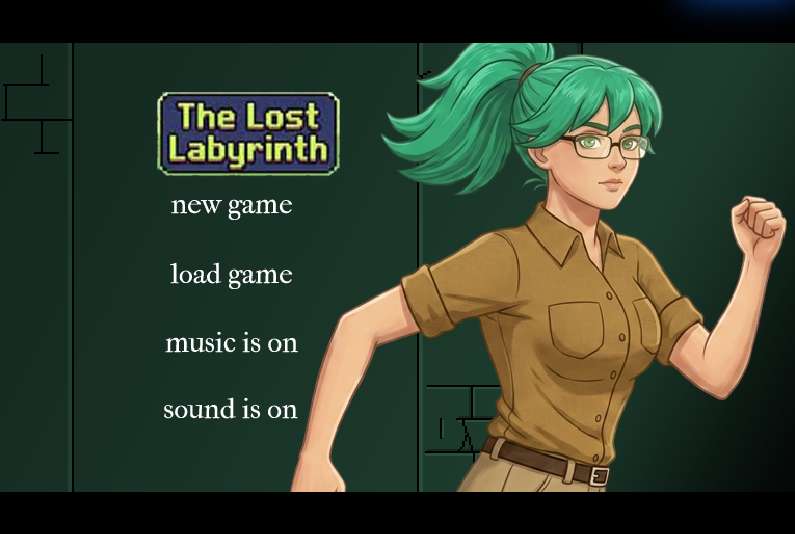
The Lost Labyrinth doesn’t waste time with a story. You’re in an old temple, treasure’s ahead, and the floor is basically a minefield of spikes, darts, and swinging blades. The premise is simple, and the game leans into that. It’s less about atmosphere and more about moment-to-moment survival.
How It Plays
Controls are basic: arrow keys on desktop, on-screen buttons on mobile. You move one tile at a time through a grid-based maze. Each step can trigger a trap—some are obvious, others are hidden until you’re right on top of them. The challenge is learning the patterns and reacting fast enough.
Levels are small, usually a handful of rooms connected by corridors. The goal is to reach the exit (or the treasure) without dying. You can die a lot. Respawns are instant and frequent, which keeps frustration low but also makes each death feel like a quick learning moment rather than a setback.
What Works and What Wears Thin
The pacing is tight. Each level takes maybe 30 seconds to a minute once you know the layout. That’s the game’s biggest strength: it respects your time. You can knock out a dozen levels in a few minutes and feel like you’ve made progress.
But here’s where it gets a little repetitive. The trap types don’t change much. You’ll see the same spike tiles, arrow launchers, and moving saws over and over. New mechanics appear slowly, and some levels feel like remixes of earlier ones rather than fresh challenges. If you’re the kind of player who needs constant new mechanics, you might start zoning out after the first 20 levels.
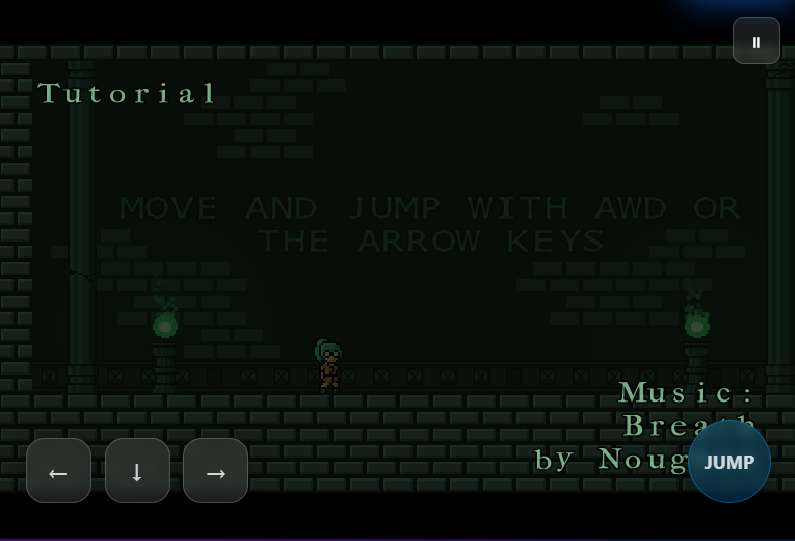
That said, the game does a decent job of ramping up difficulty through combination traps. A corridor with alternating arrow timings plus a moving blade forces you to actually plan your steps. That’s when the game feels most satisfying.
Who Should Play This?
The Lost Labyrinth is a solid pick for quick breaks. It’s the kind of game you play while waiting for something else—a coffee, a bus, a loading screen. It’s not deep, but it doesn’t pretend to be. If you enjoyed old Flash games like The World’s Hardest Game or similar grid-based dodgers, this will scratch that itch.
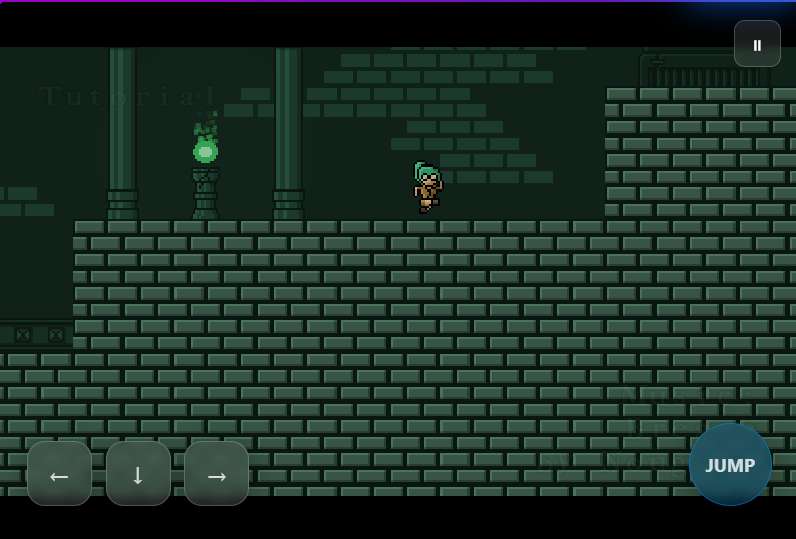
It also works fine on mobile. The touch controls are responsive enough, though the small screen can make it hard to see trap triggers in advance. On desktop, you get a clearer view, which helps with planning.
Final Thoughts
The Lost Labyrinth won’t blow your mind, but it doesn’t need to. It’s a clean, functional action-puzzle game that knows its limits. If you want something more complex, look elsewhere. If you want a quick, no-nonsense challenge that lets you fail fast and try again, this will do the job.