

















What Exactly Is The Lost Labyrinth?
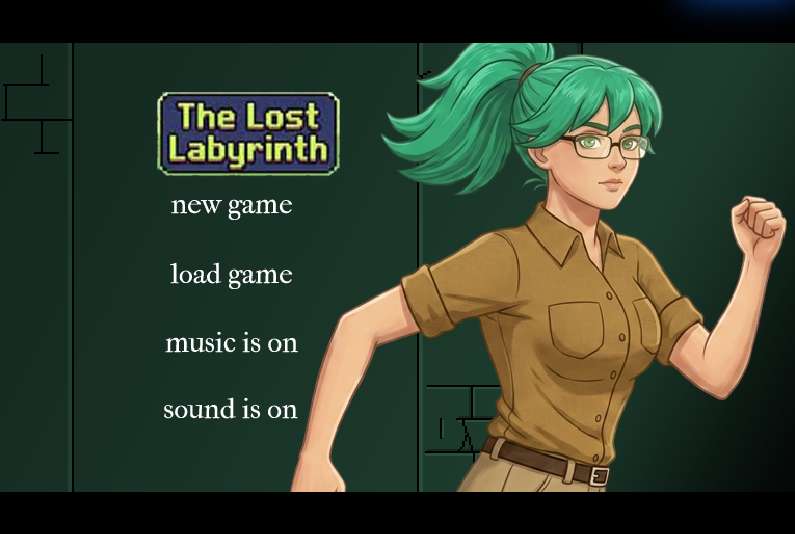
The Lost Labyrinth is a browser-based action game that asks one simple thing: get through a trap-filled castle and grab the treasure. No sprawling RPG mechanics, no elaborate story—just you, a temple full of spike pits and dart shooters, and a whole lot of trial and error. The kind of game you play in short bursts, but that can easily eat up an afternoon if you're not careful.
Controls and Movement: Keep It Simple
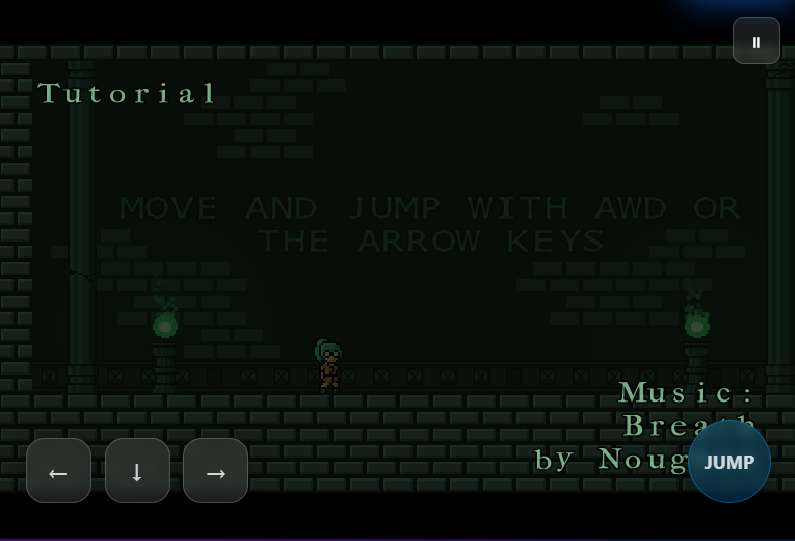
Arrow keys on desktop, on-screen buttons on mobile. That's it. No special moves, no dash, no jump. You move one tile at a time through a grid-based layout. It sounds basic, but the game's challenge comes from timing and observation. You need to watch for pressure plates, falling blocks, and swinging blades before you commit to a path.
One thing that trips up a lot of new players: you can't just rush. There's no timer breathing down your neck, so take an extra second to look ahead. The traps reset when you die, and the layout doesn't change, so memorizing patterns is half the battle.
Common Traps and How to Read Them
The game throws a handful of trap types at you early on. Once you recognize them, the rest is pattern recognition. Here are the ones you'll see most:
- Spike traps – They pop up after a short delay. If you stand still on them, you're done. Move through quickly and don't stop.
- Arrow shooters – They fire in straight lines. Hug the walls or time your movement between shots.
- Pressure plates – Step on one and something else changes in the room. Could be a wall that moves, a new trap that activates, or a door that opens. Always look around after hitting one.
- Falling blocks – They drop after you walk under them. Don't linger. Keep moving, and if you hear a rumble, go back a step.
The game doesn't explain any of this. You learn by dying. And you will die a lot. That's fine—it's part of the loop.
A Few Practical Tips for New Players
First, don't be afraid to restart a level. If you trigger a trap early and lose health, it's often faster to reset than to limp through the rest of the room. Health doesn't regenerate between levels, so conserving it matters.
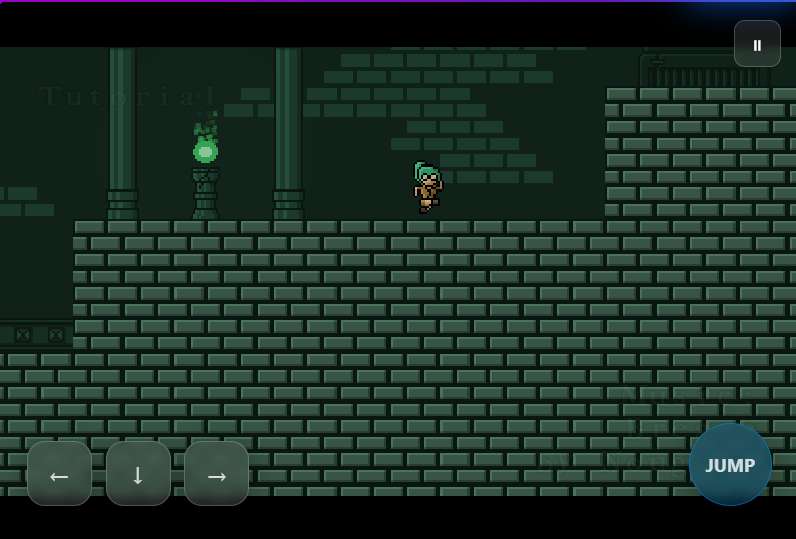
Second, pay attention to the floor tiles. Some are cracked, some have tiny holes, and some look perfectly normal but still trigger a trap. If you see an odd tile, assume it's dangerous until proven otherwise.
Third, use the environment. The game has a few hidden switches and false walls that aren't obvious at first. If you're stuck, try moving into every wall tile you can. Sometimes the solution is just out of sight.
What Stands Out (and What Gets Old)
Here's the honest take: The Lost Labyrinth does one thing well—it respects your time. Each room is small, deaths are quick, and retrying is instant. That keeps the frustration in check. But the game does start to feel repetitive after the first few dozen rooms. The trap types don't evolve much, and the difficulty ramps up by adding more traps in tighter spaces rather than introducing new mechanics.
That said, if you're the kind of player who likes puzzle-box games where each room is a mini challenge to solve, this will click. It's not a deep game, but it's a satisfying one in short sessions. Just don't expect a big twist or a narrative payoff at the end. The treasure is the journey, cliché as that sounds.
Who Should Play This?
Anyone who enjoyed old Flash games like The Impossible Quiz or Escape the Room will feel right at home. It's also a good pick if you've got five minutes to kill and want something that doesn't demand a tutorial or a commitment. If you hate dying repeatedly or prefer games with exploration and story, this probably isn't for you.
The Lost Labyrinth is a lean, no-nonsense action-puzzle game. It knows what it is and doesn't pretend otherwise. That honesty is worth something.