
















How Woody Cross Actually Plays
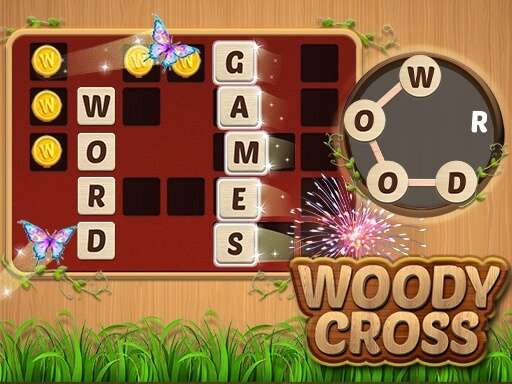
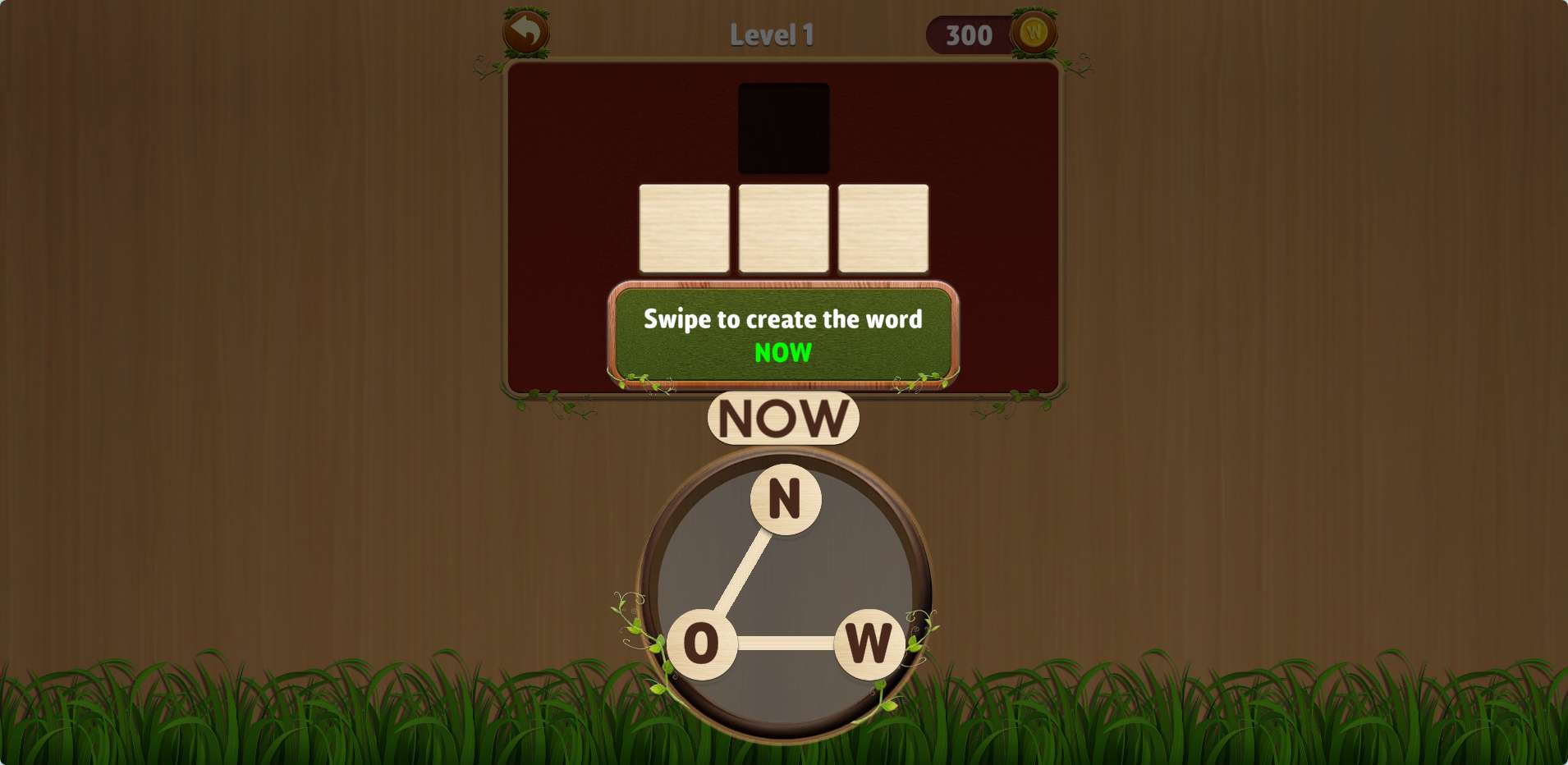
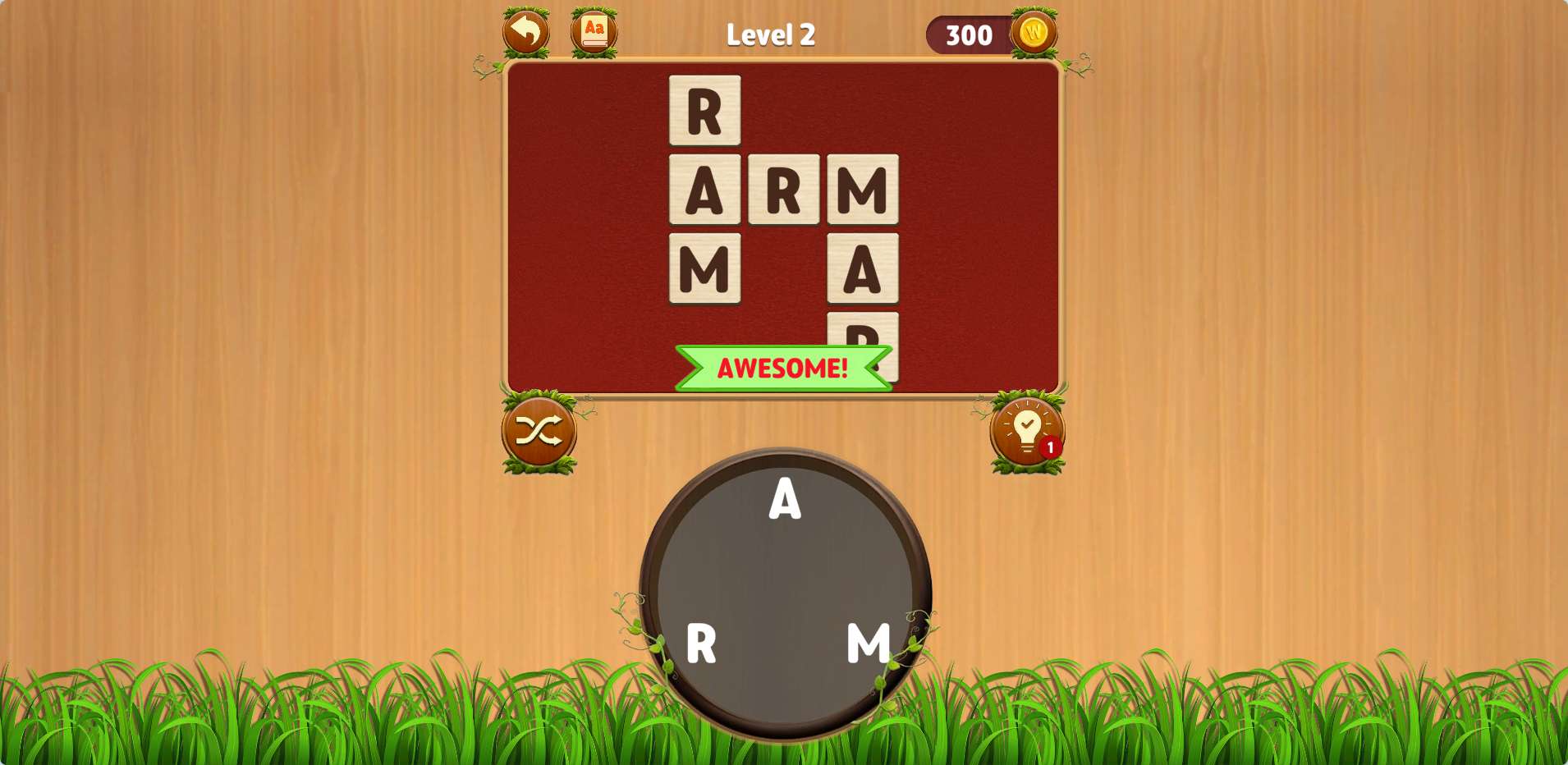
At its core, Woody Cross is a swipe-to-connect word puzzle. You're presented with a grid of letters, and your goal is to find all the hidden words by drawing lines through adjacent letters—up, down, left, right, or diagonally. Each discovered word fills in a corresponding slot in a crossword-style sidebar. There's no timer, so you can linger on a tricky level as long as you like.
The game feels less like a frantic word search and more like a methodical, satisfying reveal. You're not just finding random words; you're systematically completing a predefined puzzle. This structure gives it a different rhythm from more open-ended word games.
Making the Most of Hints and Boosters
If you get stuck, the game provides a couple of helpful tools. The magnifying glass hint will highlight the area of the grid where an undiscovered word is located. The firecracker booster, once activated, will remove a bunch of incorrect letters from the grid, making the remaining words easier to spot.
A practical tip: don't be too quick to use these. Often, stepping away from a puzzle for a minute or focusing on the crossword clues can jar the solution loose. The boosters are best saved for when you're genuinely gridlocked, especially in later, more crowded levels.
The Cozy Aesthetic and Its Effect
Woody Cross's defining feature is its visual theme. The background is a soft, textured grass, and the UI elements are framed in warm wood tones. It's a deliberate choice that significantly impacts the feel of the game. This isn't a bright, flashy arcade experience; it's designed to be a calming, almost meditative session.
For some players, this atmosphere is the main draw. It turns a simple word puzzle into a genuine wind-down activity. The sound design—subtle clicks and chimes—complements this without being intrusive.
Where the Game Shines and Where It Repeats
From an editorial perspective, Woody Cross knows its audience. It's perfect for players who want a consistent, low-stakes mental exercise without surprises or complex mechanics. The built-in dictionary is a nice touch, quietly expanding your vocabulary as you encounter less common words.
However, the core gameplay loop is very consistent. After a few dozen levels, you've seen the essential pattern. The challenge increases through larger grids and more obscure words, not through new mechanics. This isn't a criticism so much as a clarification: if you're looking for evolving gameplay or narrative, you won't find it here. The appeal is in the reliable, cozy repetition of the puzzle-solving itself.
Getting Started: A Few Common Pitfalls
New players often make two mistakes. First, they forget that words can be formed diagonally, not just in straight lines. Second, they focus solely on the grid and ignore the crossword clues on the side. Those clues are your primary guide—use them to deduce word length and meaning.
Also, remember that letters can be reused across different words. Just because you used a 'T' in one word doesn't mean it's 'used up.' This is key to solving more compact grids.
Is It Worth Your Time?
Woody Cross delivers exactly what it promises: a massive library of straightforward word puzzles in a uniquely pleasant package. Its strength is its lack of pressure and its inviting presentation. It's a game you open for ten minutes with a cup of coffee, not one you binge for hours. If that sounds like your kind of break, its 6,000+ levels will keep you occupied for a very long time.
One Quick Tip
New players usually do better when they slow down a little and pay attention to repeating patterns instead of reacting too quickly.