
































Game News

Clash io Archers: Real Time Bow Showdowns
Game Introduction Tense up your nerves and settle the score in an instant! In this thrilling multiplayer io battle game, reflexes and quick decision-making are your trump cards to the top—they will not only propel you to the leaderboard peak, but also expand the size of your archer army. Lead your warriors to charge across the battlefield, mow down all rivals, and rise to become the undefeated battlefield commander! Game Features 1. Real-time Multiplayer io Battles Match against players worldwide in real time and engage in intense archer army showdowns with thousands of competitors on the same screen, satisfying the demand for instant head-to-head action. 2. Army Development Gameplay Start with a single archer, expand your troop size by recruiting neutral units and defeating rivals. Your army’s combat power grows alongside its numbers, delivering a strong sense of accomplishment. 3. Balanced Focus on Strategy and Operation Precisely control your troops’ movement, master shooting angles, make the most of terrain advantages to surround enemies, and adjust your expansion or defense strategies according to battlefield dynamics. 4. Fast-paced Fragmented Gameplay Experience Each match lasts only around 1 minute. Jump right into the action and get an instant respawn after defeat—no long time commitment required, perfect for entertainment in short pockets of free time. 5. Random Skill System Unlock 3 random skills at the start of each match and mix and match them freely. Smart use of skills can turn the tide of battle, making every game full of variables and avoiding repetitive routines. 6. Lightweight and Easy-to-learn Controls Complete core actions like moving and attacking simply by sliding the screen. No complicated tutorials to go through—both casual and hardcore players can quickly get immersed in the game. 7. Diverse Arena Experience A variety of map scenarios offer distinct tactical spaces, ranging from open arenas to narrow terrain. Every battle requires flexible adaptation to the environment. 8. Offline and Online Dual Modes Support for both online real-time battles and offline single-player gameplay. Enjoy competitive fun anytime, anywhere, without being restricted by network conditions. Gameplay and Controls 1. Slide/tap the screen to control your archer army’s movement. 2. Aim at rivals to shoot automatically; double-tap for powerful shots. 3. Recruit neutral archers by moving close to them to expand your army. 4. Tap to select random skills when leveling up. 5. Tap to respawn immediately after being defeated. Game Guide As a fast-paced multiplayer io competitive game, the core of Archers.io is to climb to the top in 1-minute single matches by expanding your archer army and using strategies flexibly. This guide focuses on helping new players get started quickly, covering key skills for the early, mid, and late game stages, to help you easily become the strongest battlefield commander and improve your winning rate efficiently. I. Early Game Development: Steady Progress, Rapid Army Expansion At the start, you only have 1 archer. Your core goal at this time is to expand your team quickly and avoid rushing into battles. Slide the screen to control your movement, prioritize approaching the white neutral archers in the scene, and move close to them to recruit them—this is the key way to expand your army in the early stage. Avoid large enemy player legions in your field of vision; if you encounter isolated opponents (fewer than 5 people), you can try to chase and eliminate them slightly to absorb their fallen troops. Try to expand your team to more than 10 archers within the first 10 seconds to lay the foundation for mid-game battles. II. Mid Game Battles: Strategy First, Make Good Use of Terrain When your team size reaches 15-20 archers, you can take the initiative to start battles, but you need to pay attention to tactics. Make good use of terrain advantages, lure enemies into narrow areas to encircle and annihilate them, restrict their movement, and improve shooting accuracy. Slide the screen to adjust your legion’s position flexibly, avoid staying still and becoming an easy target, and use the automatic shooting function to continuously attack opponents. Double-tap to release a powerful shot and quickly break through the enemy’s front line. When leveling up, you will randomly unlock 3 skills. Prioritize choosing skills that increase damage, speed up shooting rate, or have area attacks. Reasonable matching can turn the tide of the battle. After defeating opponents, immediately absorb their remaining archers to replenish troops in a timely manner, maintain the advantage of your team size, and avoid being ambushed by other players due to insufficient troops. III. Late Game Decisive Battle: Assess the Situation, Climb to the Top The last 30 seconds of a single match are crucial for victory, and you need to accurately assess the overall situation of the field. If you have an advantage in troop numbers, you can hold a favorable terrain, intercept scattered opponents, and steadily widen the gap; if you are at a disadvantage in troops, do not fight head-on. Focus on chasing small isolated teams, quickly replenish troops, and wait for opponents to consume each other before reaping the benefits. No need to wait after being defeated—click to respawn immediately, return to the battlefield quickly, and use the remaining time to recruit troops again and find opportunities. In the late game, try to keep your team concentrated, avoid being defeated one by one due to scattered troops, focus your fire on the enemy’s main force, gradually erode the opponent, and finally climb to the top to become the strongest battlefield commander. Core Summary: Do not rush to expand your army in the early game, focus on strategy in mid-game battles, and know how to choose in late-game decisive battles. With flexible movement + reasonable use of skills, you can steadily gain points in fast-paced battles and easily master the essence of the game.

Egg Joy Unravel: Delightful Layer Peeling Puzzles
Game Introduction Dive into The Eggs Unravel—where sleek minimalism meets brain-teasing logic in this addictive HTML5 puzzle game! Your quest? Untangle eggs woven together by delicate threads across 50 carefully crafted levels. With intuitive drag-and-drop controls, reposition each egg until both the eggs and their connecting lines glow green—no crossings allowed. This isn’t just a puzzle—it’s a calming brain workout that blends logical deduction with satisfying order . Start with gentle challenges and level up as the tangles grow trickier, testing your spatial reasoning and focus with every step. The clean, clutter-free design keeps the focus on the joy of unraveling, turning chaos into harmony with each successful solve . Ready to flex your problem-solving skills and conquer all 50 levels? Let the unraveling begin—can you turn every tangled mess into a picture of perfect calm? Game Features 1. Minimalist Visual Aesthetics Adopt a clean and uncluttered interface design, with a minimalist style that focuses on the puzzle-solving experience itself. No redundant elements to distract you, allowing players to fully immerse themselves in strategic thinking. 2. Intuitive Zero-Barrier Controls Support simple one-finger drag-and-drop operations to move the eggs. No complicated learning curve required, compatible with mobile phones, tablets and other devices—pick up and play instantly. 3. 50 Progressive Levels Handcrafted level system ranging from beginner-friendly to advanced challenges, with gradually increasing difficulty. It’s easy for new players to adapt, while also providing constant mental stimulation for veteran puzzle lovers. 4. Clear Logical Puzzle Core With a straightforward goal—turn both the eggs and their connecting lines green without any crossings—the rules are simple to understand, yet packed with the fun of spatial path planning that keeps you hooked. 5. Therapeutic Stress-Relief Experience Slow-paced gameplay paired with instant visual feedback as lines turn green. Every successful untangling brings a strong sense of accomplishment, making it perfect for unwinding during fragmented downtime. 6. Brain-Training Value Naturally enhance your spatial logical reasoning and path-planning skills while solving puzzles. It combines entertainment with mental exercise, letting you sharpen your mind as you play. Gameplay and Controls 1. Basic Operation: Long-press and drag the eggs to freely adjust their positions on the screen. 2. Core Objective: Turn all eggs and their connecting lines completely green. 3. Critical Rule: Ensure that the connecting lines between eggs **do not cross** during adjustment. 4. Level Progression: Unlock the next puzzle level once all the above conditions are satisfied. Game Guide Unravel Egg features a minimalist art style combined with a core of logical puzzle-solving. With 50 progressive levels ranging from easy to difficult, the main goal is to drag the eggs to turn all eggs and their connecting lines completely green without any crossings, thus unlocking levels smoothly. This guide focuses on practical tips to help you avoid beginner mistakes, clear levels efficiently, and balance a stress-relieving experience with thinking efficiency. Beginner Basics: First, observe the overall layout and do not drag eggs blindly. Quickly browse the direction of the connecting lines of all eggs, remember the core rule of "no crossing lines, all turning green", and get familiar with the smooth feel of one-finger dragging — drag gently to adjust the position of the eggs accurately, avoiding more serious line tangles caused by excessive dragging. New players can start with the edge eggs to quickly adapt to the operation rhythm. Core Tips: Follow the principle of "start with the edges, then the middle; start with the simple, then the complex". Edge eggs have fewer connecting lines and are less likely to cross with other lines. Prioritize dragging the edge eggs to appropriate positions to turn them green. After fixing the basic lines, adjust the tangled eggs in the middle to reduce ineffective operations. When encountering multiple tangled eggs, you can sort them into groups, straighten out one group of connecting lines first, then handle the other group, and resolve the tangles step by step. Advanced Strategies: As the difficulty of the levels increases and the lines become more tangled, you can use reverse reasoning. First, imagine the final state where all lines are green and non-crossing in your mind, then adjust the position of each egg in reverse to accurately avoid crossing risks. If line crossings occur, do not panic. First, gently drag the eggs at the crossing to a blank area, untangle them, and then re-plan their positions to avoid more crossings caused by forced dragging. Pitfall Avoidance: Do not rush for quick results; slow adjustment is more efficient. A common mistake for beginners is "frequent dragging and blind attempts", which only makes the lines more chaotic. It is recommended to pause and observe the changes of the connecting lines after dragging each egg, and proceed to the next step only after confirming there are no crossings. When stuck, you can reset all eggs, sort out the layout again, and try a different approach, which can often help you break through the bottleneck quickly. By following the above tips, you can easily cope with the 50 progressive levels, enjoy the sense of accomplishment of gradually straightening the lines and turning all eggs green, exercise your spatial logical reasoning ability while relieving stress, and easily unlock all the fun of the game.
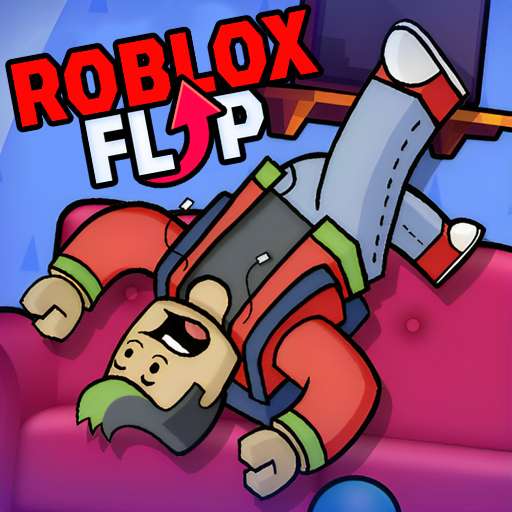
Trick Flip Roblox: Sleek Aerial Maneuvers
Game Introduction Ready to unleash your inner floppy ragdoll in the wild world of Roblox? Flip, bounce, and zoom through a zany household adventure where the only golden rule is—don’t touch the floor! Dodge wacky obstacles as you zip from room to room, soaring toward the bedroom finish line with over-the-top ragdoll physics that’ll have you laughing out loud. Snag cash and sparkly diamonds along the way to unlock quirky new characters, each with their own silly flip styles that spice up every run. Whether you’re nailing precision jumps to glide past tricky traps or embracing chaotic tumbles that send you bouncing off the couch, every moment is packed with lighthearted fun. No fancy skills required—just pure, unadulterated flip-and-bounce vibes for players of all ages! Game Features 1. Exaggerated Ragdoll Physics Mechanic The character takes on a cute floppy ragdoll form, delivering realistic yet hilarious physical feedback when flipping, bouncing, and colliding—for a stress-relieving and addictive gaming experience. 2. Zero-Barrier Fun Level-Based Challenges Control flips with simple one-finger taps, following the straightforward rule: dodge obstacles like furniture, never touch the floor, and dash all the way toward the bedroom finish line. No complex tutorials needed—jump right in and play. 3. Immersive Indoor Household Scenarios Set in a virtual home environment, the level paths from living room to bedroom are rooted in everyday life, bringing a strong sense of immersion to the gameplay. 4. Collectible Unlock Progression System Gather cash and diamonds as you play through levels to unlock a variety of distinct characters, each with exclusive traits that add extra diversity to your gaming sessions. 5. High Replayability with Multiple Levels Features 20 well-crafted levels with gradually increasing difficulty. Whether you aim for precision-based clears or go for silly chaotic collisions, every playthrough offers a fresh and fun experience. 6. All-Age Friendly Gameplay No intense control demands or complicated rule sets—this game caters to kids’ sense of adventure and serves as a perfect stress-buster for adults looking to unwind in their spare time. Gameplay and Controls 1. Tap to control the character to flip and bounce. 2. Dodge indoor obstacles and never touch the floor. 3. Collect cash and diamonds, unlock new characters, and rush to the bedroom finish line. Game Guide This operation guide is designed to help players quickly master the core gameplay of Roblox Flip, with simple tap controls that fit all ages. The game features a playful ragdoll character navigating a virtual household, where your goal is to flip, bounce, and reach the bedroom safely while avoiding obstacles and collecting rewards. All operations rely solely on tapping, with no complex controls, allowing you to jump into the fun instantly. Basic Operations The entire game is controlled by simple taps, adapting to both mobile and desktop touch controls. A short tap on the screen will make your ragdoll character perform a light flip—ideal for short-distance movement, such as moving from a chair to a cabinet. A long press will trigger a powerful flip, enabling the character to jump over higher obstacles like sofas or tables, with realistic ragdoll physics making the flip look natural and funny as the character swings in the air. Continuous quick taps allow for consecutive flips, helping you cover more distance quickly and pass open areas efficiently. Advanced Skills & Level Strategies As you progress through the 20 well-crafted levels, the difficulty gradually increases, requiring more precise operation timing. When encountering dense obstacles (such as stacked furniture), use short taps to adjust your flip angle slightly, keeping the character close to the obstacle edges to avoid collisions. For high platforms, use a long press to flip upward, then a short tap mid-air to stabilize the character’s posture and land safely. Cash and diamonds are scattered throughout the levels—you don’t need extra operations to collect them; just let the character touch them while flipping, but prioritize avoiding the floor over collecting rewards to ensure level completion.
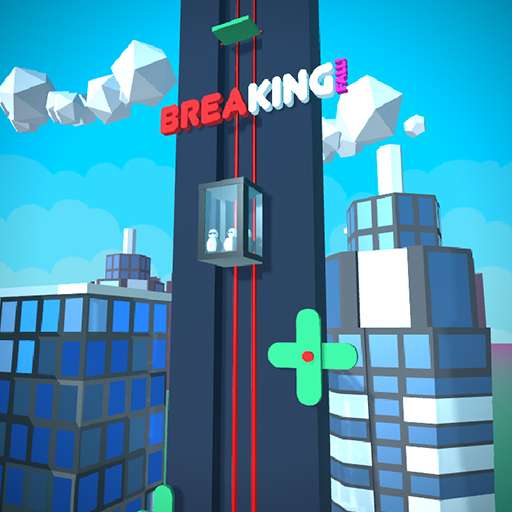
Rush Elevator Fall: Thrilling Drop Showdown
Game Introduction A race-against-time escape challenge! Leap for your life from the elevator that zooms up and down at breakneck speed, dodge incoming deadly obstacles with pinpoint precision, and shake off the relentless police pursuit. Every jump you make is a matter of life and death — only with lightning-fast reflexes and agile movements can you defuse the crisis and accomplish the ultimate mission of stopping the elevator’s catastrophic explosion! Game Features 1. Dynamic Elevator Escape Gameplay The core gameplay revolves around the *moving elevator that shifts up and down*. Players must time their jumps precisely with the elevator’s start-stop rhythm, breaking the constraints of static scenarios. Every rise and fall brims with unpredictability and challenge, delivering intuitive and thrilling controls. 2. Layered Crisis Challenges Face three deadly threats at once: randomly spawning moving obstacles, relentless police manhunts, and the ticking time-bomb of the elevator explosion. Overlapping pressures keep the tension sky-high throughout, testing both your reflexes and decision-making skills. 3. Fast-Paced Immersive Experience Dive straight into the escape action with no lengthy plot exposition. Paired with heart-pounding sound effects and dynamic lighting, it creates a pulse-racing, life-or-death atmosphere. You can experience the full thrill from intense tension to victory in short bursts, perfect for fragmented gaming sessions. 4. Progressive Difficulty Curve As you advance through levels, the elevator’s movement speed, obstacle density, and police pursuit intensity ramp up gradually. From easy pick-up-and-play fun for beginners to ultimate challenges for hardcore players, gamers of all skill levels can find their perfect dose of excitement, keeping the gameplay endlessly engaging. Gameplay and Controls 1. Keep track of the elevator’s up-and-down movement rhythm and spot the optimal jump timing. 2. Tap the screen to control your character and jump off the elevator to escape. 3. Nimbly dodge various randomly appearing obstacles along the way. 4. Adjust your movement direction to shake off the relentless police blockade. 5. Complete the level objectives and prevent the elevator from exploding to clear the stage. Game Guide 1. Master Core Controls: Timing Your Jumps is Key The core of the game lies in “escaping by leveraging the elevator’s rise and fall” — mastering precise jump timing is the foundation of clearing levels. Jump 0.5 seconds before the elevator reaches its highest point to gain maximum airtime, easily crossing wide gaps between obstacles. For the descending phase, jump in advance to use gravitational acceleration and shorten your landing time, preventing yourself from being thrown off course by the elevator’s downward momentum. New players are advised to practice predictive jumping in low-difficulty levels first, focusing solely on rhythm instead of scores. Once muscle memory kicks in, you can start chasing high scores. 2. Obstacle Evasion Strategies: Targeted Solutions for Calm Navigation Tackle obstacles based on their types for efficient avoidance: For stationary obstacles (such as walls and pipes), observe their spawn patterns and adjust your jump direction ahead of time. For moving obstacles (like floating barriers and rotating gears), keep a close eye on their trajectories and squeeze through gaps — never jump blindly. When facing dense clusters of obstacles, use a combination of short hops and micro-adjustments. Tap the screen lightly for short-distance jumps to avoid losing control of your landing spot due to overly large leaps. Remember the mantra “better slow than reckless”: some levels allow you to wait briefly for obstacle gaps instead of forcing a risky rush. 3. Police Pursuit Countermeasures: Positioning Trumps Speed Police will block your path along fixed routes, and the core strategy to evade them is displacement maneuvering. As soon as the police badge icon appears on the edge of the screen, immediately change your jump direction. Use the height difference created by the elevator’s up-and-down movement to shake off the pursuit. If trapped between front and rear pursuers, prioritize jumping in the direction the elevator is moving, using its speed to create distance. Note that police chases have a cooldown period — after evading them, you can briefly speed up to collect items instead of staying on the defensive indefinitely. 4. Time & Item Management: Master the Explosion Countdown The explosion countdown is the ultimate pressure source. Push forward quickly in the first half of the level, and focus solely on avoiding dangers in the final 10 seconds. Be sure to grab time extension items that spawn randomly throughout the level — they grant an extra 3–5 seconds of buffer time. Save shield items for critical moments, such as dense obstacle sections or police blockades, as they grant immunity to one collision damage. Avoid taking risks to collect items; in most cases, surviving until the end is more important than item collection. 5. Advanced Clearance Tips: From Survival to Mastery Once you’re proficient, try linking jumps together — tap the screen again the moment you land to trigger a double jump, perfect for handling sudden obstacles. For high-difficulty levels, we recommend pattern memorization: memorize the spawn positions of obstacles and police, then plan your route in advance. Mindset is crucial — don’t panic after a mistake. Use the brief invincibility period after respawning to quickly readjust your rhythm. Clearing three consecutive levels will unlock the Speed Escape achievement.
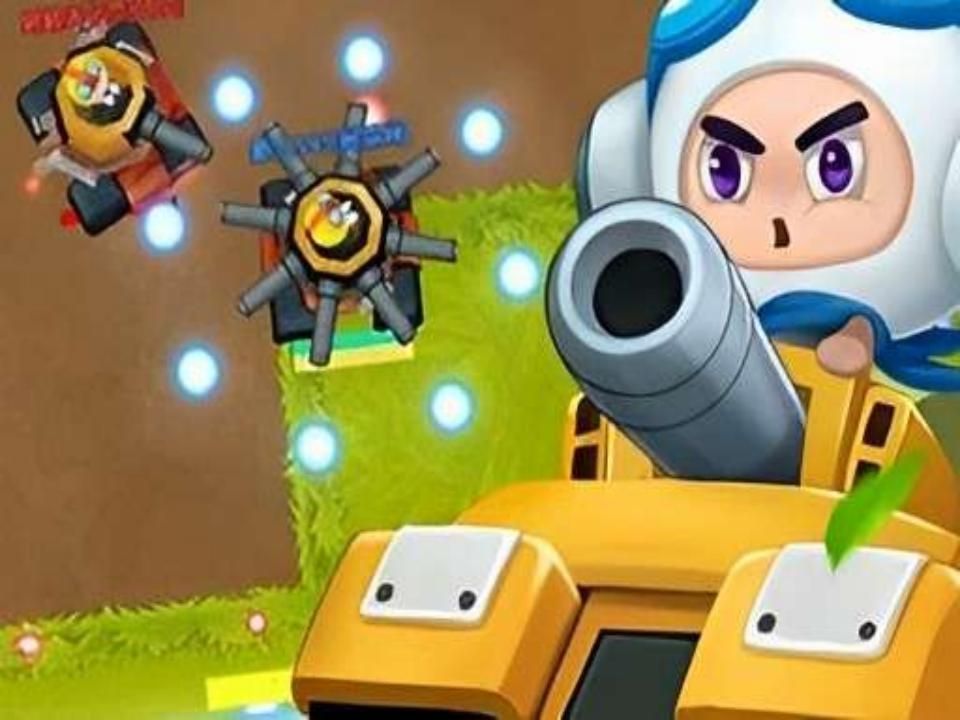
Tank War Zone
Game Introduction Dive into Mobile Tank League—where steel meets strategy in explosive real-time PVP battles! Assemble your elite tank corps, customize war machines to fit your playstyle, and clash with players worldwide in fast-paced, heart-pounding showdowns.Intuitive controls let you master the battlefield in seconds, while deep tactical choices—from flanking enemy lines to holding key positions—keep every match fresh. Navigate diverse terrains, unlock iconic tanks with unique strengths, and team up with allies to dominate the leaderboards.Whether you’re a casual player chasing quick thrills or a competitive commander aiming for glory, this is your arena to unleash firepower, outsmart rivals, and lead your regiment to ultimate victory! Game Features 1. Real-Time Global Team BattlesSupport cross-server 5v5/7v7 real-time matchmaking and quickly assemble players worldwide for heated team battles. Whether it’s a coordinated tactical push or a solo surprise charge, 3-minute fast-paced matches let you enjoy instant competitive fun anytime, anywhere. 2. Diverse Tanks & In-Depth CustomizationGather a wide range of vehicles including modern main battle tanks and futuristic concept war machines, covering light, medium, heavy and other classifications. Distinct attribute differences create varied tactical options. Modular customization is available—upgrade turrets, engines, armor and weapons, and match exclusive skins to build your one-of-a-kind war machine. 3. Easy to Learn, High Skill CeilingStreamlined control logic allows newbies to master core gameplay including aiming, movement and shooting in seconds, with auto-aim assist lowering the entry barrier. At the same time, tactical depth is emphasized: use terrain cover for ambushes, flank enemies for surprise attacks, and seize key positions. Balancing operation and strategy, both rookies and pros can find their own fun in battles. 4.Fair Competitive EnvironmentNo pay-to-win—victory hinges on operational skills and team coordination. A robust anti-cheat system and dynamic matchmaking mechanism ensure balanced strength between opposing teams, making every battle a pure tactical contest. 5. Realistic Battlefields & Immersive Audio-Visual ExperienceNext-gen HD graphics restore realistic battlefield details, from urban street fights and open plains to hilly terrains—diverse landscapes shape tactical layouts. Real ballistic physics feedback, artillery recoil simulation and 3D sound effects deliver an immersive armored combat experience. 6. Multiple Game ModesIncludes various gameplay such as Capture the Flag, Resource Conquest and Team Deathmatch, satisfying different competitive needs. Regularly updated seasonal tournaments and limited-time events unlock exclusive rewards, keeping the game fresh and replayable for the long haul. Gameplay and Controls 1. Move: Slide the left virtual joystick to control the tank’s movement and steering.2. Aim & Shoot: Slide the right screen to target enemies, then tap the fire button to launch shells.3. Skills: Tap the skill icons below to activate your tank’s unique abilities.4. View Adjustment: Slide the blank area of the screen to adjust battlefield view and monitor the battle situation. Game Guide Mobile Tank League is a hardcore tank competitive mobile game focusing on real-time PVP. Centered on fast-paced team battles, in-depth tank customization and fair competition, it gathers players from all over the world to create an immersive armored showdown feast. It balances easy casual access and high competitive ceiling, allowing every player to become a battlefield commander, gallop on the steel battlefield, write their own tank legend, and meet the entertainment and competitive needs of all types of players. The game supports cross-server 5v5/7v7 real-time matchmaking. With 3-minute fast-paced battles, no long-term investment is required, and you can start exciting showdowns in fragmented time. Whether you team up with friends to formulate tacit tactical advances, or randomly match teammates to fight side by side and charge alone, you can instantly dive into intense and exciting tank team battles and feel the ultimate pleasure of real-time confrontation. It gathers a variety of vehicles including modern main battle tanks and futuristic concept war machines, covering different positions such as light, medium and heavy. Differences in attributes create a variety of tactical choices. Equipped with a complete modular modification system, players can freely upgrade turrets, engines, armor and weapons, and match exclusive skins to break homogenization, create a unique exclusive tank, and adapt to their own combat style. The operation is simple and easy to understand. The left virtual joystick controls the tank's movement and steering, sliding the right side to aim at enemies and clicking the fire button to launch shells, and the skill icons below can release the tank's exclusive skills. Newbies can get started quickly, and the auto-aim assist further lowers the entry threshold. At the same time, the game emphasizes tactical depth. Players can use terrain cover for ambushes, flank enemies for surprise attacks, and seize key positions. It balances operation and strategy, allowing both rookies and pros to find their own fun in battles. The game adheres to the principle of fair competition and rejects pay-to-win. Victory or defeat depends on operational skills and team coordination. A complete anti-cheat system and dynamic matchmaking mechanism ensure balanced strength between the two teams. Next-gen HD graphics restore real battlefield details, and various terrains affect tactical layouts. Real ballistic physics feedback and 3D sound effects bring an immersive armored showdown experience. There are also multiple game modes and regular seasonal events to continuously maintain the game's freshness and long-term playability. Join now, assemble your exclusive tank, unleash steel firepower, compete with players around the world, and reach the peak of the battlefield!

Frenzy Hammer io Master: Ultimate Smash Showdowns
Game Introduction Step into the all-out chaotic PvP hammer arena and unlock the most thrilling action-packed showdowns! Take control of your stickman and swing your hammer wildly—land every precise smash to siphon your opponents’ power, growing bigger in size and doubling your combat strength. Dodge attacks with agile movements and seize the moment to hammer foes flying in this insane gang brawl. No complicated rules to follow—just revel in the wild, adrenaline-pumping action and fight tooth and nail to be the last one standing. Prove your might and see if you can dominate every round! Game Features 1. Hammer-Centric Core Growth Mechanic Centered around the core gameplay of swinging hammers to seize power, every defeated opponent lets you absorb their energy, enabling a double surge in your size and combat strength. Experience the satisfying sense of achievement as you stage an underdog comeback to dominate the arena. The growth rules are straightforward and easy to grasp, with no tedious grinding required—you can feel your power skyrocket in a short time. 2. Real-Time Multiplayer io BattlesSupports real-time matchmaking with players across the globe, throwing you into all-out chaos in compact, action-packed maps that constantly fuel player confrontations. There’s no lengthy development phase; it’s pick-up-and-play with quick respawns after defeat. Each match lasts just a few minutes, perfectly tailored for gaming in fragmented time. 3. Minimalist Yet Dynamic Stickman Art StyleFeatures iconic stickman character designs—simple in lines yet full of dynamism. Paired with smooth hammer-swinging animations and exaggerated physics-based hit feedback, it delivers a hard-hitting, immersive combat visual experience. No cluttered scenery to distract you; focus entirely on the thrill of the fight. 4. Low-Barrier Stress-Relieving BattlesBoasts simple and intuitive controls that only require maneuvering and hammer swinging—no complicated skill combos to master. Both new and veteran players can dive right into the action. The chaotic gang brawl atmosphere and rule-free hammer-fest make it the perfect way to blow off steam, offering addictive fun that keeps you coming back for more. 5. Blend of Strategy and SkillThe stronger you become, the more you’ll turn into a target for everyone else. You’ll need to strike a smart balance between attacking to seize power and dodging to stay safe. Ambush foes using the terrain, or team up temporarily to take down high-power targets—this game tests both your on-the-spot reflexes and strategic thinking. Gameplay and Controls 1. Movement: Swipe the screen or press the direction keys to move your stickman nimbly, avoid attacks or chase opponents.2. Attack: Tap the screen or press the attack button to swing your hammer and strike opponents—land a hit to absorb their power instantly.3. Growth: Once energy accumulates, your stickman’s size and combat strength increase automatically, boosting your dominance.4. Objective: Survive till the end in real-time melee battles and become the ultimate Hammer King of the arena. Game Guide Early Game Development: Avoid strong opponents and target the weak to quickly accumulate advantages. At the start, your stickman is small in size and low in combat power, so do not rashly rush into melee battles. Prioritize controlling your character to move, avoid larger players, and aim to attack weak opponents who are low on health or just revived. Tap the screen to swing your hammer accurately—each hit allows you to absorb the opponent’s energy, achieving a double improvement in size and combat power. The core of this stage is "steadiness": do not linger in battles, do not fight head-on, use the map space to move around indirectly, and quickly complete the initial development to lay the foundation for mid-game confrontation. Mid-Game Confrontation: Balance offense and defense to avoid the risk of being ganged up on. When your size reaches a medium level, you can take the initiative to participate in small-scale melee battles, but you must always be vigilant against being surrounded. Remember that "the stronger your combat power, the more obvious your target"—flexibly balance offense and risk avoidance. When moving, try to bypass narrow terrain to prevent being attacked by multiple players. You can ambush low-health opponents by using the terrain; when they are fighting with other players, seize the gap to swing your hammer and eliminate them. This not only allows you to absorb energy quickly but also reduces your own losses, gradually expanding the combat power gap. Late-Game Decisive Battle: Be steady and solid to lock in the final victory. Entering the final circle, the remaining players are all high-combat-power opponents, and the core goal is to survive until the end. At this time, do not take the initiative to provoke others; prioritize observing the battle situation and reap the benefits of others' conflicts. Wait until other players have exhausted each other to low health before making a move to eliminate them. Aim at the opponent’s vital points when swinging the hammer to improve hit efficiency, and at the same time move flexibly to avoid the opponent’s heavy attacks. If your size is leading, you can properly suppress opponents, but you must be wary of sneak attacks from low-health players on the periphery to avoid being counter-killed due to carelessness. General Skills: The operation is extremely simple but requires proficiency. Swipe the screen to move flexibly, avoid moving in a straight line, and reduce the probability of being hit; tap to swing the hammer accurately to avoid wasting time with empty swings. After reviving, quickly find weak opponents to absorb energy, restore combat power rapidly, and avoid being in a weak state for a long time. There is no need to pursue complex operations; the key is to seize the right time, avoid strong opponents and target the weak. With on-the-spot reaction and simple strategies, you can easily win the championship. Each game is short in duration, so you can review the battle situation more often to quickly master the skills.

Beans Frenzy: Fall 2023 Bash
Game Introduction Dive into a chaotic and colorful party race where wobbly beans rule the track! Sprint, bounce, and tumble across vibrant courses packed with moving walls, tricky traps, and unexpected drops—every round brings a fresh burst of fun. Go head-to-head with players worldwide or team up with friends for hilarious multiplayer mayhem. Bump rivals off platforms, dodge swinging obstacles, and master silly ragdoll physics that turn every misstep into a laugh-out-loud moment. No fancy skills needed—just quick reflexes and a love for messy, joyful competition! Unlock cute skins, fun emotes, and dance moves as you level up, then show off your style on the racecourse. Whether you’re squeezing in a quick solo run or hosting a party with pals, this fast-paced bean bonanza is perfect for chasing thrills and chasing away boredom. Ready to stumble your way to victory? Let the bean race begin! Game Features 1. Multiplayer Elimination Competition: Non-stop Chaotic FunSupports real-time multiplayer battles with a classic elimination tournament system. Players who rank lower get eliminated each round, until the ultimate "Top Bean" is crowned. Whether you match with global players online or team up with friends for a party, you can dive into hilarious confrontations full of shoves and collisions—every match is a wildly unpredictable multiplayer fiesta. 2. Dynamic Trap-filled Levels: Endless FreshnessExplore dozens of distinctively styled race tracks, packed with diverse obstacles like rotating platforms, moving walls and high-altitude jumps. Plus, maps are randomly assigned each game, guaranteeing zero repetitive gameplay. Hidden shortcuts and sudden traps are scattered across the levels too, testing your reflexes while turning every race into a thrilling ride full of surprises and twists. 3. Wacky Physics Engine: Easy to Pick UpCharacters feature cute wobbly physics effects. Simple and intuitive controls for running, jumping, diving and grabbing let newbies master the game in no time. The ragdoll physics system turns every collision and fall into a side-splitting moment—even mistakes bring you joy, so you can enjoy the core fun without complicated skills. 4. Customizable Character Skins: Create Your Unique BeanUnlock a huge library of customization items, including themed skins, funny emotes and victory dances. Earn more style options by completing matches and leveling up—from tropical adventure outfits to adorable accessories, make your bean stand out from the crowd on the race track and show off your one-of-a-kind flair. 5. Fast-paced & Casual Gameplay: Play Anytime, AnywhereShort match durations fit perfectly into your fragmented time—you can start a quick battle whether you’re commuting or taking a break. With cross-platform online play and local co-op support, the game caters to both solo challenges and multiplayer social fun, making it ideal for lighthearted entertainment in any scenario. Gameplay and Controls Move: Control your bean to move and adjust direction flexibly. Jump: Leap over obstacles on the track. Dive: Sprint quickly and dodge traps nimbly. Grab: Push opponents or hold onto platforms to avoid falling. Reset: If you accidentally fall off the track, you can restart the round. Game Guide As a fun-oriented multiplayer elimination racing game, the core joy of Fall Beans 2023 lies in flexibly responding to changing levels and competing against opponents. Mastering practical strategies can quickly improve your winning rate and help you easily unlock the fun of the game. Focusing on three core aspects—level clearance, combat skills, and advanced details—this article compiles a practical guide to help new players get started quickly and experienced players win championships stably, balancing entertainment and practicality. Level clearance is the core of the game, and its random generation feature determines that steadiness is more important than speed. The game’s levels include various obstacles such as rotating platforms, moving walls, and high jumps, with sudden traps and hidden shortcuts hidden everywhere. When facing rotating platforms, you need to predict the rotation rhythm, avoid blind sprinting, flexibly adjust your landing point with jumps, use centrifugal force to move smoothly, and prevent being thrown off the track; for moving walls, observe their movement rules, find gaps to pass quickly, and never stay between the walls to avoid being eliminated by pinching. When encountering high jumps and traps, you can flexibly use the dive function to dodge quickly, pay attention to the surrounding environment at the same time, and skillfully use hidden shortcuts to shorten the race distance and improve clearance efficiency. Multiplayer combat requires skills, and blind collision should be avoided. The grab function is a core combat method, which can be flexibly used to push opponents off the track or hold onto platforms to stabilize yourself when you are on the verge of falling. During combat, you need to seize the right opportunity, prioritize targeting opponents on the edge of the track, avoid confronting multiple opponents at the same time, and prevent yourself from being affected. At the same time, pay attention to your position, use the terrain advantage to lead opponents to traps or edge areas, and seize the opportunity to eliminate them. This not only reduces your own risk but also clears obstacles to winning the championship, making full use of the game’s physical mechanism to make the combat more strategic. Advanced details can further improve the winning rate and game experience. Each round is short, so you can use fragmented time to practice more, familiarize yourself with the rules and physical characteristics of different levels, and improve your operational proficiency. If you accidentally fall off the track, use the reset function to restart the round in time to avoid wasting time and seize the chance to make a comeback. In addition, you can unlock personalized skins by completing matches and leveling up. It is recommended to choose simple skins first to avoid visual interference; maintain a good attitude. Mistakes are inevitable due to the game’s wacky physical mechanism. Don’t be discouraged by a single failure. Only by summarizing experience and adjusting flexibly can you gradually improve your winning rate. In summary, this game does not require complex operations. The core of the guide lies in "stable rhythm, clever combat, and good adjustment". Master level response skills, flexibly use various operations, reasonably avoid risks, and defeat opponents skillfully. You can not only enjoy the chaotic carnival of multiplayer competition but also easily win victories, unlock more game fun, and quickly grow from a novice to the "Top Bean".

Frenetic Kick Wall: High Octane Action Rush
Game Introduction Get ready for heart-racing action with Kick The Wall—where split-second reflexes and pinpoint precision take center stage! This adrenaline-fueled experience is made for bite-sized gaming bursts, letting you dive in anytime, anywhere for a quick thrill . With intuitive controls that feel natural from your first tap, it’s effortless to jump into the fun—but mastering the perfect kick rhythm and nailing every impact? That’s the addictive challenge that keeps you coming back . Whether you’re a casual player craving instant gratification or a competitive gamer chasing high scores, this fast-paced gem delivers nonstop engagement . Every powerful kick lands with satisfying feedback, turning short sessions into a rewarding escape from daily chaos . It’s easy to pick up, impossible to put down, and designed to thrill players of all skill levels—because great gaming shouldn’t require a big time commitment . Game Features 1. Fast-paced Instant Gameplay : Focus on a high-speed, thrilling experience centered around "fast pace and strong feedback". Every round is filled with a sense of speed and exhilaration, testing your split-second reflexes and hand-eye coordination.2. Zero Barrier to Entry : Boasts intuitive and simple controls—no complicated tutorials required. A single tap on the screen lets you land a kick, allowing beginners to jump right into the fun with zero learning pressure.3. Easy to Pick Up, Hard to Master : The seemingly simple kicking mechanics hide clever techniques. You need precise timing and force control to nail the perfect kick. Repeated practice hones your skills, unlocking the addictive fun of advanced gameplay.4. Perfect for Short Sessions : Each round lasts just 3–5 minutes and supports pause at any time. It fits seamlessly into fragmented moments like commutes or lunch breaks, letting you squeeze in a quick gaming fix whenever you want.5. Stress-relieving Impact Feedback : Paired with realistic sound effects and visual cues, every kick delivers crisp, satisfying feedback. It creates a "punchy and impactful" feeling that effectively relieves daily stress.6. Suitable for All Ages : No technical barriers stand in your way. It caters to casual players chasing instant joy and competitive gamers striving for high scores, covering users of all skill levels.7. Progressive Difficulty Design : Level difficulty ramps up gradually—from basic kicking challenges to precision-based tasks. The tiered level setup keeps the gameplay fresh and rewards you with a constant sense of achievement. Gameplay and Controls Tap the screen to control kick strength: short tap for small jumps, long tap for bigger jumps. Navigate between walls and avoid obstacles with precise timing. Pause anytime during gameplay for quick breaks. Game Guide As a fast-paced casual competitive game, the core fun of "Kick The Wall" lies in accurately controlling the strength and timing of kicks, moving flexibly between walls, and avoiding obstacles, combining stress relief and challenge. This guide breaks down key skills from beginner’s entry to advanced high scores, helping you get started quickly, break through bottlenecks, and easily enjoy this excellent fragmented entertainment game. I. Basic Entry: Master Strength, Lay a Solid Foundation The game’s operation is simple but details are crucial. The core is to control kick strength by tapping the screen: a short tap triggers a small jump, suitable for close-range wall connections and areas with dense obstacles; a long tap triggers a large jump, used to cross long-distance walls or quickly escape the current area. Beginners need repeated practice to find the strength threshold, avoiding failure to reach the wall due to insufficient short taps or deviating from the route due to excessive long taps. It is recommended to start with easy levels, familiarize yourself with the law of kick rebound, and challenge higher difficulty after developing a feel. II. Advanced Skills: Precise Timing Control, Avoid Traps After mastering strength, timing control becomes the key to clearing levels. When moving between walls, you need to predict the wall spacing and the rhythm of obstacles appearing, avoiding blind kicks—obstacles are mostly electric shocks, nails, etc., on the walls. You need to adjust the strength in advance and complete jumps in the gaps between obstacles, never being impatient and greedy for speed. At the same time, you can learn from the wall strike technique: when encountering walls on both sides, accurately control the direction, no need to frequently adjust the perspective, and achieve smooth connection through strength adaptation to reduce the error rate. The game supports pausing at any time; when encountering complex scenes, you can pause to observe the layout and plan the best kick route. III. Pitfall Avoidance Guide and High Score Secrets Common mistakes for beginners are mostly strength loss and timing misjudgment: avoid tapping the screen too early in the air (pre-input too fast), otherwise it will cause the kick to fail and the character to fall; do not move vertically along the wall, which is prone to slipping errors—connecting the wall at a 45-degree angle is more stable. The core of high scores is to maintain continuous perfect kicks, reduce the number of falls, use fragmented time for repeated practice, familiarize yourself with the law of increasing difficulty of different levels, and gradually improve your reaction speed and hand-eye coordination. This game does not require complex operations but can bring a strong sense of accomplishment. As long as you keep in mind the two core points of "strength adaptation + precise timing" and avoid common mistakes, you can easily achieve both casual stress relief and high score challenges. Come and unlock your own wall-kicking level fun!
