
































Game News

Raw Duel Gangsta: Hardcore Brawl Action
Game Introduction Step into a world of high-octane street combat with Gangsta Duel—where every clash is a fight for dominance. Face off against ruthless street gangstas as wave after wave of enemies swarm you, hungry for a takedown. Unleash your sharpest combat skills to weave through the chaos, landing crushing blows that dismantle your foes one by one. When the odds stack up, trigger your devastating signature moves to deliver absolute, overwhelming strikes that leave enemies reeling. Game Features 1. Fast-Paced Street Melee Experience Centered on wave after wave of enemy assaults, the intense combat rhythm delivers a constant adrenaline rush. A realistic physics engine powers punchy hit feedback, paired with impactful skill effects and sound design to capture the hardcore vibe of street brawling. 2. High-Impact Skill Combat System Unlock exclusive gang-style combat skills, ranging from close-quarters combos to area-of-effect ultimate moves. Diverse skill combinations enable instant crowd clearing. Support seamless skill chaining and combo variations. Advanced players can dish out massive damage through precise operations, balancing gameplay satisfaction with skill ceiling. 3. Immersive Gang-Themed Atmosphere Scenes are crafted to replicate gritty street landscapes, from dim alley brawls to street confrontations—every detail captures the dangerous tension of gang duels. Character designs and combat styles are infused with gang elements, complemented by theme-matching sound effects to let players fully immerse themselves in the journey of rising as the "street king". 4. Progressive Level Challenge Design Level difficulty ramps up gradually as you progress, with enemy types, numbers, and attack patterns constantly evolving to avoid repetitive gameplay. Each chapter features unique boss battles. You need to leverage scene characteristics and boss mechanics to find weaknesses, testing the perfect blend of strategy and operation. 5. Character Growth and Development System Accumulate resources through battles to unlock skill tree branches, and selectively enhance core attributes such as attack power, defense, or skill burst damage. Unlock exclusive combat styles and skill variants, and build your personalized combat flow based on your own operation habits to boost replay value. 6. Low Threshold, High Skill Ceiling Controls Streamlined basic control logic with a virtual joystick plus skill shortcut keys allows new players to quickly pick up and enjoy the thrill of combat. Reserve advanced operation depth, including mechanics like dodge canceling of recovery frames and timed combos, letting core players keep exploring the game’s combat potential. Gameplay and Controls 1. Movement: Use the left virtual joystick to control your character’s movement. 2. Attack: Tap the right attack button to unleash combos; land precise hits to gain an edge. 3. Skills: When the energy bar is full, tap the corresponding skill icon to unleash devastating ultimate moves. 4. Advanced: Tap the attack button repeatedly to trigger combos; pair with dodges to evade enemy attacks. Game Guide Gangsta Duel is centered around fast-paced street fighting. To stand out amid waves of enemies, you need to balance operational skills with resource management. This concise guide will help you quickly grow from a beginner to a street fighting champion. For beginners, prioritize mastering basic operational logic: use the left virtual joystick to control movement, always maintain a safe distance from enemies to avoid being flanked from multiple directions; continuously tap the right attack button to trigger basic combos. New players don’t need to pursue complex operations—first, proficiently use the "three-hit normal combo" to build output advantages. The energy bar is a core resource; only unleash ultimate moves when facing 3 or more enemies or bosses to avoid wasting it early. A single ultimate move can clear a large area or deal high single-target damage. The key to advanced combat lies in rhythm control. When encountering waves of enemy raids, prioritize locking onto ranged enemies, use "flanking via movement + combos" to quickly eliminate them, and prevent being suppressed by long-range firepower; when surrounded, immediately use dodge to escape, then connect with area-of-effect skills to reassert control of the battle. For advanced operations, try "dodge to cancel recovery frames"—trigger dodge at the end of a normal attack or skill to seamlessly connect the next round of attacks, greatly improving output efficiency. Pay attention to enemies' attack wind-ups, seize gaps to counterattack, which is more efficient than attacking blindly. Level challenges require targeted responses. Early levels focus on familiarizing yourself with the rhythm—prioritize upgrading attack attributes; mid-game levels see a surge in enemy numbers, so it’s recommended to unlock area-of-effect skills before progressing, and use obstacles in the scene to block enemies' movement. Boss battles are the core difficulty: pay attention to their red light charge prompts, dodge in time to avoid lethal damage, approach and release combos when the boss is in recovery frames after an attack. Be sure to save red potions for the boss’s low-health phase to ensure sustainability. Development resources need rational distribution. Gold coins obtained from levels should first unlock the attack and dodge branches of the skill tree to enhance core combat power; second, unlock skill variants to build a personalized combo system. There’s no need to overly pursue diverse equipment—prioritize upgrading gloves and protective gear to balance output and survival. Replaying cleared levels can efficiently accumulate resources, paving the way for high-difficulty later levels, and gradually improving combat proficiency and combat power ceiling.

Swing Hang for the Guy: Fun Rescue Puzzles
Game Introduction A light tap on the screen, and a thin thread will shoot out from the character’s palm. Hook the thread accurately onto the overhead anchor points to send the character swinging gracefully with the momentum. Skillfully control the character’s swinging trajectory using inertia, and stay alert to all kinds of obstacles along the way—a single collision will end your run instantly. You need to master the angle and force of each swing with precision, guiding the character to weave nimbly through the gaps between obstacles, and finally reach the finish line safely. Simple to operate yet tricky to time perfectly, it’s packed with fun and challenges. Come and join this thrilling swinging adventure now! Game Features 1. Realistic Physics-based Swinging Mechanism Powered by a precise physics engine, the thin thread will simulate authentic inertial trajectories after hooking onto overhead anchor points. Swing amplitude and speed change naturally with your operational rhythm, delivering an immersive swinging experience. 2. One-Finger Minimalist Controls No complicated operations required. A light tap on the screen fires the thread, and you can seamlessly hook the anchor point to swing with momentum. Even beginners can pick up the game in no time. 3. Diverse Obstacles & Level Designs A variety of tricky obstacles are placed along the way, paired with anchor points of varying distances. Level difficulty increases progressively, bringing fresh challenges with every stage. 4. High-Freedom Trajectory Control You can freely adjust the angle and force of each swing to weave nimbly through gaps between obstacles. The gameplay tests both your reflexes and strategic planning. 5. Lightweight Casual Experience There’s no lengthy tutorial. The game launches quickly and fits perfectly into fragmented time. Clear operational feedback and smooth level progression bring strong a sense of accomplishment after each successful run. Gameplay and Controls 1. Tap the screen to shoot a thin thread and hook the overhead anchor points 2. Use inertia to control your swinging trajectory 3. Dodge all obstacles along the way 4. Reach the finish line safely to clear the level Game Guide This is a level-breaking game centered on thread swinging. The key lies in precisely mastering inertia and operation timing. Master the following skills to easily cope with various level challenges and clear levels efficiently. Core of Basic Operations: Tap the screen with one finger to shoot the thread, and prioritize aiming at stable fulcrums above. Pay attention to the distance of the fulcrum when hooking; prioritize fulcrums that are close to the character and relatively high in position to avoid swinging out of control due to overly long threads. After successful hooking, there's no need to keep pressing the screen. Just observe the swinging trajectory and release your finger at the right time to switch to the next fulcrum. Beginners are advised to first practice the basic rhythm of "hook-release" in low-difficulty levels. Inertia Application Skills: The core of swinging is to gain propulsive force with inertia. When the character swings to the highest point, the inertia is the strongest. Releasing your finger at this time can achieve a long-distance leap, easily crossing wide gullies or continuous obstacles. If you need to accurately pass through narrow gaps, adopt a small swing strategy and switch fulcrums when the swing amplitude is small to avoid colliding with obstacles due to excessive inertia. During continuous swinging, pay attention to maintaining a consistent rhythm. The inertia of the previous swing can drive the next swing, reducing operational errors. Key Points for Obstacle Avoidance: Level obstacles are divided into fixed types (walls, spikes) and dynamic types (moving platforms), which need to be dealt with targeted. When encountering fixed obstacles, plan the swinging trajectory in advance and bypass the obstacle area by adjusting the fulcrum position; for dynamic obstacles, you need to predict their movement rules and complete the swing switch during the gap of the obstacle's movement. If you accidentally get close to an obstacle, you can quickly tap the screen to re-hook the upper fulcrum and adjust the direction with a small swing to avoid direct collision. Level Clearance Strategy: Low-difficulty levels focus on familiarizing yourself with the operation rhythm, and prioritize hooking continuous fulcrums to build swinging inertia; high-difficulty levels require observing the distribution of fulcrums across the entire map in advance, planning the optimal route, and avoiding blind hooking. In areas with sparse fulcrums, you can use "continuous small swings" to accumulate inertia, then release your finger at the highest point to achieve a long-distance jump. The key to clearing levels is "stability" rather than "speed". When encountering complex terrain, you can slow down the rhythm and overcome obstacles one by one. Tips: There's no need to rush to retry after failure. Observe the failure trajectory to clarify whether it's a wrong fulcrum selection or improper timing control. Using top fulcrums more can gain more swinging space and greatly improve the success rate of clearing levels. After proficiently mastering these skills, you can easily cope with levels of any difficulty.

Raw Duel Gangsta: Hardcore Brawl Action
Game Introduction Step into a world of high-octane street combat with Gangsta Duel—where every clash is a fight for dominance. Face off against ruthless street gangstas as wave after wave of enemies swarm you, hungry for a takedown. Unleash your sharpest combat skills to weave through the chaos, landing crushing blows that dismantle your foes one by one. When the odds stack up, trigger your devastating signature moves to deliver absolute, overwhelming strikes that leave enemies reeling. Game Features 1. Fast-Paced Street Melee Experience Centered on wave after wave of enemy assaults, the intense combat rhythm delivers a constant adrenaline rush. A realistic physics engine powers punchy hit feedback, paired with impactful skill effects and sound design to capture the hardcore vibe of street brawling. 2. High-Impact Skill Combat System Unlock exclusive gang-style combat skills, ranging from close-quarters combos to area-of-effect ultimate moves. Diverse skill combinations enable instant crowd clearing. Support seamless skill chaining and combo variations. Advanced players can dish out massive damage through precise operations, balancing gameplay satisfaction with skill ceiling. 3. Immersive Gang-Themed Atmosphere Scenes are crafted to replicate gritty street landscapes, from dim alley brawls to street confrontations—every detail captures the dangerous tension of gang duels. Character designs and combat styles are infused with gang elements, complemented by theme-matching sound effects to let players fully immerse themselves in the journey of rising as the "street king". 4. Progressive Level Challenge Design Level difficulty ramps up gradually as you progress, with enemy types, numbers, and attack patterns constantly evolving to avoid repetitive gameplay. Each chapter features unique boss battles. You need to leverage scene characteristics and boss mechanics to find weaknesses, testing the perfect blend of strategy and operation. 5. Character Growth and Development System Accumulate resources through battles to unlock skill tree branches, and selectively enhance core attributes such as attack power, defense, or skill burst damage. Unlock exclusive combat styles and skill variants, and build your personalized combat flow based on your own operation habits to boost replay value. 6. Low Threshold, High Skill Ceiling Controls Streamlined basic control logic with a virtual joystick plus skill shortcut keys allows new players to quickly pick up and enjoy the thrill of combat. Reserve advanced operation depth, including mechanics like dodge canceling of recovery frames and timed combos, letting core players keep exploring the game’s combat potential. Gameplay and Controls 1. Movement: Use the left virtual joystick to control your character’s movement. 2. Attack: Tap the right attack button to unleash combos; land precise hits to gain an edge. 3. Skills: When the energy bar is full, tap the corresponding skill icon to unleash devastating ultimate moves. 4. Advanced: Tap the attack button repeatedly to trigger combos; pair with dodges to evade enemy attacks. Game Guide Gangsta Duel is centered around fast-paced street fighting. To stand out amid waves of enemies, you need to balance operational skills with resource management. This concise guide will help you quickly grow from a beginner to a street fighting champion. For beginners, prioritize mastering basic operational logic: use the left virtual joystick to control movement, always maintain a safe distance from enemies to avoid being flanked from multiple directions; continuously tap the right attack button to trigger basic combos. New players don’t need to pursue complex operations—first, proficiently use the "three-hit normal combo" to build output advantages. The energy bar is a core resource; only unleash ultimate moves when facing 3 or more enemies or bosses to avoid wasting it early. A single ultimate move can clear a large area or deal high single-target damage. The key to advanced combat lies in rhythm control. When encountering waves of enemy raids, prioritize locking onto ranged enemies, use "flanking via movement + combos" to quickly eliminate them, and prevent being suppressed by long-range firepower; when surrounded, immediately use dodge to escape, then connect with area-of-effect skills to reassert control of the battle. For advanced operations, try "dodge to cancel recovery frames"—trigger dodge at the end of a normal attack or skill to seamlessly connect the next round of attacks, greatly improving output efficiency. Pay attention to enemies' attack wind-ups, seize gaps to counterattack, which is more efficient than attacking blindly. Level challenges require targeted responses. Early levels focus on familiarizing yourself with the rhythm—prioritize upgrading attack attributes; mid-game levels see a surge in enemy numbers, so it’s recommended to unlock area-of-effect skills before progressing, and use obstacles in the scene to block enemies' movement. Boss battles are the core difficulty: pay attention to their red light charge prompts, dodge in time to avoid lethal damage, approach and release combos when the boss is in recovery frames after an attack. Be sure to save red potions for the boss’s low-health phase to ensure sustainability. Development resources need rational distribution. Gold coins obtained from levels should first unlock the attack and dodge branches of the skill tree to enhance core combat power; second, unlock skill variants to build a personalized combo system. There’s no need to overly pursue diverse equipment—prioritize upgrading gloves and protective gear to balance output and survival. Replaying cleared levels can efficiently accumulate resources, paving the way for high-difficulty later levels, and gradually improving combat proficiency and combat power ceiling.
Swing Hang for the Guy: Fun Rescue Puzzles
Game Introduction A light tap on the screen, and a thin thread will shoot out from the character’s palm. Hook the thread accurately onto the overhead anchor points to send the character swinging gracefully with the momentum. Skillfully control the character’s swinging trajectory using inertia, and stay alert to all kinds of obstacles along the way—a single collision will end your run instantly. You need to master the angle and force of each swing with precision, guiding the character to weave nimbly through the gaps between obstacles, and finally reach the finish line safely. Simple to operate yet tricky to time perfectly, it’s packed with fun and challenges. Come and join this thrilling swinging adventure now! Game Features 1. Realistic Physics-based Swinging Mechanism Powered by a precise physics engine, the thin thread will simulate authentic inertial trajectories after hooking onto overhead anchor points. Swing amplitude and speed change naturally with your operational rhythm, delivering an immersive swinging experience. 2. One-Finger Minimalist Controls No complicated operations required. A light tap on the screen fires the thread, and you can seamlessly hook the anchor point to swing with momentum. Even beginners can pick up the game in no time. 3. Diverse Obstacles & Level Designs A variety of tricky obstacles are placed along the way, paired with anchor points of varying distances. Level difficulty increases progressively, bringing fresh challenges with every stage. 4. High-Freedom Trajectory Control You can freely adjust the angle and force of each swing to weave nimbly through gaps between obstacles. The gameplay tests both your reflexes and strategic planning. 5. Lightweight Casual Experience There’s no lengthy tutorial. The game launches quickly and fits perfectly into fragmented time. Clear operational feedback and smooth level progression bring strong a sense of accomplishment after each successful run. Gameplay and Controls 1. Tap the screen to shoot a thin thread and hook the overhead anchor points 2. Use inertia to control your swinging trajectory 3. Dodge all obstacles along the way 4. Reach the finish line safely to clear the level Game Guide This is a level-breaking game centered on thread swinging. The key lies in precisely mastering inertia and operation timing. Master the following skills to easily cope with various level challenges and clear levels efficiently. Core of Basic Operations: Tap the screen with one finger to shoot the thread, and prioritize aiming at stable fulcrums above. Pay attention to the distance of the fulcrum when hooking; prioritize fulcrums that are close to the character and relatively high in position to avoid swinging out of control due to overly long threads. After successful hooking, there's no need to keep pressing the screen. Just observe the swinging trajectory and release your finger at the right time to switch to the next fulcrum. Beginners are advised to first practice the basic rhythm of "hook-release" in low-difficulty levels. Inertia Application Skills: The core of swinging is to gain propulsive force with inertia. When the character swings to the highest point, the inertia is the strongest. Releasing your finger at this time can achieve a long-distance leap, easily crossing wide gullies or continuous obstacles. If you need to accurately pass through narrow gaps, adopt a small swing strategy and switch fulcrums when the swing amplitude is small to avoid colliding with obstacles due to excessive inertia. During continuous swinging, pay attention to maintaining a consistent rhythm. The inertia of the previous swing can drive the next swing, reducing operational errors. Key Points for Obstacle Avoidance: Level obstacles are divided into fixed types (walls, spikes) and dynamic types (moving platforms), which need to be dealt with targeted. When encountering fixed obstacles, plan the swinging trajectory in advance and bypass the obstacle area by adjusting the fulcrum position; for dynamic obstacles, you need to predict their movement rules and complete the swing switch during the gap of the obstacle's movement. If you accidentally get close to an obstacle, you can quickly tap the screen to re-hook the upper fulcrum and adjust the direction with a small swing to avoid direct collision. Level Clearance Strategy: Low-difficulty levels focus on familiarizing yourself with the operation rhythm, and prioritize hooking continuous fulcrums to build swinging inertia; high-difficulty levels require observing the distribution of fulcrums across the entire map in advance, planning the optimal route, and avoiding blind hooking. In areas with sparse fulcrums, you can use "continuous small swings" to accumulate inertia, then release your finger at the highest point to achieve a long-distance jump. The key to clearing levels is "stability" rather than "speed". When encountering complex terrain, you can slow down the rhythm and overcome obstacles one by one. Tips: There's no need to rush to retry after failure. Observe the failure trajectory to clarify whether it's a wrong fulcrum selection or improper timing control. Using top fulcrums more can gain more swinging space and greatly improve the success rate of clearing levels. After proficiently mastering these skills, you can easily cope with levels of any difficulty.
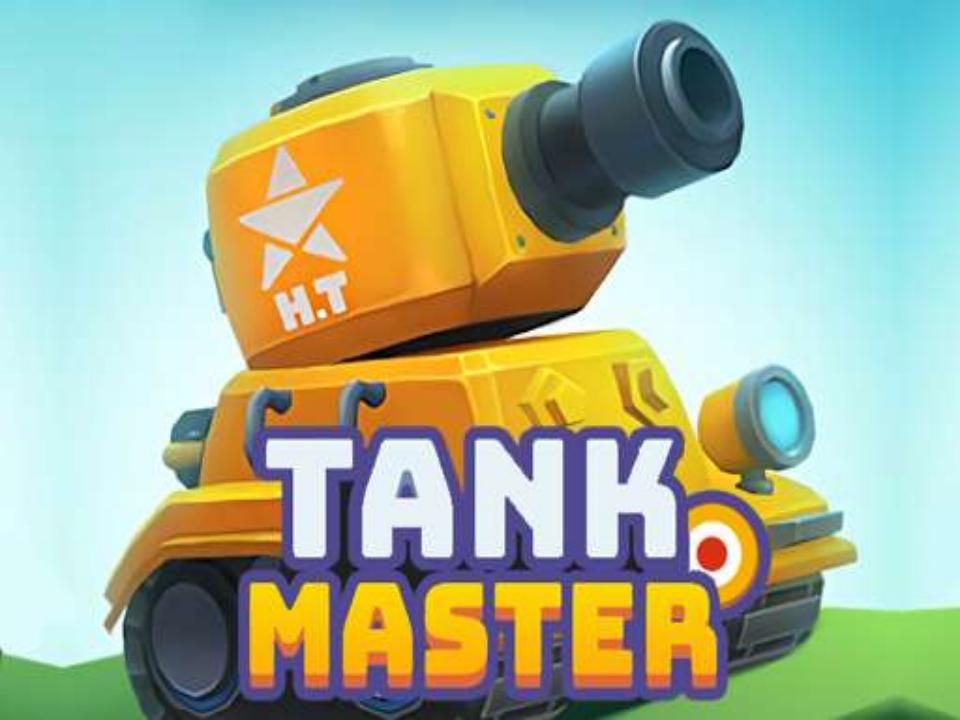
Battle Master Tank Showdown
Game Introduction The battle is on! Fire your cannons to take down rivals, destroy as many enemy tanks as possible and stay alive before they take you out. Face off against crafty foes, grab power-ups to turn the tide, and blast through over 100 thrilling action-packed levels. Gather coins along the way, upgrade your war machine with better cannons, powerful bullets and tough armor, and rise to be the ultimate tank champion. Game Features 1. Thrilling survival tank battles Fire cannons to take down foes and survive enemy attacks 2. Cunning rival tanks Face tricky enemies that test your shooting and maneuver skills 3. 100+ action-packed levels Endless tank shooting fun without repetitive gameplay 4. Power-up collection Grab boosts in battles to turn the tide and crush enemies faster 5. Tank upgrade system Earn coins to upgrade cannons, bullets and armor for stronger firepower 6. Compete for the top Upgrade your war machine to become the ultimate tank leader Gameplay and Controls 1. Drag joystick to control tank movement 2. Tap screen to aim and shoot cannons 3. Auto-collect power-ups when approaching Game Guide The core of "Tank Master" lies in the combination of survival and competition. To stand out on the battlefield spanning over a hundred levels, you need to balance operational precision, tactical layout, and tank cultivation. This concise guide will help you quickly grow from a newbie to a battlefield dominator. I. Operational Advancement Precise Field Control is Fundamental. When sliding the joystick to control movement, try to adopt "Z-shaped movement" to avoid moving in a straight line and becoming a sitting duck. Especially when besieged by multiple enemy tanks, snake movement can greatly reduce the probability of being hit. Tap the screen to aim and shoot at the weak sides or rear armor of enemy tanks; frontal confrontation is prone to ricochets, wasting output. When encountering moving targets, predict their movement route in advance and aim 1-2 tank lengths ahead—this will significantly improve hit rate. There's no need to manually pick up power-ups; they will be automatically collected when you approach. Prioritize competing for damage boost and defense shield power-ups, which can turn the tide of the battle at critical moments. II. Survival First Steady Progress with Terrain Utilization. Boulders and building ruins on the battlefield are natural covers. Master the "peek-and-shoot" tactic—only expose the turret to shoot while hiding the fragile hull to reduce the hit area. When facing cunning enemies, never advance alone. You can use terrain to flank around or lure enemies into narrow passages for concentrated elimination. If trapped in an encirclement, immediately use high-mobility power-ups to pull back, prioritize destroying the most threatening enemy tanks, and avoid being attacked from both sides. III. Upgrade Strategy Rational Resource Allocation. Gold coins are the core upgrade resource. The priority upgrade order is: Armor → Main Cannon → Bullets. In the newbie phase, first strengthen armor to improve survival ability and avoid early elimination. In the mid-game, upgrade the main cannon to enhance penetration damage and deal with enemy tanks with thicker armor. In the late game, unlock advanced bullets to increase rate of fire and critical hit rate. After every 10 levels cleared, it is recommended to return to previous levels to farm gold coins, consolidate the foundation for upgrades, and pave the way for challenging high-difficulty levels. IV. Level Key Points Layered Breakthrough Without Blind Rush. The first 20 levels focus on familiarizing yourself with operations and accumulating resources. There are few enemy tanks with weak combat power, allowing for quick clearance. From levels 20 to 60, enemies begin to adopt tactical coordination; you need to prioritize destroying backline damage-dealing tanks first, then deal with frontline tanks. After level 60, the level layout becomes complex. Pay attention to the mini-map, predict enemy spawn points in advance, seize key positions such as high ground or passes, and use terrain advantages to eliminate enemies one by one. Ensure you collect all gold coins before the end of each level to reserve sufficient resources for subsequent upgrades. Core Principle: Survival equals damage output. Abandon the style of blind charge, focus on "stable survival, strong output, and smart upgrades" to gradually improve tank combat effectiveness. This way, you can smoothly conquer over 100 levels and become a true tank dominator.

Escape Quest Snakes: Clever Pathfinder Challenges
Game Introduction Feel the rush in this fast-paced arcade survival game where danger slithers in from every direction! Endless waves of snakes close in nonstop, demanding lightning-fast reflexes to dodge and evade. It’s so simple to jump into gameplay, yet mastering the art of outrunning the swarm is a whole new challenge — perfect for casual players seeking quick thrills and competitive gamers fighting for the top survival record. Can you stay one step ahead and outlast the unending snake swarm? Game Features 1. Fast-paced endless survival core Featuring thrilling arcade-style survival gameplay, swarms of snakes surge in relentlessly from all directions with non-stop waves keeping the pressure on. Your core goal is to dodge attacks and compete for the longest survival time, with every second brimming with challenges. 2. Zero-threshold simple controls No complicated rules or tedious tutorials, jump right into the game instantly. Simple movement controls are all it takes to dodge snake swarms, allowing new players to immerse themselves quickly without spending time learning the ropes. 3. Easy to pick up yet hard to master The basic gameplay is simple enough for casual players, offering instant stress relief with every session. But breaking high scores and topping the survival leaderboards requires precise movement and lightning-fast reflexes — the more you play, the more room for mastery, bringing immense a sense of accomplishment. 4. Lightweight & perfect for fragmented play The game is lightweight with low resource consumption, ideal for on-the-go fragmented gaming. Fire up a round anytime during commutes, breaks or waiting time; each session is flexible in length, no grinding or waiting required, letting you enjoy fun even in short pockets of time. 5. Dual appeal for casual & competitive players It satisfies casual gamers’ need for stress relief with relaxed, pressure-free sessions, while catering to competitive players’ drive to win as they race up the survival leaderboards and unlock new personal bests, fitting the needs of both player types perfectly. 6. Pure skill-based competition No pay-to-win progression or tedious quests, and no overpowered stats from spending. Victory or survival all depends on your own reflexes and movement skills, ensuring full fairness — every survival run is a pure test of skill. Gameplay and Controls 1. Basic Controls: Swipe the screen or use the directional buttons to control your character's movement. 2. Core Goal: Move flexibly to dodge snakes coming from all directions and survive as long as possible. 3. Easy to Start: No extra settings, jump into the game and play right away. Game Guide As a fast-paced arcade survival game, the core fun of Escape From Snakes lies in breaking through snake swarms with precise operations and extending your survival time. This guide covers basic controls to advanced tips, helping you master survival essentials quickly and climb the leaderboards effortlessly. 1. Beginner Basics: Prioritize Survival Before Chasing High Scores For beginners, the top priority is getting used to the control rhythm and avoiding instant defeat at the start. You can control your character by swiping the screen or using directional buttons. It’s recommended to swipe slightly with one finger to reduce collisions caused by abrupt turns. Develop a habit of gentle swipes and fine adjustments—this is more flexible than large movements. Don’t rush to move across the map at the beginning; stick to the screen edges first. Edge areas have lower snake spawn density and only face threats from one side, greatly reducing the risk of being surrounded. Keep an eye on all screen edges, predict snake movements in advance, and turn early when spotting dense swarms to avoid head-on collisions. 2. Intermediate Tips: Combine Movement and Prediction Once you grasp basic survival, use movement techniques to boost survival efficiency. The core move is zig-zag movement—small alternating left-right turns disrupt snake chasing rhythms effectively, making it hard for straight-moving snakes to predict your path, especially against a few fast snakes. When trapped by multi-directional swarms, use spiral movement to break out, prioritizing directions with larger gaps between snakes. Never dash around blindly. Also, learn snake spawn rules: swarm density increases in later stages, so shorten your observation intervals—scan the whole screen every 3 seconds to lock safe zones ahead of time. 3. Advanced High-Score Skills: Rhythm Control Is Key To chase high scores, master the "move and pause" rhythm. Snakes have short gaps between charges; use these seconds to adjust your position instead of moving at full speed nonstop, which reduces operational errors. When facing massive swarms, don’t flee blindly—try horizontal sliding: move parallel to the swarms, wait for gaps, then turn to break out. This cuts collision risks sharply. Avoid two major mistakes: never stay in the screen center for long (it leaves you open to multi-directional attacks) and don’t accelerate frequently (if available). High speed reduces turning flexibility, so use it only briefly for breaking out. Stay calm—when swarms get dense, small movements are safer than abrupt turns. Summarize mistakes after each round to build muscle memory gradually. Follow these tips: start with stable survival, practice precise movement, then master rhythm control. You’ll keep pushing limits amid snake swarms and climb the high-score leaderboards smoothly.

Boom Frenzy Drag Rush
Game Introduction DragnBoom is a fun-filled classic arcade title where speed meets precise control for endless retro fun! Dive headfirst into a vivid imaginary medieval universe teeming with brave heroes, and relive the nostalgic charm that echoes the golden era’s greatest arcade and platform games we all love. Game Features 1. Original drag-and-aim precise control: The core drag operation is simple and easy to pick up, letting you freely control the character's flight path. Combined with accurate fire-breathing and blasting mechanics, it requires both movement speed control and attack precision, delivering smooth and rewarding maneuverability.2. Thrilling, satisfying blasting experience: Fire-breathing blasts come with stunning feedback, and hitting targets triggers awesome effects. Chain detonation unlocks combo points, bringing great stress-relieving fun with every level challenge.3. Pure retro arcade gameplay: Focus on classic arcade level-based core gameplay without redundant development systems. It centers on level challenges and high-score rushing, featuring a brisk, no-drag pace to relive the pure joy of level breakthroughs.4. Immersive medieval fantasy vibes: Step into a unique fantasy medieval world with progressive thematic scenes, paired with stylized character and scene designs. The immersive atmosphere is fully enhanced, allowing you to enjoy fantastic scenery while conquering levels.5. Rich levels and engaging progression: Themed levels unlock one after another with progressive difficulty to suit players of different skill levels. Collect level rewards to unlock exclusive skins and skill boosts, keeping the gameplay fresh and challenging all the way. Gameplay and Controls 1. Drag left screen: Control the dragon's flight, jump and charge trajectory 2. Tap right screen: Unleash fire blasts to hit enemies precisely 3. Slow-motion effect: Activates automatically for precise shooting, enhancing operational accuracy 4. Collect gold: Defeat enemies or pick up in-game gold to unlock new abilities and skins Game Guide For advanced players of DragnBoom, the core to breaking through the level bottleneck lies in the precise matching of skill systems and efficient mining of hidden resources. Mastering the following skills will not only help you quickly improve your combat effectiveness but also unlock the in-depth fun of the game, allowing you to easily navigate difficult levels and endless modes. Skill unlocking and upgrading should follow the "scene adaptation" principle. In the early stage, prioritize investing gold coins in "Scatter Flame" — its wide-range attack can quickly stack combo multipliers, making it suitable for clearing most regular levels. In the mid-stage, "Attack Heal" is a must-point skill, which is the core of survival in the endless mode; matching it with "Extra Dash" can greatly reduce survival pressure. In the late stage, unlock "Flame Laser" — its penetrating feature can handle complex levels with dense enemies and many obstacles, while "Fire Bomb" is suitable for tackling boss targets. Note that you should avoid average upgrades and focus on 2-3 core skills according to the types of levels you commonly play. Mining hidden resources is the key to improving growth efficiency. There are three secret locations in the Forge Area: behind the basalt vein deep in the Ruined Cave, you can find a basement guided by a cat-head sculpture; breaking the lucky block will get you Charlie's Relic. Inside the small building to the right of the Forgotten Kingdom entrance, the regularly updated murals contain easter eggs — interacting with them will give you an additional gold coin bonus. In addition, each of the four levels in the Giant's Lair has hidden stone slabs. In the Poison Gas level, you need to trap the boss in a randomly spawned mechanism area; in the Flower-Bashing level, you must kill two undead before the boss appears. Collecting three stone slabs will unlock the final treasure chest, rewarding you with rare items such as the Weapon Bleaching Core. Dealing with difficult levels requires skillfully using scene mechanisms and skill combinations. Facing advanced levels with dense enemies, first use "Scatter Flame" to maintain the combo multiplier; after the multiplier is full, switch to "Flame Laser" to clear the field. When encountering enemies like flocks of chickens and flying birds that trigger swarming attacks, do not blindly kill them — you can use drag to charge and jump around to avoid falling into a passive position. In boss battles, use the dynamite barrels in the scene to trigger chain explosions, and match them with the high burst output of "Fire Bomb" to quickly deplete the boss's health. At the same time, use the slow-motion effect to accurately dodge attacks. In summary, the core logic of this advanced guide is "precise skill adaptation + in-depth resource mining". There's no need to pursue unlocking all skills; focus on upgrading core skills. Pay attention to the additional bonuses brought by hidden resources and flexibly adjust your gameplay according to level mechanisms. This way, you can easily break through the level bottleneck and unlock all the gameplay fun of DragnBoom. The full text is about 600 words, accurately covering the core needs of advanced players.

Stealth Ninja Treasure Hunt
Game Introduction Treasure Ninja is a fun puzzle match game where you play as a skillful ninja on a treasure hunt! Match identical items in quick streaks, unleash ninja-style power-ups to blast through tricky levels, and unlock hidden chests brimming with rare treasures. Navigate clever puzzle layouts, beat challenging obstacles, and prove your match skills to become the ultimate treasure-hunting ninja with every thrilling match and glittering loot you claim. Game Features 1. Ninja-Themed Match Puzzle FunBlend classic match-3 gameplay with cool ninja vibes, themed elements run through every level, making matching challenges full of adventure instead of monotonous. 2. Treasure-Driven Level ChallengesEach level targets hidden treasures—clear puzzles, break obstacles and unlock glittering chests; collect rare treasures to fuel your ninja treasure-hunting journey. 3. Clever Puzzle & Progressive DifficultyBeyond basic matching, tricky layouts, special blocking elements and brainy designs test your skills; difficulty rises gently, suitable for both newbies and puzzle masters. 4. Exclusive Ninja Power-UpsUnlock ninja-style boosters as you progress—blast a whole row, eliminate random obstacles or get extra moves, helping you breeze through tough puzzle levels easily. 5. Light & Casual Gaming ExperienceNo complicated rules, pick up and play anytime; perfect for killing fragmented time, enjoy relaxing matching fun without heavy pressure of missions. 6. Rich Treasure Collection SystemGather various rare treasures to complete your collection album; unlock ninja skins and special rewards, adding more motivation to your puzzle adventure. Gameplay and Controls 1. Slide to match 3 or more identical items in a line to eliminate them.2. Clear targeted items/break obstacles to complete level objectives.3. Use ninja power-ups to crush tough puzzles and grab all treasures.4. Finish all goals before running out of moves to win! Game Guide As a ninja-themed match-3 puzzle game, the core fun of Treasure Ninja lies in unlocking treasures through strategic elimination. To clear levels efficiently and collect all treasures, you need to balance observation, strategy, and item usage. Below is a core guide suitable for players of all stages. For beginners, focus on the core first: prioritize locking in level objectives. Most game levels take "collecting specified items" and "unlocking treasure chests" as core tasks. Don't rush to eliminate blindly at the start; first observe the layout of the board—prioritize clearing obstacle elements (such as chains and stones) that block the treasure chests to avoid wasting moves on ineffective elimination. For basic operations, try to slide to connect 3 or more items of the same color in a straight line when sliding. If you can form a 4-in-a-row or 5-in-a-row elimination, you can generate ninja-exclusive powerful power-ups. Accumulating power-ups in the early stage can greatly reduce the difficulty of subsequent levels. Advanced skills lie in field control and chain elimination. After entering medium and high-difficulty levels, the board will have multiple layers of obstacles and limited moves. At this time, you need to cultivate an "overall planning" mindset: first clear the scattered elements in the edge areas to make space for the core elimination area; use the law of item falling to lay out in advance to form secondary chain elimination. For example, guide the upcoming items of the same color to the bottom of the eliminated area to trigger a chain reaction, which can not only clear the board efficiently but also get additional point rewards. At the same time, prioritize eliminating elements close to the treasure chest to shorten the unlocking progress. Use items accurately and avoid waste. Each ninja item in the game has its own focus: the straight-line elimination item is suitable for clearing single-column/single-row obstacles, the area blast item can quickly break through dense obstacle areas, and the move-increasing item should be saved for the final stage of key levels. Note that two adjacent items can be swapped to trigger a combined effect. For example, matching a straight-line item with an area item can achieve a large-scale clearance and easily break through difficult levels. Finally, keep in mind the key points of treasure collection: some hidden treasures need to be unlocked by completing "3-star clearance". Try to keep 1-2 extra moves when clearing levels to avoid missing 3 stars due to running out of moves. When stuck on a level, you can temporarily exit and re-enter the level; the board layout may reset, bringing new solutions. Mastering the above skills allows you to enjoy the strategic fun of puzzles and quickly become a top treasure ninja.
