
















What Kind of Puzzle Game Is This?
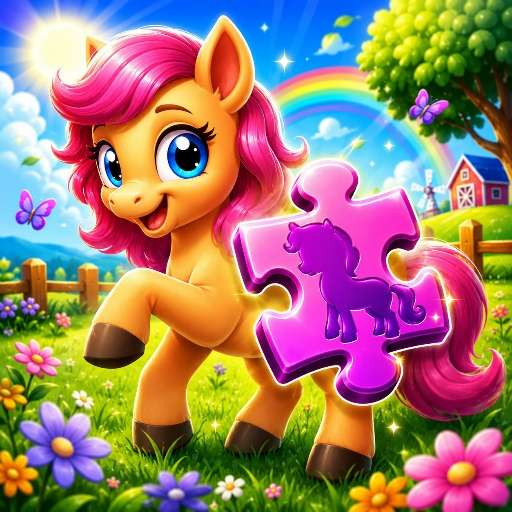
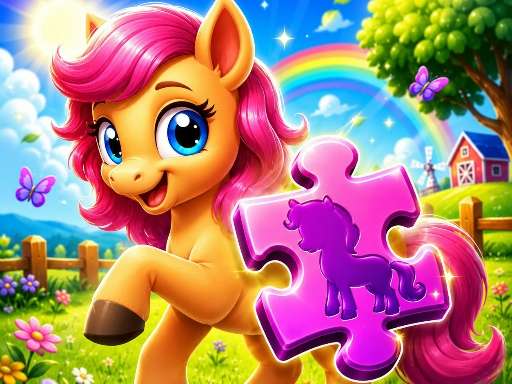
Cute Pony Puzzle Quest is a straightforward jigsaw game set in pastel-colored fantasy scenes. You drag and drop pieces into place to complete images of ponies in meadows, near rainbows, or under starry skies. It’s not trying to reinvent the puzzle genre — it’s just a calm, visual matching exercise with a pony theme.
If you’ve played browser jigsaw games before, you’ll recognize the layout: a pile of scattered pieces on the side, a faint outline of the scene in the background, and a simple drag-and-drop mechanic. The difficulty comes from the number of pieces and how similar the colors are in some sections.
How the Game Actually Works
You control everything with the mouse. Click a piece to pick it up, move it over the puzzle board, and release to drop it. If it snaps into place, you’ll hear a soft click. If not, it bounces back. There’s no timer, no score, and no penalty for wrong placements — which is good, because some pieces can be stubborn.
Pieces rotate automatically to match the correct orientation, so you don’t need to spin them yourself. That removes one common frustration in jigsaw games, but it also means you can’t manually rotate a piece to test fitment. You just have to try different spots until one works.
Sorting Pieces First Saves Time
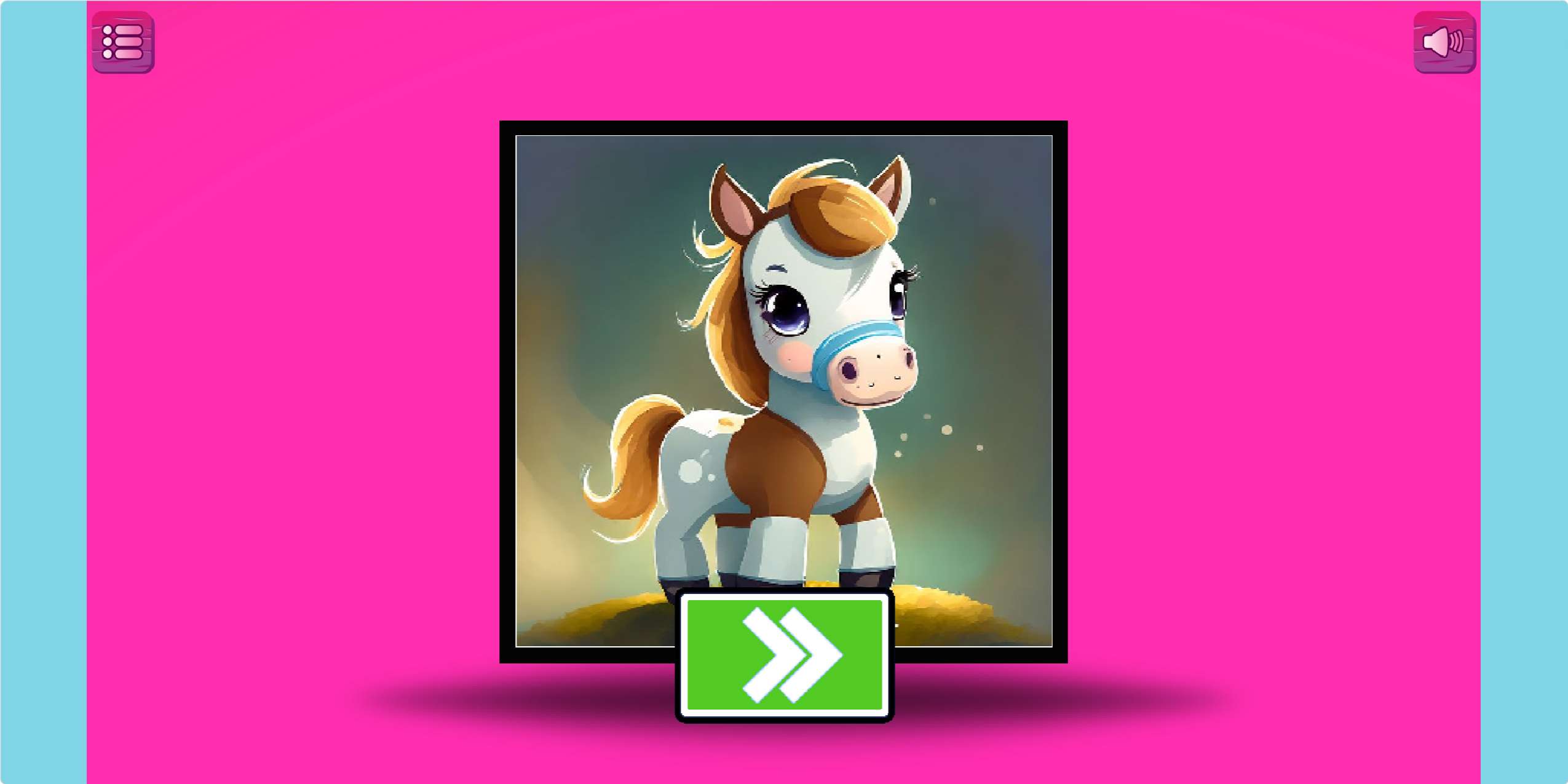
The most common mistake new players make is grabbing random pieces and trying to jam them into the board. That works, but it’s slow. Instead, spend the first minute sorting pieces into small piles by color or pattern. Ponies often have bright, distinct manes, so separate those. Sky and grass pieces look alike, so group them together.
This isn’t a racing game, so there’s no rush. But sorting early means you’re not hunting through the same pile over and over. It makes the middle part of the puzzle feel less tedious.
Watch the Background Silhouette
Every puzzle has a faded version of the image underneath the pieces. That sounds obvious, but it’s easy to ignore when you’re focused on individual shapes. Use the silhouette to figure out where a piece probably belongs before dragging it over. If you see a pink patch in the background, look for a pink piece in your sorted pile. It cuts down the guesswork.
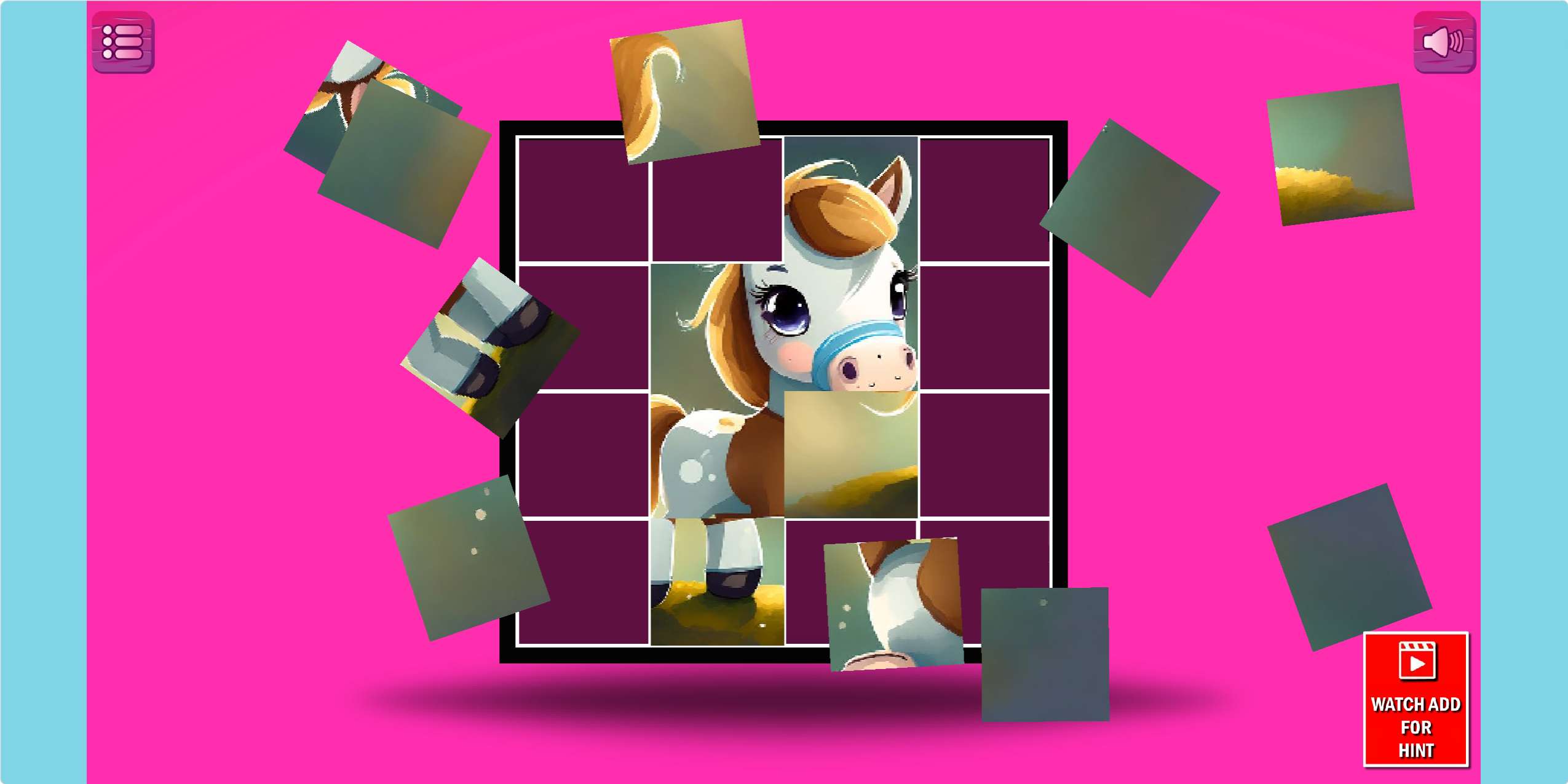
One thing that caught me off guard: the silhouette is lighter in some puzzles, especially the ones with lots of white clouds. In those cases, focus more on the piece edges and how they line up with neighboring pieces already placed.
What Stands Out — and What Gets Repetitive
The art is genuinely charming. The ponies have different poses and expressions, and the backgrounds vary enough to keep you interested for a few rounds. But let’s be honest: after four or five puzzles, the mechanic doesn’t change. You’re doing the same drag-and-drop, and the difficulty only shifts by adding more pieces. If you enjoy jigsaw puzzles as a relaxing activity, that’s fine. If you’re looking for puzzle mechanics or brain teasers, this isn’t that.
This game is best for someone who wants to zone out for ten minutes, listen to music, and complete something cute. It’s not a challenge — it’s a cozy break.
One Practical Tip for Stuck Moments
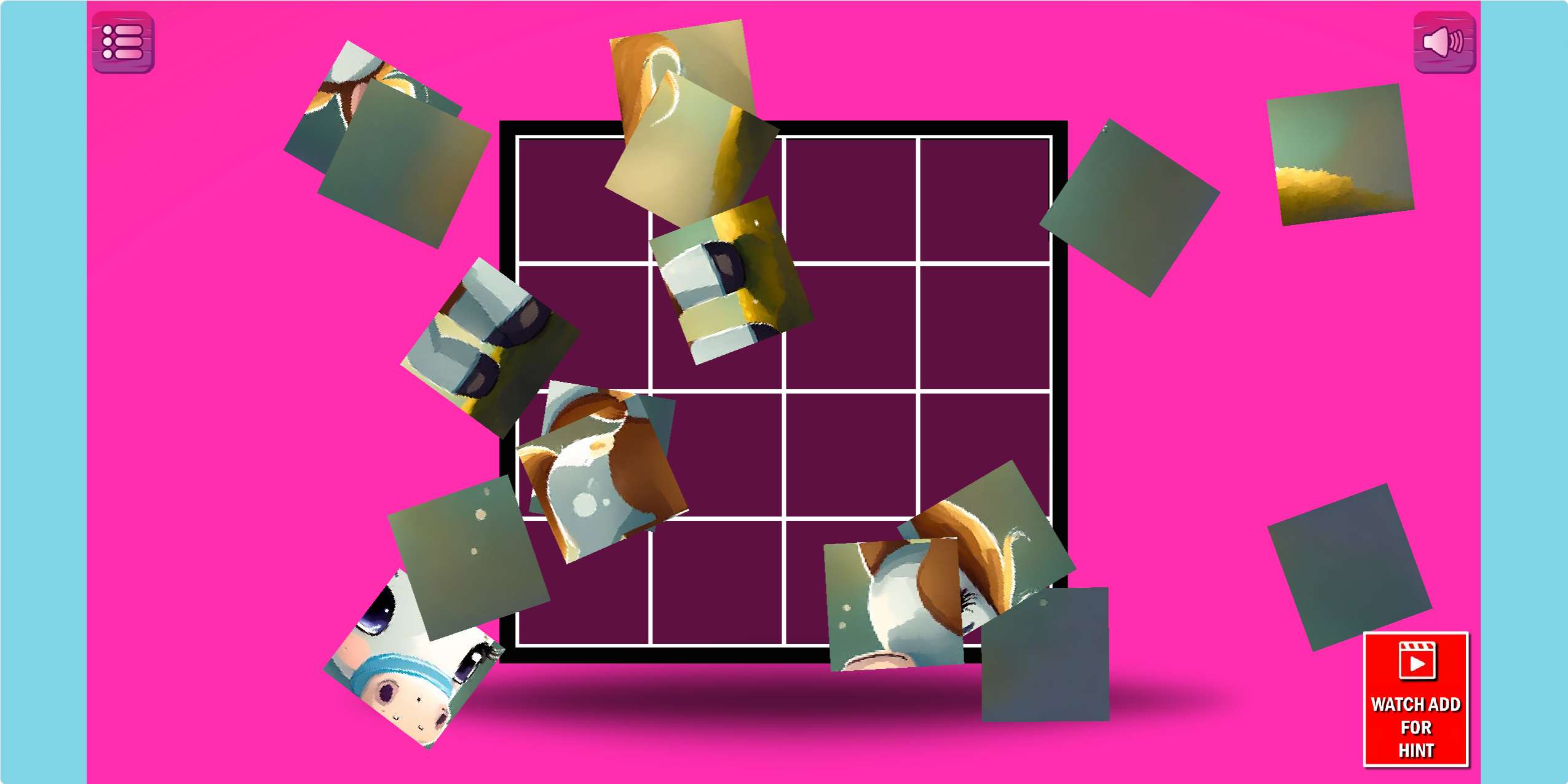
If you’ve placed most pieces but can’t find the last few, resist the urge to click every piece randomly. Instead, look at the empty gaps on the board and note their shape — not just the color. A piece with a flat edge probably belongs to the border. A piece with an odd protruding tab might fit into an interior corner. Matching by shape is faster than color in those final stages because the remaining pieces often have similar hues.
Also, if a piece doesn’t snap when you drop it, let it go back to the pile and try a different spot. Forcing it won’t work, and you’ll just waste time.
One Quick Tip
New players usually do better when they slow down a little and pay attention to repeating patterns instead of reacting too quickly.