

















What Is Throw Best, Exactly?
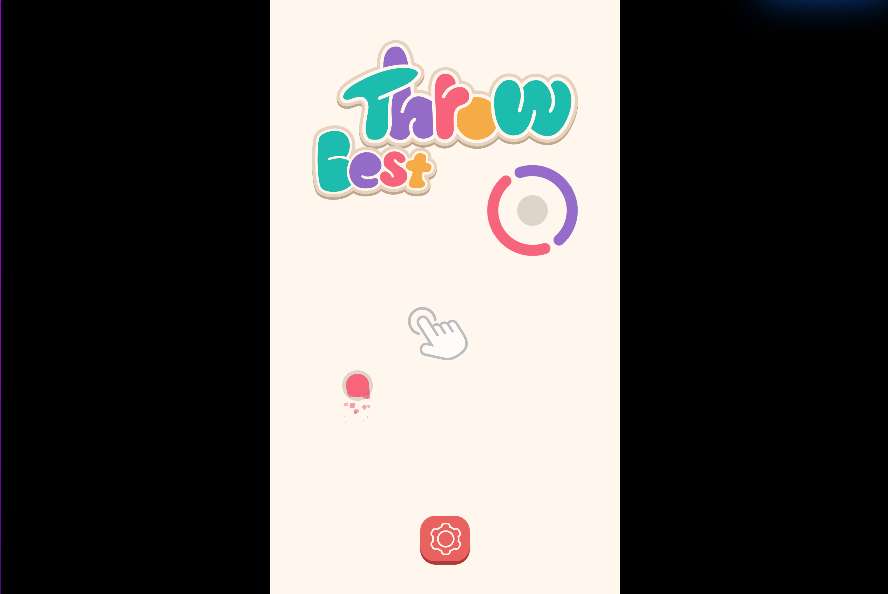
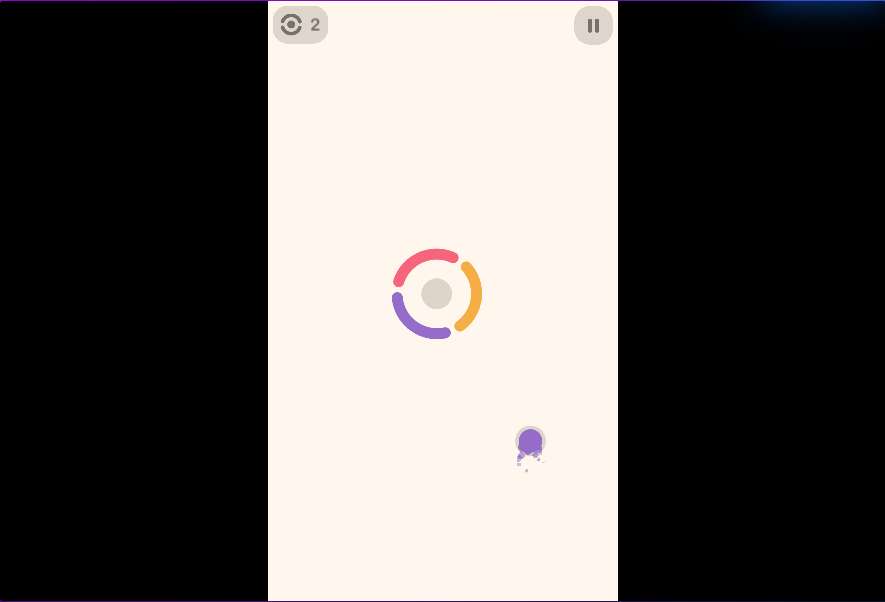
Throw Best is one of those browser games that looks simpler than it actually is. You control a ball, drag it back, and release to fling it at moving targets. The twist? You have to pass through the right colored guard before the ball can hit the target. Miss the guard, and the ball bounces off. Hit the wrong color, and same result. It’s a puzzle-arcade hybrid that relies on your ability to read angles, judge speed, and stay calm as the targets get faster.
The game doesn’t hammer you with tutorials or complex mechanics. You just drag, aim, and hope. But there’s more to it than random flinging. Let’s get into how it actually works and how you can stop missing so much.
How the Throwing Mechanic Works
Drag your finger or mouse from the ball in the direction you want to throw. The farther you drag, the harder the throw. Release to let go. That’s it for controls. But the depth comes from the fact that the ball travels in a straight line, and the guards and targets are moving. So you’re not just aiming at a stationary bullseye—you’re predicting where everything will be a split second later.
One thing that catches new players off guard: the ball doesn’t curve. You can’t add spin or adjust mid-flight. What you set is what you get. So if you’re used to games with physics and bounce, you’ll need to recalibrate. Every throw is a straight shot.
Reading the Guards and Targets
The colored guards act as filters. Only the matching colored ball can pass through to the target. So if you see a red guard and a red target, you need to throw the red ball. If the guard is blue and the target is green, you’ll need to aim the green ball through the blue guard—wait, that’s wrong. Actually, the ball color must match the guard color to pass, but the target color is separate. This is where the puzzle element sneaks in. You might need to throw a certain color ball through a guard that doesn’t match the target, which means you have to think ahead about which ball to use and when.
It’s easy to panic and just throw the first ball you see. Don’t. Take a second to check the guard color, then the target color, then pick the right ball. Speed matters, but accuracy matters more.
Practical Tips for Improving Your Score
Here are a few things that helped me stop wasting throws:
- Don’t drag too fast. A slow, controlled drag gives you better aim than a frantic flick. The ball goes exactly where you release, so rushing just sends it off-screen.
- Watch the guard’s movement pattern. Most guards move in a predictable back-and-forth or circular path. Wait for them to reach the edge of their movement, because that’s when they pause briefly. That pause is your window.
- Prioritize the nearest target. If two targets are close, go for the one that lines up more directly. Trying to hit a far target while a close one is active just adds unnecessary difficulty.
- Know when to skip a ball. If the ball color doesn’t match any available guard, don’t throw it. Wait for the next ball. Sometimes it’s better to waste a few seconds than to send a useless throw.
What This Game Does Well (and Where It Drags)
Throw Best nails the “one more try” feeling. The rounds are short, the feedback is immediate, and the scoring system rewards clean throws. It’s the kind of game you play while waiting for something else to load, and then suddenly twenty minutes have passed.
That said, it does get repetitive after a while. The core mechanic doesn’t change much beyond speed and guard placement. If you’re looking for deep strategy or evolving levels, this isn’t it. But as a quick reflex sharpener, it works. I think the sweet spot is playing in short bursts—five to ten minutes—rather than marathon sessions. That way, the repetition feels like practice rather than chore.
Who Should Play Throw Best?
If you liked those old Flash games where you had to line up shots against moving targets, this will scratch that itch. It’s also great for people who enjoy games like Angry Birds but want something simpler and faster. Kids will probably pick it up quickly, and adults who just want to zone out for a few minutes will find it satisfying.
Just don’t expect a deep narrative or evolving mechanics. What you see is what you get. And honestly? That’s fine.