

















What Hexa Color Sort Actually Asks of You
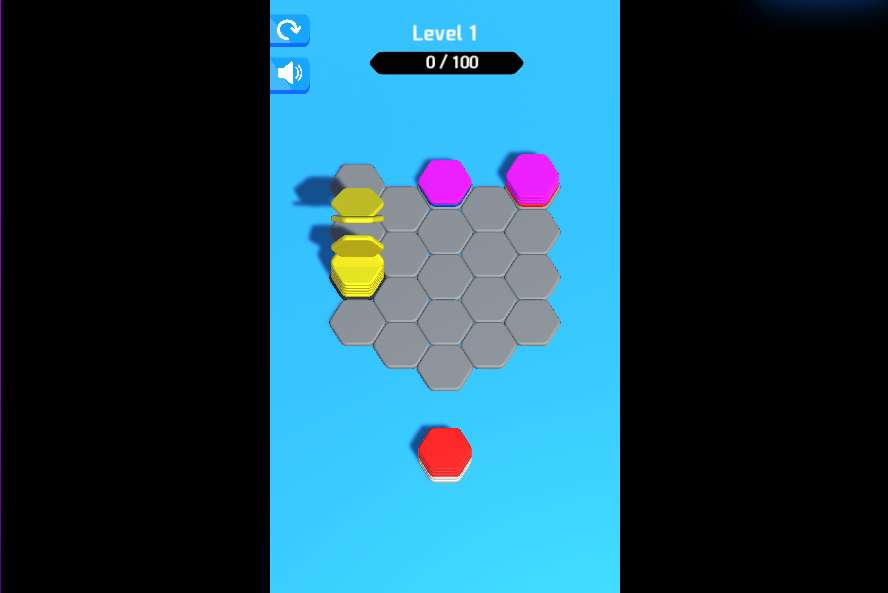
On the surface, Hexa Color Sort looks like one of those simple “match the colors” games you can play with your eyes half closed. And honestly? Sometimes you can. But the game has a quiet little bite to it. You’re given a set of hexagonal blocks, each with a color, and your job is to move them around until all blocks of the same color sit together. The catch is that you can only move blocks to certain positions, and the space is limited.
Think of it like a sliding puzzle where the tiles are also picky about who they neighbor. It’s not frantic. There’s no timer ticking down. But if you just start clicking without a plan, you’ll end up with a board full of stranded blocks and no way to fix it.
Where Most New Players Trip Up
The biggest mistake I see people make is trying to “clean up” by moving lone blocks to the nearest open slot. That works in the first few levels, but around level 10 or so, the board starts to feel tighter. You’ll have three different colors all needing to connect, and only one free hexagon to work with.
Another common stumble is ignoring the edges. In Hexa Color Sort, the edges of the board aren’t just a border—they’re often the only place where you can temporarily park a block while you rearrange the middle. Beginners tend to fill up the edges early and then have nowhere to escape.

Also: don’t be afraid to undo. Most versions of the game let you step back a move. Using it doesn’t mean you’re bad at puzzles. It means you’re learning the layout. Smart players undo more than stubborn ones.
Think a Few Moves Ahead (You Don’t Need to Be a Grandmaster)
This is the part where the game actually works your brain. You don’t need to plan ten moves ahead like in chess. But you should try to think one or two moves ahead. Ask yourself: if I move this yellow block here, does that open up a spot for the other two yellow blocks to join it? If not, maybe hold off.
A useful trick is to focus on the color with the most blocks first. Usually one color has more pieces than the others. If you can group that color early, you free up space for the smaller groups. The smaller colors can often be squeezed into leftover gaps once the big group is settled.
Another practical tip: don’t lock yourself into symmetry. The board doesn’t need to look neat until the very end. Sometimes a messy middle is the fastest path to a clean finish.
What Kind of Player Actually Enjoys This Game?
Here’s the editorial take: Hexa Color Sort isn’t for people who want adrenaline or flashy effects. It’s for the player who wants to sit with a cup of coffee and feel like they’re organizing something, but without the pressure of real life. The satisfaction comes from watching chaos turn into order, one hexagon at a time.
That said, if you’re someone who gets frustrated when a puzzle has only one correct solution and you can’t find it, this game might grate on you after a while. The levels do repeat the same core logic, and the visual variety is limited. But for a casual session of ten to fifteen minutes, it hits a nice sweet spot between relaxing and engaging.
Final Little Pointers
Here are a few quick things that won’t make you a pro overnight, but they’ll keep you from getting stuck:
- Always keep at least one empty hexagon on the outer ring if possible. It’s your emergency exit.
- If a level feels impossible, step back to the menu and replay an earlier level. Sometimes a fresh perspective does more than brute force.
- Don’t rush. The game doesn’t punish you for taking time. In fact, it rewards patience.
- If you’re playing on a phone, tap carefully. The hexagons are small and a mis-tap can mess up your setup.
Hexa Color Sort isn’t trying to be the hardest puzzle game out there. It’s just a clean, friendly logic game that respects your time. And honestly? That’s harder to find than you’d think.
One Quick Tip
New players usually do better when they slow down a little and pay attention to repeating patterns instead of reacting too quickly.