
















What Is Dice and Flag, Really?
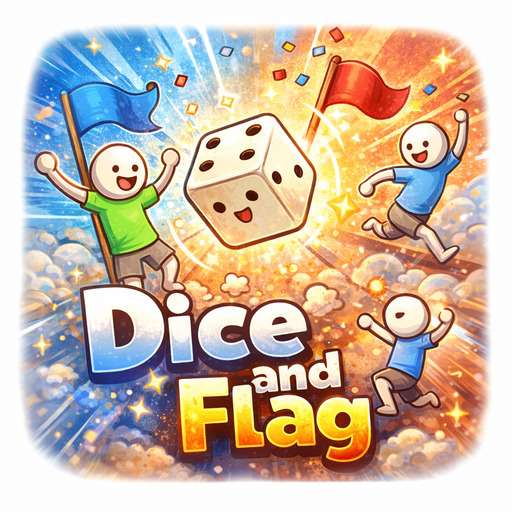
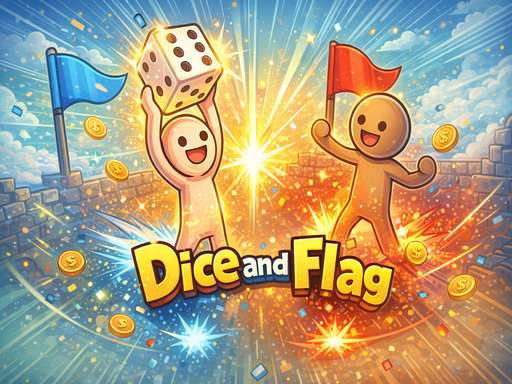
Dice and Flag is a turn-based adventure game where you control a character sneaking into enemy territory to grab their flag. The twist? Every move depends on a dice roll. You click to roll, the dice decide how many steps you take, and from there it’s about making the most of whatever the numbers give you.
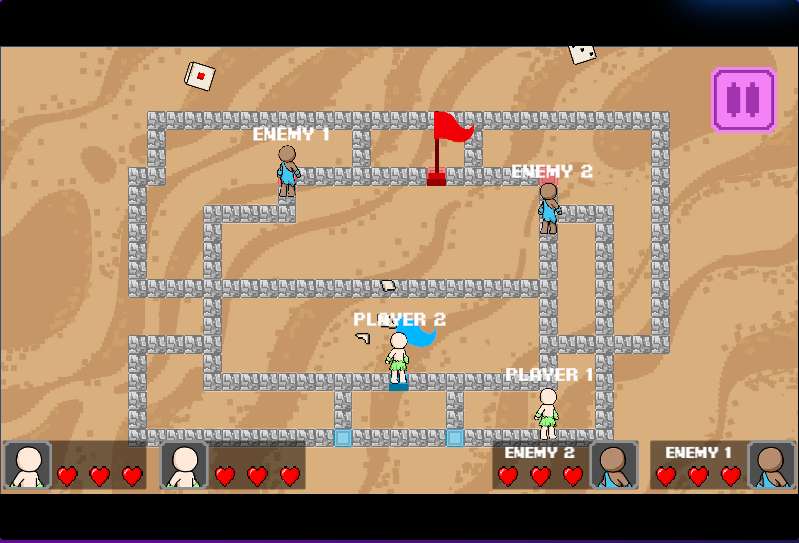
The board is laid out like a path with branching routes, obstacles, and opponent positions. Your goal is straightforward: reach the flag before the enemy reaches yours. But because the dice control movement, nothing is guaranteed. That’s where the fun — and the frustration — comes in.
How Movement and Turns Work
Each turn, you roll the dice. The number you get is how many spaces your character moves forward along the current path. You don’t get to choose the exact tile — the dice dictates that. But you do choose which direction to take at forks in the road.
Key things to remember:
- You can only move forward along your chosen path. No backtracking unless the game allows it (most versions don’t).
- Some spaces have effects: speed boosts, traps, or shortcuts. Landing on them triggers the effect immediately.
- If you land on the same space as an opponent, something happens — often a duel or a forced reroll. Check the specific rules in your game version.
The enemy AI also rolls dice each turn, so both sides are subject to the same randomness. That keeps things fair, but also unpredictable.
Reading the Board Before You Roll
This is where the game goes from pure luck to something closer to strategy. Before you click that dice button, look at the next few tiles ahead. If you see a trap three spaces away and you’re about to roll a 4, you know you’re in trouble unless you can pick a different branch.
Here’s what to check each turn:
- Distance to the next fork — if you’re close, a high roll might skip it. Sometimes that’s bad.
- Where the opponent is — if they’re near your flag, you might need to take risky shortcuts.
- Tile effects — memorise which tiles help and which hurt. A speed boost is great, but not if it pushes you into a trap.
One thing I’ve noticed after playing several rounds: players who rush their roll without scanning the board usually lose. The dice is random, but route choice is not. Use that.
Common Mistakes New Players Make
I’ve seen the same errors pop up again and again. Here are a few to avoid:
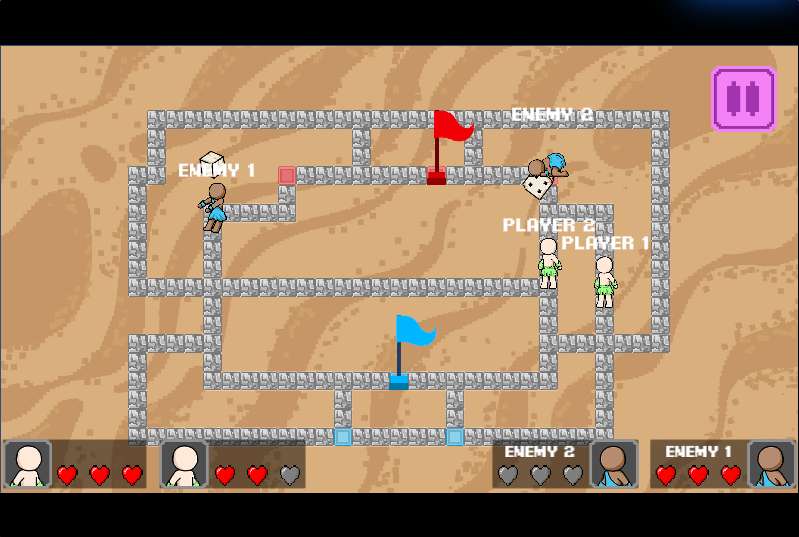
- Always taking the shortest path. The shortest path often has more traps or fewer safe tiles. A slightly longer route with boosts can be faster overall.
- Ignoring the opponent’s progress. If the enemy is two tiles from your flag, don’t go for a treasure tile on the other side of the map. Defend.
- Rolling before thinking. The dice doesn’t wait, but you should. Take three seconds to plan.
- Not learning tile patterns. Most boards have repeating tile layouts. Once you recognise them, you can predict risks.
Practical Tips to Improve Your Win Rate
These aren’t secrets, just things that work in practice:
- Take note of which branches have the fewest traps. Even if it’s longer, consistency beats gambling.
- Use the first few turns to scout. In early game, focus on getting to a fork and seeing what’s ahead. Don’t rush toward the flag blindly.
- If you’re ahead, play safe. Avoid high-risk branches. Let the dice work for you — don’t force plays.
- If you’re behind, take risks. Go for shortcut tiles or branches with big boosts. You have nothing to lose.
Who Should Play Dice and Flag
This game sits in a nice middle ground. It’s light enough for a quick session during a break, but has enough decision-making to keep you thinking. If you like board games like Snakes and Ladders or Ludo but wish there was more player agency, Dice and Flag scratches that itch.
That said, the randomness can feel unfair at times. If you hate losing because of a bad roll, this might frustrate you. But if you can laugh off bad luck and enjoy planning around chance, it’s a solid pick.
One editorial note: after about twenty games, the tile patterns start to feel familiar. The game could benefit from more board variety. But for a browser game you can play in five minutes, it does its job well.