
















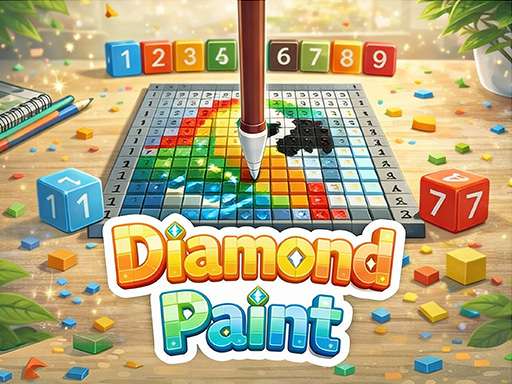
What Is Diamond Paint Art, Exactly?
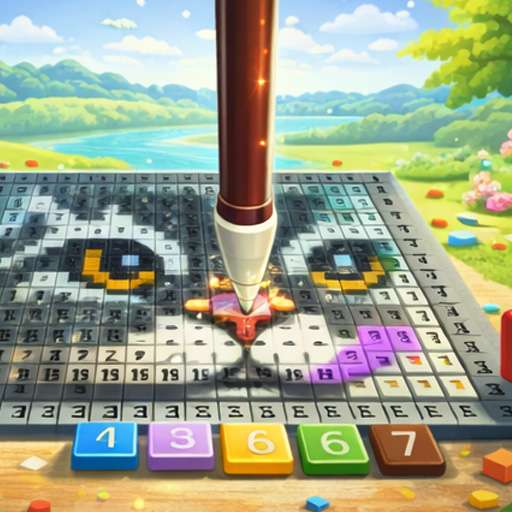
If you’ve ever done those paint-by-number kits on paper or canvas, this game takes that same calming idea and puts it on your screen. You’re given a numbered grid, and your job is to tap or click on the right diamond color to fill each cell. The twist is that instead of paint, you place little sparkling gems. Each one makes a soft click sound when it locks in place. It’s simple, but that simplicity is the point.
The canvas starts empty, and as you work through the numbers, a picture slowly emerges. The game doesn’t rush you. There’s no timer, no score, no fail state. You can walk away mid-puzzle and come back later. That alone makes it a solid pick if you want something low-pressure.
How the Number System Works
Each diamond color is tied to a number. You’ll see a palette on the side or bottom of the screen showing which numbers are available. Tap a number to select that color, then tap any cell on the grid that matches it. Some puzzles have large areas of the same number, which go fast. Others have scattered single cells that force you to switch colors frequently.
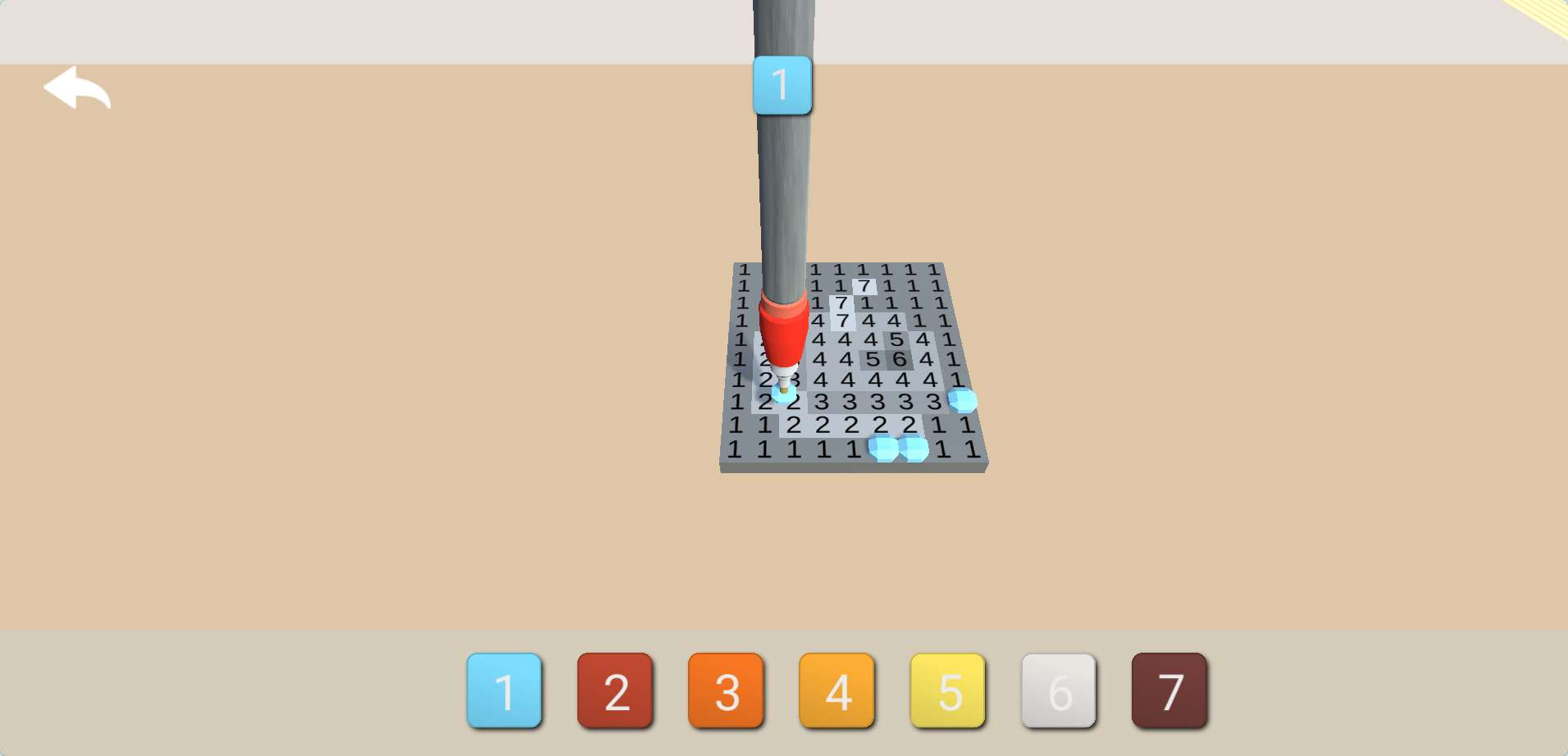
A common mistake new players make is trying to fill in every cell of one color at a time, even when those cells are far apart. That’s fine, but it can feel slower. A better approach for larger puzzles is to work in sections—finish a small area completely before moving to the next. It gives you a sense of progress more quickly.
Zoom In, Zoom Out, and Why It Matters
The game lets you zoom in and out on the canvas. This isn’t just a cosmetic feature. On bigger puzzles, zooming out helps you see the full shape of the image and plan which section to tackle next. Zooming in makes it easier to place diamonds accurately, especially in tight spots where one wrong tap could land on a neighboring cell.
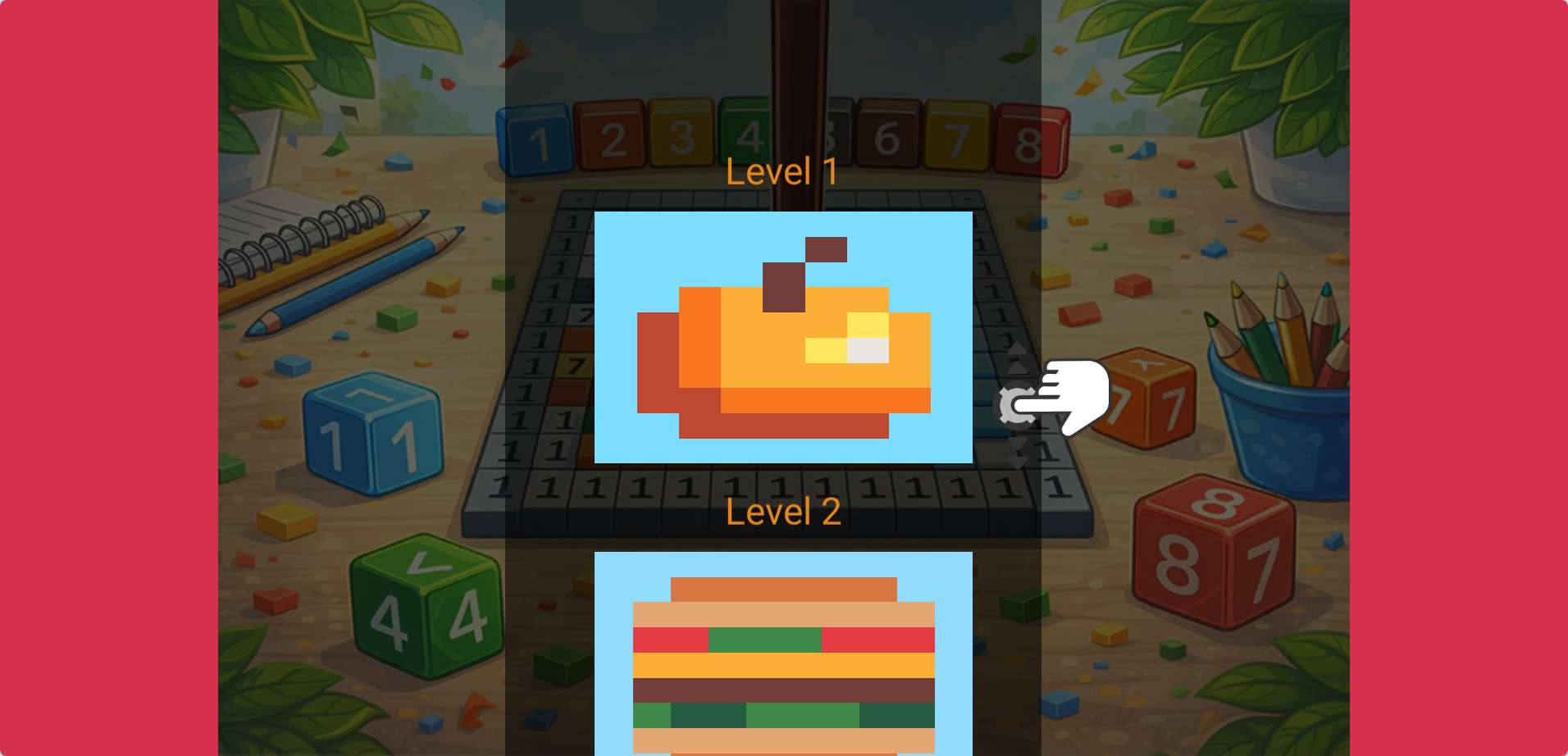
If you’re playing on a phone, the tap targets can be small on dense puzzles. Zoom in before you tap, and you’ll avoid accidentally placing a diamond on the wrong number. It’s a small habit, but it saves you from having to undo mistakes later.
What the Game Doesn’t Tell You (But Should)
Here’s the thing: Diamond Paint Art is very straightforward, and that’s both its strength and its limitation. There’s no story, no unlockable brushes, no special effects. It’s just you, the grid, and the diamonds. For some players, that repetition is exactly what they want—a mental break from fast-paced games. For others, the lack of variety might make it feel repetitive after a while.
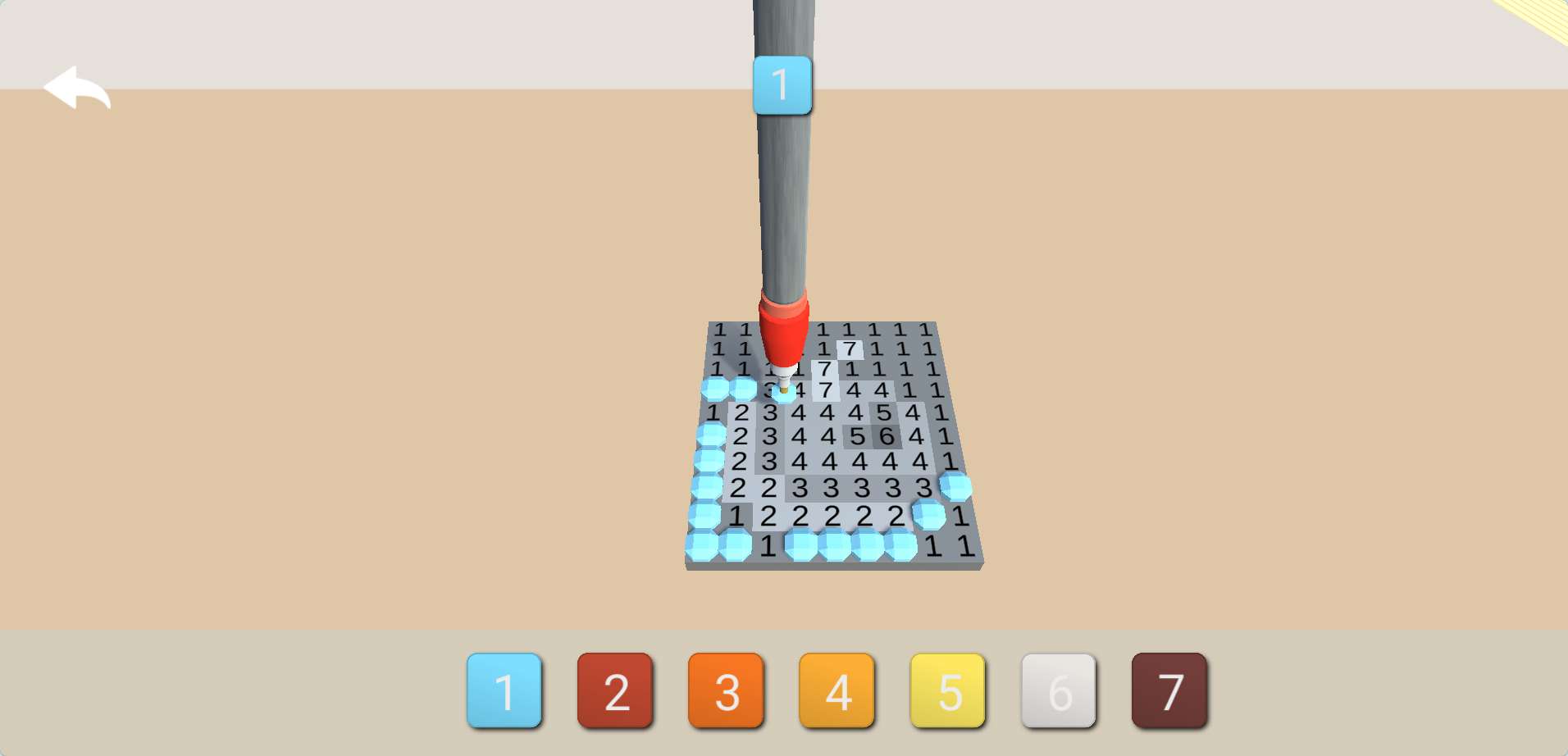
If you’re the type who likes to see a picture come together piece by piece, you’ll probably enjoy it. If you need constant rewards or changing mechanics, this might not hold your attention for long sessions. That’s not a flaw—it just means it’s a specific kind of game for a specific mood.
Tips for New Players
- Start with smaller puzzles. The larger ones can feel overwhelming at first. Get a feel for the controls on a 10x10 grid before jumping into a 30x30.
- Don’t worry about speed. There’s no penalty for taking your time. Some people finish a puzzle in ten minutes; others spread it across a week. Both are fine.
- Undo is your friend. If you place a diamond on the wrong spot, the undo button works instantly. Use it without guilt.
- Take a break if your eyes get tired. The bright diamond colors look nice, but staring at a grid for too long can strain your eyes. Step away, then come back fresh.
Who Should Play This?
Diamond Paint Art fits best if you want something to play while listening to a podcast or unwinding before bed. It’s not a game that demands your full attention. It’s more like a digital coloring book—pleasant, predictable, and oddly satisfying once the last diamond clicks into place. If that sounds good, give it a try.