
















What PunchMaster Actually Asks of You
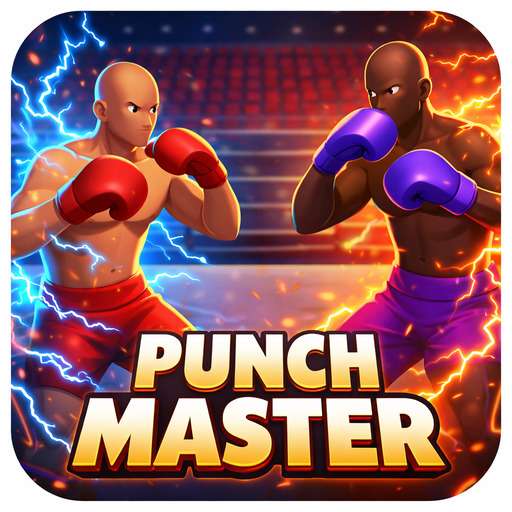
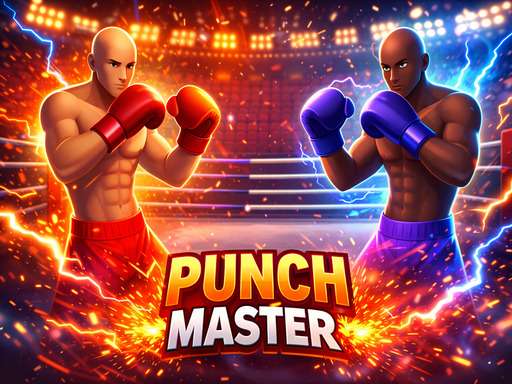
PunchMaster strips boxing down to its essentials. You control a fighter, face an opponent across the ring, and try to land enough hits to trigger a knockout. The controls are simple—WASD or arrow keys to move, J or Space to punch, K or Shift to dodge—but the game expects you to read your opponent’s patterns and react quickly. There’s no complicated skill tree or equipment to manage. It’s just you, your gloves, and a few seconds of decision-making per exchange.
That simplicity is both the appeal and the limit. Matches stay short, which makes it easy to jump into another round after a loss. But if you’re looking for deep mechanics or a career mode, this isn’t that game. PunchMaster works best as a quick reflex challenge you can pick up between tasks.
Movement Is More Important Than Swinging
New players often walk straight toward the opponent and start hammering the punch button. That usually ends with you eating a counter. The smarter approach is to circle. Use A and D (or left and right arrows) to step around your opponent. Stay at mid-range, where you can see their attack wind-up. When they throw a punch, you have a split second to react. Move backward or sideways to avoid it, then step in and punch while they’re recovering.
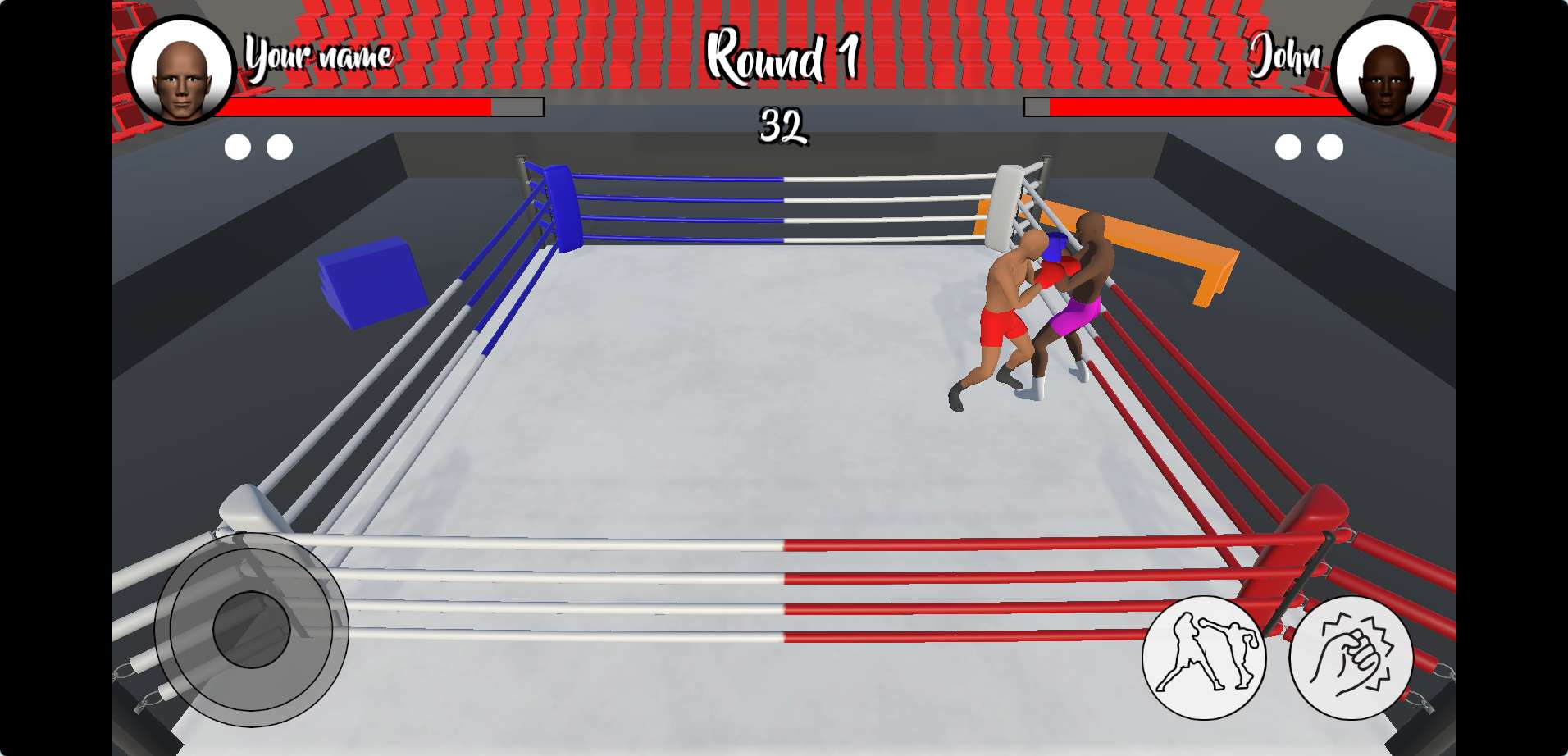
This rhythm—wait, dodge, hit—is the core loop. If you rush it, you’ll trade blows and lose health faster. The AI is not especially clever, but it punishes impatience consistently.
Timing the Dodge Button vs. Moving Out of the Way
The dodge button (K or Shift) gives you a quick sidestep that works well against straight punches. But it has a small recovery window, so spamming it will leave you vulnerable. Reserve it for moments when you’re cornered or when you know a punch is coming.
For most situations, normal movement is safer. A quick step backward costs less stamina and keeps you in control. The dodge is a tool, not a crutch. Use it to escape pressure, not to avoid every jab.
Combos Aren’t Fancy, But They Work
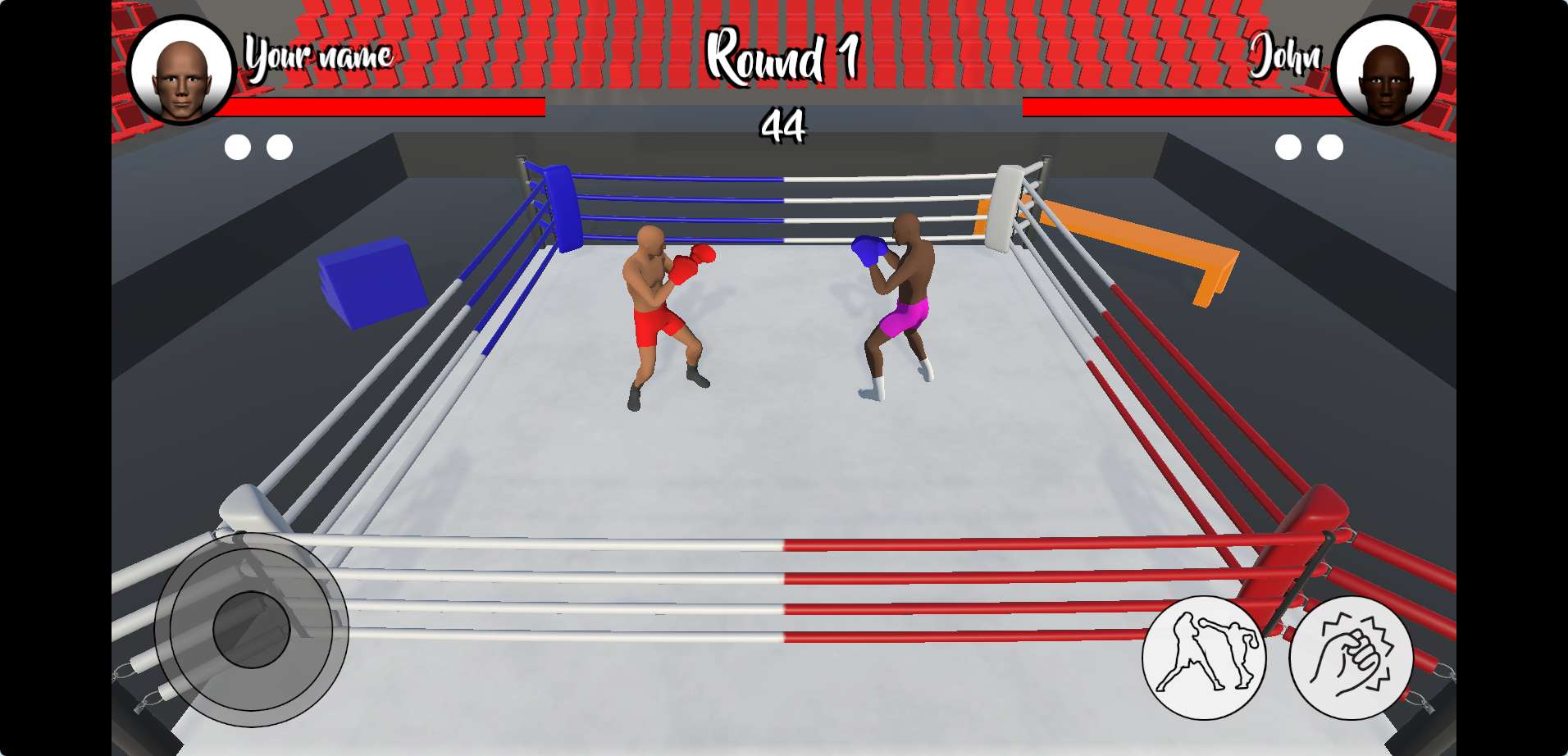
PunchMaster doesn’t have a long combo list. You can throw a few rapid punches by pressing J or Space repeatedly, but the real damage comes from landing clean hits after a dodge. One well-timed punch after slipping an attack does more than three punches thrown in the open.
If you want to chain hits, try this: dodge (K), then immediately move forward and punch twice. The opponent is still in their recovery animation, so both hits will land. Back off after the second punch. This small sequence is reliable and doesn’t require perfect timing.
The One Thing That Catches Everyone
Players who do well in PunchMaster are not the ones with the fastest fingers. They’re the ones who keep their distance and wait for openings. The game rewards patience more than aggression. That might feel counterintuitive for a boxing game, but it’s how the AI works. If you try to brawl, you’ll trade hits and lose. If you step back, dodge, and pick your moments, you’ll win most rounds without taking much damage.
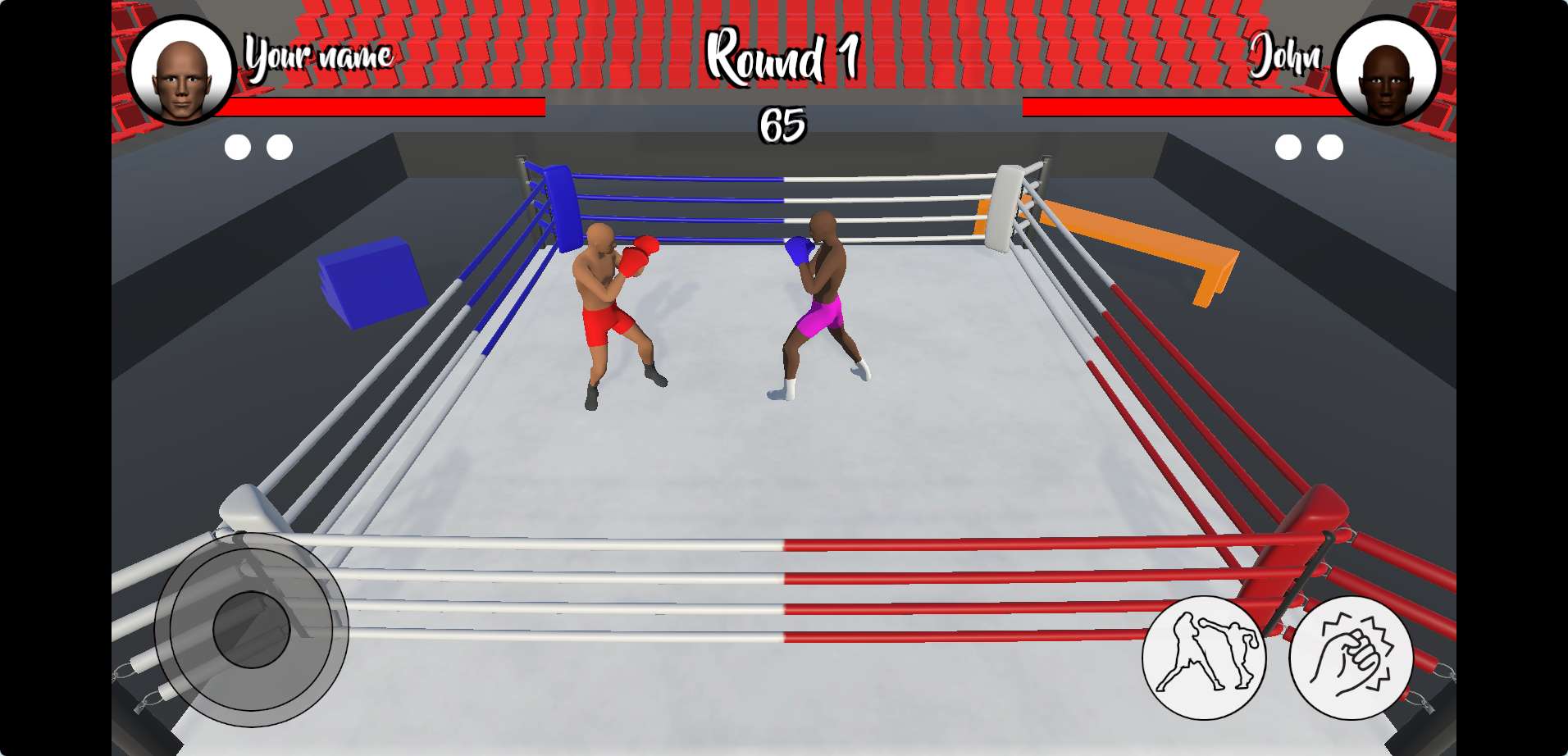
This is where some players bounce off. The game can feel repetitive after ten or fifteen matches because the opponent AI follows predictable patterns. But if you treat each round as a short puzzle — find the pattern, exploit it, move on — the game stays satisfying for quick sessions.
One Way to Keep It Interesting
Once you’ve beaten the AI a few times, try setting your own small challenges. Win without using the dodge button. Win by only landing punches after a backward movement. Or try to finish a round in under 15 seconds. These constraints add a layer of decision-making that the base game doesn’t force on you. It’s not a deep game, but there’s room to experiment if you want to.
One Quick Tip
New players usually do better when they slow down a little and pay attention to repeating patterns instead of reacting too quickly.