
















What Kind of Game Is This?
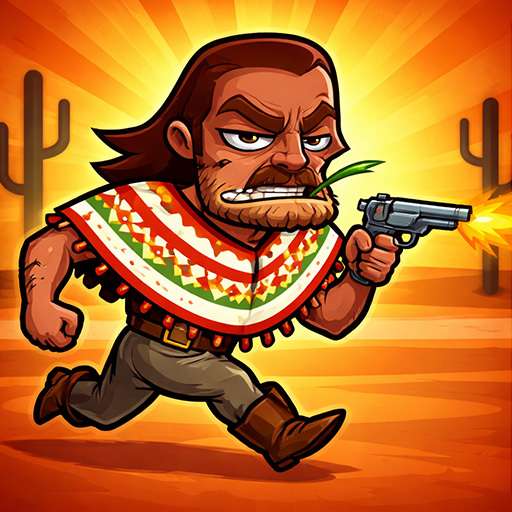
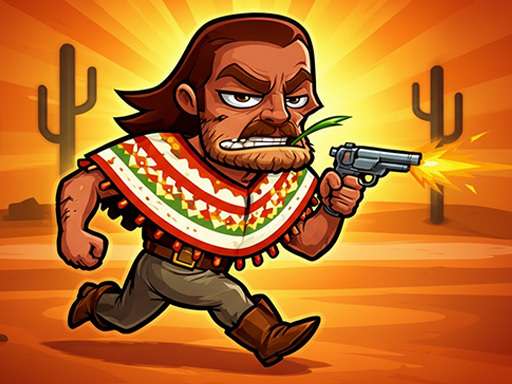
Cowboy Dash Game is a straightforward endless runner with a Wild West theme. You control a cowboy running through frontier landscapes, tapping or clicking to jump over obstacles and collect items along the way. It’s the kind of game you can pick up in thirty seconds and play while waiting for something else to load.
The core loop is simple: keep moving, avoid stuff, grab what you can. But like most games of this type, the challenge isn’t in understanding the controls—it’s in building the reflexes to handle faster speeds and trickier obstacle patterns.
Just One Button, But Don’t Underestimate It
The only input is a tap or click. That’s it. No double jumps, no slides, no special moves. You jump, you land, you jump again. What makes it interesting is how the timing changes as the pace picks up.
Early runs feel slow and forgiving. You’ll clear most obstacles without thinking. But after a few dozen meters, the gaps between hazards shrink. You’ll start misjudging distances. That’s when the game stops being a casual time-killer and starts testing your rhythm.
One thing I noticed: the jump arc is pretty generous. You don’t need pixel-perfect timing. But you do need to avoid panic-tapping. Hitting the button too early is often worse than hitting it a little late, because you’ll land right on top of the next obstacle.
What to Grab and What to Ignore
Scattered along the trail are coins and other pickups. Coins are the main collectible. They don’t directly help you survive, but they matter for progression—you’ll use them to unlock new characters or cosmetic items if the game includes a shop. So grabbing as many as you can during a run is smart.
That said, don’t chase coins into danger. If a coin is floating right over a cactus or a barrel, let it go. One extra coin isn’t worth ending a run early. The best strategy is to stick to a lane and only deviate slightly for easy pickups.
Some versions of the game also include power-ups like magnets or shields. Magnets pull coins toward you, which is great. Shields let you survive one hit. If you see one of these, prioritize it over anything else.
Common Mistakes New Players Make
The most frequent error is tapping too fast. When the game speeds up, it’s natural to start mashing the button. But the obstacles don’t come in a steady beat—they’re spaced unevenly. Mashing leads to early jumps that put you in bad positions.
Another mistake is staring at the character instead of scanning ahead. Your eyes should be looking at the trail a few seconds ahead. This gives you time to plan your next jump. If you fixate on the cowboy, you’ll react late every time.
And a smaller one: not taking breaks. Endless runners are repetitive by design. After ten or fifteen minutes, your focus drops and you start making dumb mistakes. That’s normal. Step away for a minute, come back fresh.
Who Actually Enjoys This Game?
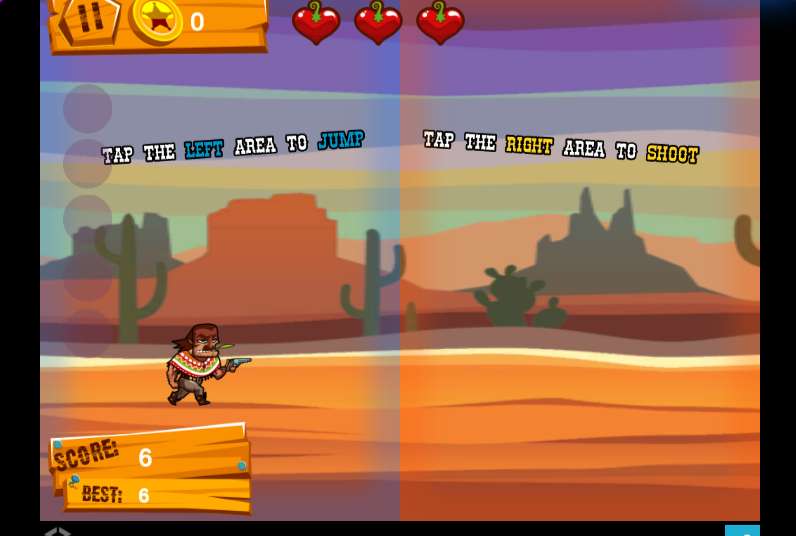
This isn’t a game for people who want deep mechanics or story. It’s for anyone who likes short, focused sessions where the only goal is beating your previous distance. The Western theme is cosmetic, but it’s well-executed—dusty backgrounds, wooden fences, cacti, and a general spaghetti-western feel.
If you’ve played any endless runner before, you’ll know exactly what to expect. Cowboy Dash Game doesn’t reinvent the genre. But it does what it does cleanly. No ads shoved in your face every ten seconds, no confusing menus. Just you, the trail, and the horizon.
It’s also a good pick for younger players or anyone who prefers one-tap controls over complex gesture inputs. The difficulty curve is fair, and the short run length (most runs end in under a minute at first) makes it easy to keep trying without frustration.
Final Tip for Improving
If you want to push your distance, focus on staying calm during the speed increases. The game has a few noticeable speed jumps—usually after you pass certain distance milestones. When you feel the pace change, take a breath and slow your tapping. Let your eyes adjust to the new rhythm before you try to grab everything.
And if you hit a wall where you keep dying at the same spot, watch the obstacle pattern instead of reacting to it. Most endless runners use repeating pattern blocks. Once you learn a tough sequence, surviving it becomes muscle memory.