
















What Merge Brick Actually Asks of You
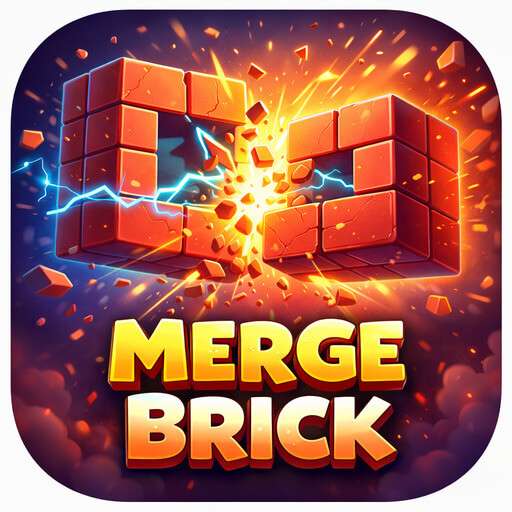
Merge Brick is one of those puzzle games that looks simple at first glance but gets quietly tricky a few levels in. You drag blocks onto a grid, and when identical blocks touch, they merge into a single larger block. The goal is to keep merging efficiently so the grid doesn’t fill up. New blocks keep dropping in, so you’re constantly deciding where to place them.
There is no timer, which is nice. You can take your time to think, but the pressure comes from limited space. It’s less about speed and more about planning a few moves ahead.
The Core Loop: Drag, Merge, Repeat
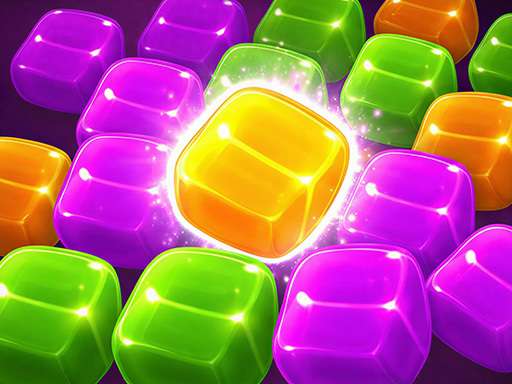
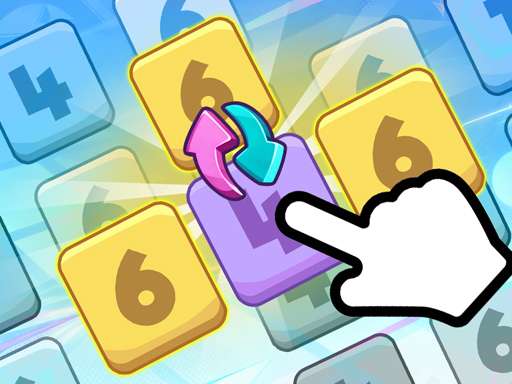
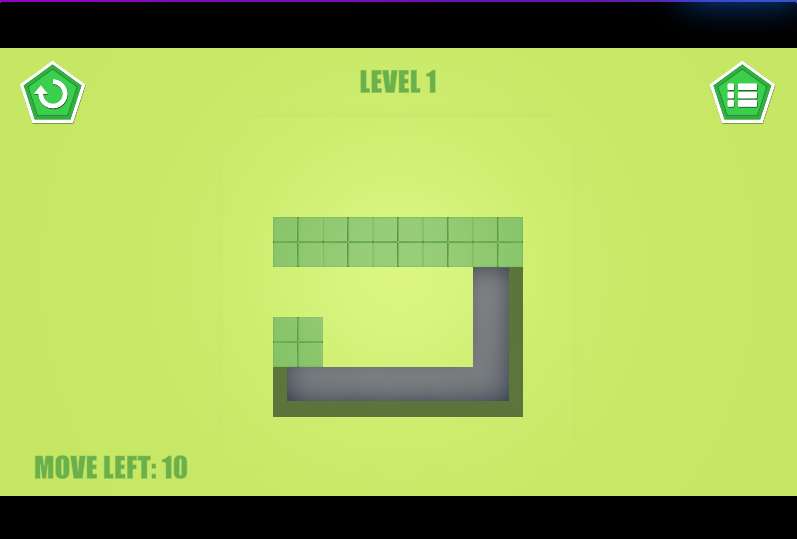
You control everything with mouse drags. Click and hold a block, move it to an empty spot or next to a matching block, and release. If two blocks of the same number touch, they combine into one block with a higher number. The grid is small, so every placement matters.
New blocks appear periodically, and they don’t stop. If the grid fills up completely, it’s game over. So your real job is to keep the board clear by merging as often as possible. It sounds straightforward, but the numbers escalate quickly, and sometimes you end up with mismatched blocks that just sit there.
Where Most New Players Slip Up
The most common mistake I see is dropping blocks wherever there’s a gap without thinking about future merges. You might merge two 3s into a 4, but if you put that 4 in a bad spot, it can block other merges later. Another frequent error is ignoring the edges. Blocks near the edges are harder to move because you have less room to shuffle them around.
Also, don’t assume that bigger numbers are always better. Sometimes keeping a few smaller matching blocks separated for a moment lets you merge them all at once, which clears more space and scores higher.
Practical Tips to Improve Your Game
Try to keep one or two empty squares in the middle of the grid. That gives you flexibility to shift blocks around without getting stuck. If the grid is too tight, you lose options fast.
Pay attention to the order new blocks arrive. If you see two low-number blocks coming back to back, hold off merging them immediately. Wait until both are on the board, then merge them together for a bigger block and more points.
It also helps to group similar numbers close together but not touching until you’re ready. That way you control the merge timing. Rushing merges often leads to scattered blocks and a messy board.
Who Should Play Merge Brick
This game fits well if you enjoy logic puzzles like Threes or 2048 but want something even more direct. There is no story, no unlocks, no power-ups. It’s just you and the blocks. That minimalism is actually the game’s strength—no fluff, just decisions.
On the other hand, if you need varied mechanics or long progression systems, Merge Brick might start feeling repetitive after a while. The core loop doesn’t change much across levels. It works best as something you play for 10 minutes during a break, not for hours at a time.
One thing that stands out is how satisfying it is to clear a nearly full grid with one smart merge. That moment makes the earlier fumbling worth it.
Final Bits of Advice
Don’t stress about getting the highest score immediately. The game is about pattern recognition and spatial reasoning. The more you play, the better you get at spotting merge opportunities before they become problems. And if you lose, just restart. A fresh grid is always a chance to try a different approach.