
















What Is Jelly Garden, Really?
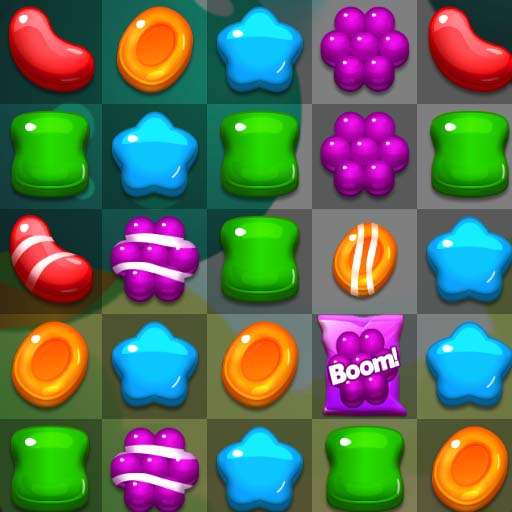
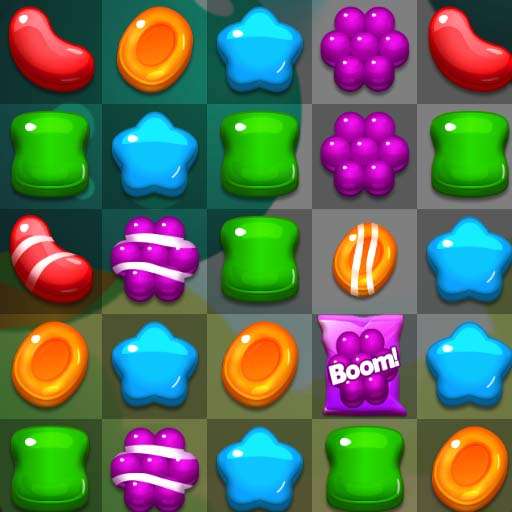
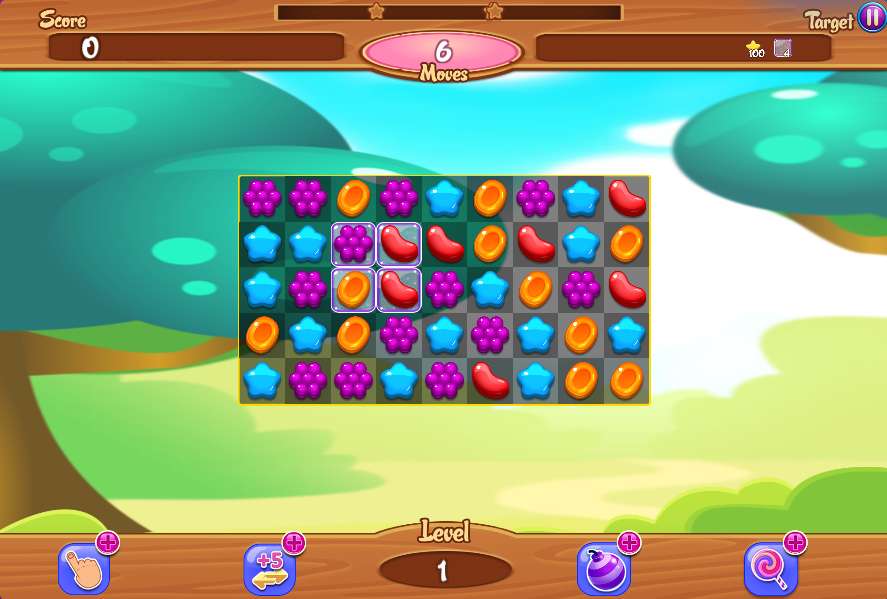
At first glance, Jelly Garden looks like another colorful match-three puzzle game. And yes, you are swapping jelly beans to make sets of three or more. But the charm here is in the little details. The jellies bounce when you click them. The backgrounds shift from candy meadows to gummy castles. It is a casual game that knows exactly what it wants to be: a low-stress, visually sweet puzzle fix.
You move through levels by matching jellies of the same color. Each level has a goal — collect a certain number of red jellies, clear all the blocks, or free trapped candies. You have a limited number of moves, so every swap counts.
How the Matching Actually Works
Left-click (or tap on mobile) to select a jelly, then click an adjacent one to swap. If the swap creates a match of three or more, those jellies pop and disappear. New jellies fall from the top to fill the gaps. If no match is made, the swap reverses automatically.
Matches of four or five jellies create special power-ups. A four-match gives you a striped jelly that clears a row or column when matched. A five-match in an L or T shape creates a wrapped jelly that explodes in a small area. A straight five-match gives you a color bomb that removes all jellies of one color from the board.
Here is a common mistake new players make: they focus only on making matches quickly. Slow down. Look for matches near the bottom of the board. That way, falling jellies can create chain reactions. Chain reactions are your best friend in Jelly Garden because they use zero extra moves.

Power-Ups Are Not Just for Emergencies
You earn power-ups by matching four or more jellies, and you can also buy boosters before a level starts. The early levels throw boosters at you like candy. Do not hoard them. Use them when you are stuck on a level that feels unfair. The game is generous with free boosters, especially if you log in daily.
One power-up worth noting: the color bomb. Save it for when the board is crowded with one dominant color. Combine it with a striped jelly, and you clear a whole row of that color plus a line. That combo can finish a nearly impossible level in one move.
Common Sticking Points and How to Fix Them
Some levels in Jelly Garden feel like they were designed to make you sigh. Levels with jelly layers that regenerate, or levels where you need to collect a specific color but the board keeps giving you everything else. Here is how to handle those:
- Regenerating jelly layers: Focus on the area where the jelly keeps coming back. Match near it first. If you ignore it, it spreads and eats up your moves.
- Color-specific goals: Do not waste moves on matches that do not include the target color. Even if you see a nice chain reaction forming, if it does not feature the needed color, skip it. Move efficiency matters more than flashy combos.
- Blocked edges: Some jellies are locked behind blocks or vines. Clear those obstacles early. They will open up more of the board and give you better matching options later.
A Personal Observation: The Pace Works
I have played a lot of match-three games that rush you with timers or punish you for thinking. Jelly Garden does not do that. There is no timer. You can stare at the board for a full minute before making a move. That might sound boring to action gamers, but for anyone who plays while watching a show or waiting for a bus, it is perfect. The difficulty ramps up slowly enough that you rarely feel cheated, but it does get genuinely tricky around level 80. If you enjoy puzzle games where planning beats speed, this is a good fit.
Quick Tips for New Players
- Always check the goal before your first move. Sometimes you need to clear ice, not collect jellies.
- Use the shuffle feature if you are stuck with no matches. It swaps the board for free, once per level.
- Do not tap randomly. Every move should have a purpose, even if that purpose is setting up a future chain.
- If a level feels impossible after three tries, come back later. Sometimes fresh eyes see a pattern you missed.
Jelly Garden is not trying to reinvent the genre. It is a solid, colorful match-three game with enough variety to keep you clicking for a while. Play it when you want something sweet but not demanding.