

















Game Introduction
Immerse in Spatial Aesthetics and Unlock a New Puzzle Experience
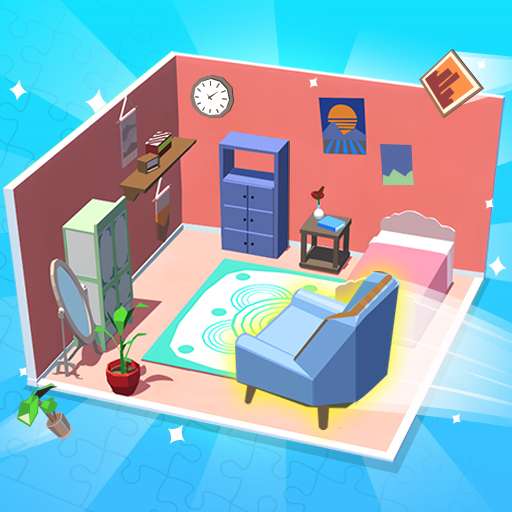
Step into the world of *Room Sort Floor Plan* and embark on a creative puzzle adventure that seamlessly combines the joy of tidying up with the passion for design! This isn't just a casual game; it's a virtual haven where you can unleash your creativity. In the game, you'll need to apply your sorting skills to neatly organize scattered items and flex your design muscles to tailor the perfect layout for each room. Every reconfiguration of the floor plan is a fresh interpretation of spatial aesthetics.
As you progress through the levels, the challenges gradually intensify, with each stage presenting a unique jigsaw-like puzzle. Transforming chaotic spaces into cozy, well-organized homes brings a profound sense of accomplishment. Come and create your dream home with *Room Sort Floor Plan*, using your hands and wits to experience the boundless fun of combining sorting and design!
Game Features
### Creative Home Layout
Rearrange floor plans to design various rooms, from living rooms and kitchens to bedrooms and bathrooms, and create your dream home.
### Furniture and Decor
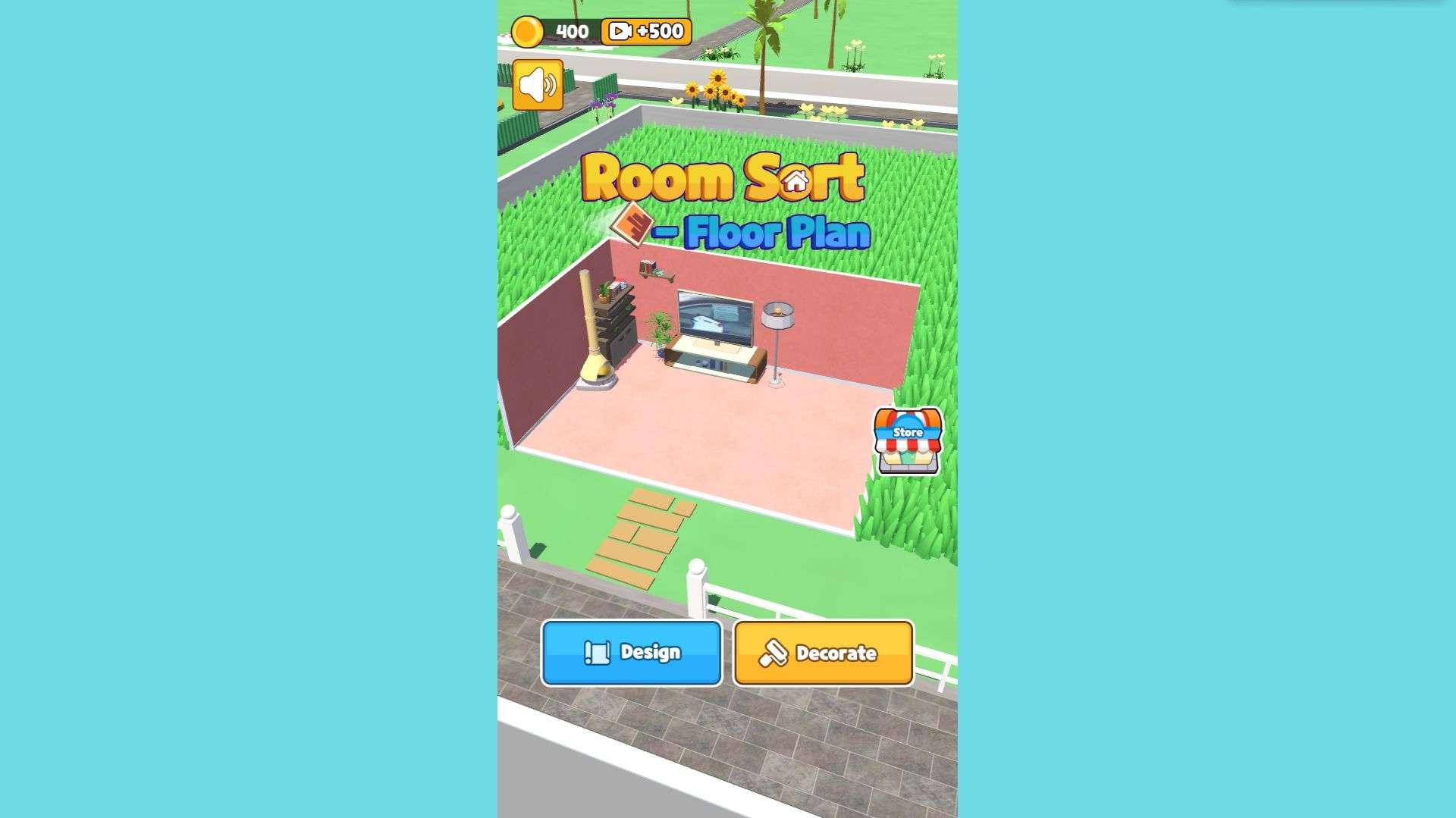
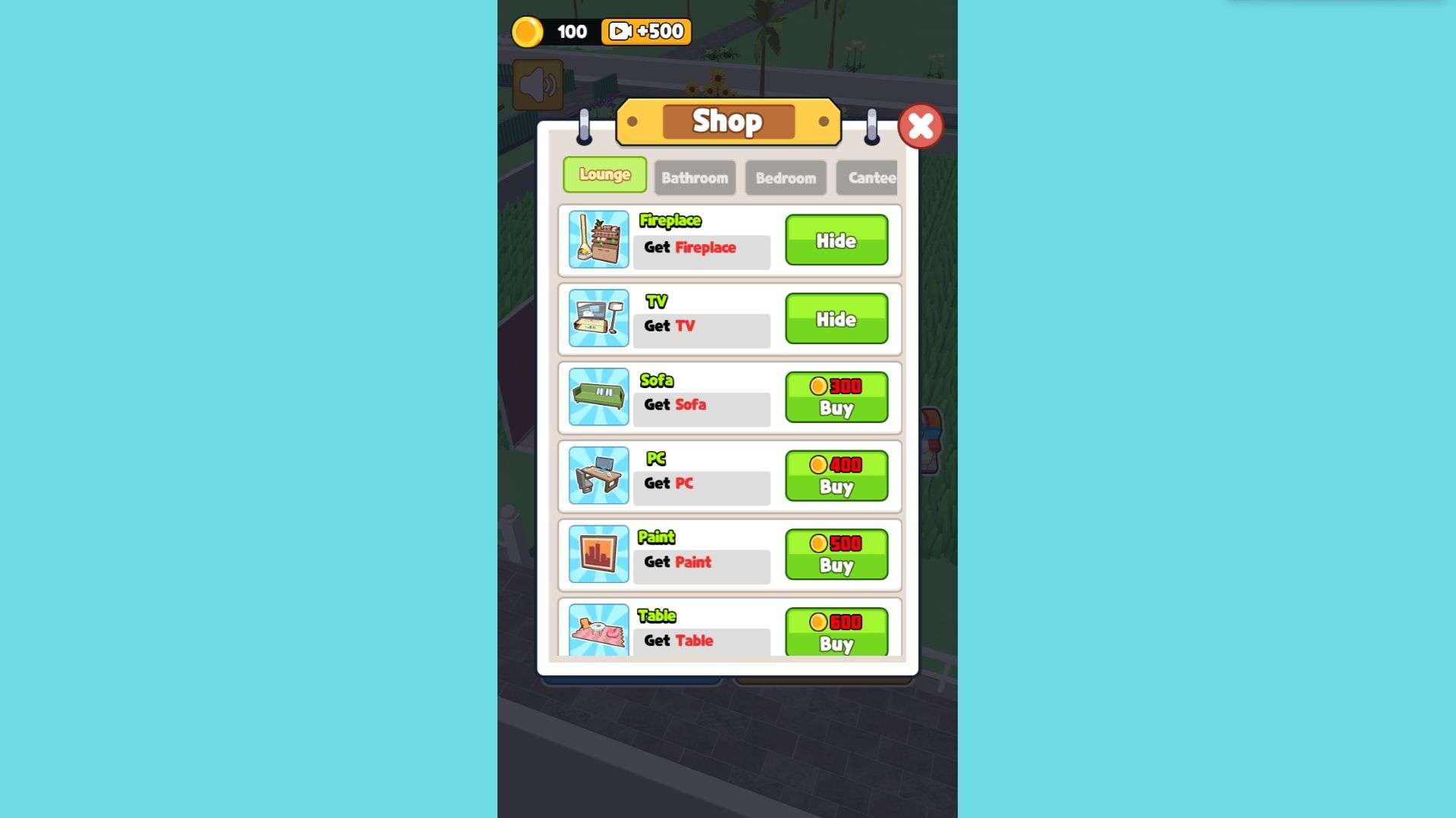
Customize the furniture, wallpaper, and flooring of each room. Utilize your design skills to make the house truly your own.
### Diverse Room Types
The game offers a wide range of room types, including living rooms, kitchens, dining rooms, bedrooms, children's rooms, laundry rooms, and bathrooms. Skillfully connect these rooms to form a cohesive layout.
### Challenging Puzzles
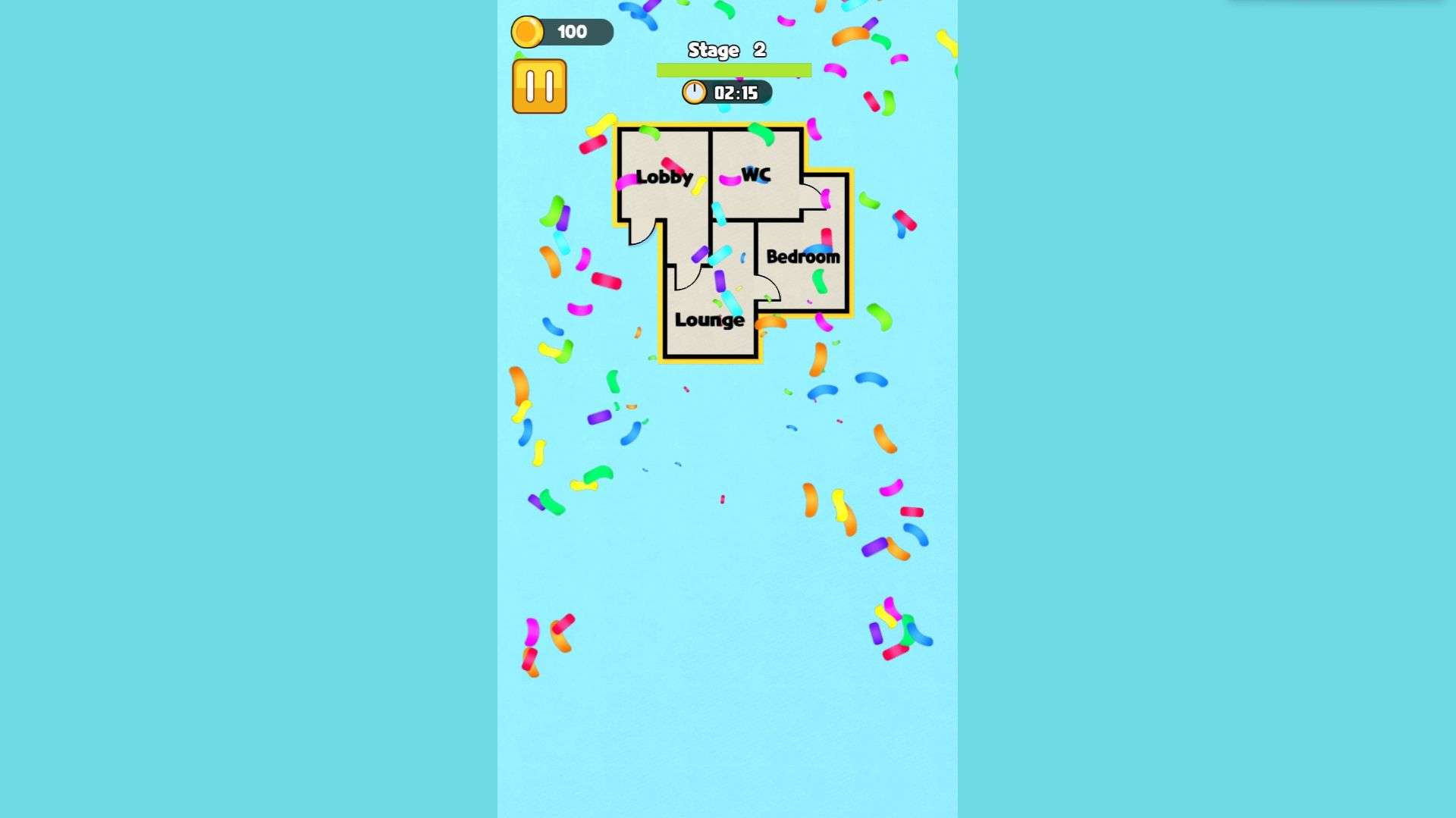
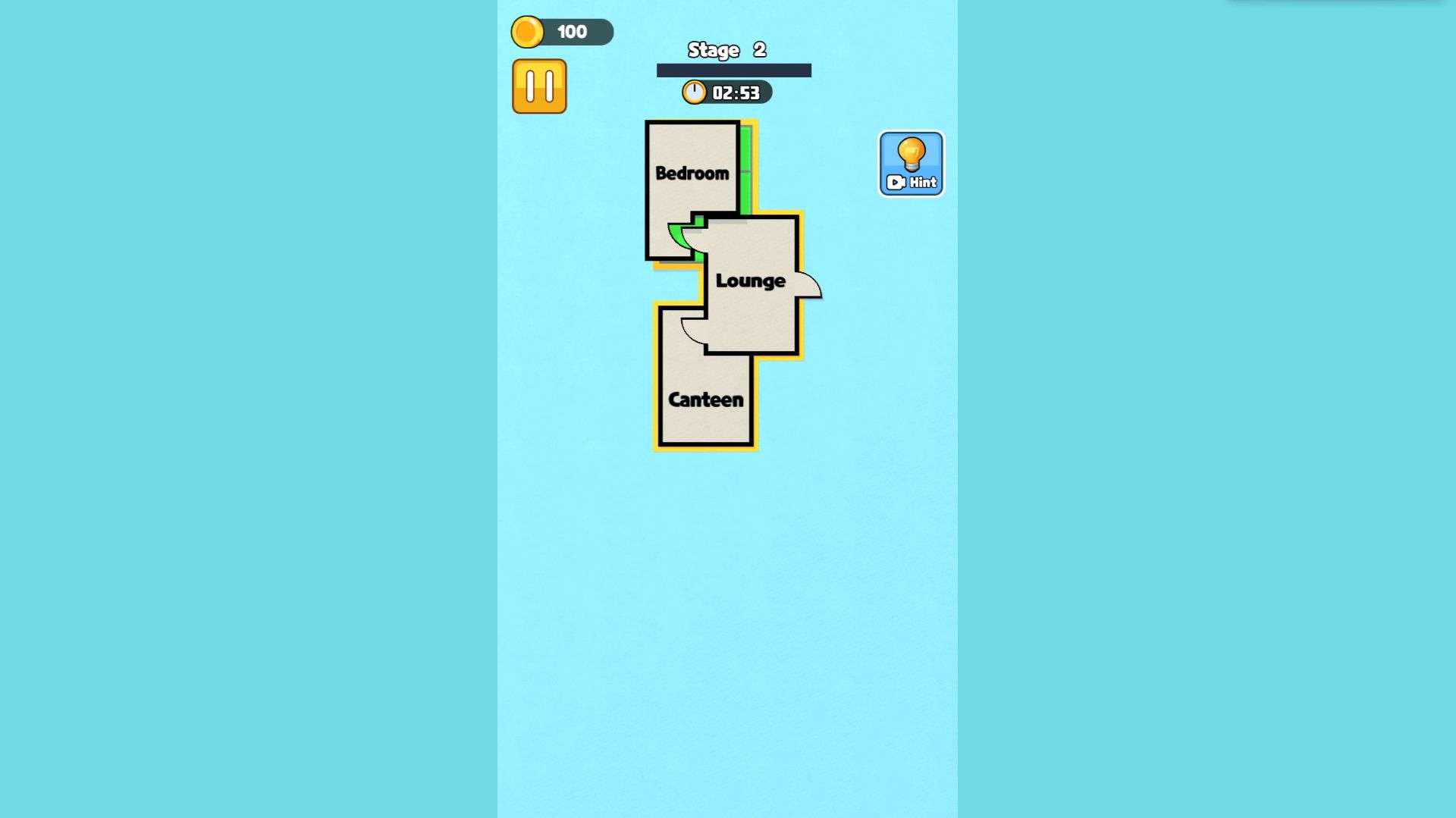
The gameplay is similar to tangram puzzles. You need to fill different types of house puzzle pieces within the specified area. Once the puzzle is completed, the pre-set scene will be vividly presented, featuring intricate and realistic designs.
Gameplay and Controls
1. **Enter the Virtual Design World**
Upon launching the game, you'll be immersed in a virtual scene. The interface displays the outline of the room to be designed and scattered tangram-style home modules, including walls, furniture, and decorative elements.
2. **Tangram-style Layout**
Long-press and drag the tangram modules to place them in appropriate positions within the room outline. Use pinch-to-zoom and single-finger rotation operations to adjust the direction and size of the modules, ensuring they fit the space. Just like assembling a tangram, explore how the modules connect and combine to complete the division of room walls and furniture placement.
3. **Sorting and Creative Design**
Categorize different functional modules. For example, use sleep-related modules for bedroom design and cooking modules for kitchen layout. Meanwhile, unleash your creativity, and combine color and style preferences with decorative elements such as wallpaper and flooring to create a unique home style.
4. **Goal Achievement and Level Progression**
Each level has specific task objectives, such as meeting the specified functional requirements of the room or achieving a preset aesthetic score. Complete the combination of tangram modules and creative design within the limited time or number of operations. After passing the system evaluation, you can progress to the next level. As the levels increase, the room outlines become more complex, and the number and variety of modules increase, escalating the challenge.
5. **Real-time Preview and Modification**
During the operation, click the "Preview" button at any time to view the actual effect of the room. Based on the presented effect, go back and adjust details such as the position of tangram modules and decorative combinations until a satisfactory and practical room layout that meets the target requirements is designed.
Game Guide
I. Plan the Overall Layout in Advance
Since the puzzle pieces cannot be rotated, before starting to fill them in, it is necessary to carefully observe the preset area and the shapes of different house puzzle pieces. Analyze the functions represented by each puzzle piece; for example, long, strip - shaped pieces are suitable for corridors, while square pieces can be planned as bedrooms or living rooms. Sketch a rough layout framework in your mind or on paper, and determine the placement of various areas to avoid blindly filling and subsequent repeated adjustments.
II. Efficient Puzzle - Filling Techniques
Start from the edges or corners first. Place the house puzzle pieces that fit the edge contours, and gradually work your way towards the center. For instance, use pieces with right angles to fill the corners and pieces with straight edges to align with the boundaries. Arrange the pieces according to the functional relevance of the areas; place the kitchen adjacent to the dining room, and position the bedroom close to the bathroom to create a reasonable living traffic flow. During the filling process, constantly compare the remaining puzzle pieces with the empty spaces, and prioritize the pieces with a high degree of fit to reduce the number of trial - and - error attempts.
III. Detail Optimization and Scene Presentation
After the basic puzzle is completed, check whether the connections between areas are natural, and whether there are any gaps or unreasonable space wastage. Use the remaining small puzzle pieces for fine - tuning and filling to perfect the overall layout. Once the puzzle is completed and the scene is triggered, observe the details carefully. If you are not satisfied with certain areas, make a note of the problems and return to make modifications. At the same time, pay attention to the unique styles presented by different combinations of puzzle pieces, accumulate experience, and more accurately predict the final effect in subsequent levels, creating a practical and stunning scene layout.